
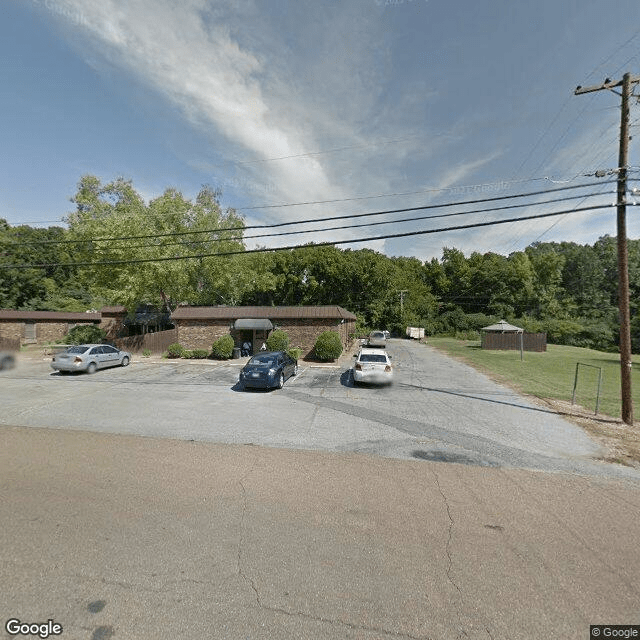
1803 Lindauer Rd, Forrest City, AR 72335
To contact a resident: (870) 494-3911
For more information about senior living options: (866) 208-4318
Overall Review of Forrest Hills
Pros
 The best staff are Ms. Debbie, Ms. Tate, Mr. Stephen, Mr. Zay, Nurse Eureka, and both Nurse Ambers.
- Ms. Buneta is suggested as a therapist.
- The facility has a gym with a full-court basketball court inside and another full-court court outside, plus a space to play kickball.
- There is a structured level system (Orientation, Learning, Accepting, Willing, Succeeding) to guide progress toward discharge.
- Guardians can visit and bring food or drinks, supporting family involvement.
Cons
 The facility is nasty and filled with bugs.
- A lot of the staff do not care about the patients.
- It took weeks to get pain medication for a recent heel injury.
- It’s hard to see a therapist consistently; patients have to get lucky with which therapist they get.
- The staff don’t talk to patients when they feel down and just escort them elsewhere.
- PRTs are used to control patients by restraining them with their arms behind their backs and pushing them against the wall, which can cause harm.
- It’s alleged that a staff member hurt someone and another broke a kid’s arm, sending them to the hospital.
- Patients could be beaten up if they don’t get along with their peers.
- Stays are long (typically 4–6 months) and are governed by levels and write-ups, which affect discharge.
Review
For Forrest Hills in Forrest City, AR, the clear target audience is families seeking a highly structured residential program for younger residents with behavioral health needs. The facility is organized around four distinct halls that separate age groups and behaviors, coupled with a tiered, “discharge through progression” model. This is not an elder-care or traditional assisted-living setting. For seniors or adults looking for standard memory care, skilled nursing, or routine assisted living, this environment creates misalignment with expectations around maturity, safety norms, and day-to-day quality of life.
Those evaluating options for aging loved ones should consider alternatives immediately. The boundaries, routines, and discipline-oriented framework described here are not suited to older adults who require dignified, person-centered care, consistent medication management, and respectful engagement from staff. Risks highlighted in resident accounts, persistence of pests, perceived neglect, and a system that emphasizes punishment and containment, strongly indicate that a facility of this type will fall short for seniors who prioritize comfort, autonomy, and appropriate therapeutic touch.
On the upside, several staff members are singled out positively by residents, and there is visible structure in how residents advance through levels. The program traces a clear path from orientation to success, with regular opportunities for family contact and scheduled activities. The physical plant includes a gym with a full basketball court and additional outdoor courts, offering opportunities for supervised exercise and recreation. For families seeking behavioral-health treatment for youths, these elements can translate into predictability, some degree of personal accountability, and opportunities for meaningful activity.
Yet the core drawbacks are hard to overlook. Descriptions of the facility as dirty and infested with pests, inconsistent access to therapy, and extended delays in basic medical needs like pain management paint a troubling picture of daily life. The use of restraints to control behavior, credible reports of injuries, and a climate where staff may appear indifferent or hurried erode trust and safety. The discharge process, linked to a sequence of write-ups and “levels”, can feel punitive rather than rehabilitative, with communication about progress fluctuating and visits or calls restricted by hall assignment. In short, the risks and the environment clash with what is expected in a respectful, modern treatment setting.
The question for families is whether the available pros meaningfully offset the significant cons. For a youth-focused program, structure and a few supportive staff can provide a sense of safety and accountability, and the activity spaces may support physical health and engagement. However, the pervasive concerns about cleanliness, safety, and the potential for rights violations outweigh those benefits. For seniors, none of these positives compensates for the mismatch in age, care philosophy, and safety standards; the environment does not align with best practices in elder care.
For decision-making, proceed with extreme caution if this option is even on the table for a youth in need of residential care. Conduct a rigorous on-site evaluation focused on housekeeping standards, incident reporting, and the facility’s policies on restraints and resident rights. Speak with a broad cross-section of staff and families, request current licensing statuses and inspection reports, and verify how quickly medical needs are met. For those shopping senior living, prioritize licensed assisted living or memory-care communities with transparent nurse staffing, daily living assistance, dignified programming, and a clean, well-maintained environment. In the end, Forrest Hills does not emerge as a strong choice for elder care; alternatives with a clearly elder-appropriate focus are strongly advised.
 Assisted Living
 Independent Living
 Activities on-site
 Devotional services off-site
 Indoor common areas
 Ambulatory care
 Diabetic care
 Meals provided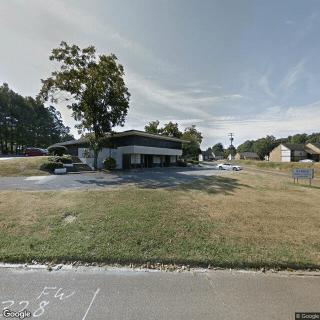


 Understanding Medicaid Coverage for Assisted Living: A Comprehensive Guide
 How and When Medicaid May Cover Assisted Living Costs
 A Detailed Exploration of Assisted Living Medicaid Waivers Across the United States