
400 Arkansas Street, Wynne, AR 72396
For more information about senior living options: (866) 208-4318
Crestpark Wynne Costs & Pricing
Crestpark Wynne offers competitive pricing for its various room types, aligning closely with the costs seen in Woodruff County and throughout Arkansas. For semi-private accommodations, Crestpark Wynne is priced at $3,390 per month, matching the county average but slightly lower than the state average of $3,651. The private rooms range from $4,800 to $7,000, offering flexibility depending on the specific needs and preferences of residents; this range is notably higher than both Woodruff County's average of $5,900 and Arkansas's average of $4,236. Additionally, the one-bedroom units are offered at a flat rate of $7,000 per month. While this price matches the county rate directly, it significantly eclipses the state average of $3,322. Overall, Crestpark Wynne presents a blend of options that cater to different budgets while remaining competitive in both local and state markets.
| Floor plans | Crestpark Wynne | Woodruff County | Arkansas |
|---|---|---|---|
| Semi-Private | $3,390 | $3,390 | $3,651 |
| Private | $4,800 to $7,000 | $5,900 | $4,236 |
| 1 Bedroom | $7,000 | $7,000 | $3,322 |
Overall Review of Crestpark Wynne
Pros
 The staff smiled every day and asked how the patient was doing.
- The staff stopped by the patient's room to chat for a minute.
- The patient really enjoyed their time there.
- The patient's progress soared during rehabilitation.
- The staff's smiles and encouragement went a long way for the patient's rehabilitation and determination.
- The staff on duty and those who came in off-hours sorted everything out for the patient.
- The staff's attitudes improved once they realized the patient was cooperative.
Cons
 The facility is dirty and nasty.
- The facility has large roaches.
- The staff do not spray.
Review
Crestpark Wynne is best suited for seniors who need structured rehabilitation and respond well to an encouraging, hands-on staff approach. Families with loved ones recovering from surgery or a medical setback will find a practical path to independence when caregivers monitor progress, adjust orders, and offer daily reassurance. The strongest asset is how staff engage residents, celebrate small milestones, and check in with warmth that translates into motivation for rehab. For residents willing to participate actively in recovery and for families who value steady, personable attention, this community provides a focused, results-driven environment rather than a purely custodial one.
Those who should consider alternatives are families prioritizing pristine surroundings and broad medical oversight. If cleanliness concerns or pest issues would cause distress, or if a resident needs more extensive medical monitoring or a richer social calendar, a different community may fit better. The documented cleanliness problem, roaches in a resident room and reports of inadequate spray, should be verified during a tour with current housekeeping staff. In short, Crestpark Wynne can be excellent for rehab-focused care, but is not the universal answer for every senior.
Pros and cons collide in a telling way: the key advantage is staff proactivity and friendliness, which aligns with strong rehab progress when residents engage. The main drawback is cleanliness and pest control, which erode comfort, safety, and peace of mind. The positive testimony describes improved function, morale, and daily encouragement; that demonstrates how attentive care can deliver tangible gains. Those gains, however, only offset the negatives to the extent that housekeeping and pest management can be made consistently reliable. Until then, comfort and confidence remain partly contingent on management's responsiveness.
Review patterns reflect real-world variability: some residents and families laud the environment and staff, while others flag hygiene issues. The best experience centers on responsive caregivers who motivate progress; the worst centers on persistent cleanliness concerns that undermine trust. Crestpark Wynne should be treated as a rehab-focused option with strong interpersonal care, not a blanket assurance of comfort or comprehensive quality. Prospects should probe whether current residents experience consistent cleanliness, and whether housekeeping and pest control meet acceptable standards across shifts.
Practical diligence matters: arrange tours at different times, observe rehab therapy, and ask for recent room conditions and maintenance response times. Inquire about pest-control schedules, cleaning routines, and how quickly issues are resolved. The facility’s rehab-oriented narrative points to potential, yet the cleanliness issue demands concrete assurances before a move. Families should clarify expectations for dining, shared spaces, and resident rooms to ensure alignment with comfort and safety thresholds.
In sum, Crestpark Wynne can be a solid choice for seniors whose priority is structured rehabilitation and attentive staff. If spotless housekeeping, pest-free environments, or broader medical and social programming are non-negotiable, alternatives should be explored. A well-informed decision will come from recent tours, conversations with current residents, and a plan to monitor cleanliness and staff responsiveness in the early weeks. When those conditions align, Crestpark Wynne can deliver meaningful rehabilitation outcomes within a caring setting; if not, there are other communities that may meet those expectations more reliably.
 100 resident community capacity
 Skilled Nursing Facility
 Air-conditioning
 Beauty salon
 Cable or satellite TV
 Computer center
 Dining room
 Fitness room
 Fully furnished
 Gaming room
 Garden
 Housekeeping services
 Kitchenette
 Move-in coordination
 Outdoor space
 Private bathrooms
 Restaurant-style dining
 Small library
 Telephone
 Wellness center
 Wi-Fi/high-speed internet available
 Community operated transportation
 12-16 hour nursing
 24-hour call system
 Activities of daily living assistance
 Assistance with bathing
 Assistance with dressing
 Assistance with transfers
 Diabetes diet
 Medication management
 Mental wellness program
 Special dietary restrictions
 Concierge services
 Planned day trips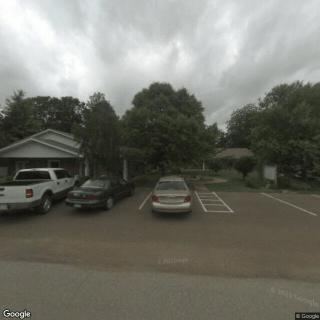


 Home Health Care Aides: Understanding Their Role and Supporting Your Family
 Urinary Tract Infections in Older Adults: Comprehensive Insights on Symptoms, Treatment, and Prevention
 California's Form 602A: An In-Depth Examination of Senior Care Assessment