1800 Stephens Drive, Forrest City, AZ 72335
To contact a resident: (870) 633-6390
For more information about senior living options: (866) 208-4318
Overall Review of St. Francis
Pros
 The residents seem to enjoy the church visits.
 - Many have heard many great things about it, with no negative feedback.
- The staff are wonderful.
- St. Francis Assisted Living is a kind and caring place that goes above and beyond for residents.
- The community is wonderful, with caring staff and a friendly, family environment.
- The facility is very clean with a good atmosphere.
Cons
 The staff does not spend time with residents.
- The turnover rate is very high; staff are frequently fired.
- The owner is described as a crook and does not notify family members of medical incidents.
- There are a lot of fights among residents.
- Residents go without meals due to a weekly allowance of $30.09.
- The weekend nurse is horrible, and the administration would not help with mail or daily activities.
- Refunds after a loved one moves out are slow, with no communication and broken promises.
- The facility should be federally investigated and families are advised not to take their loved ones there.
Review
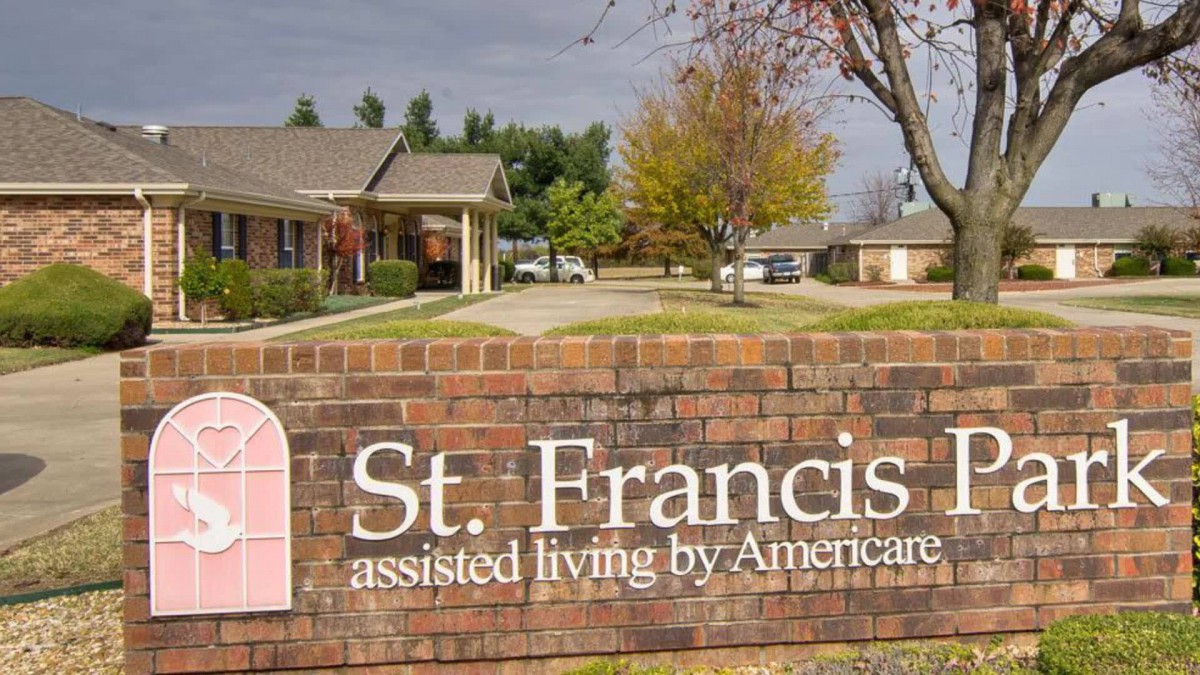
St. Francis Assisted Living in Forrest City, AZ is best suited for families who prize a warm, socially vibrant environment that feels like a small, church-connected community. When the staff stabilizes, residents benefit from genuine kindness, a welcoming, homey atmosphere, and regular social programming, including church visitors and singing, that can lift daily life. The setting has a clean, well-kept feel and a palpable sense of neighborliness. For those who want more than basic supervision and place a premium on morale and personal interactions, this community can deliver meaningful moments and a sense of belonging.
However, serious caveats require careful weighing. Families who demand consistent administrative follow-through, timely financial settlements, and transparent communication with loved ones should seriously consider alternatives. Several reviews flag high staff turnover, uneven caregiving attention, and instances where skilled staff were reportedly let go, which undermines continuity of care. Additional concerns include delays in processing refunds after a resident moves out and claims about the owner’s conduct and mishandling of medical information that would be unacceptable to risk at any level. For households with tight dietary controls or budgetary constraints (residents living on a modest weekly allowance and still going without meals when funds run low), the fit is especially uncertain. These are red flags that can erode trust and safety over time.
The strongest counterweight to these concerns are the reported strengths, staff described as wonderful, caring, and genuinely engaged when on duty; a friendly, family-like atmosphere; and a clean facility that feels calm and homey. When the right people are on duty, care can feel attentive and personal, and the social calendar can enrich daily life. That said, these positives have limited impact if turnover remains high and supervision is inconsistent. The day-to-day warmth can dissipate when new aides arrive and depart quickly or when administration fails to sustain reliable routines and timely updates. In short, the positives are real but fragile without stable leadership and dependable communication.
Residents benefit from social connectivity, the church connections, volunteer visits, and communal activities can boost mood and provide meaningful engagement. The favorable impressions from open houses and the overall cleanliness reinforce a welcoming baseline. Yet the cumulative effect of limited attention from weekend nursing, concerns about mail handling and appointment coordination, and reports of resident conflicts undermine safety and predictability. The contrast between a bright, inviting ambience and sporadic care delivery creates an inconsistent experience buyers should not overlook when prioritizing quality of life.
For families evaluating options, this community calls for active oversight rather than passive acceptance. If choosing St. Francis, plan to interview frontline staff on multiple shifts, request a transparent turnover record, and insist on a formal, documented care plan with regular family updates. Demand clear policies on refunds, mail forwarding, medical incident reporting, and conflict resolution among residents. Investigate licensing and DHS history, and verify that any concerns raised are being addressed with concrete improvements. If these elements cannot be secured, or if there is hesitation about governance, alternatives with steadier staffing, stronger governance, and stricter financial controls should be pursued.
Ultimately, this community is a mixed bag: it offers warmth, social vitality, and a clean, welcoming environment, but carries significant governance and care-delivery risks that can erode the resident experience. The decision hinges on whether a family can commit to rigorous oversight and be prepared to advocate for transparent communication and consistent staffing. For many, safer options exist that deliver similar companionship and activity without looming concerns about turnover, alleged mismanagement, or delayed refunds. If the emphasis is on genuine care and dependable oversight, this may still work, but only with a clear plan and vigilant involvement.
 1-bedroom apartments
 Assisted Living
 Memory Care
 Activities on-site
 Beautician on-site
 Devotional services off-site
 Dining room
 Garden
 Hiking trails
 Housekeeping services
 Indoor common areas
 Kitchenette
 Laundry
 Transportation & parking
 Ambulatory care
 Assistance with bathing
 Assistance with dressing
 Diabetic care
 Meal preparation and service
 Medication management
 Arts and crafts
 Fitness programs
 English




 Illuminating Insights About Alzheimer's Disease: Ten Crucial Realities
 A Thorough Discussion of Medications Potentially Linked to Dementia Risk
 Why Do Dementia Patients Sleep So Much? Understanding Oversleeping, Stages, and Care Approaches