
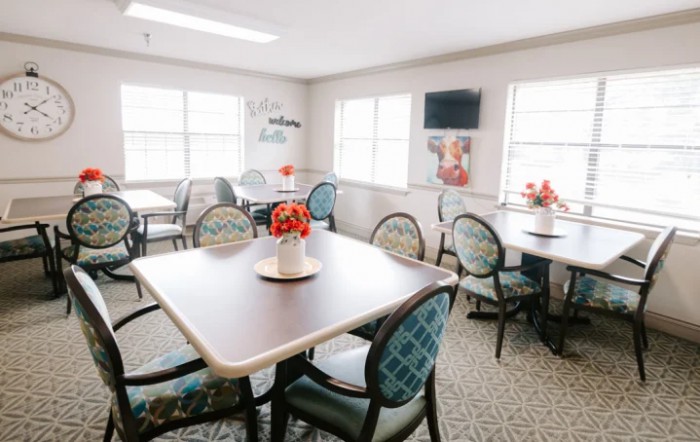


1100 East Martin Drive, Wynne, AR 72396
For more information about senior living options: (866) 208-4318
Overall Review of River Ridge Rehabilitation And Care Center
Pros
 River Ridge Nursing Home provided wonderful service to her grandmother during her stay.
- Chassidy, the occupational therapist, created a tailored treatment plan that greatly accelerated her grandmother's progress.
- Thanks to Chassidy's expertise and the supportive environment, the grandmother was able to return home in just a few weeks.
- The staff's hard work and kindness would always be remembered and appreciated by the family.
- The staff was very nice.
Cons
 The facility is filthy and unsafe, with roaches, dirty halls, and a persistent urine odor.
- The staff are unprofessional and neglectful, often ignoring residents’ calls for help.
- Residents with health issues aren’t given appropriate therapeutic diets or medical oversight; diabetics are fed the same meals as everyone else.
- People are left in their own feces for hours, and baths and bedding changes are not done regularly.
- The place seems run on a shoestring budget and prioritizes money over patient care.
- Medical attention is inconsistent; residents may not see doctors promptly and can end up hospitalized or in ICU.
- There are multiple reports of abuse and mistreatment by caregivers.
- The environment is unsafe and unsanitary, with broken fixtures and cluttered, poorly maintained spaces.
- Families consider legal action due to neglect and harm.
Review
River Ridge Rehabilitation and Care Center in Wynne, Arkansas is best suited for families that intend to stay deeply involved and demand vigilant oversight, particularly when short-term rehabilitation is the goal. The implied value lies in a facility that can support aggressive therapy and recovery milestones, but only if there is a committed advocate at the bedside to monitor daily care, track medical needs, and push for timely physician involvement. In practical terms, this is a facility where success points are contingent on constant scrutiny and active family participation rather than passive trust.
Those considering alternatives should note that residents requiring steady, high-quality medical oversight, diabetes-sensitive diets, COPD management, or reliable hygiene and safety protocols may want to look elsewhere. Several reviews describe insufficient medical monitoring, inconsistent dietary management, and serious safety lapses. For a person with complex health needs, particularly where a lapse in care could have life-threatening consequences, a facility with demonstrably stronger staffing, stricter infection control, and more reliable clinical oversight is a safer default choice.
The few substantive positives point to what reasonable care can resemble in the right circumstances: a handful of staff members who are capable, a respite stay that surprisingly went smoothly for one family, and an occupational therapist who implemented a tailored plan that produced meaningful progress. These pockets of effectiveness highlight that competent clinical skill can exist within River Ridge. However, the presence of strong individual performances does not negate the broader pattern of care gaps, overstretched staff, inconsistent attention to needs, and facilities or practices that undercut reliable daily support. In short, effective therapy can occur, but it is not guaranteed and is overshadowed by widespread operational fragility.
The dominant concerns are structural and recurrent. Reports of neglect, unsanitary conditions, and inadequate assistance in basic activities recur across multiple accounts. Residents allegedly left unbathed, rooms not cleaned, and bedding not changed; calls for help were described as inadequately answered; hallways and common spaces conveyed a sense of clutter and poor maintenance. There are alarming anecdotes of patients deteriorating or requiring emergency care after transitions from River Ridge, raising questions about ongoing medical surveillance and risk management. While individual caregivers may show compassion, the institutional shortcomings undermine trust in daily safety and long-term wellbeing.
From a decision-making perspective, prospective families should insist on concrete, verifiable safeguards if River Ridge is on the table. Ask for evidence of sustained nurse coverage and daily physician rounds, explicit protocols for dietary management, especially for diabetes and hypertension, and a transparent hygiene and infection-control plan with regular audits. Request recent state inspection results, staffing ratios by shift, and a clear escalation path for concerns. Tour the facility with a checklist focused on cleanliness, room condition, and the tangible presence of caregivers during peak hours. Speak to current families about responsiveness, and probe any pattern of adverse events, not just the pleasant moments.
Ultimately, the risk profile here is too high for most seniors who require consistent medical oversight, predictable daily care, and a clean, well-maintained environment. River Ridge may still appeal to families who can devote heavy oversight and tolerate uneven care while chasing rehab milestones, but for long-term safety and reliable daily functioning, stronger options exist. Consider alternatives that offer stronger staffing, better sanitation, and demonstrably steady clinical monitoring, such as other local nursing homes with solid survey histories, hospital-affiliated rehabilitation programs, or comprehensive home-health-supported recovery plans. In any case, prioritize a facility where consistent, proactive care is non-negotiable and the risk of neglect or neglect-like gaps is demonstrably minimized.
 100 resident community capacity
 Skilled Nursing Facility
 Air-conditioning
 Beauty salon
 Cable or satellite TV
 Computer center
 Dining room
 Fitness room
 Fully furnished
 Gaming room
 Garden
 Housekeeping services
 Kitchenette
 Move-in coordination
 Outdoor space
 Private bathrooms
 Restaurant-style dining
 Small library
 Telephone
 Wellness center
 Wi-Fi/high-speed internet available
 Community operated transportation
 12-16 hour nursing
 24-hour call system
 Activities of daily living assistance
 Assistance with bathing
 Assistance with dressing
 Assistance with transfers
 Diabetes diet
 Medication management
 Mental wellness program
 Special dietary restrictions
 Concierge services
 Planned day trips


 6 Crucial Ways an Elder Law Attorney Assists Families
 Navigating the Tax Landscape of Caregiving: Credits, Deductions, and Beyond
 Highly Beneficial Low-Impact Exercises for Senior Living Residents