

3380 N Windsong Dr, Prescott Valley, AZ 86314
To contact a resident: (520) 775-0045
For more information about senior living options: (866) 208-4318
Overall Review of Good Samaritan Prescott Valley
Pros
 The facility is among the cleanest and most effectively run, with a clean, professional, and cozy environment.
- The patient felt comfortable and believed the facility was the right place, and the staff worked hard to help them regain the ability to walk.
- The facility felt homey and welcoming, and the staff were amazing.
- The staff were skilled, friendly, and compassionate; the facility was spotless and the food was excellent.
- The facility offers great staff, a clean environment, excellent food choices, and engaging activities that benefit residents.
- The staff are professional, cheerful, and accommodating, and they readily lend equipment when needed.
- The staff are consistently kind and nice, contributing to a positive care experience.
- Volunteers praise the facility for its great staff, clean facilities, and quality food choices for residents.
Cons
 The quality of care was shockingly poor.
- A nurse punctured the antibiotic bag, left the leak, and used a non-sterile method to stop it, risking infection.
- The care delivered was extremely shoddy.
- The rooms and furniture were in poor condition and the floors filthy.
- There were overflowing bug traps and spiderwebs behind the furniture.
- Families were not provided any paperwork or a tour.
- Therapists pressured a patient to sit and walk when he clearly could not.
- A patient was released to hospice after a week and died a few days later.
- The facility smelled of urine and was run down, with holes in the walls.
- Hospital beds were below standard and lacked adequate bed rails and a bedside commode.
- Pain medication was never received when due.
- The director was rude when informed of plans to leave.
- The facility needs a major update or to be closed down.
- They warned not to send family or friends there.
- The facility did not return calls and lacked communication.
- They failed to treat an open skin condition, leaving wounds that bled.
- They used fear tactics to keep a patient in rehab to milk Medicare payments.
- Releasing a patient without necessary medications caused delays and additional costs.
- The staff included horrible workers and terrible working conditions.
Review
Good Samaritan Prescott Valley is best suited for seniors who value a warm, home-like environment and a high-touch caregiving culture, where friendly frontline staff, clean common areas, and an active social program can make daily life feel comfortable. Families seeking consistent accessibility, rapid responsiveness, and caregivers willing to go the extra mile in a pinch will find alignment here. The community tends to reward staff who are upbeat, personable, and practical in daily care, and residents often speak about feeling genuinely cared for by the direct care team. This is not a sterile, impersonal campus; it functions as a small-town environment where relationships matter and daily routines can feel familiar and comforting.
Those needing rigorous clinical oversight should scrutinize alternatives. The review mix includes alarming claims about unsafe medical practices and gaps in infection control, plus reports of delayed pain management and inconsistent family communication. A number of accounts describe inadequate paperwork, rough rehabilitation experiences, and discharge planning that left families uneasy. For residents with complex medical needs, fragile health, or heavy dependence on precise medication schedules and evidence-based rehab protocols, other facilities with more transparent governance and proven safety records are prudent to consider. In short, Good Samaritan Prescott Valley can deliver warmth and usable rehab when staffing aligns, but ironclad reliability is not consistently demonstrated.
On the plus side, several accounts highlight tangible strengths: a consistently clean facility in some reviewers’ eyes, a homey and welcoming atmosphere, and solid rehabilitation potential when therapists are engaged. Multiple caregivers are described as compassionate, skilled, and willing to go the extra mile, contributing to meaningful improvements in function and a sense of being valued. Food quality and dining experiences appear to be notable bright spots, and amenities such as a new salon and an active activities calendar enhance daily life. The consistency of these positives hinges on staffing levels and management; when the team is complete and communicative, daily life feels more humane and capable of supporting recovery.
However, the most serious red flags populate other accounts. Allegations range from dangerous lapses in sterile technique to outright neglect, with a nurse described as compromising sterile conditions and a patient recounting missed or delayed pain medication. Additional concerns cite filthy rooms and outdated equipment, coupled with inadequate paperwork and admission experiences without tours. Communication gaps, unanswered calls, and perceived pressure related to Medicare timelines surface in several stories. Some families describe rude or dismissive interactions with leadership and a troubling sense that residents were kept longer than appropriate to satisfy administrative or financial aims. These are not minor grievances; they are fundamental safety and trust issues that cannot be dismissed.
Pros can offset cons only to an extent. If a facility can guarantee consistent, high-quality medical oversight, rapid pain control, transparent documentation, and proactive family communication, the appealing aspects, cleanliness, caring staff, and a nurturing rehabilitative environment, gain real weight. But when reports describe life-impacting gaps in care, painful delays, and a lack of accountability, the positives become fragile. The decision hinges on whether leadership will demonstrate measurable improvements in care coordination and safety. Until that level of reliability is evident, the risk of serious harm or regret remains a meaningful factor for families to weigh.
Bottom line: Good Samaritan Prescott Valley offers genuine warmth, solid rehab potential, and a generally pleasant environment for residents who can be vigilant and actively engaged with care planning. For others, especially those who require unwavering clinical reliability, prompt pain management, and meticulous medication handling, alternative options with stronger safety records are advisable. Prospective families should request a live tour focused on care processes, meet the director, review recent incident reports, and speak with current residents about staff communication. Insist on concrete care plans, daily nurse coverage, and documented medication management before committing. The choice should be guided by whether a strong, verifiable accountability framework can be demonstrated and sustained.
 Independent Living
 Skilled Nursing Facility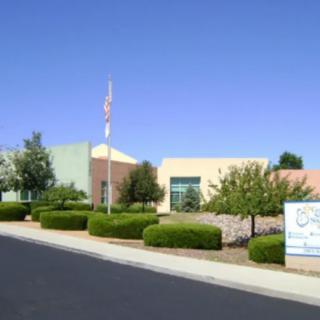




 Powerful Realities of Elder Abuse and the Most Effective Ways to Report It
 Ten Vital Duties of a Senior Caregiver: A Comprehensive Guide
 9 Stimulating Memory Activities for Seniors: Puzzles, Cards, and Much More