
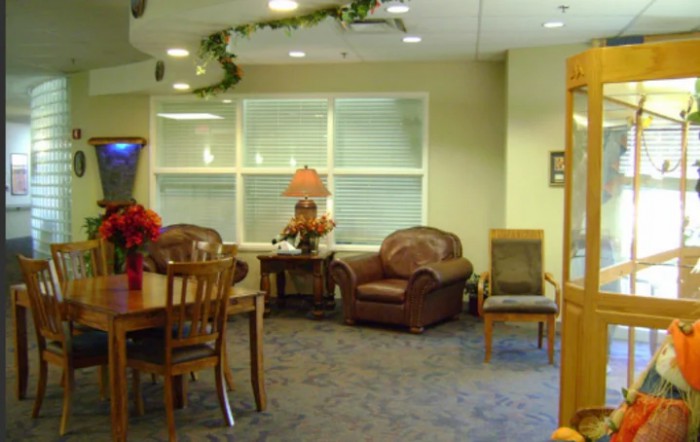

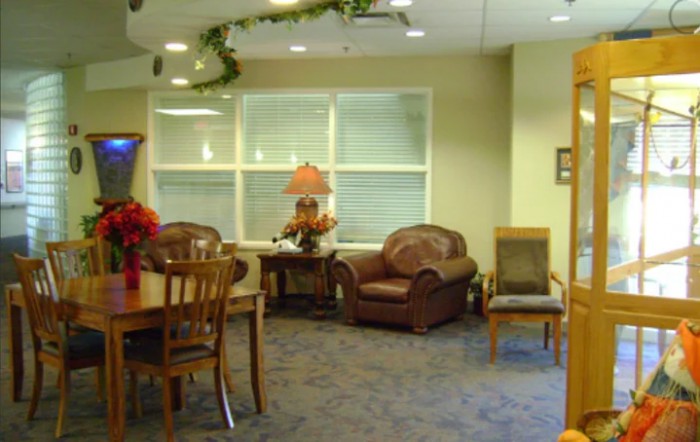
3380 North Windsong Drive, Prescott, AZ 86314
For more information about senior living options: (866) 208-4318
Overall Review of Good Samaritan Society - Prescott Valley
Pros
 The facility is among the cleanest and most efficiently run in the area, according to a mobile x-ray professional who services elder care facilities.
- The reviewer would absolutely have their own mother live there.
- The facility itself is homey and welcoming.
- The staff are amazing and work hard to help residents regain strength.
- The facility is clean, professional, and has a cozy feel.
- The staff are friendly, professional, and consistently upbeat.
- The food is excellent, and the rooms are spotless, with trash emptied daily.
- The location is ideal and near amenities.
Cons
 The quality of care was unbelievably poor.
- A nurse punctured a vancomycin bag, did not inform anyone, and tried to stop the leak with a paperclip, compromising sterility.
- The facility’s rooms and furniture were in poor condition and the floors were filthy, with overflowing bug traps and spiderwebs behind the furniture.
- The staff did not provide paperwork or a tour, pressured the patient to sit and walk when unable, and the patient was released to hospice and died a few days later.
- The guilt felt by the family was unbearable.
- The facility reeked of urine, was run down with holes in the walls, lacked basic amenities like a bedside commode, and pain medication was not given when due.
- The director was rude, and there were instances of poor communication and support.
- The staff were described as awful, with reports of terrible working conditions.
- The center did not return calls, and the care left the patient worse after discharge; reviewers advised not to send family or friends there.
Review
Good Samaritan Society Prescott Valley is best suited for seniors who are approaching recovery after surgery and want ready access to rehabilitation services in a home‑like setting, and for families who are able to be actively involved and advocate when care quality is uneven. The campus routinely presents as a rehab-forward community, with therapy teams on site and an environment that feels comfortable and resident‑oriented. Those who prize a pristine, consistently run environment and flawless medical oversight should look elsewhere. The mixed track record in reviews makes it clear this location works best when a strong rehab plan is in place, families stay engaged, and frank, ongoing communication is maintained.
On the positive side, several reviewers praise the staff’s dedication and the rehab focus. In the strongest cases, CNAs, nurses, and therapists are described as caring, capable, and responsive, with effective teamwork that helped patients regain mobility after surgeries or injuries. The facility is repeatedly commended for cleanliness and a homey feel in certain areas, and dining is often cited as solid and enjoyable. A volunteer confirms the campus as among the cleanest and most well‑run in a large service area. For families seeking a community that prioritizes rehab progress and resident engagement, these strengths can translate into meaningful improvements in function and morale when staffing levels are adequate and the environment supports consistent care.
However, the negative experiences cannot be ignored and form a stark counterpoint. Reports describe episodes of questionable medical practice, including nonsterile handling of IV meds and disputes over pain management, underscoring the risk that oversight or staffing gaps can create safety concerns. Several accounts complain of deteriorating rooms, outdated furnishings, and maintenance issues, with descriptions of dirty environments and fragile or insufficient equipment. Communication gaps recur: unanswered calls, vague or withheld information, and delays in paperwork. A few families allege management behavior that feels dismissive or unresponsive, and some residents report pressure to stay for rehab for Medicare reasons rather than clinical readiness. These patterns can override rehab momentum and erode trust, making the overall experience feel uncertain.
These contrasts create a dual calculus: the strong rehab orientation and engaged staff can offset many practical downsides if the resident is medically stable and the family remains actively involved. When therapy is consistent, routines are clear, and interpersonal interactions remain warm, progress can occur even amid maintenance quirks. Yet when medical oversight appears inconsistent or basic cleanliness and communication falter, gains from therapy may be undermined. The decisive factor becomes whether the care team can be consistently responsive, transparent, and safe. If that trust is doubtful, the experience risks sliding from coordinated post‑acute care into a fragmented, ad hoc arrangement, an important distinction for families managing recovery and ongoing health needs.
Prospective residents should verify several components before choosing. Schedule in‑person visits and observe how staff interact with residents, particularly during mornings and meal times. Request to speak with the Director of Nursing, review recent inspection outcomes, and demand clear explanations of pain management, wound care, and transition planning. Confirm that pain control, med reconciliation, and medication handoffs are timely and properly documented. Inspect rooms for cleanliness, maintenance, and safety features, and assess dining quality in person. Discuss the rehab team’s cadence and how progress is communicated to families. Finally, compare with Windsong Villas and other nearby options to ensure the chosen path aligns with long‑term goals, whether independent living, assisted living, or skilled rehab, that fit the budget and desired level of oversight.
Overall, this facility serves a practical purpose for recovery‑focused seniors who can stay engaged and respond to a rigorous care plan. It is not the best fit for those requiring flawless medical management and pristine conditions, or for families unable to sustain an active oversight role. Alternatives deserve serious consideration if the priority is predictable care quality and transparent operations. For some, the combination of dedicated rehab staff, a generally welcoming environment, and the availability of Windsong independent living represents a viable continuum of care. For others, continued exploration of other facilities remains essential to avoid compromising safety or satisfaction during a critical transition.
 58 resident community capacity
 Assisted Living
 Skilled Nursing Facility
 Air-conditioning
 Beauty salon
 Cable or satellite TV
 Computer center
 Dining room
 Fitness room
 Fully furnished
 Gaming room
 Garden
 Housekeeping services
 Kitchenette
 Move-in coordination
 Outdoor space
 Private bathrooms
 Restaurant-style dining
 Small library
 Telephone
 Wellness center
 Wi-Fi/high-speed internet available
 Community operated transportation
 24-hour call system
 Activities of daily living assistance
 Assistance with bathing
 Assistance with dressing
 Assistance with transfers
 Diabetes diet
 Medication management
 Special dietary restrictions
 Concierge services
 Planned day trips




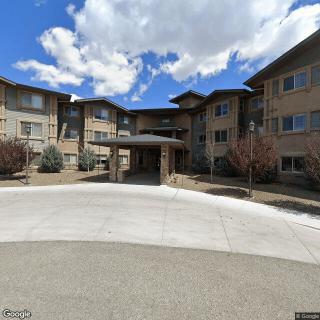


 Assisted Living Expenses and Long-Term Care Insurance: A Comprehensive Exploration
 Securing Financial Support for Assisted Living: A Comprehensive Overview
 Social Security Benefits and Assisted Living: Navigating Options Across the U.S.