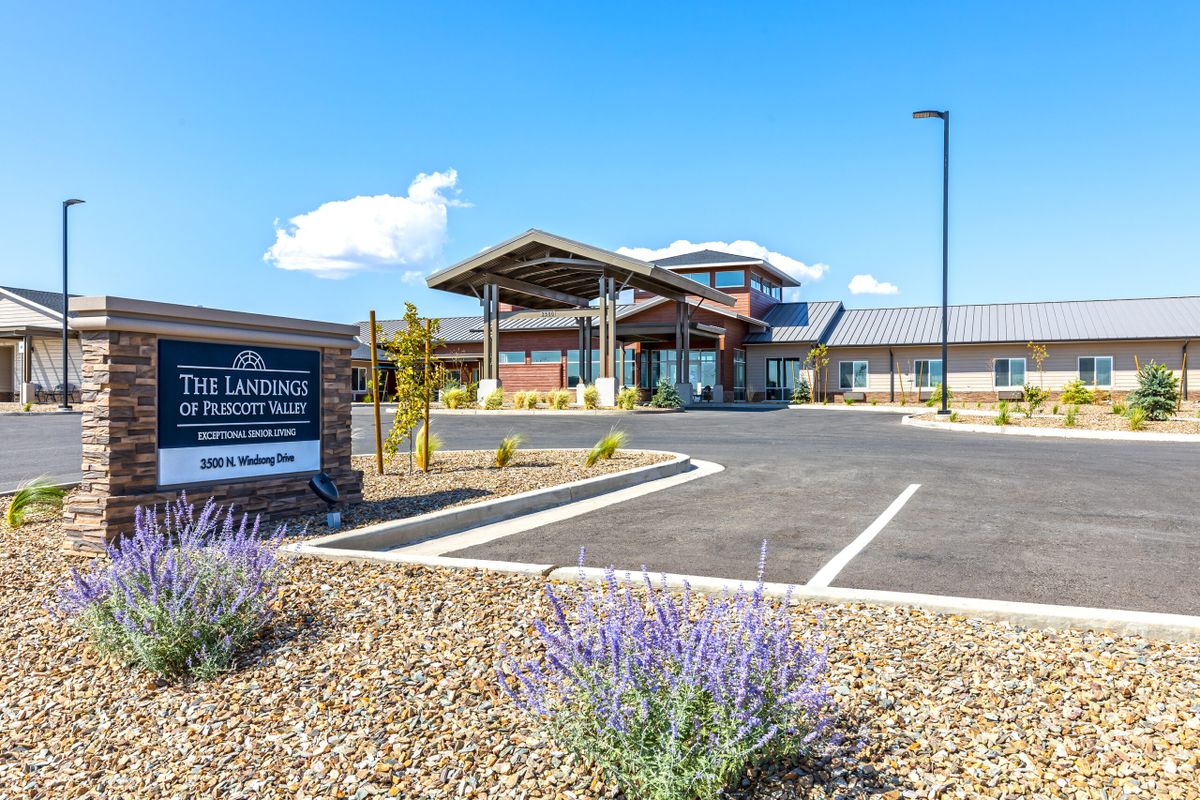
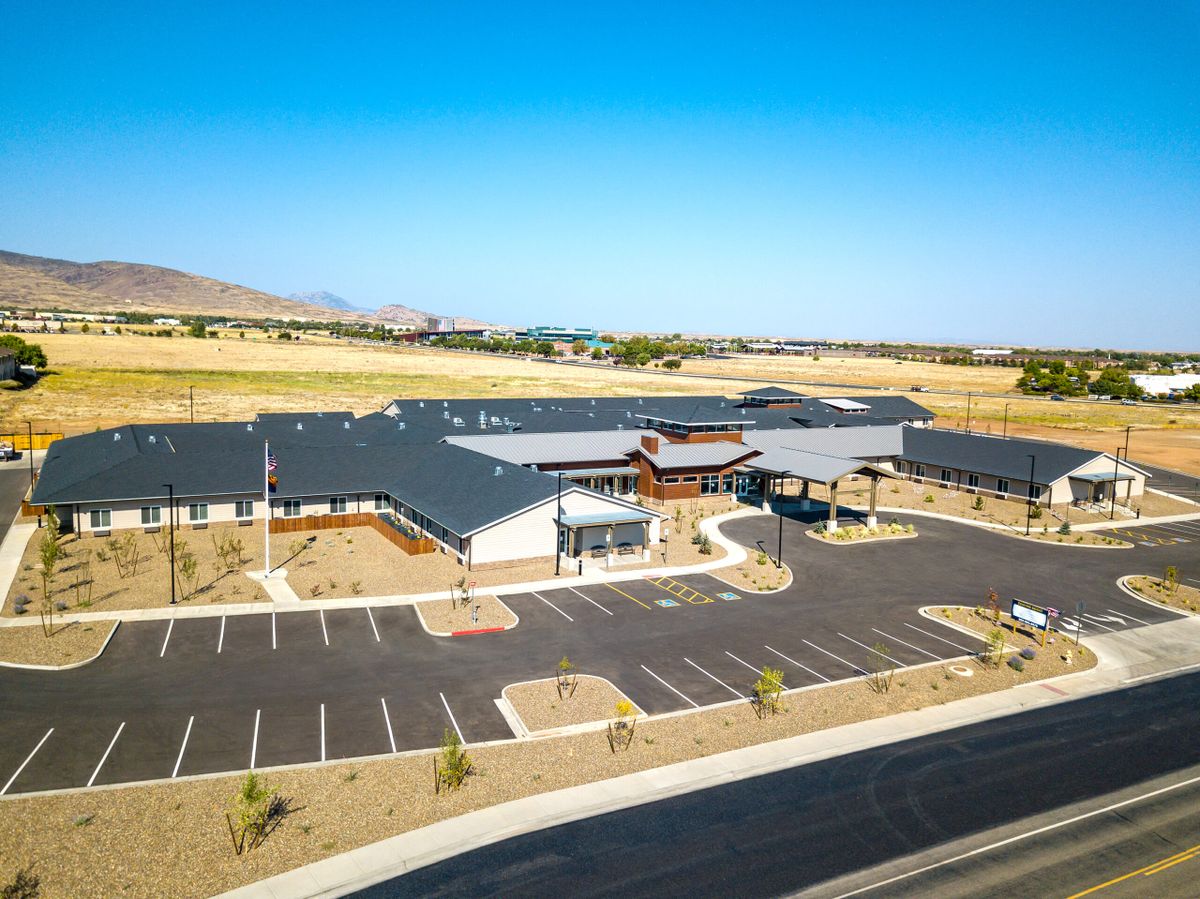
3500 North Windsong Drive, Prescott Valley, AZ 86314
For more information about senior living options: (866) 208-4318
4.2 from 37 reviews
5 stars
29
4 stars
0
3 stars
1
2 stars
0
1 stars
7
Overall Review of The Landings Of Prescott Valley
common26 reviews mention this
Staff compassion and responsiveness
Residents and families repeatedly describe the staff as caring and responsive.
Across many reviews, families say caregivers, nurses, and med techs treat residents well, with patience and personal attention. Several reviewers also mention staff being helpful with day-to-day needs and encouraging residents to stay involved. A few reviews specifically highlight compassion during end-of-life and hospice moments, and others describe staff as kind and respectful during the transition into care.
common8 reviews mention this
Activities and outings keep residents engaged
Residents benefit from frequent activities and encouragement to participate.
Many reviews point to a busy schedule of activities, with families mentioning outings, entertainment, and opportunities for residents to get involved. Some reviewers also describe the community encouraging family members to join in certain activities. In memory care reviews, families say the staff makes sure residents stay involved in daily activities and adapts well as needs change.
common5 reviews mention this
Food quality and meal support
Families often praise the quality of meals and meal accommodations.
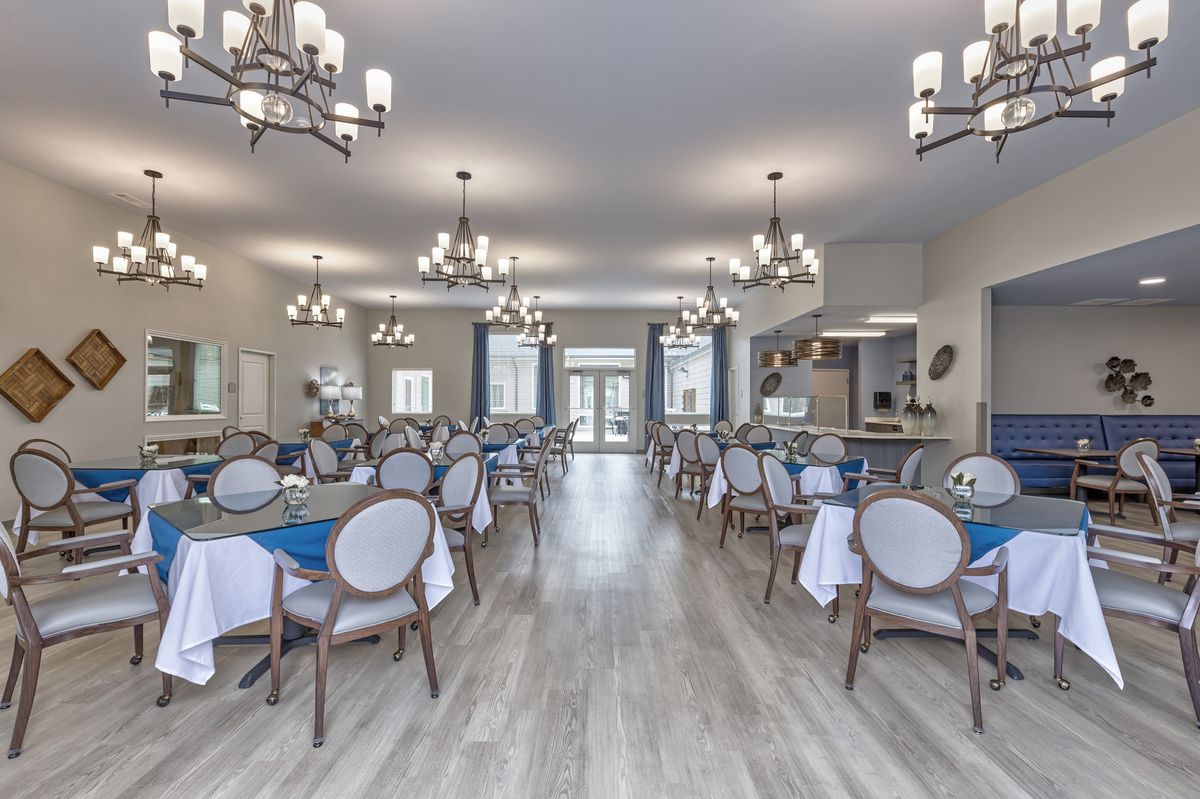
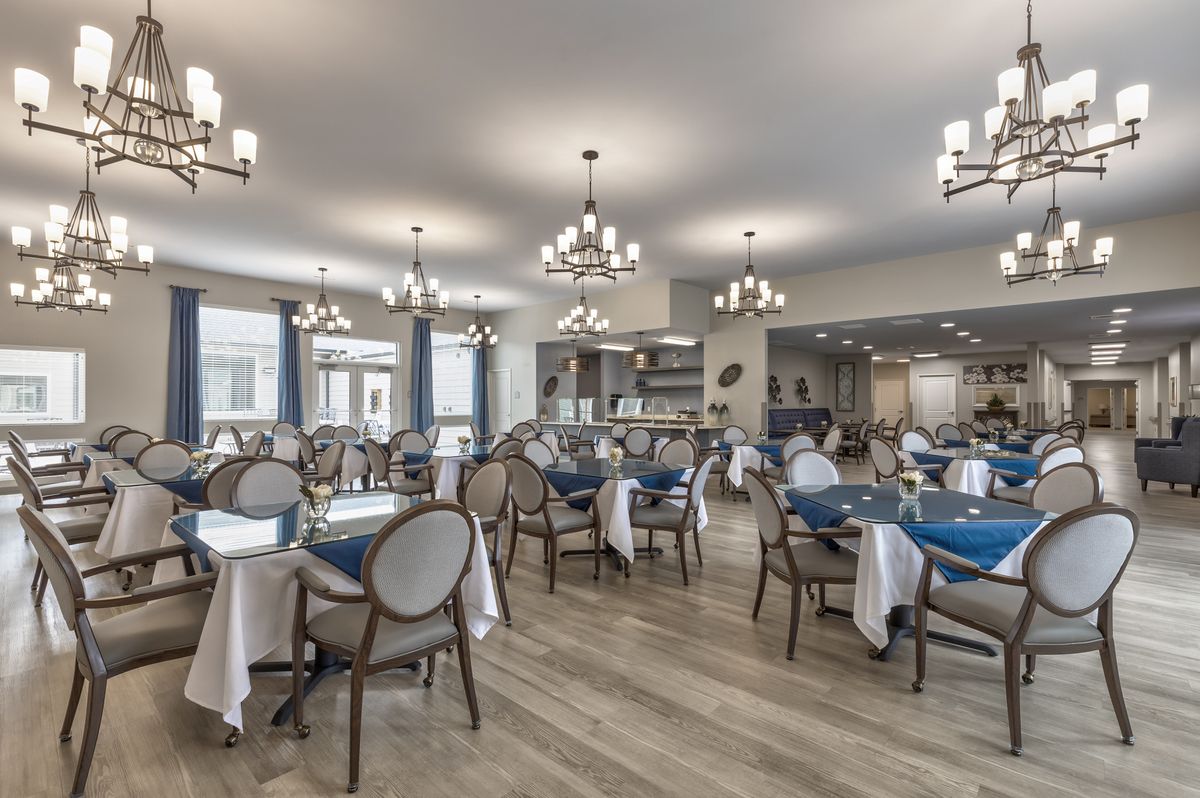
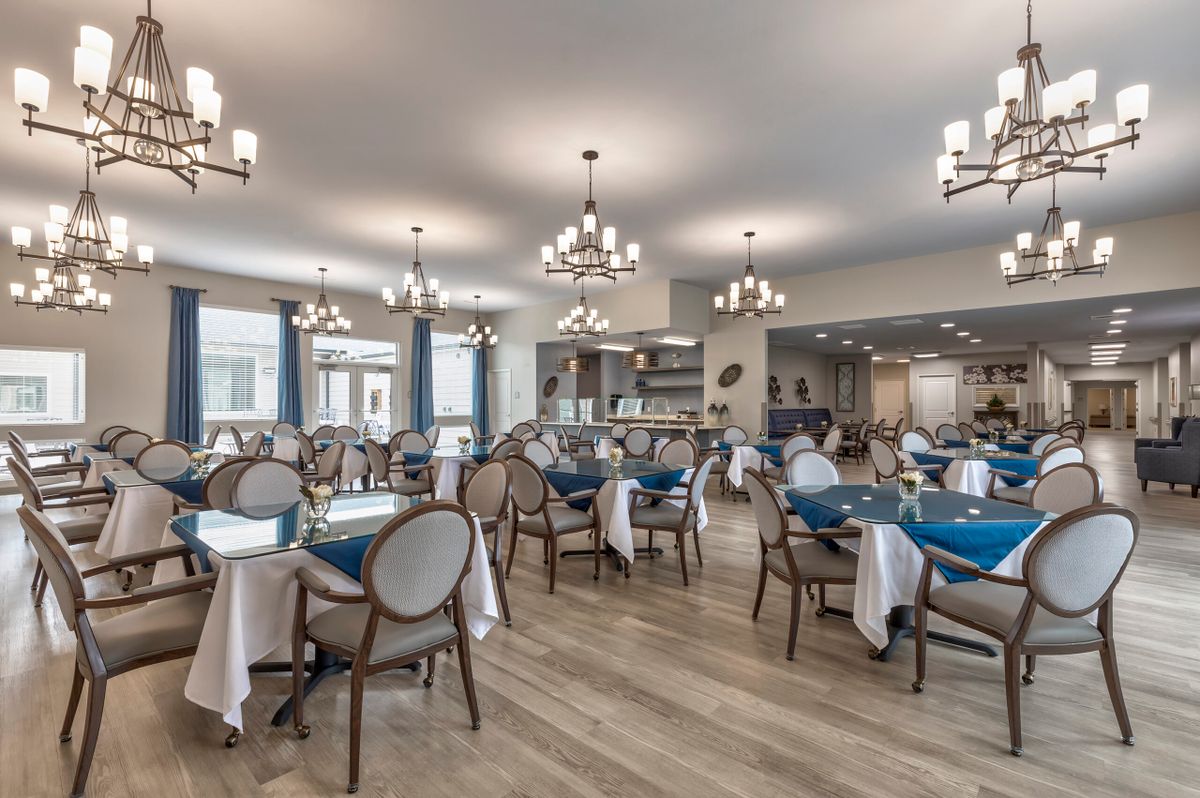
Several residents and families mention that the food is good, including comments that meals are nutritious and supportive for residents who need extra help. One review also highlights the staff accommodating meal preferences promptly. Dining is also mentioned alongside other day-to-day experiences, reinforcing that food plays a noticeable role in the overall care experience.
differentiator4 reviews mention this
Memory care support with structure
Memory care residents are described as adapting to a structured daily routine.
In positive memory care reviews, families say residents adapt well and are supported with engaging daily activities and attentive, patient caregiving. Reviews about memory care also acknowledge problems, with some families reporting serious breakdowns in care and supervision. Taken together, residents and families describe the memory care experience as a place where daily support matters, but quality can vary from one situation to another.
caveat6 reviews mention this
Care gaps and medication concerns
Some reviewers report serious lapses in supervision and medication handling.
A recurring concern in negative reviews is medication mishandling, including missed or mismanaged doses. Several families also describe supervision issues tied to call button response, along with accounts of residents not being fed, dressed, or cared for promptly. There are also allegations of dehydration and neglect-related declines, including concerns raised even when families expected round-the-clock attention.
How we summarize
Counts show how many written reviews mention each theme; a review can touch several themes, and only frequently mentioned themes are displayed.
Features
Housing
125 resident community capacity
Types of Care
Assisted Living
Memory Care
Amenities
Air-conditioning
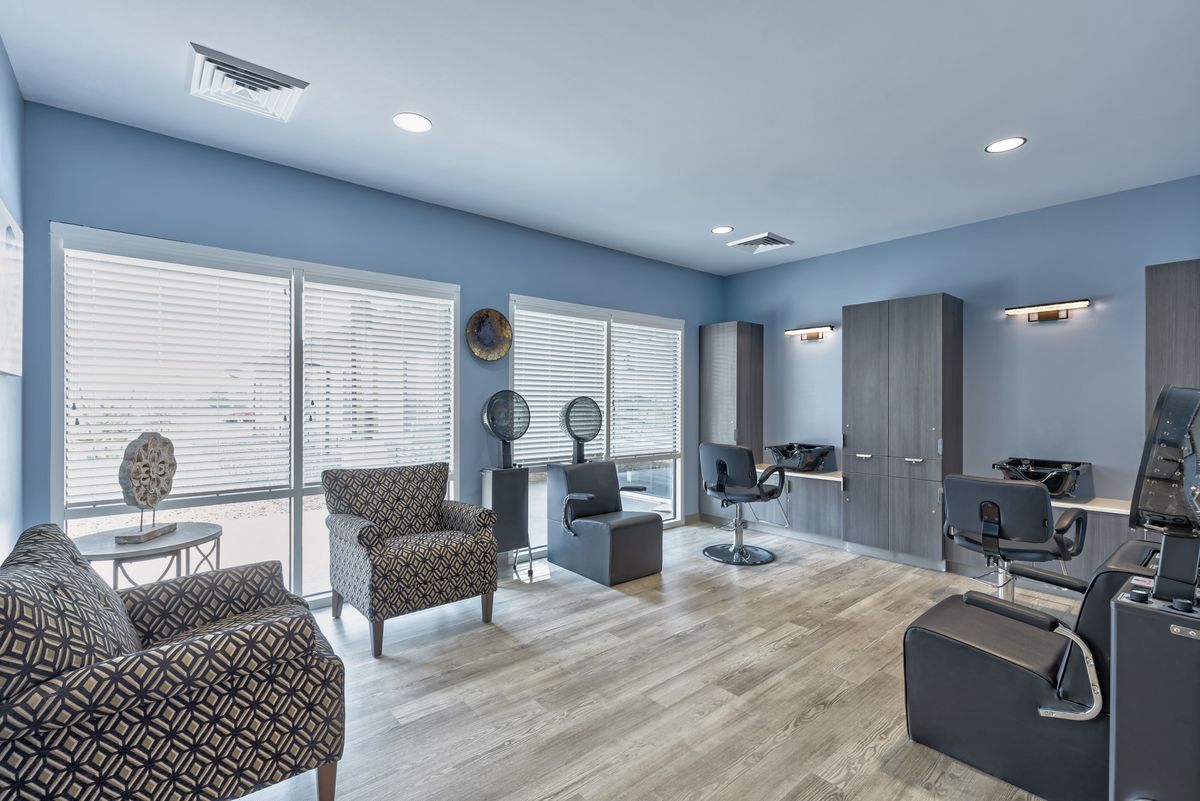
Beauty salon
Cable or satellite TV
Computer center
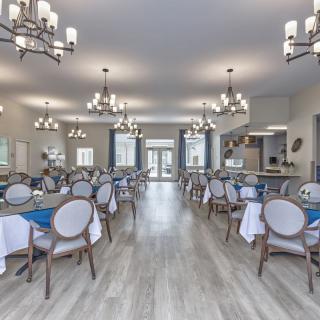
Dining room
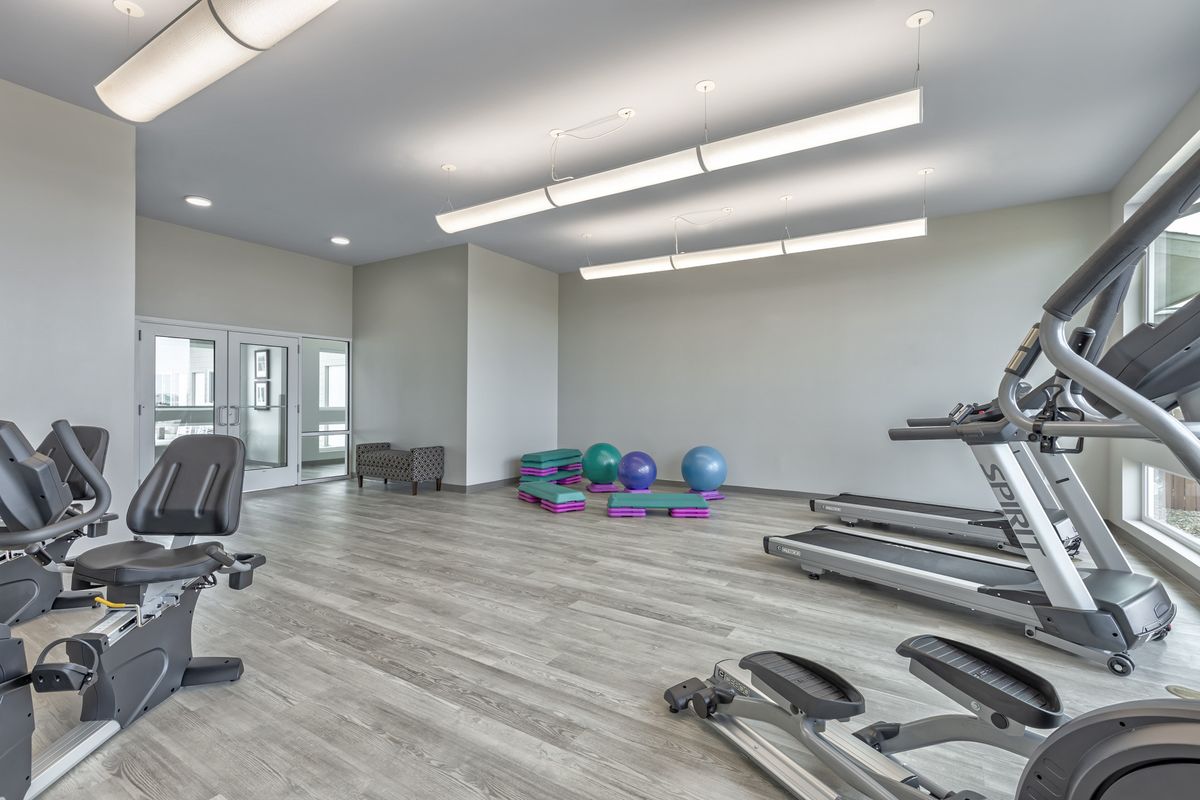
Fitness room
Fully furnished
Gaming room
Garden
Housekeeping services
Kitchenette
Move-in coordination
Outdoor space
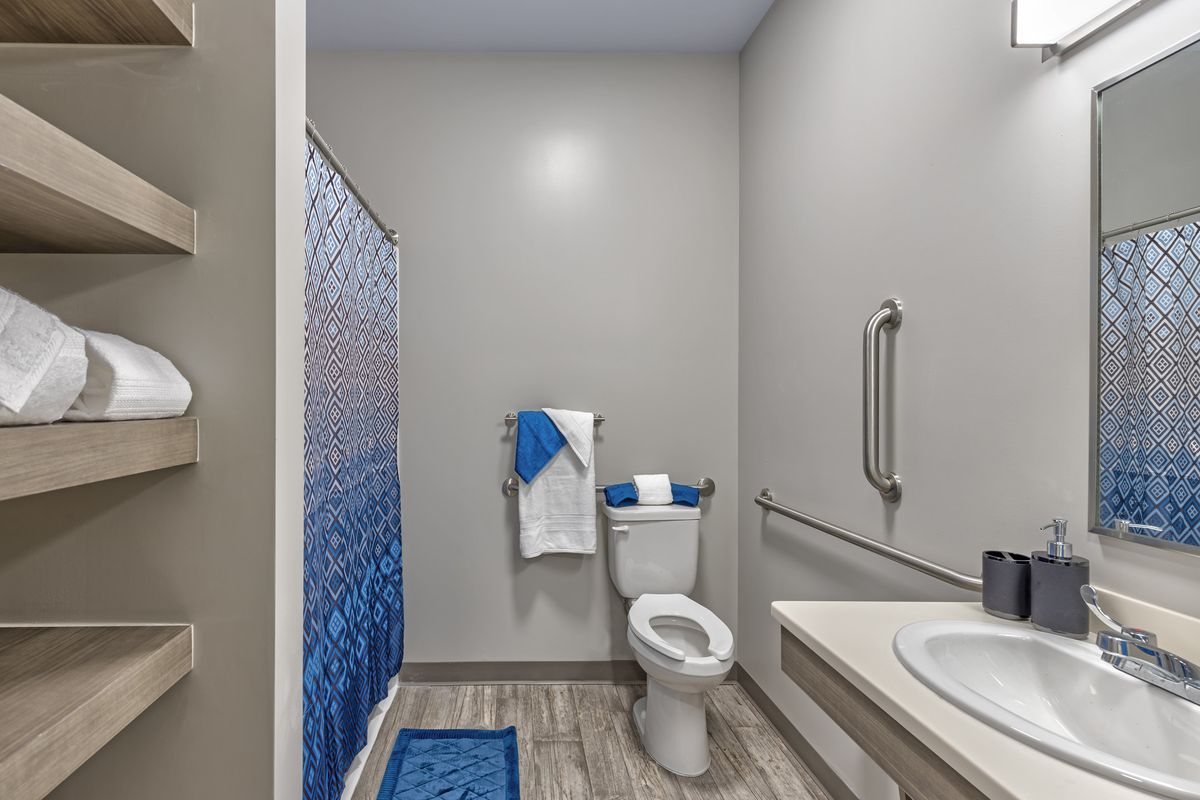
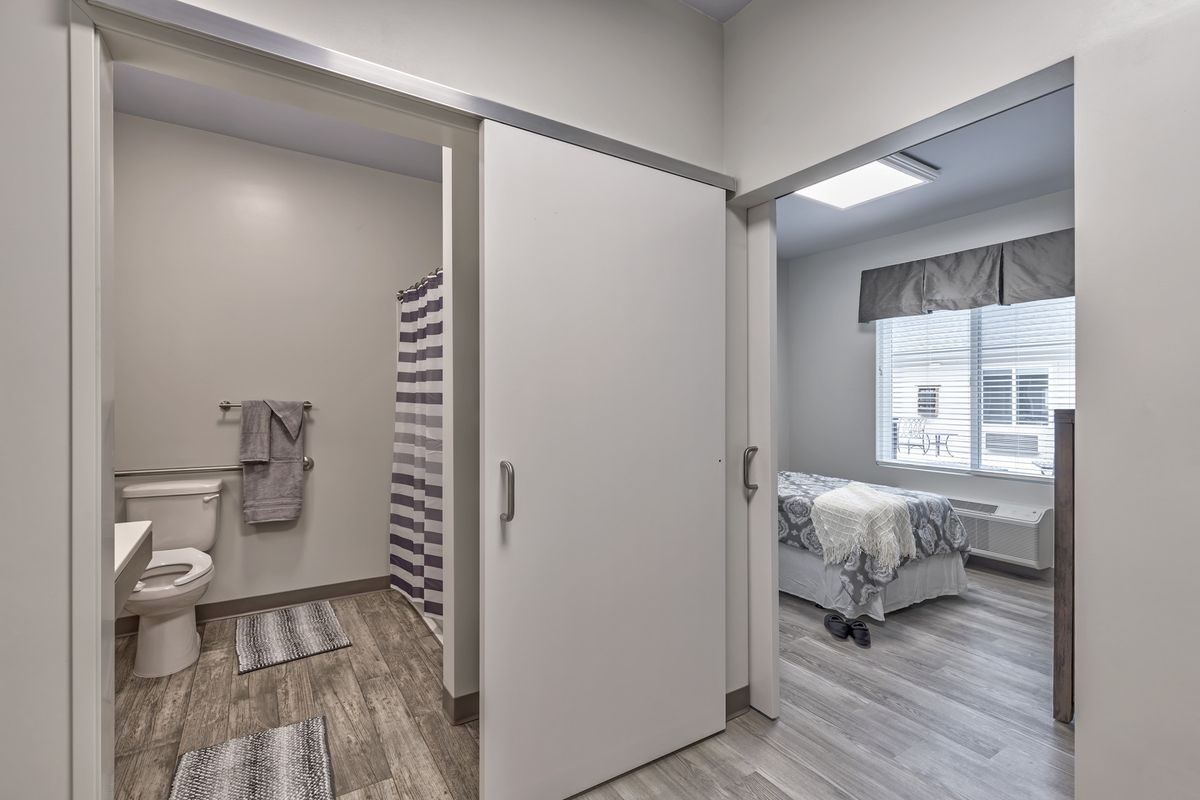
Private bathrooms
Restaurant-style dining
Small library
Telephone
Wellness center
Wi-Fi/high-speed internet available
Transportation
Community operated transportation
Transportation arrangement
Transportation arrangement (non-medical)
Care Services
12-16 hour nursing
24-hour call system
24-hour supervision
Activities of daily living assistance
Assistance with bathing
Assistance with dressing
Assistance with transfers
Coordination with health care providers
Diabetes diet
Meal preparation and service
Medication management
Mental wellness program
Mild cognitive impairment
Special dietary restrictions
Specialized memory care programming
Transportation arrangement (medical)
Transportation to doctors appointments
Dining
Diabetes diet
Special dietary restrictions
Activities
Community-sponsored activities
Concierge services
Fitness programs
Planned day trips
Resident-run activities
Scheduled daily activities
Videos
Nearby Places of Interest
Pharmacies
Genoa-QOL Healthcare Co. (0.1 miles)
Safeway Pharmacy (0.4 miles)
CVS Pharmacy (0.5 miles)
Fry's Pharmacy (0.9 miles)
Walgreens (1 miles)
Niemann and Associates (1.7 miles)
Yavapai Herbal Services (1.8 miles)
Physicians
Richard A Cirelli, MD (0.2 miles)
Sleep Disorders Center-Prescott (0.2 miles)
Dr Moyer's Office (0.2 miles)
Mark Davis (0.2 miles)
Northern Arizona Orthopaedics (0.2 miles)
Yrmc Physiciancare Cardiology (0.3 miles)
Northern Arizona Orthopaedics - Prescott Valley (0.3 miles)
Hospitals
Yavapai Regional Medical Center (0.2 miles)
Pronghorn Psychiatry (2.1 miles)
Tri City Surgery Center (6.1 miles)
Persyst Development (7.6 miles)
Restaurants
Lonesome Valley Brewing (0.4 miles)
Burger King (0.5 miles)
Taco Bell (0.5 miles)
Arby's (0.5 miles)
Maya's Mercado (0.6 miles)
Olivas' Mexican Food (0.6 miles)
McDonald's (0.7 miles)
Cafes
Starbucks (0.7 miles)
Dutch Bros Coffee (2.2 miles)
Panera Bread (5.7 miles)
Starbucks (6.8 miles)
Starbucks (7.5 miles)
Parks
Mountain Valley Park (0.8 miles)
Granville Community Dog Park (2 miles)
Yavapai County Fairgrounds (5.2 miles)
Theaters
Harkins Theatres Prescott Valley 14 (0.8 miles)
Picture Show (7 miles)
Places of Worship
Temple B'rith Shalom (5.7 miles)
Heights Church (6.1 miles)
Transportation
Canyon Country Taxidermy (6.2 miles)
U-Haul Moving & Storage (6.4 miles)
Mile High Avionics (6.6 miles)
Prescott Ernest A. Love Field - Terminal (6.9 miles)
The Landings Of Prescott Valley offers a comprehensive suite of features designed to support residents with dementia and Alzheimer's disease, enhancing their quality of life and promoting independence. Assistance with dressing, bathing, and transfers ensures that residents can maintain personal hygiene and dignity while receiving the help they need. Medication management is critical for health maintenance, preventing medication errors that can arise from cognitive decline. Meal preparation and service focus on nutritional requirements tailored to individual dietary needs, promoting overall well-being. Transportation arrangements for medical appointments facilitate access to necessary healthcare services, while coordination with healthcare providers ensures a cohesive approach to each resident's care plan. Activities of daily living assistance helps residents engage meaningfully in everyday tasks, fostering a sense of accomplishment. The 24-hour supervision provides safety and security, allowing family members peace of mind. Additionally, specialized memory care programming and mental wellness initiatives cater specifically to cognitive impairments, helping residents stimulate their minds through targeted activities while also addressing emotional health needs related to memory loss.
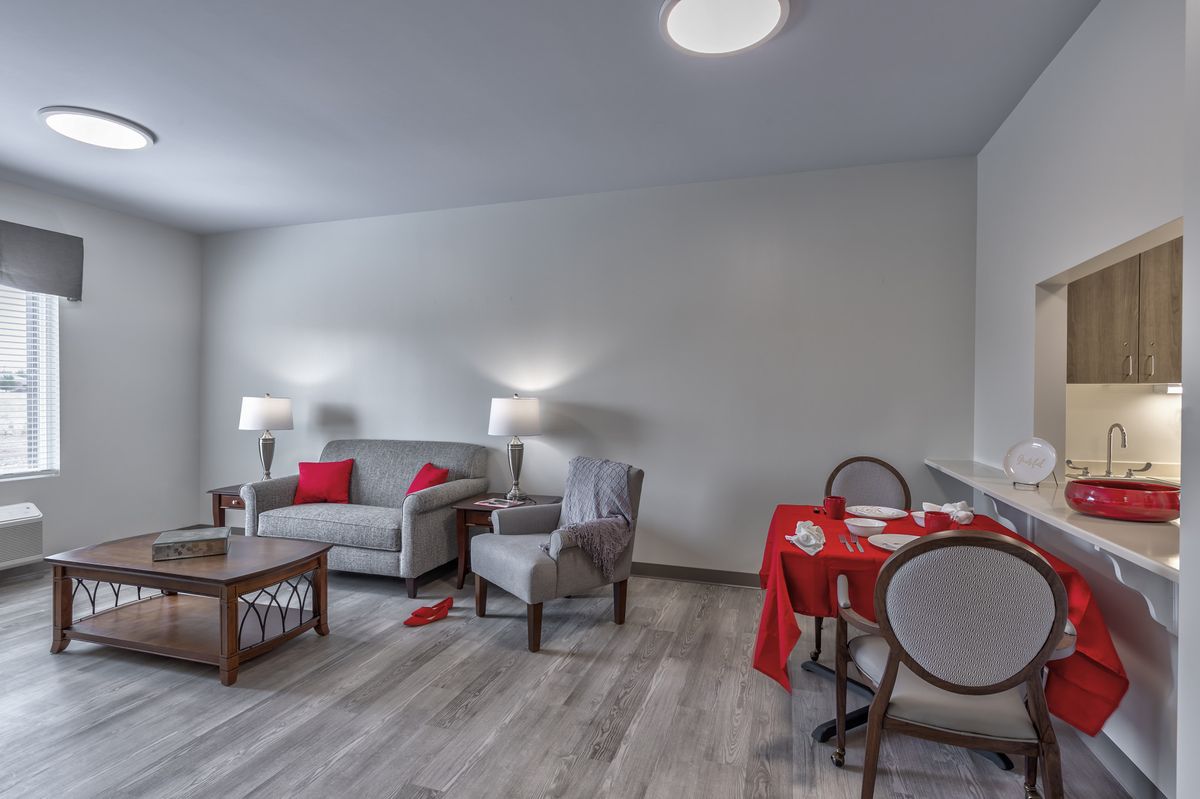
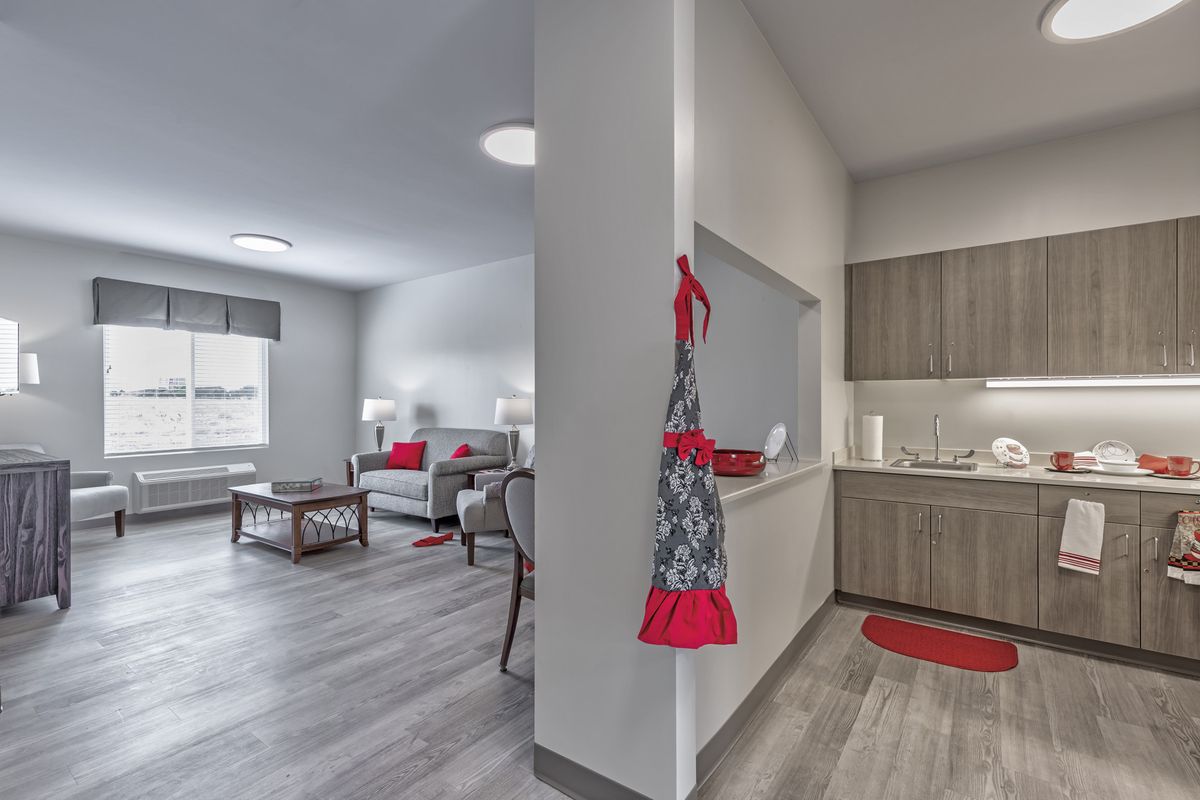
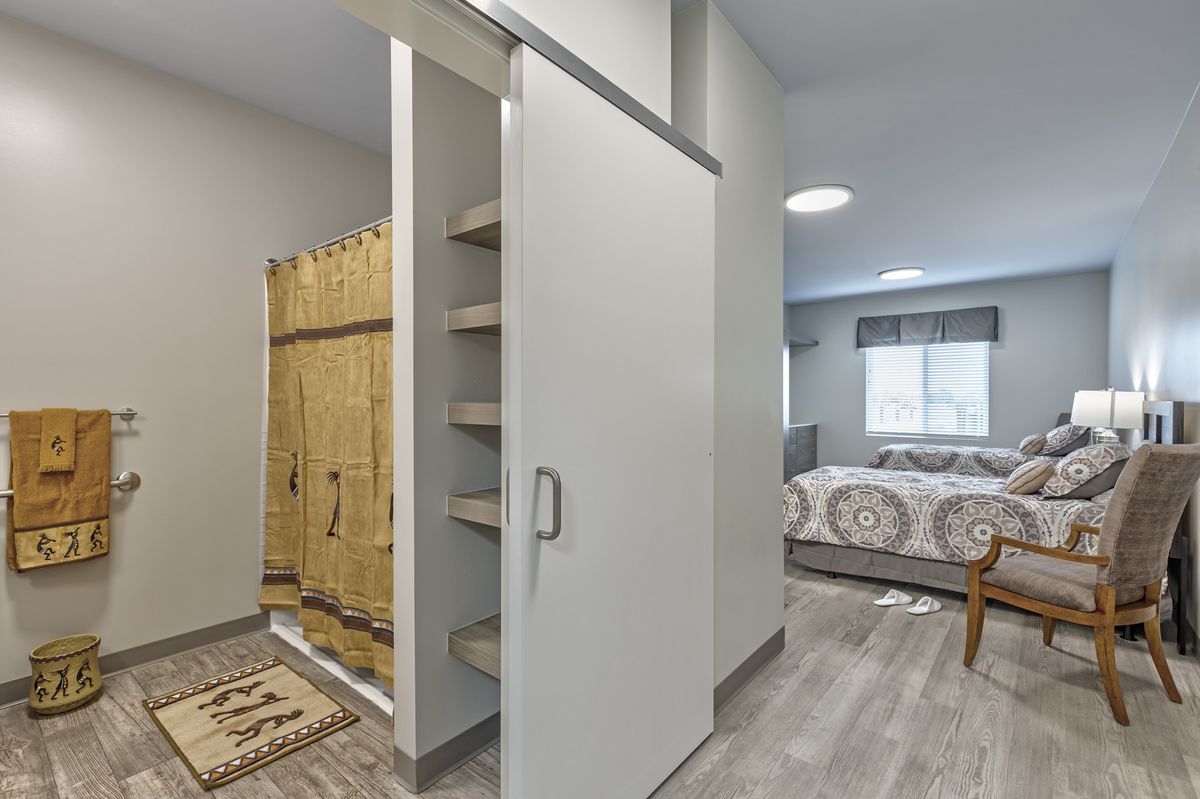
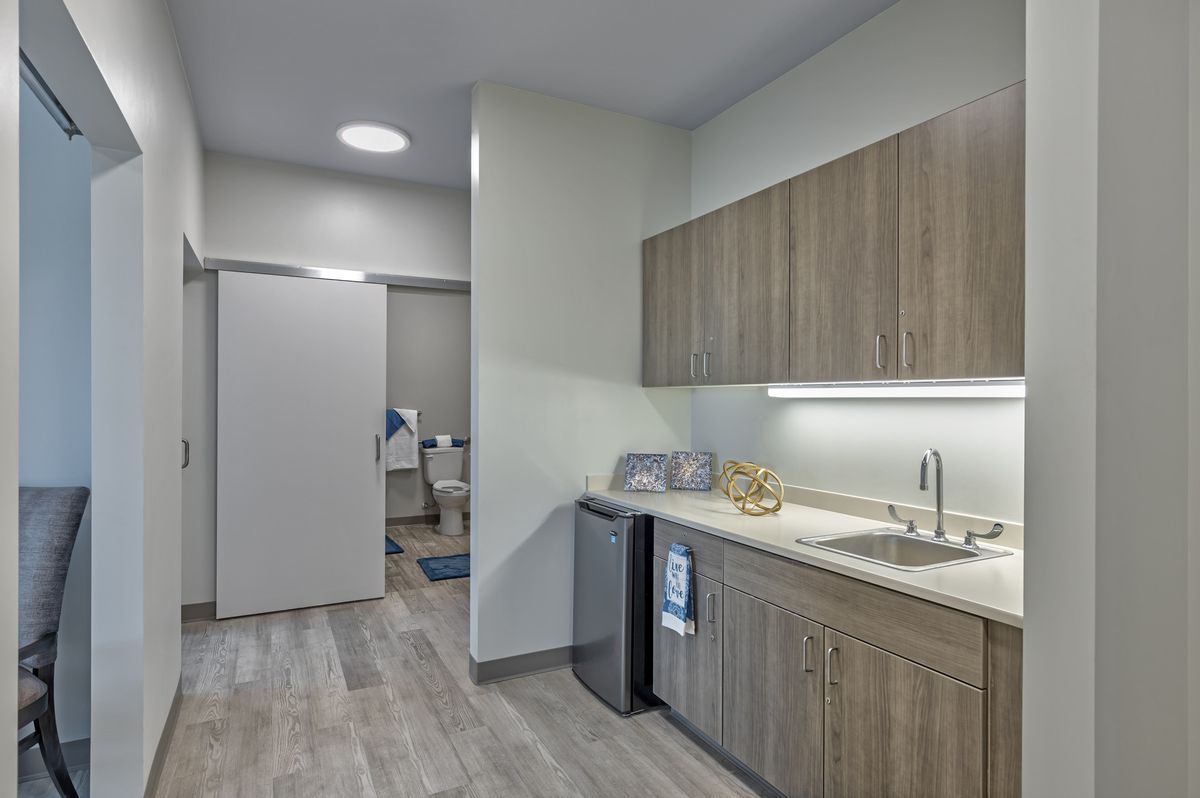
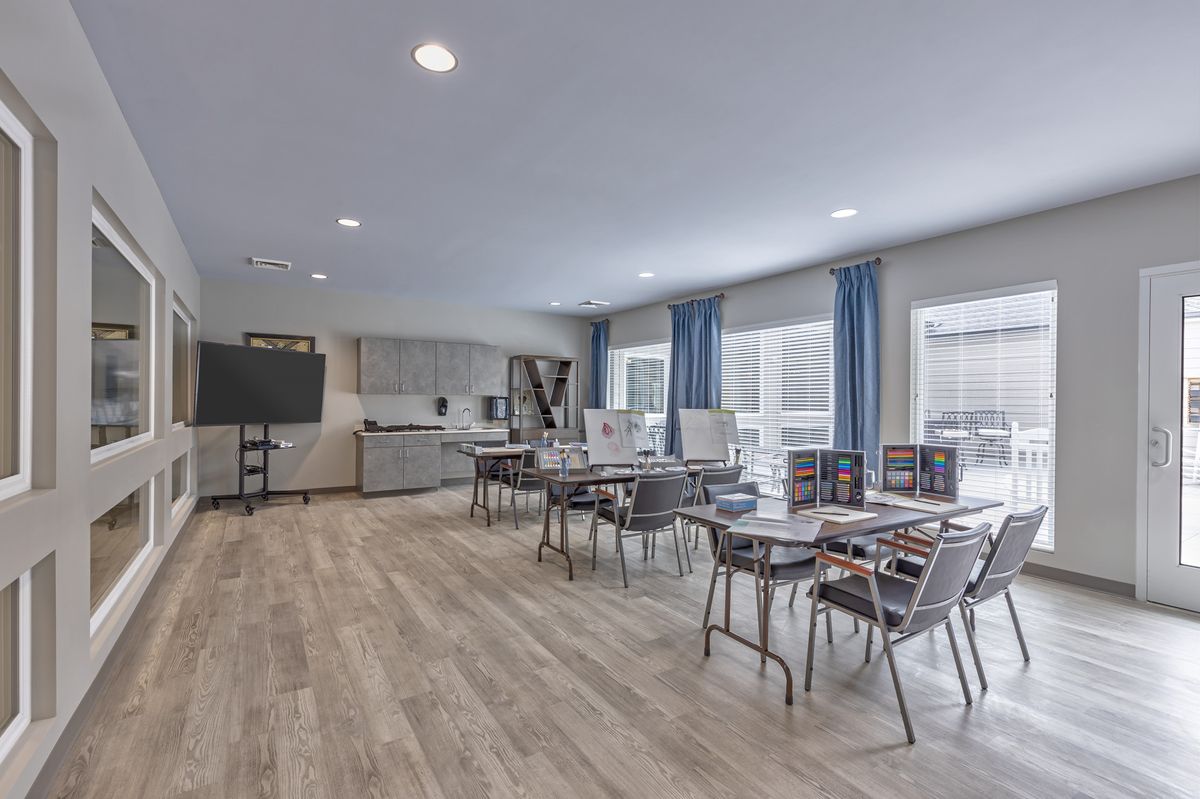
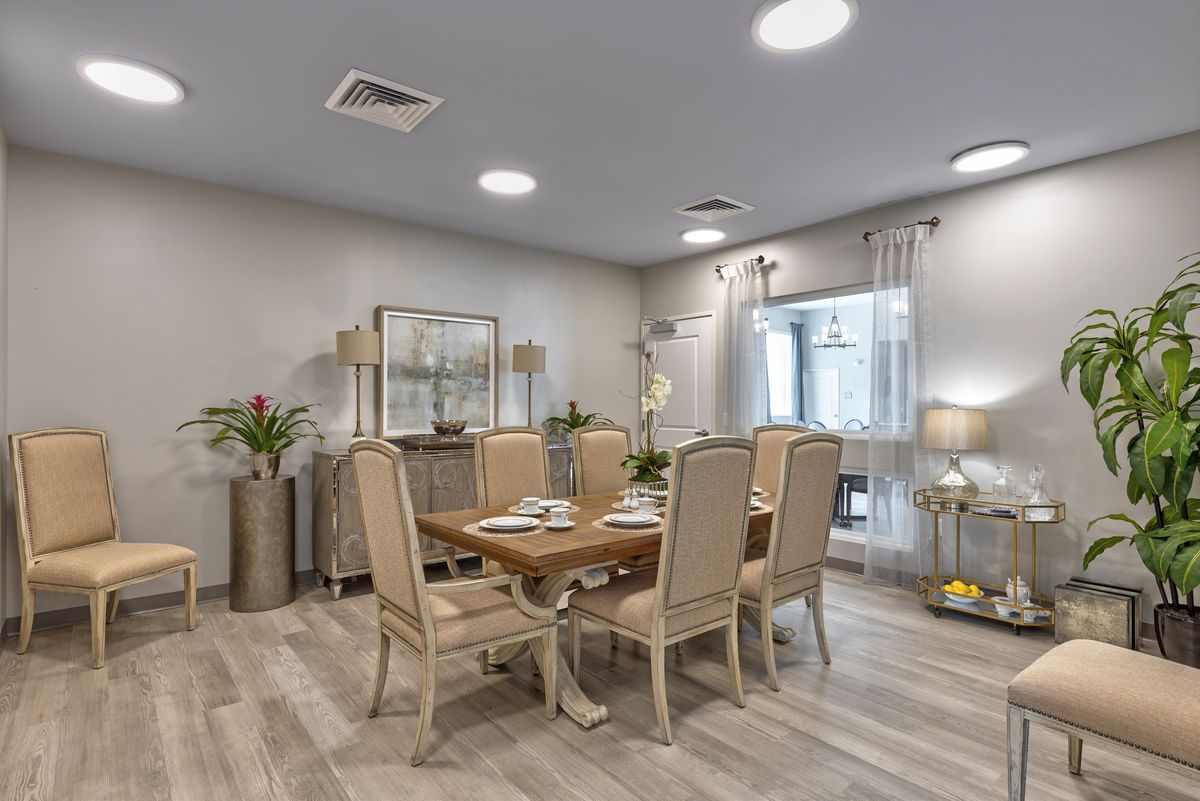
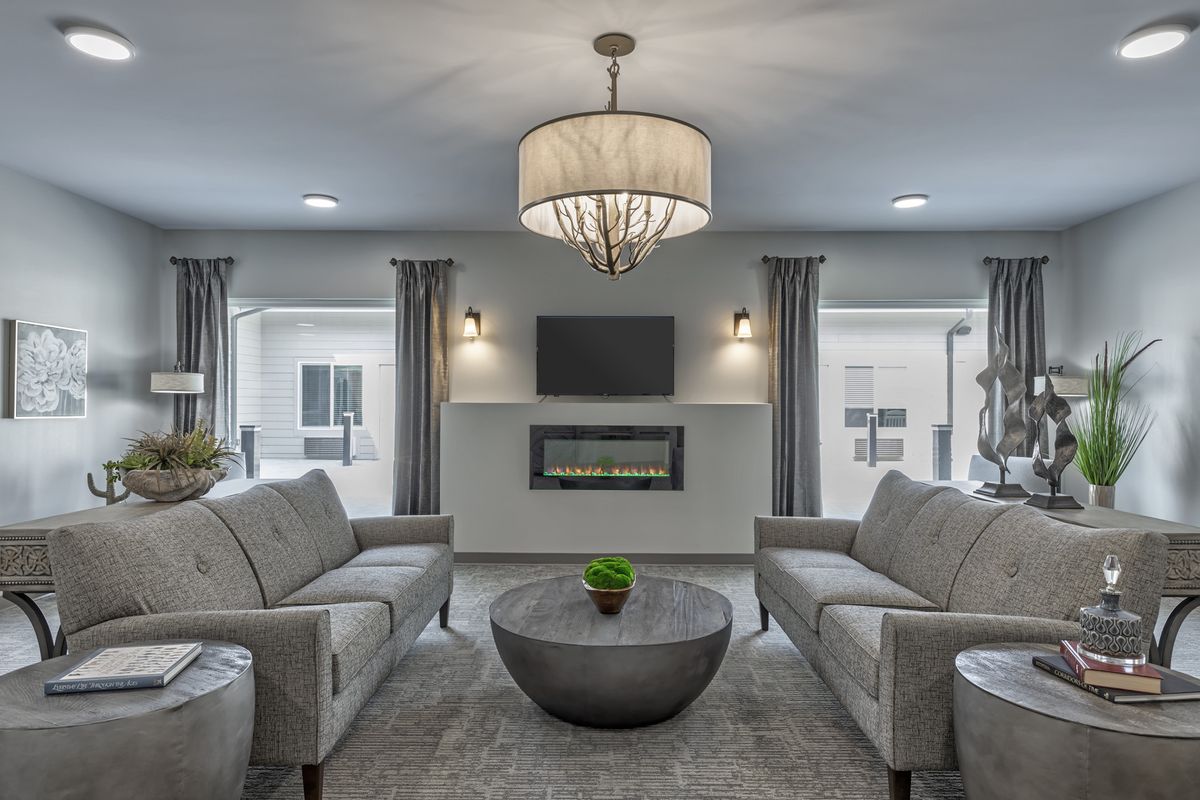
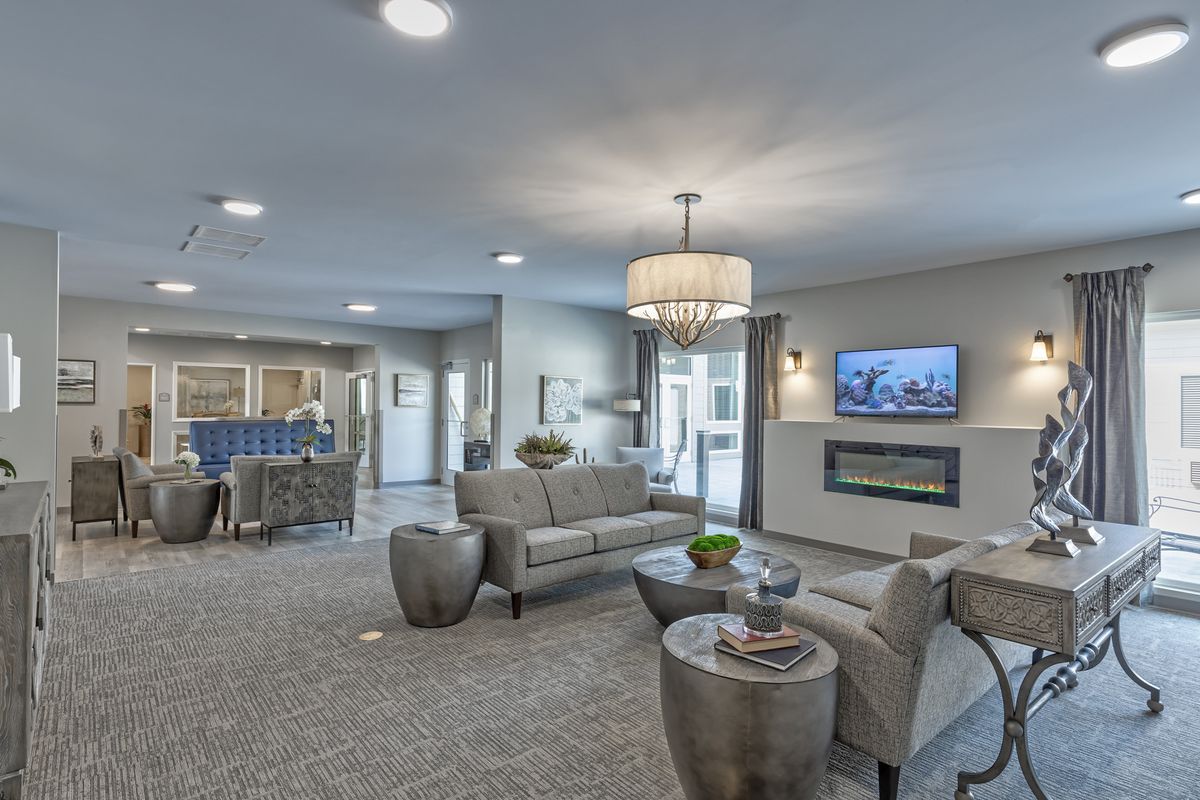
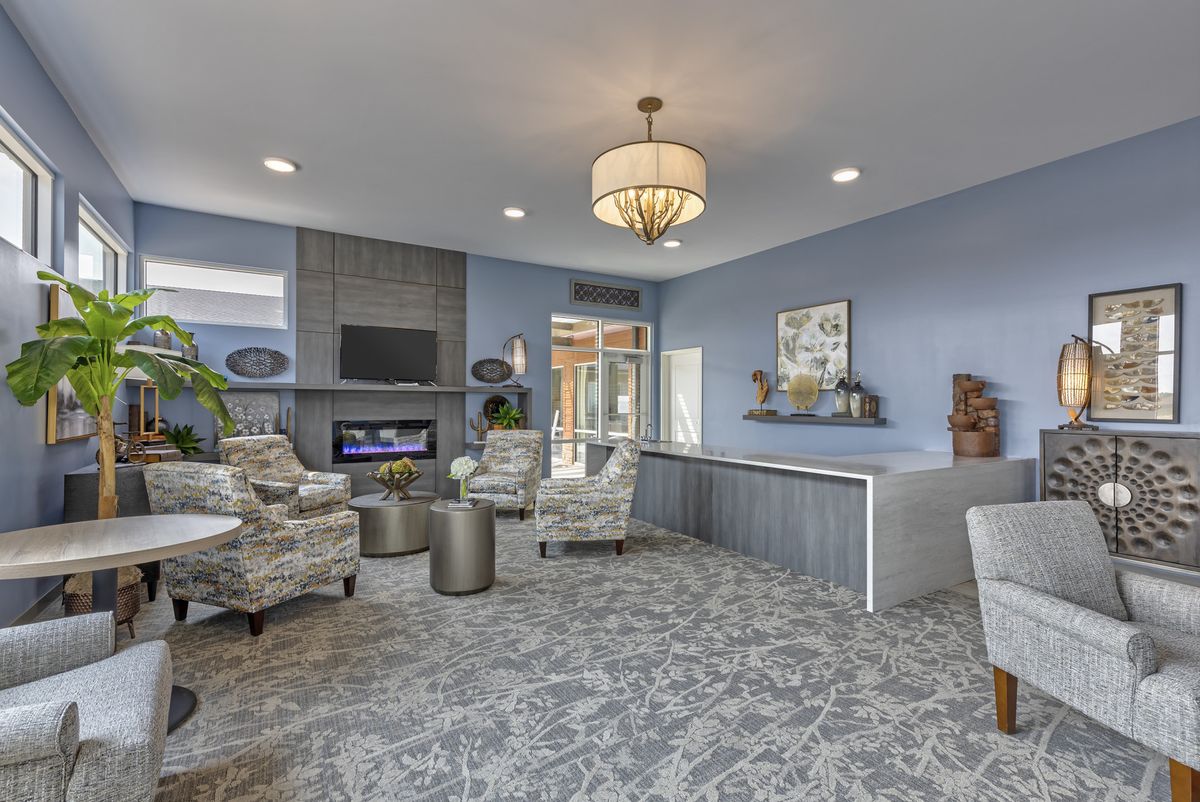
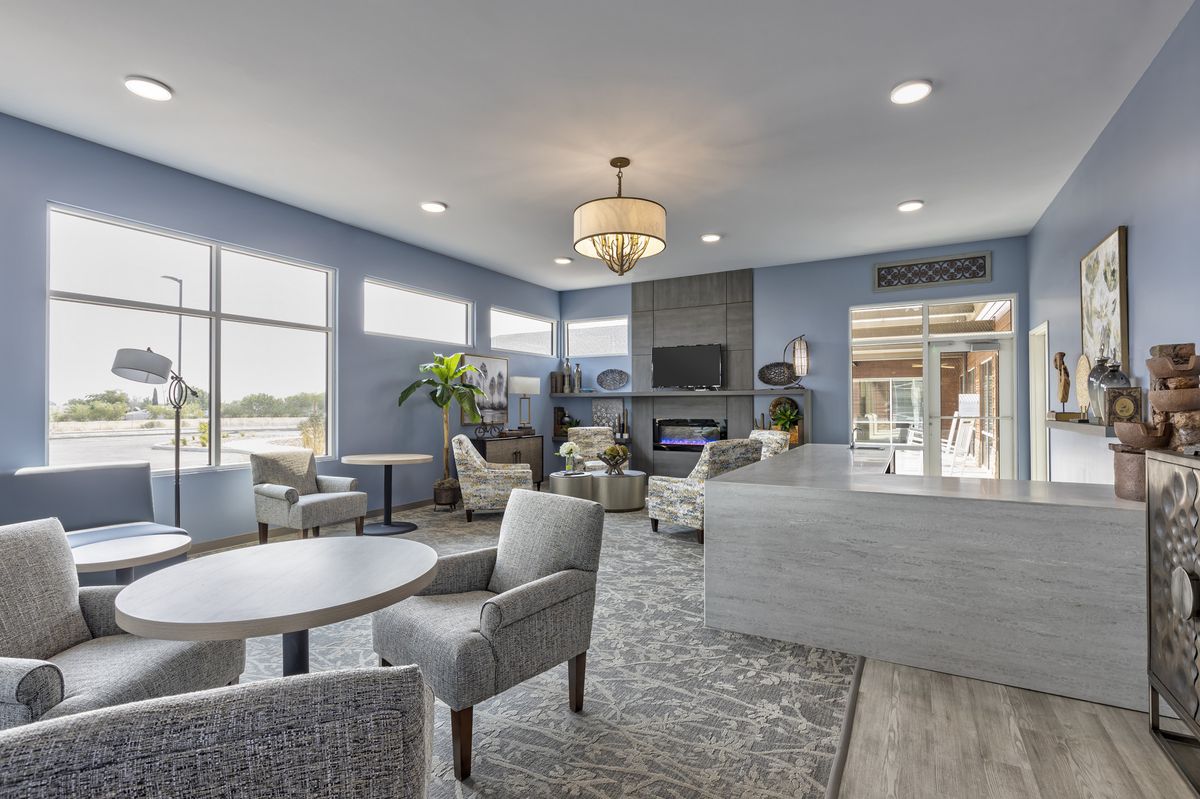
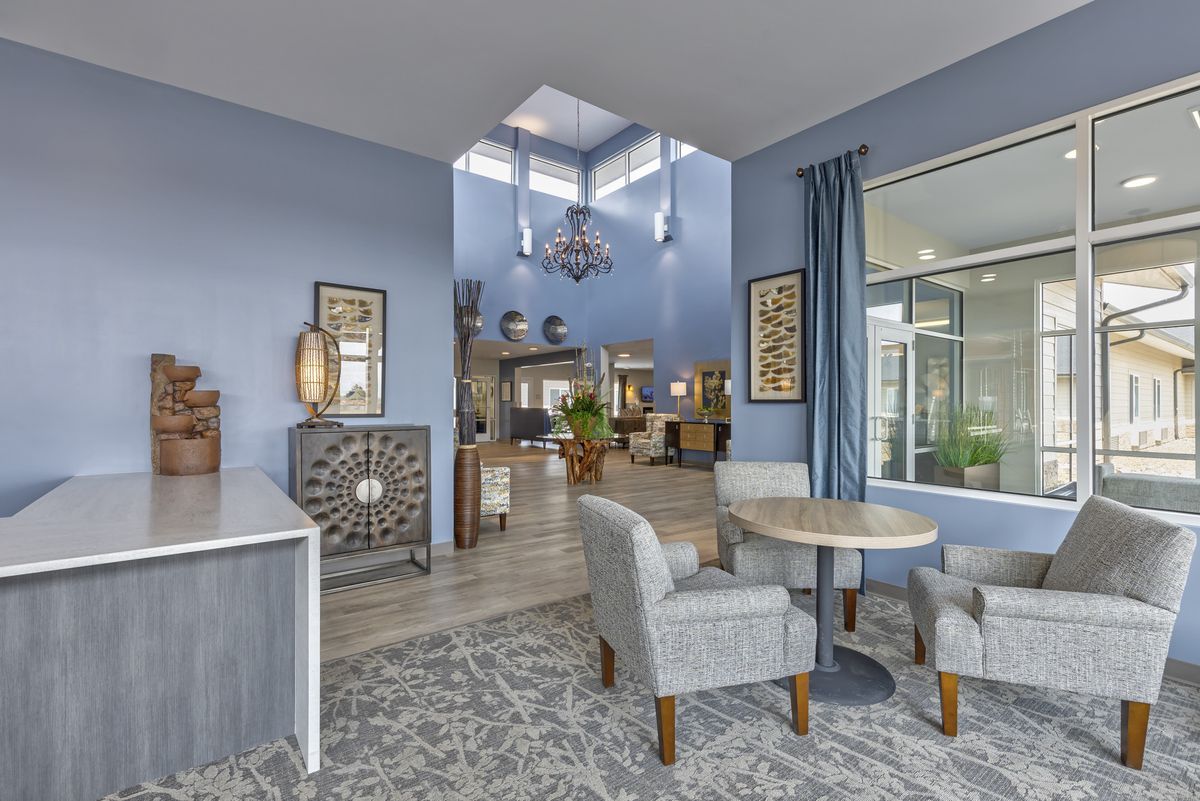
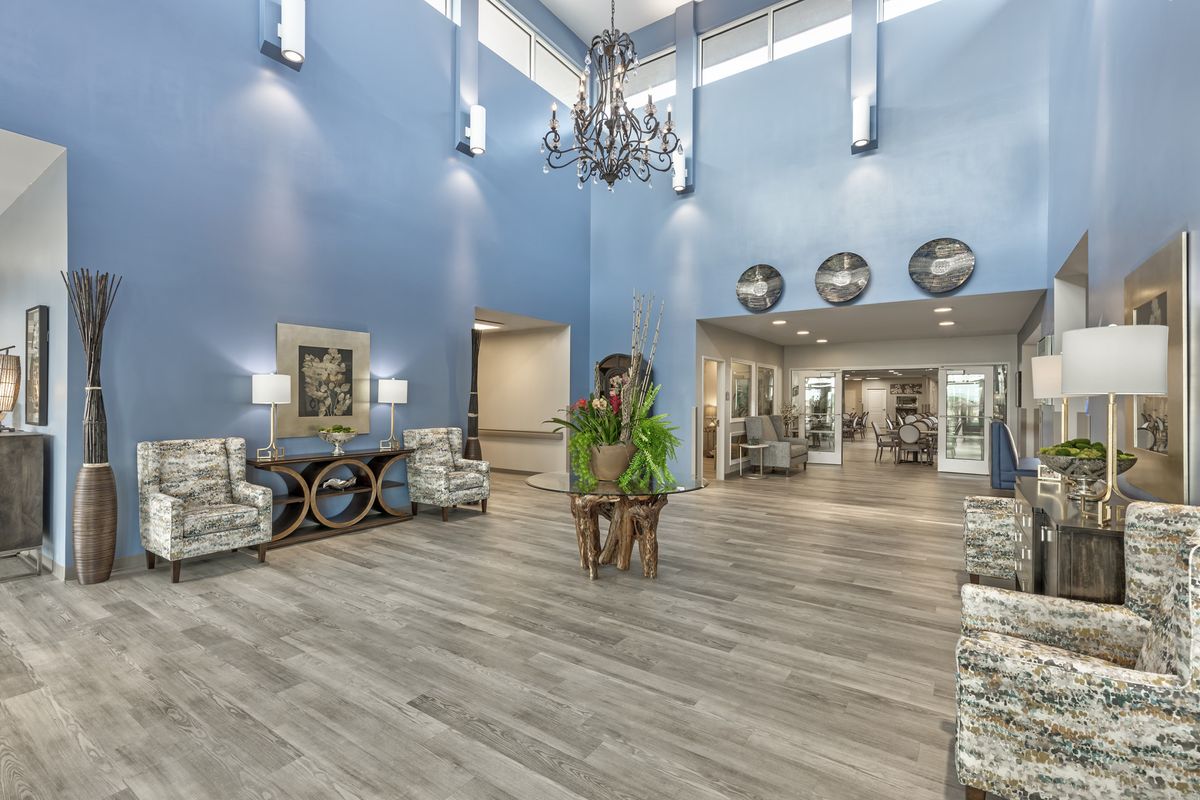
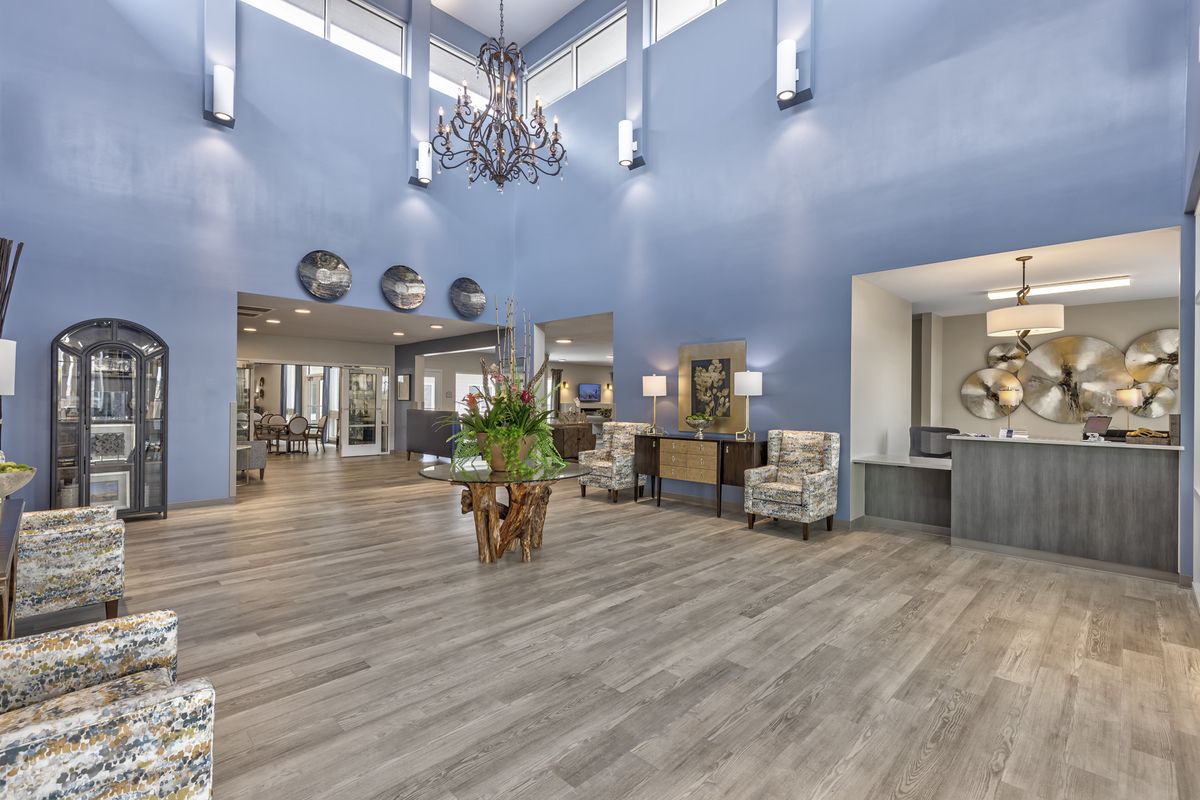
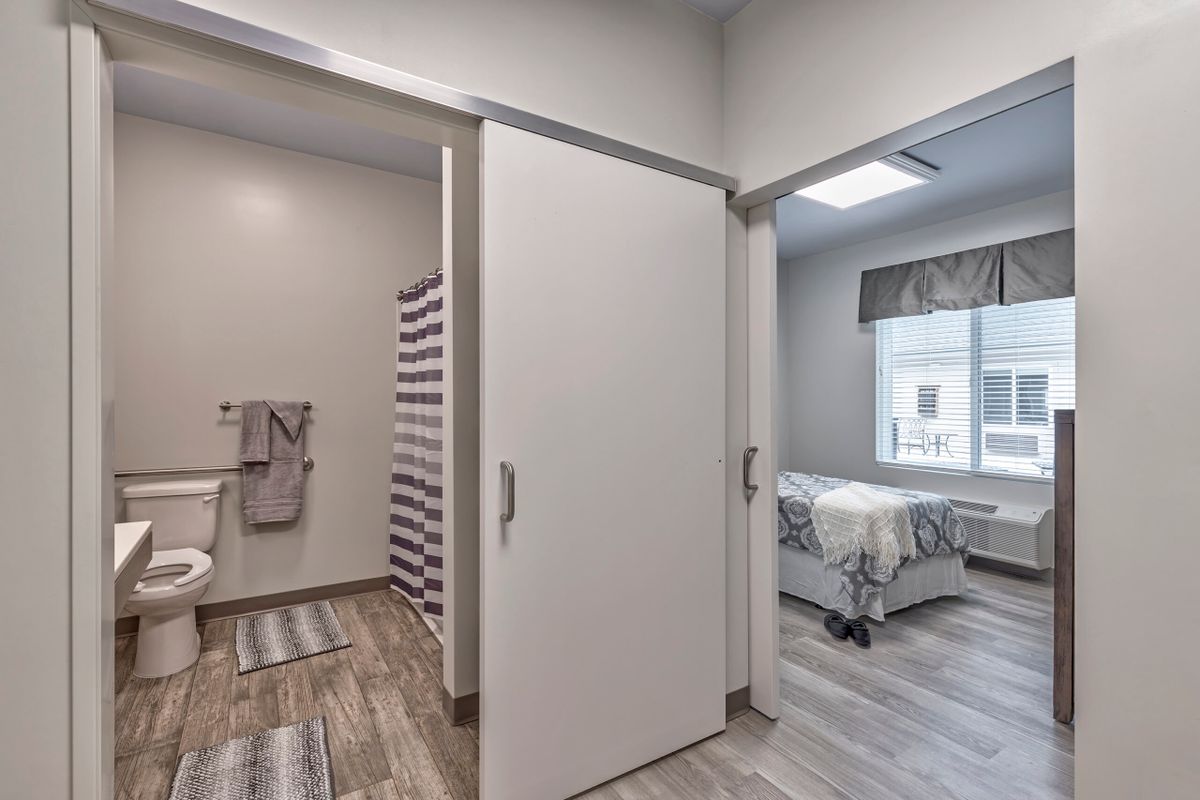
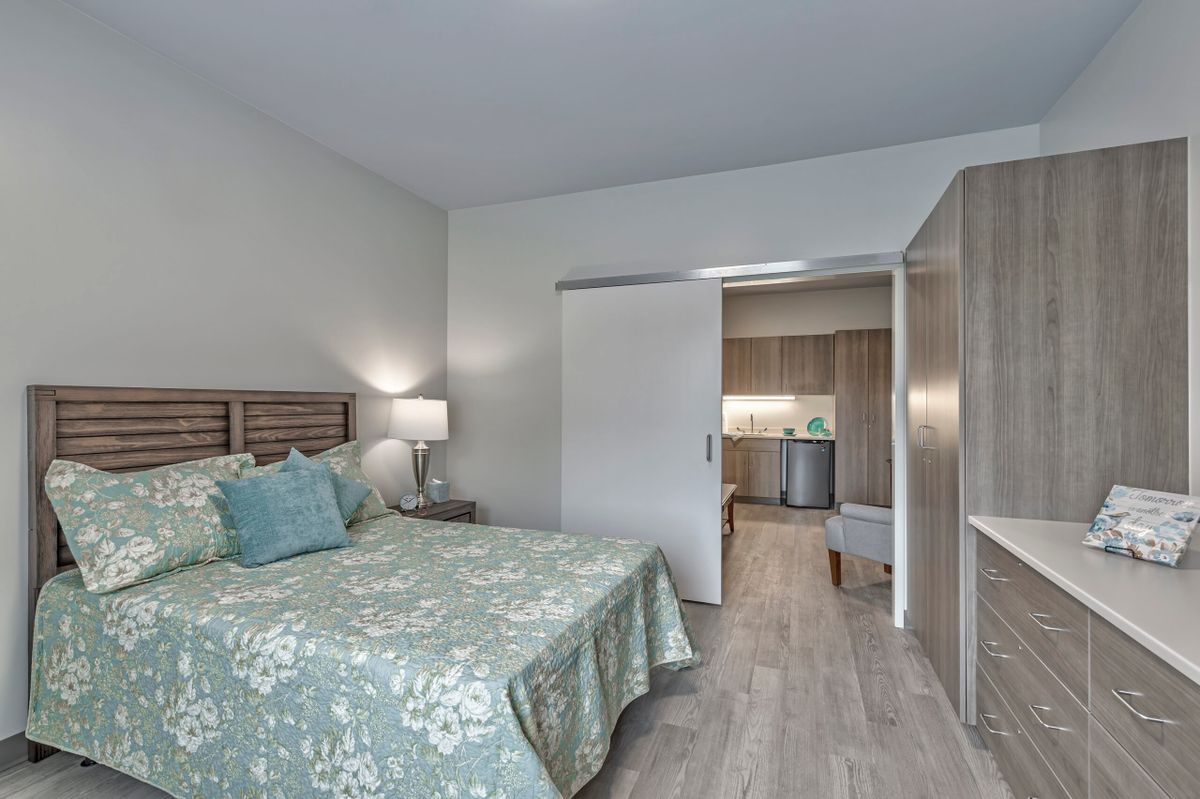
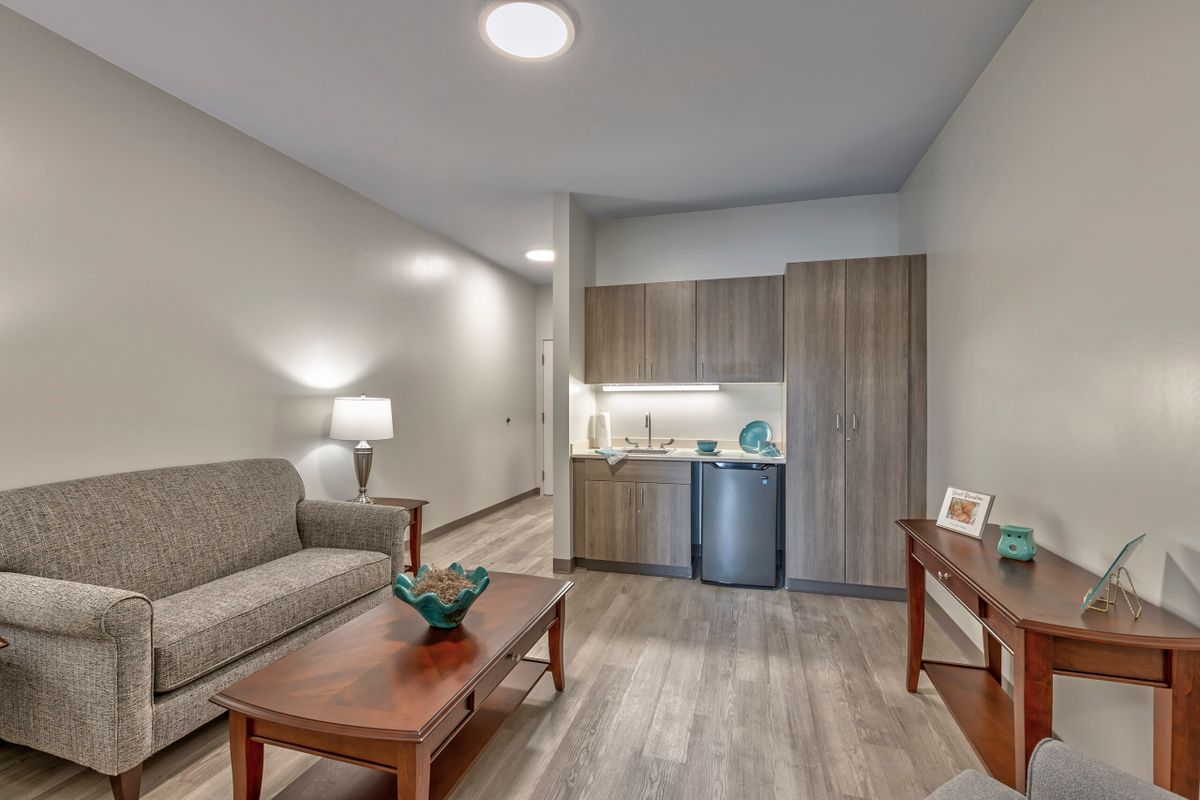
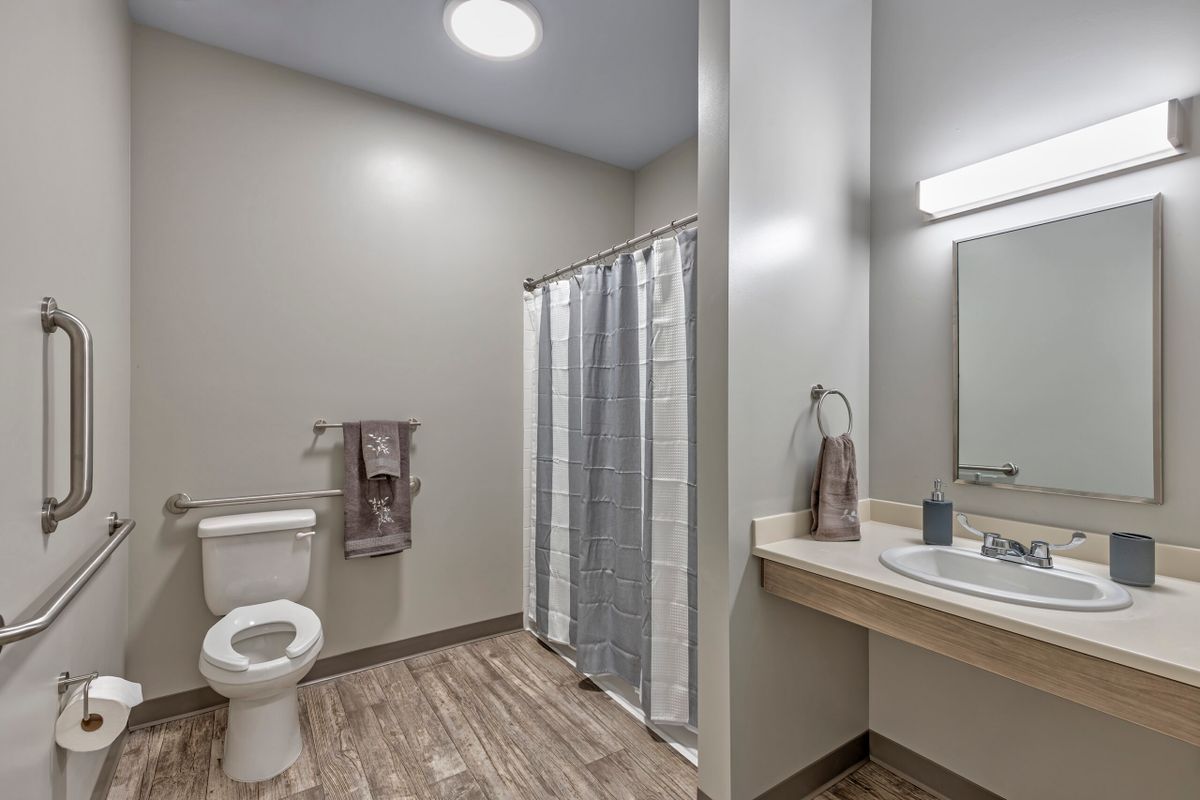
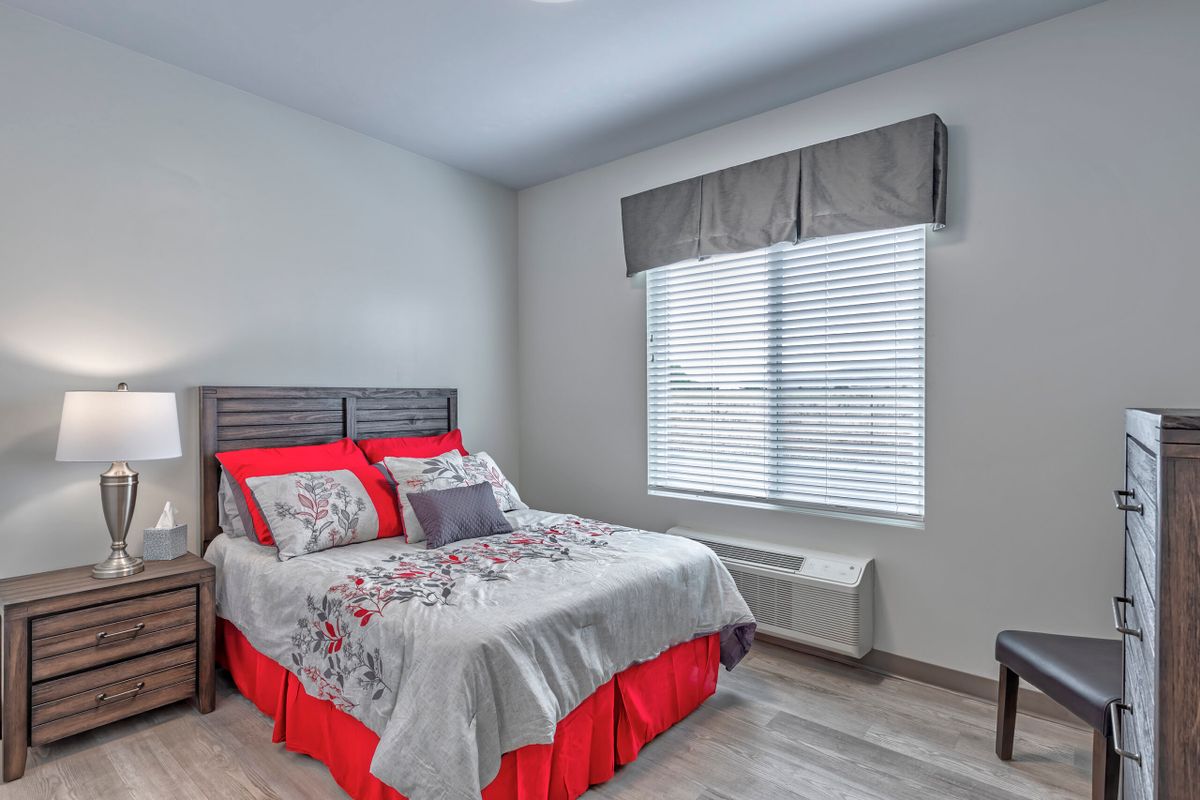
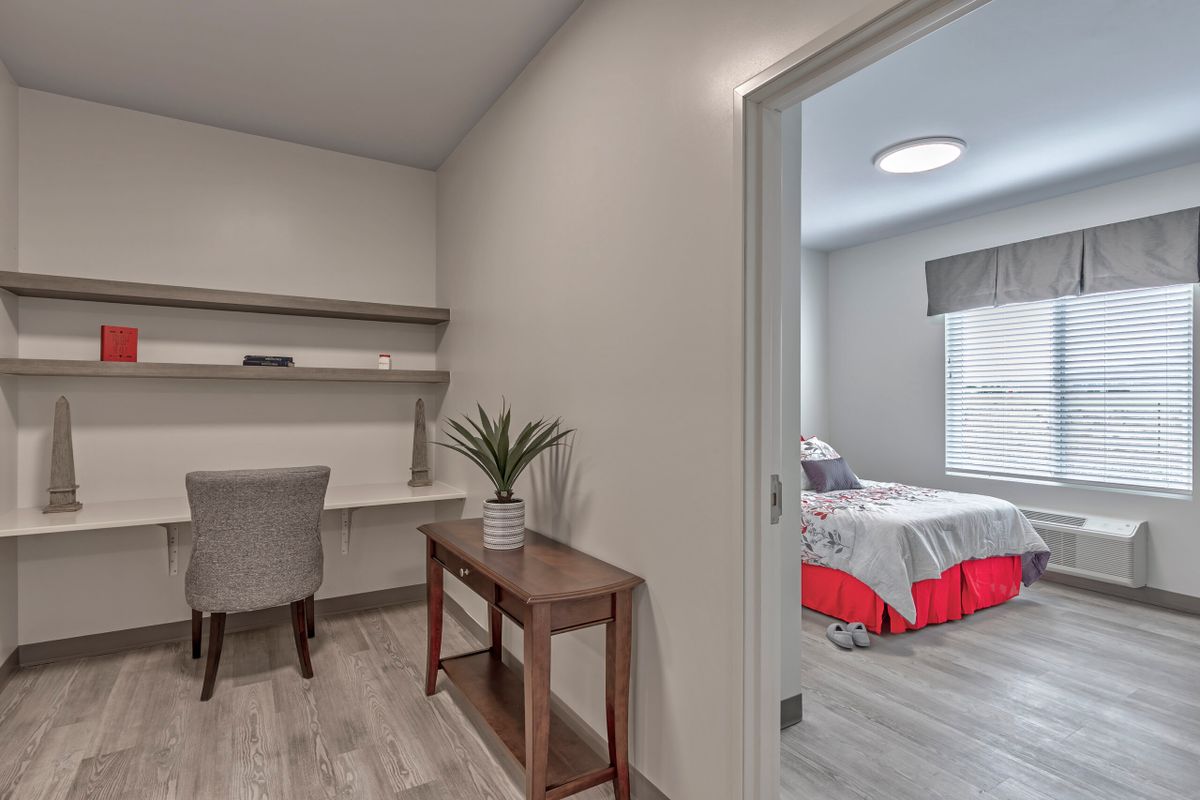
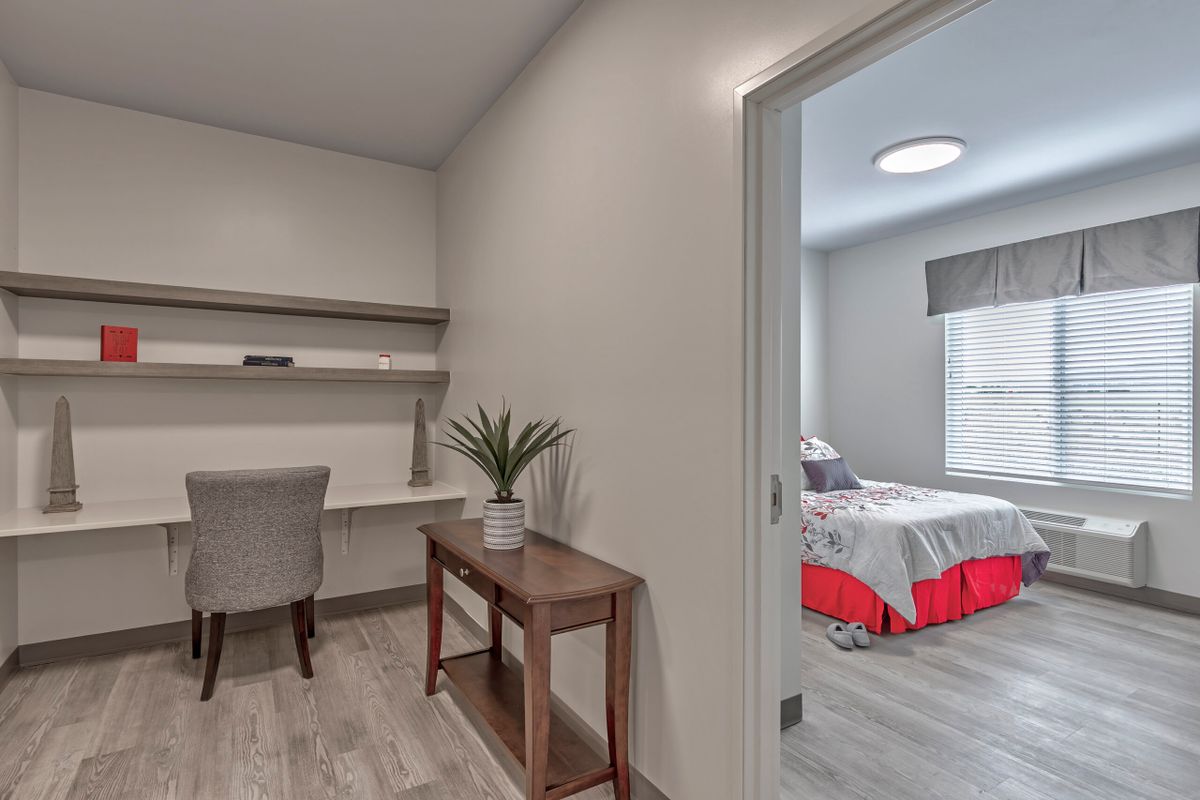
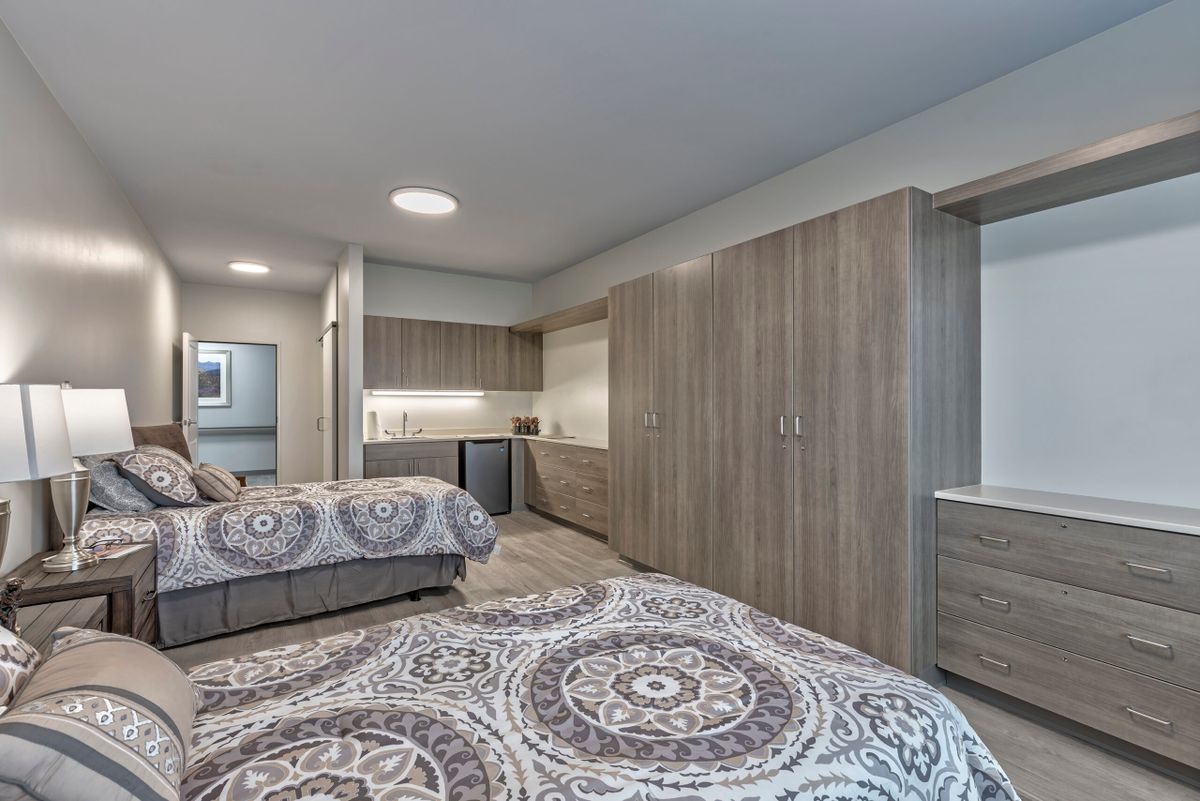
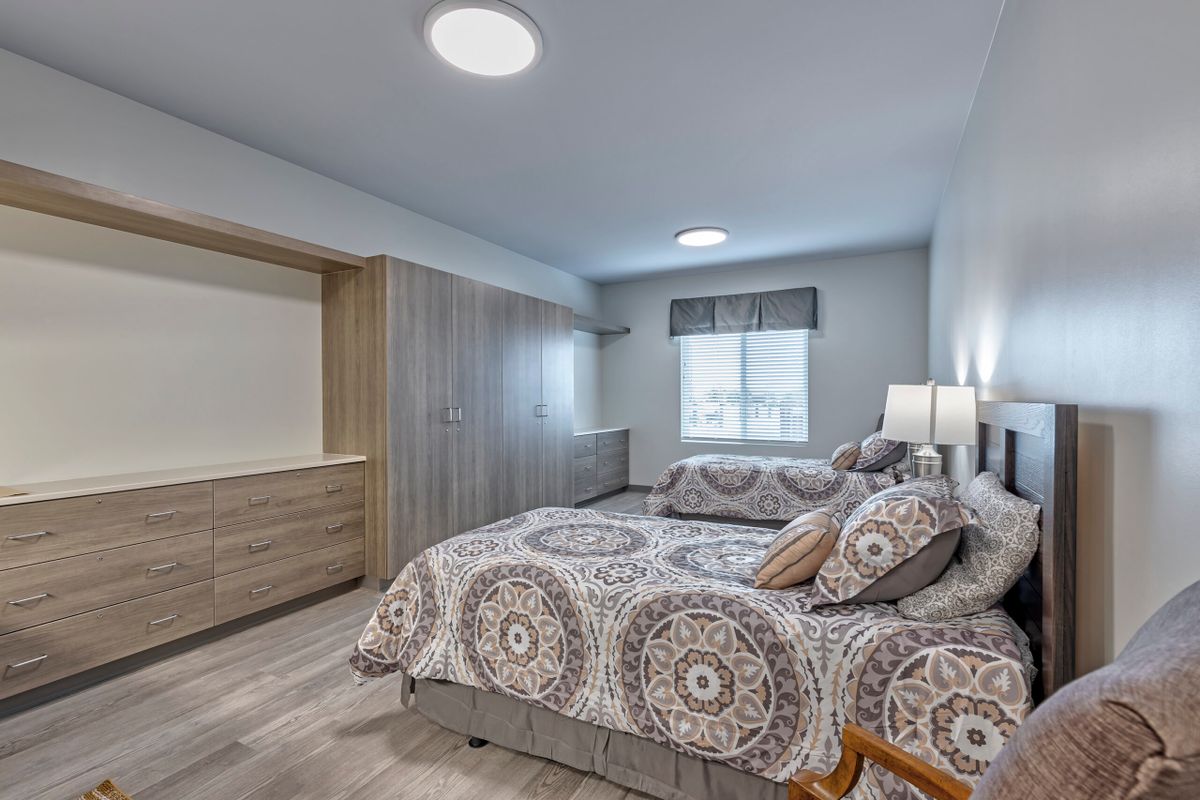
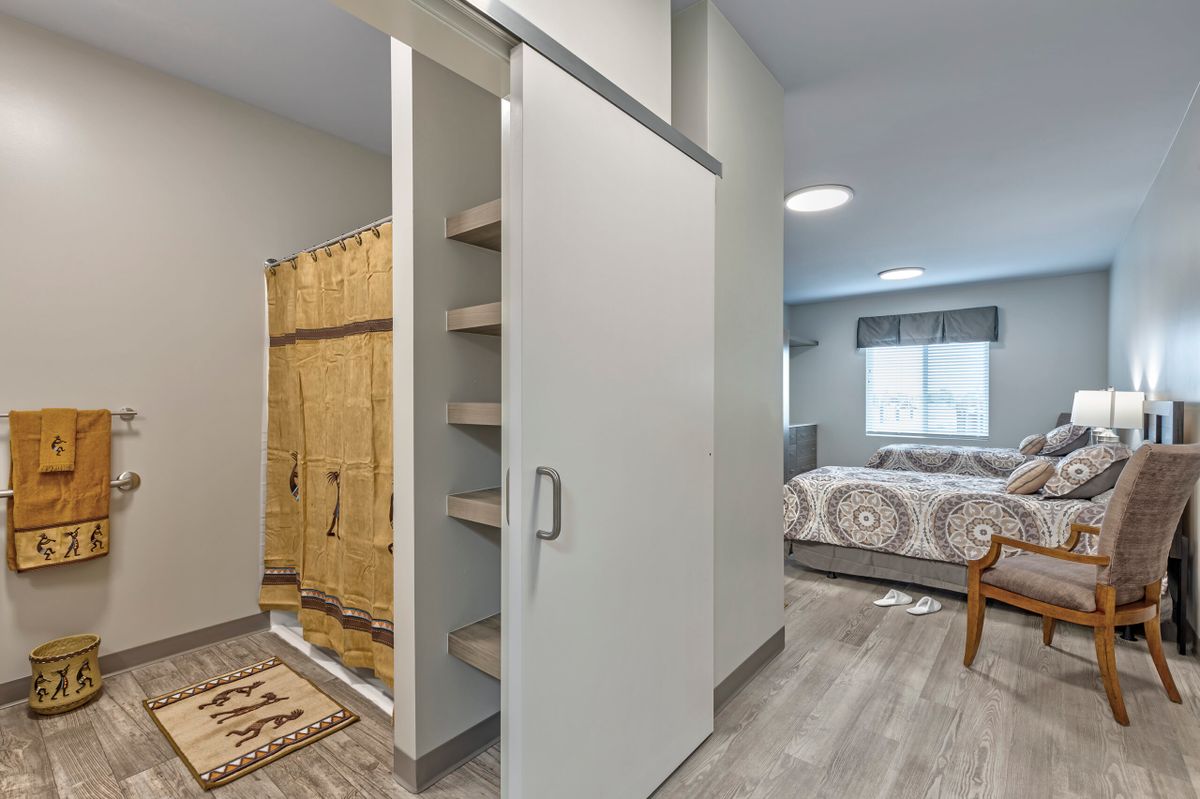
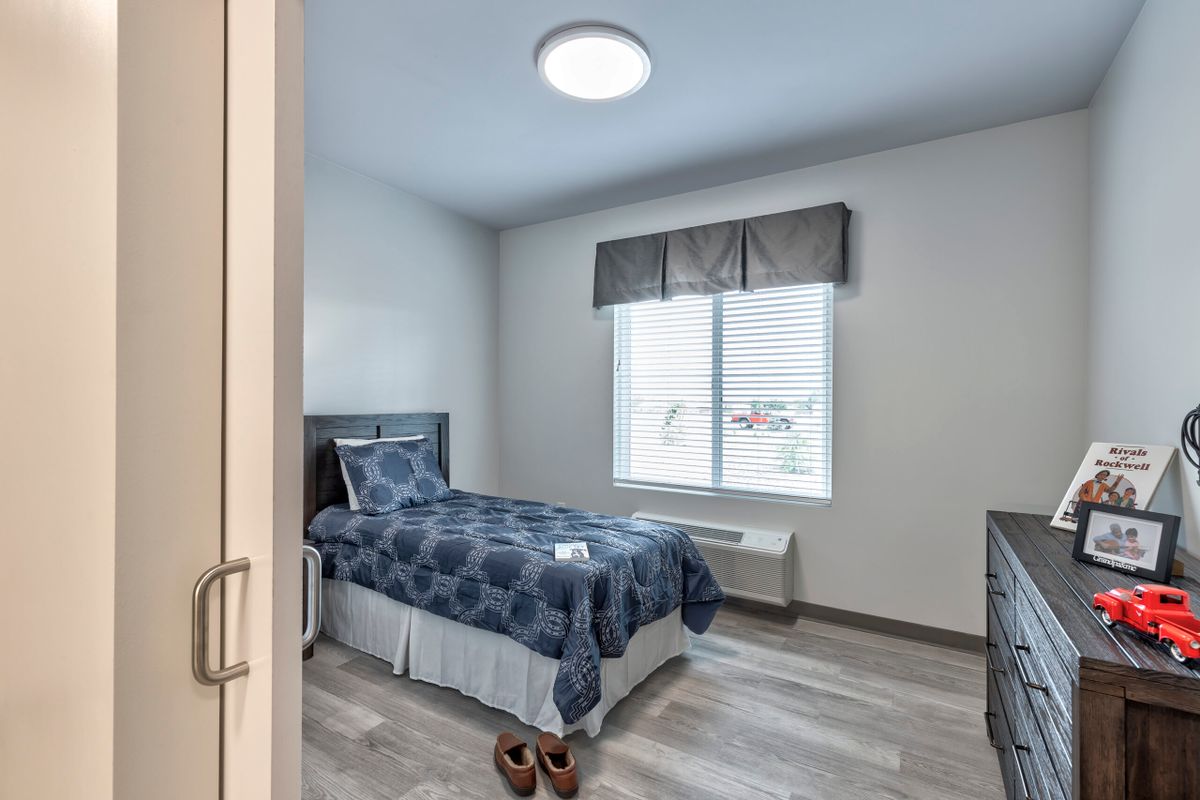
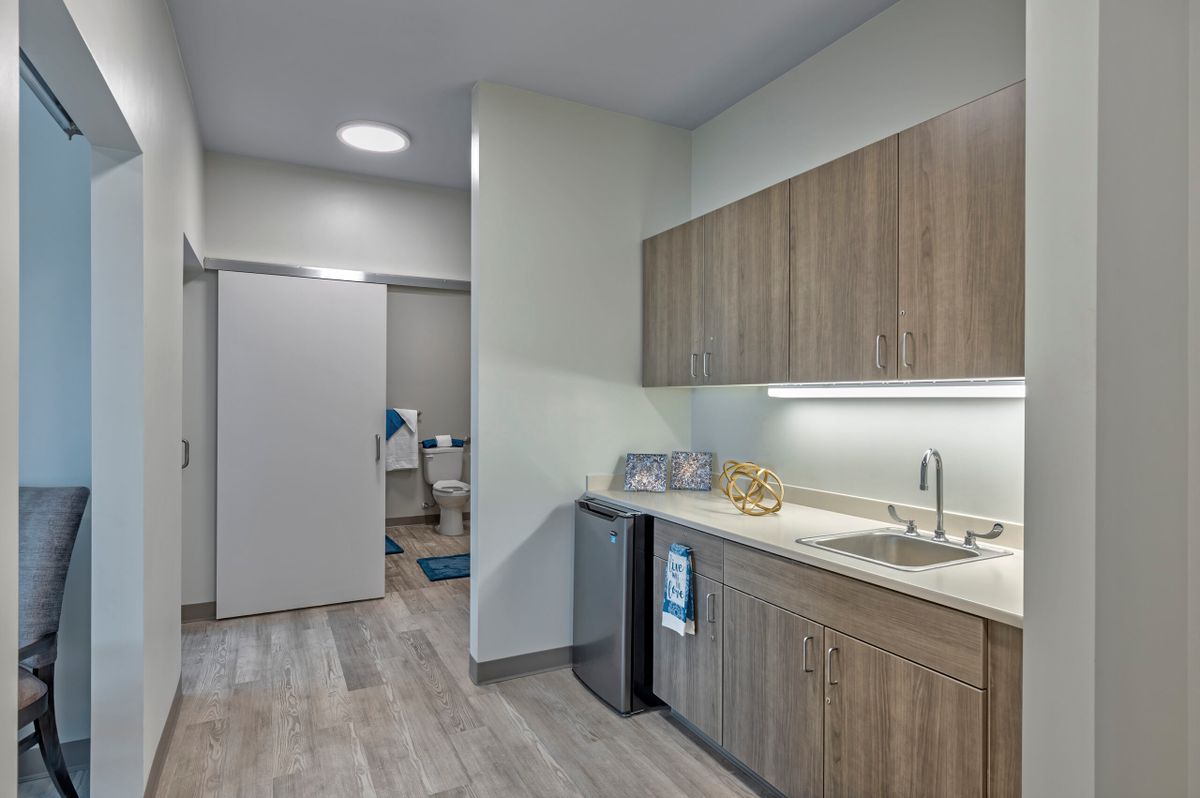
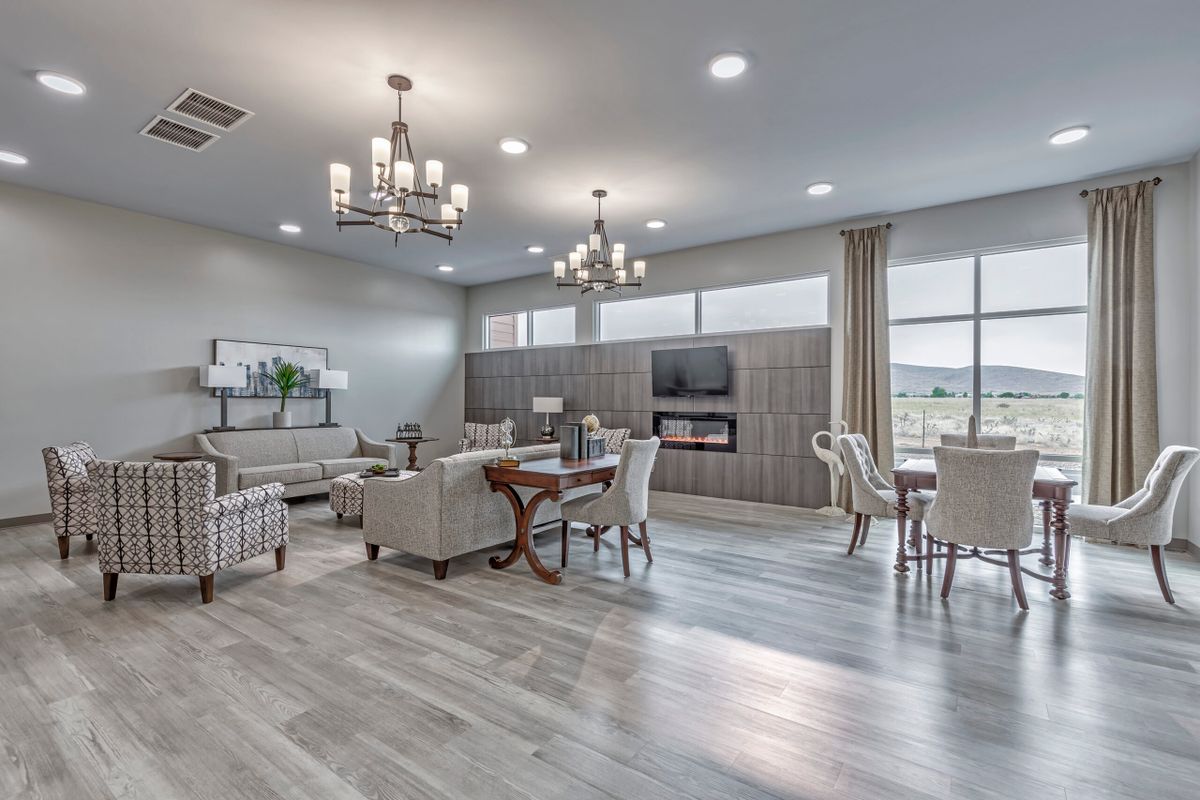
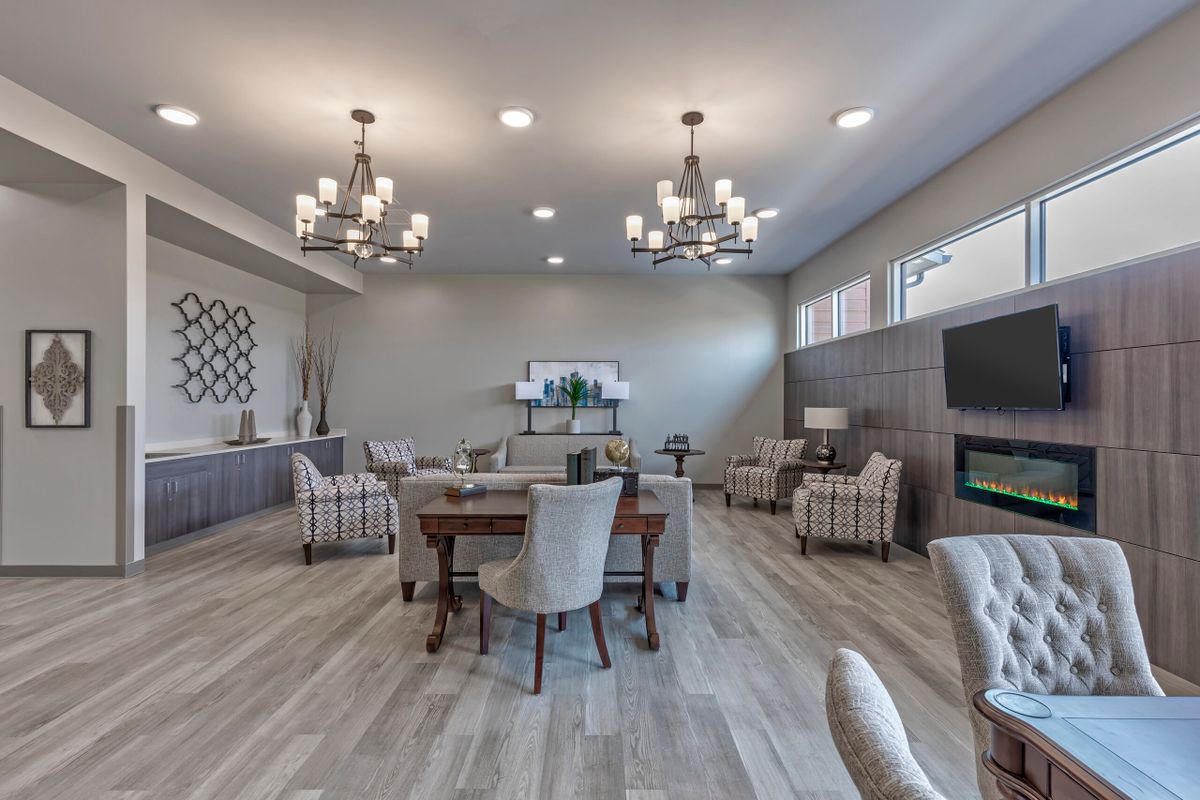
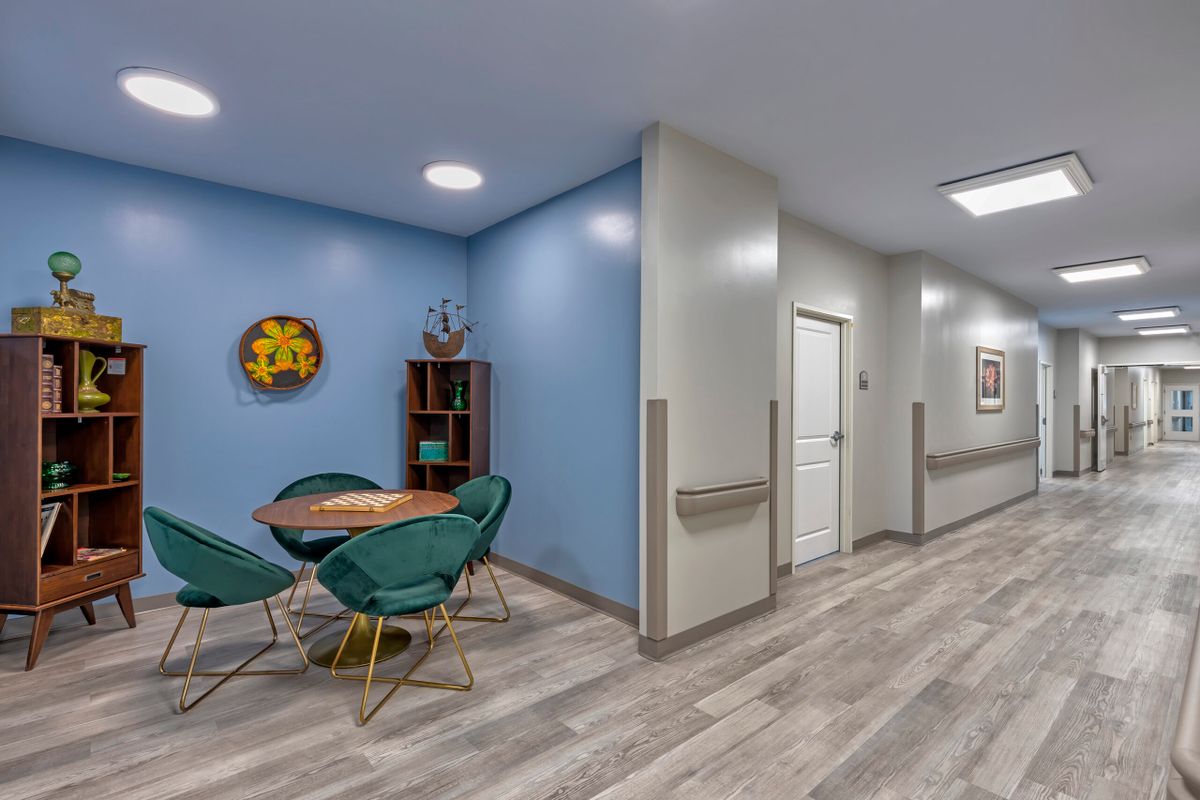
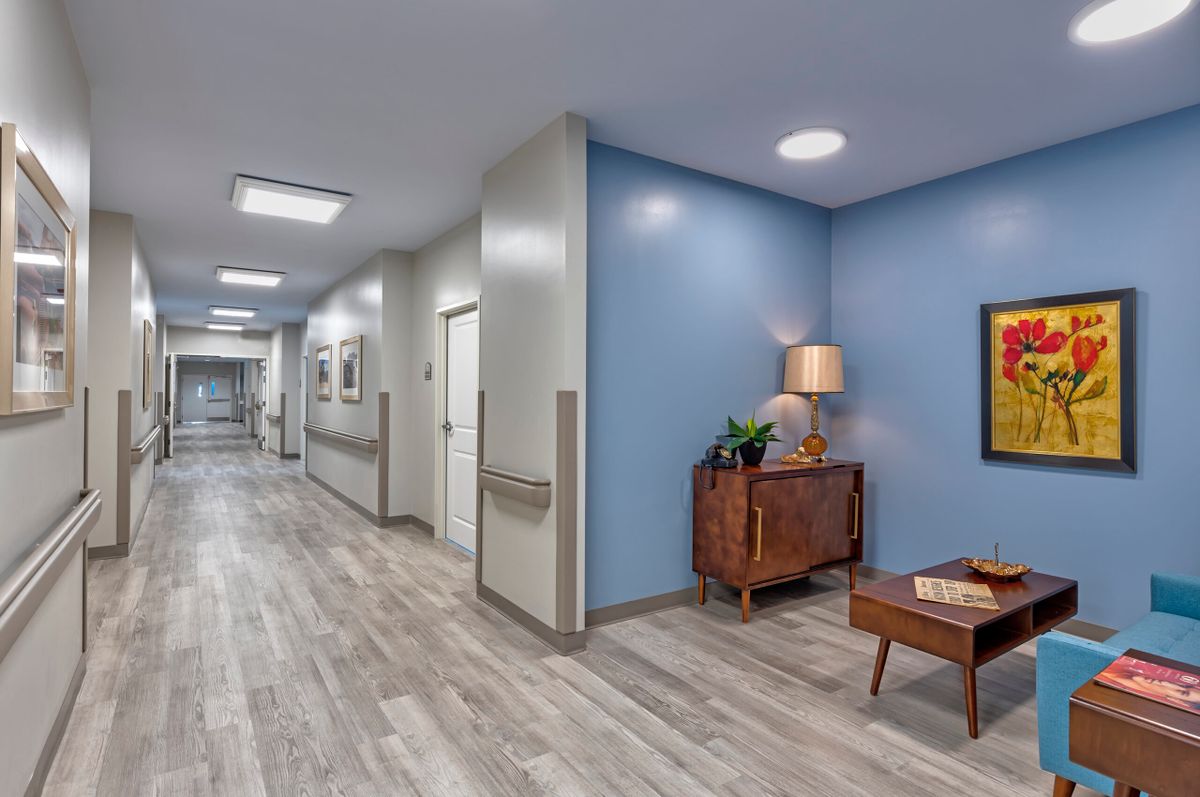
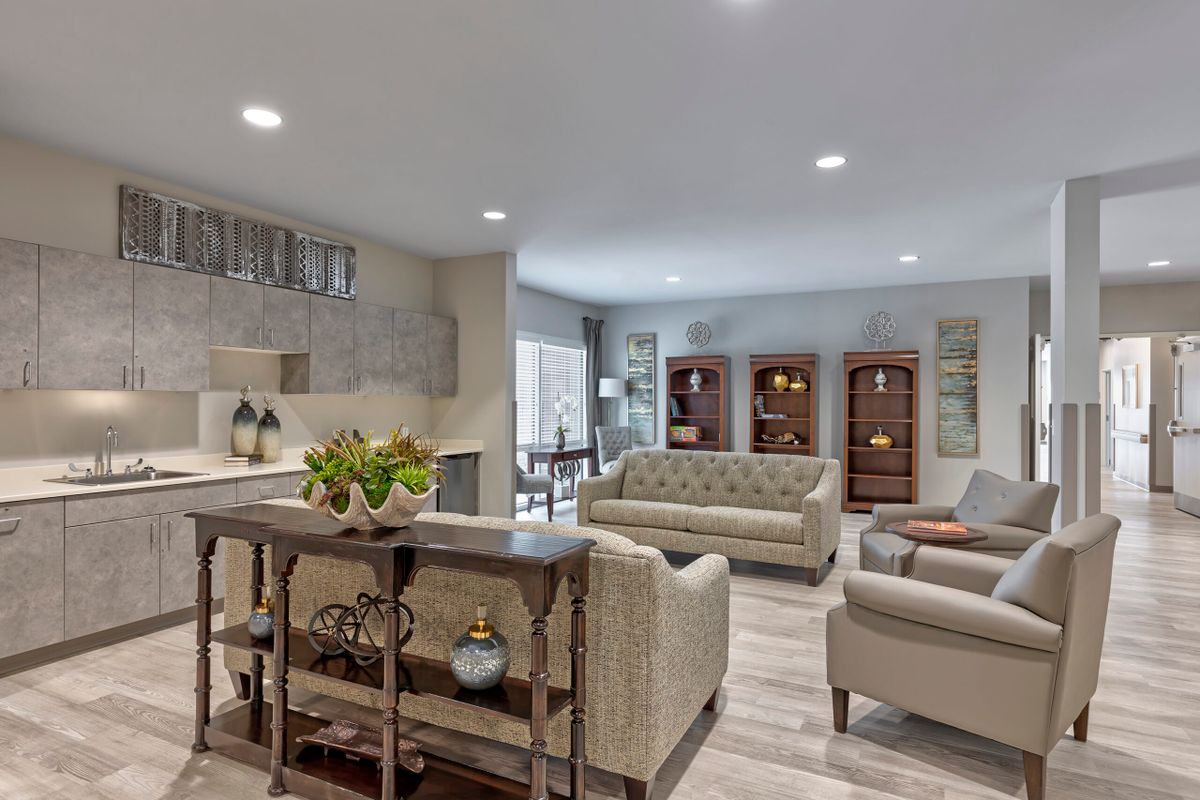
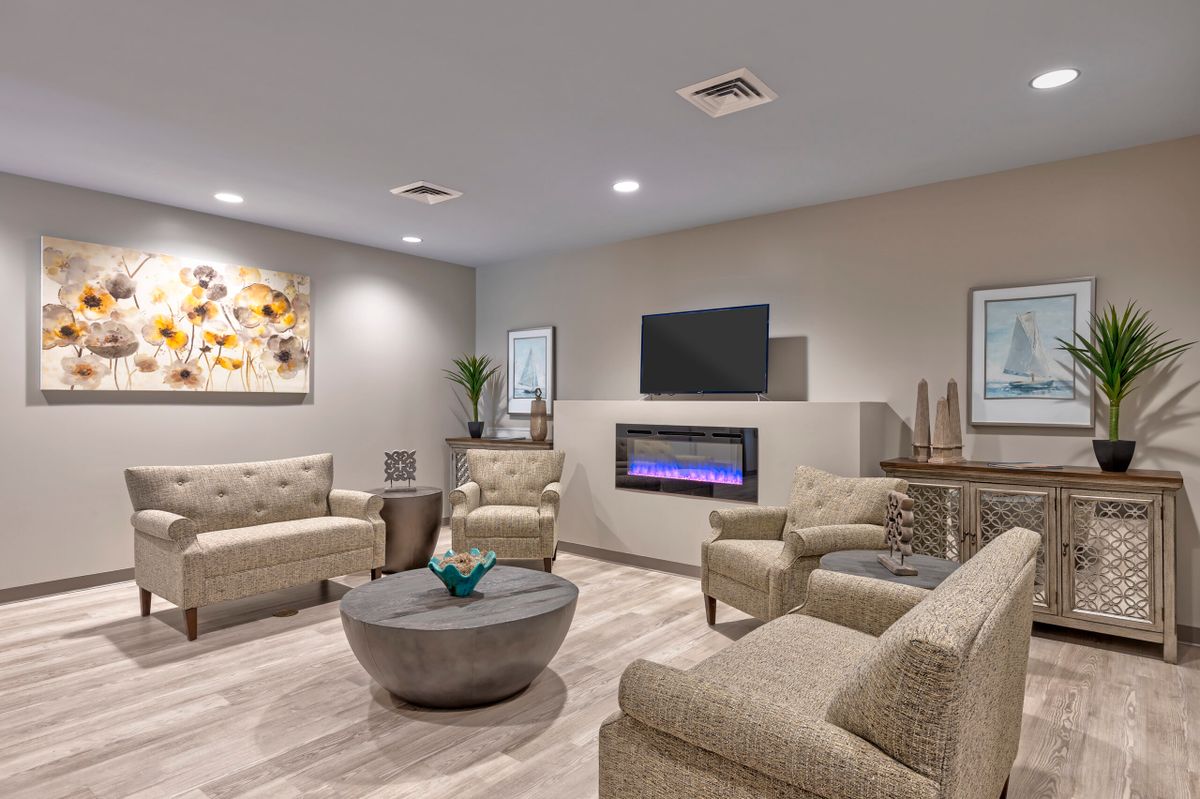
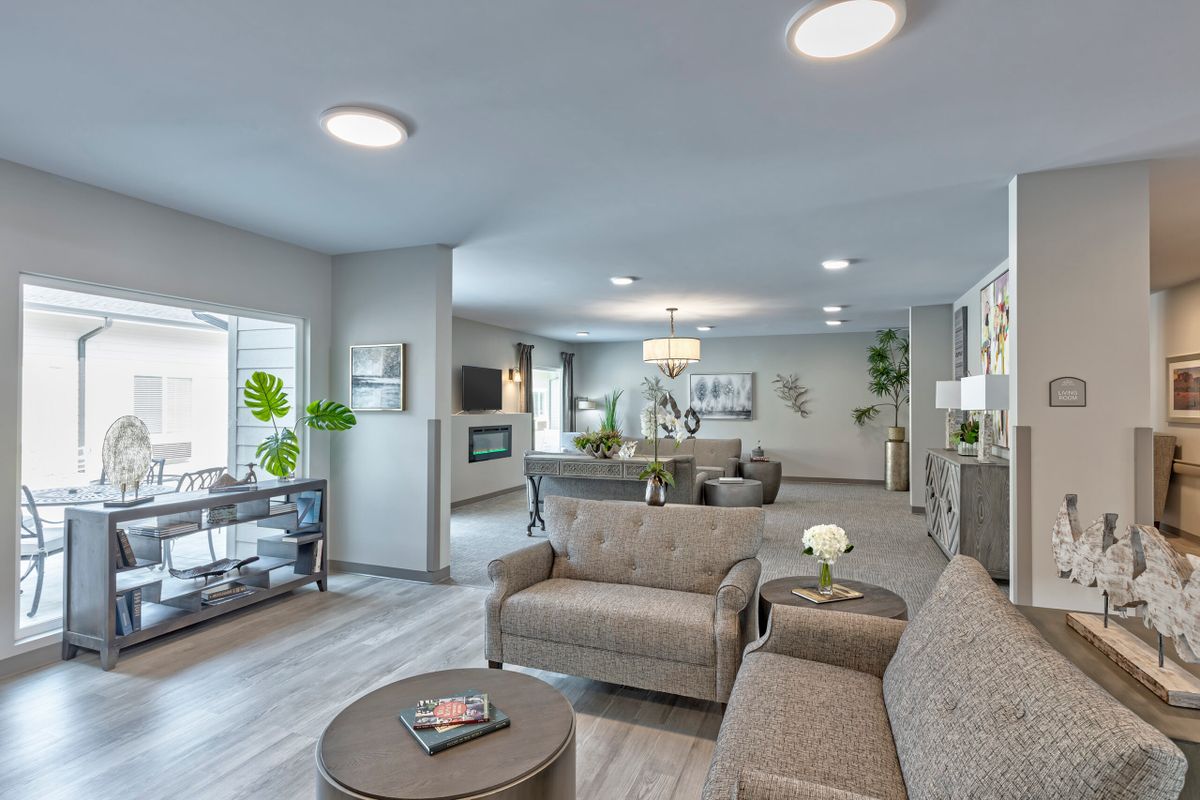
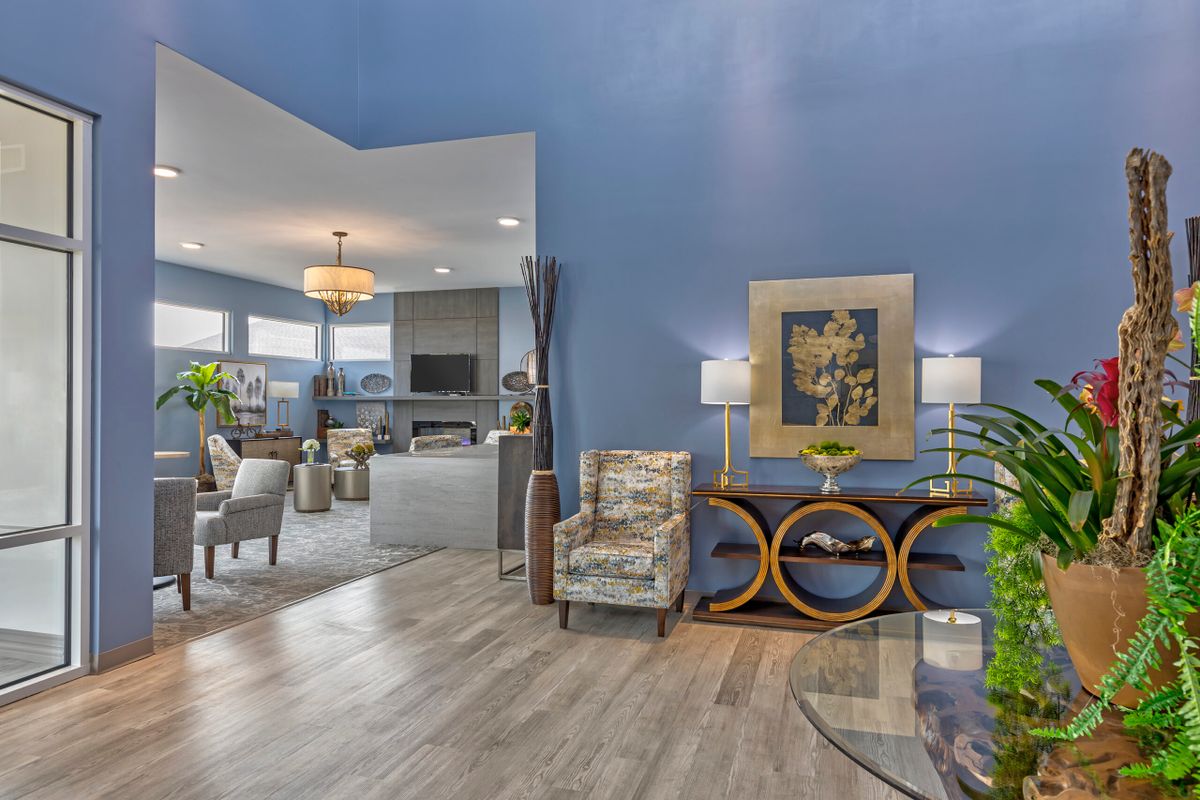
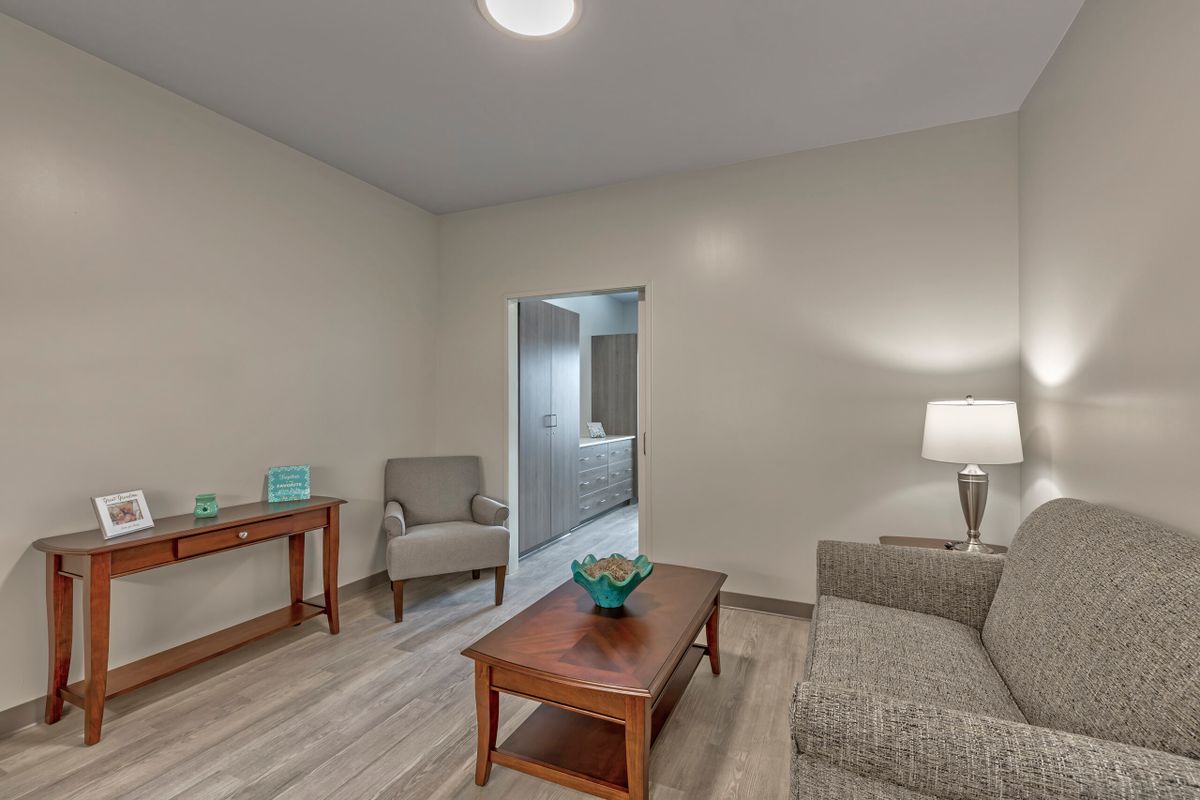
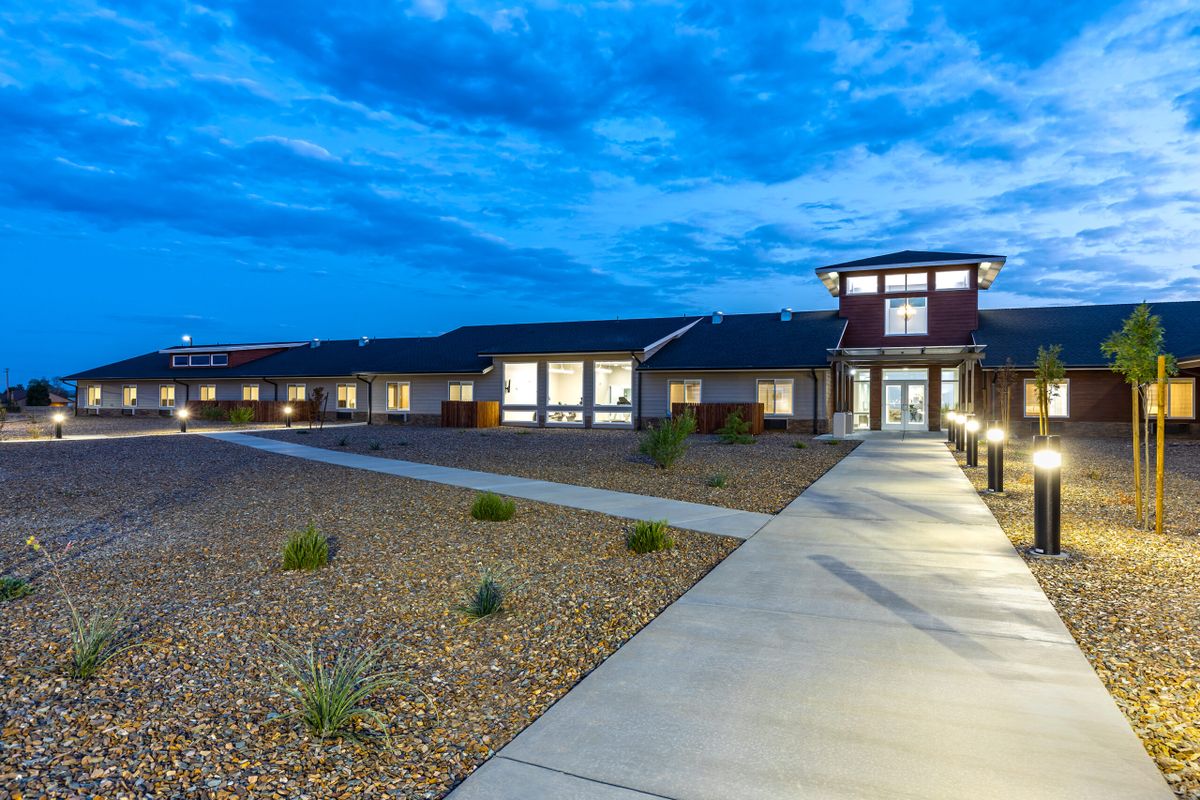
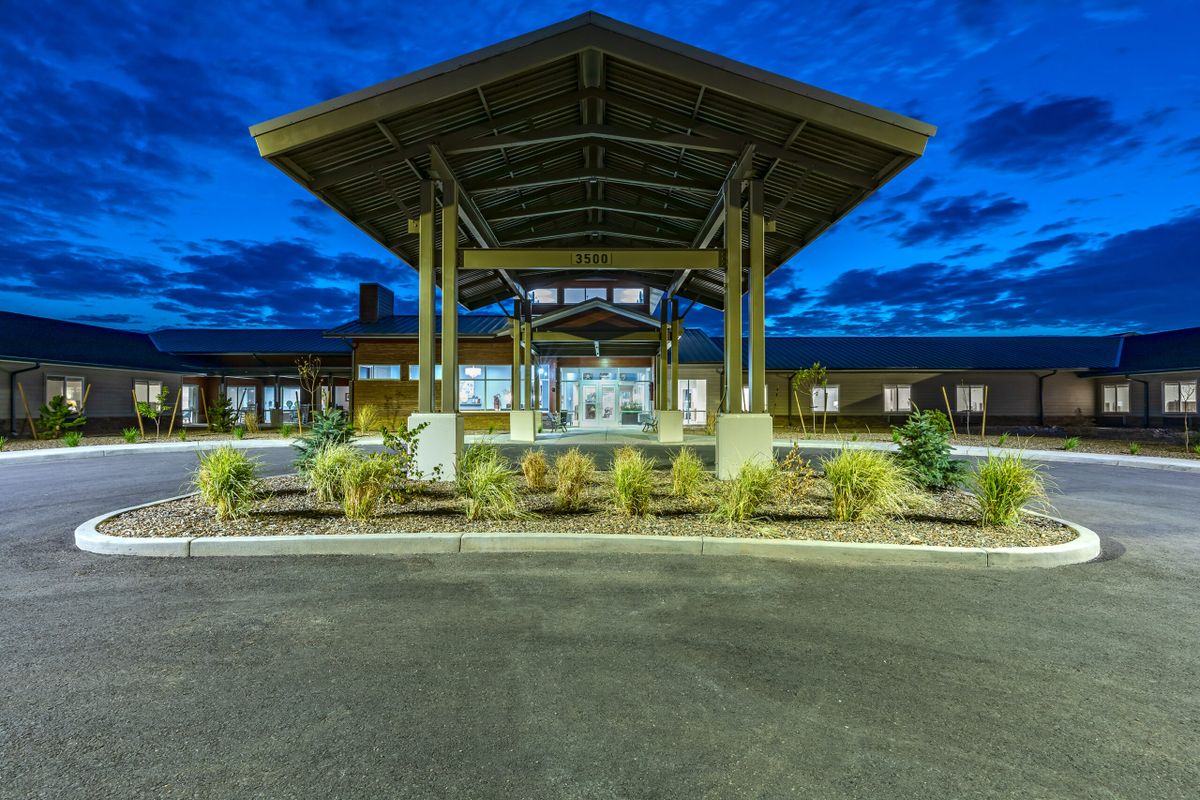
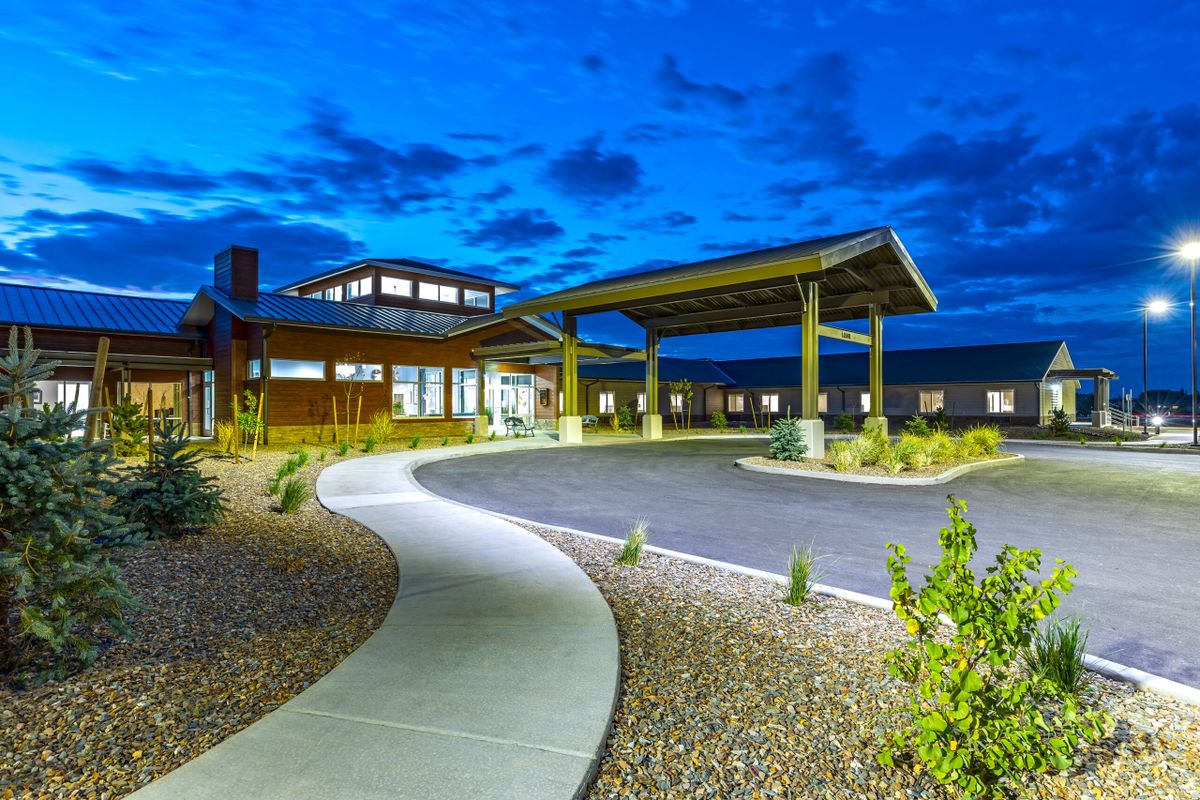
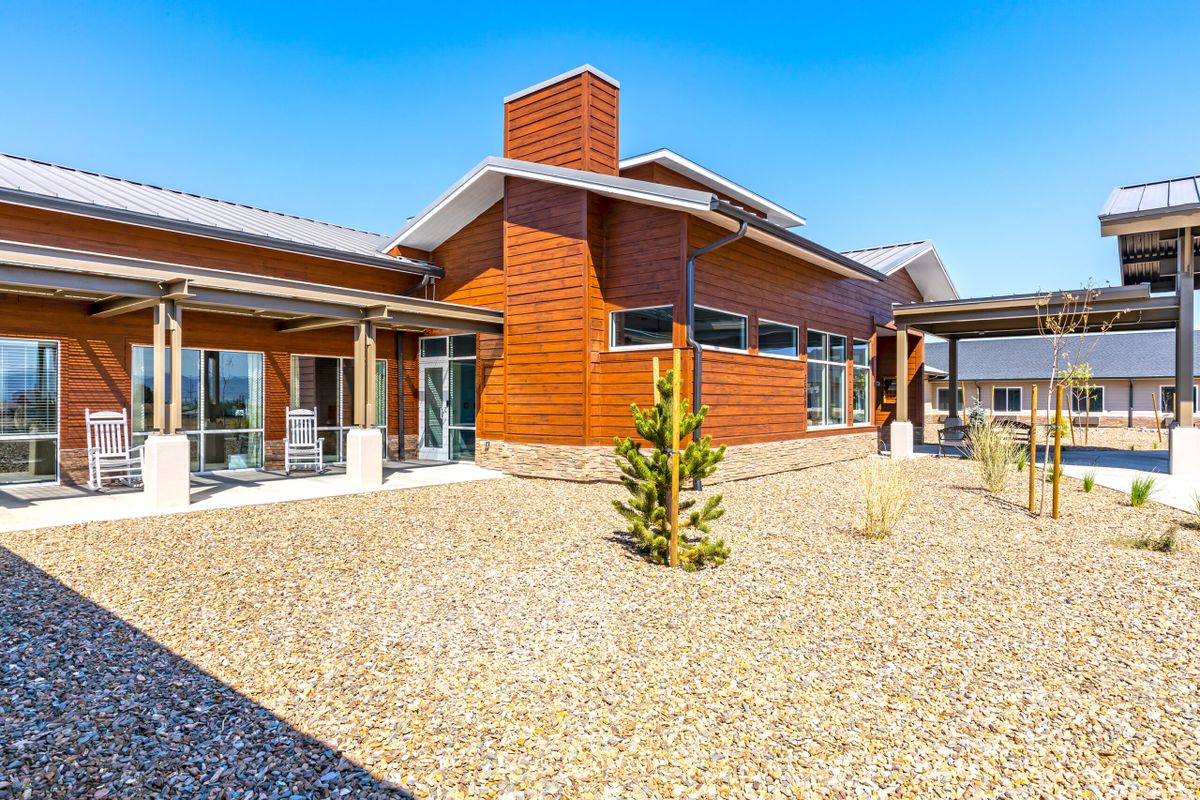
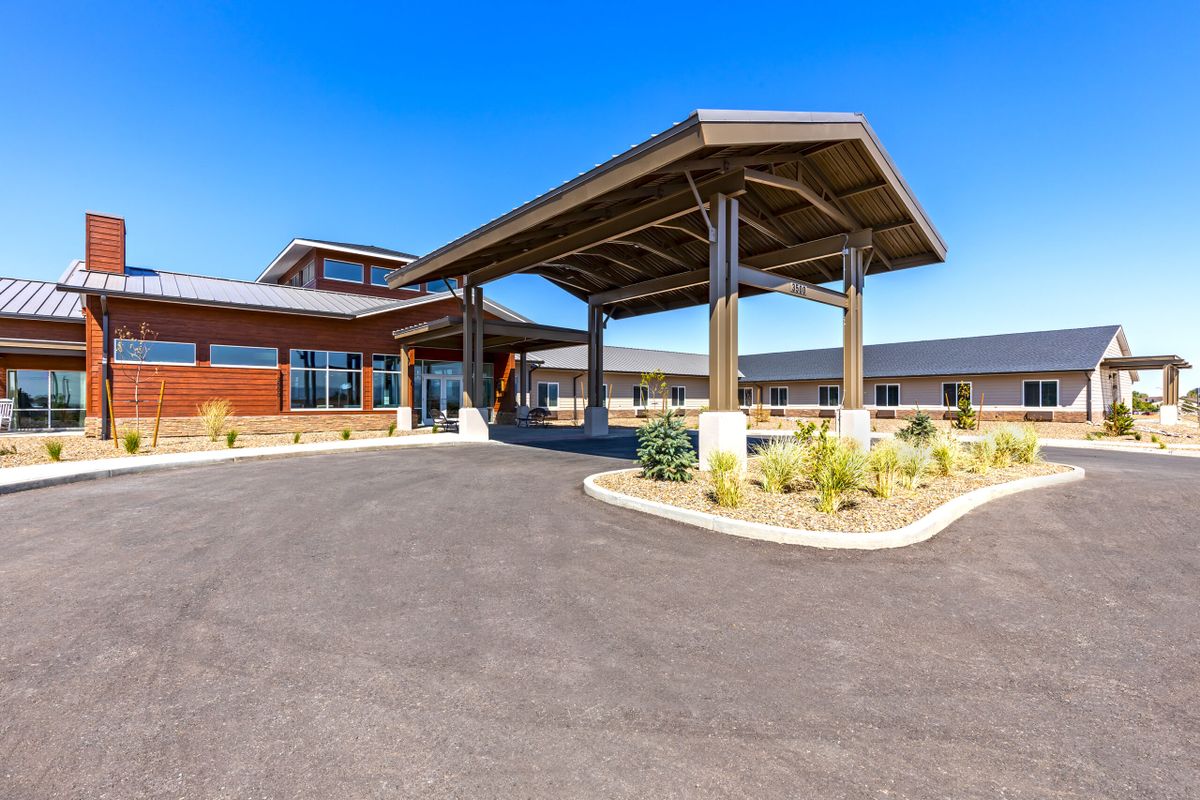
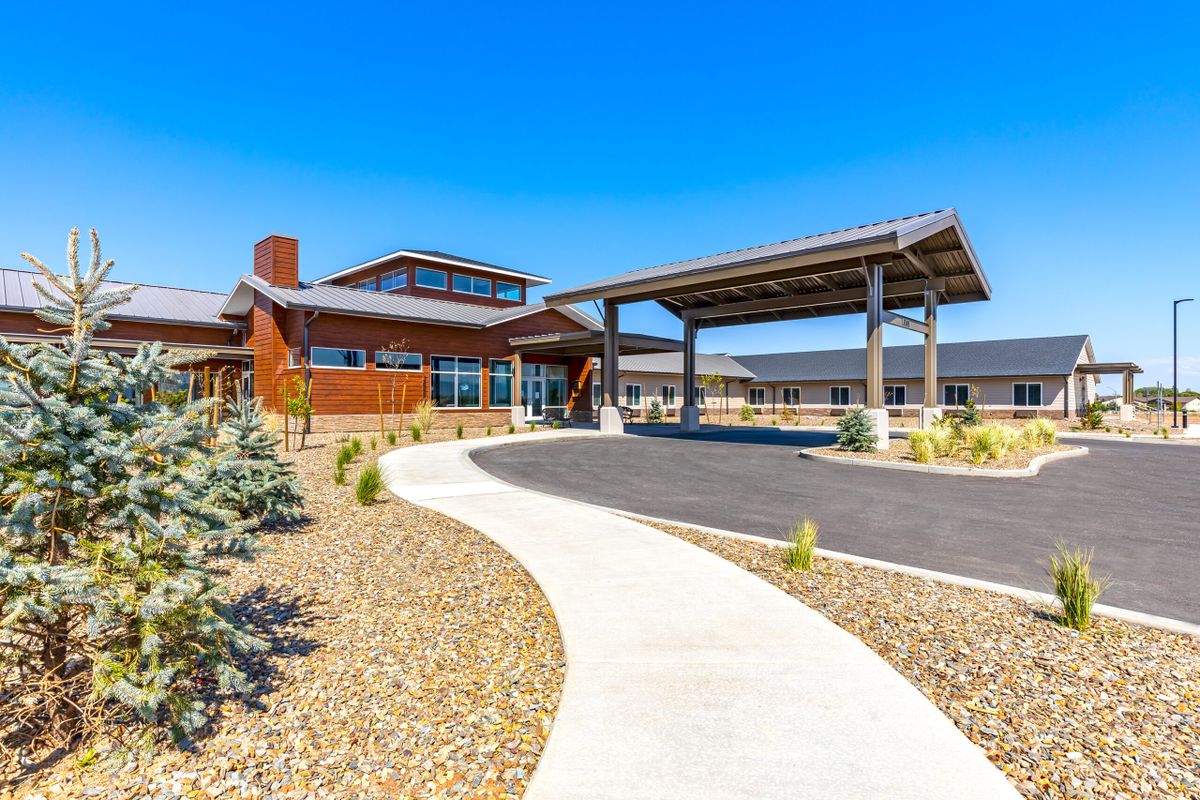
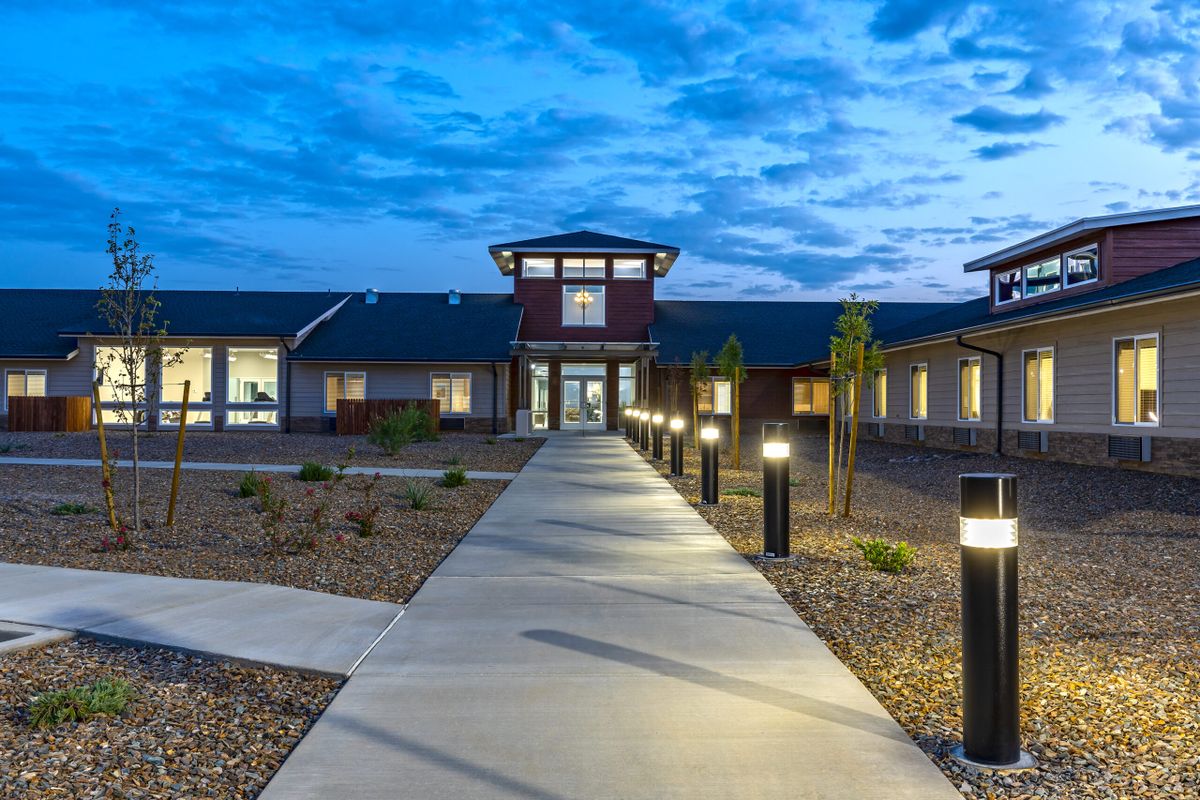
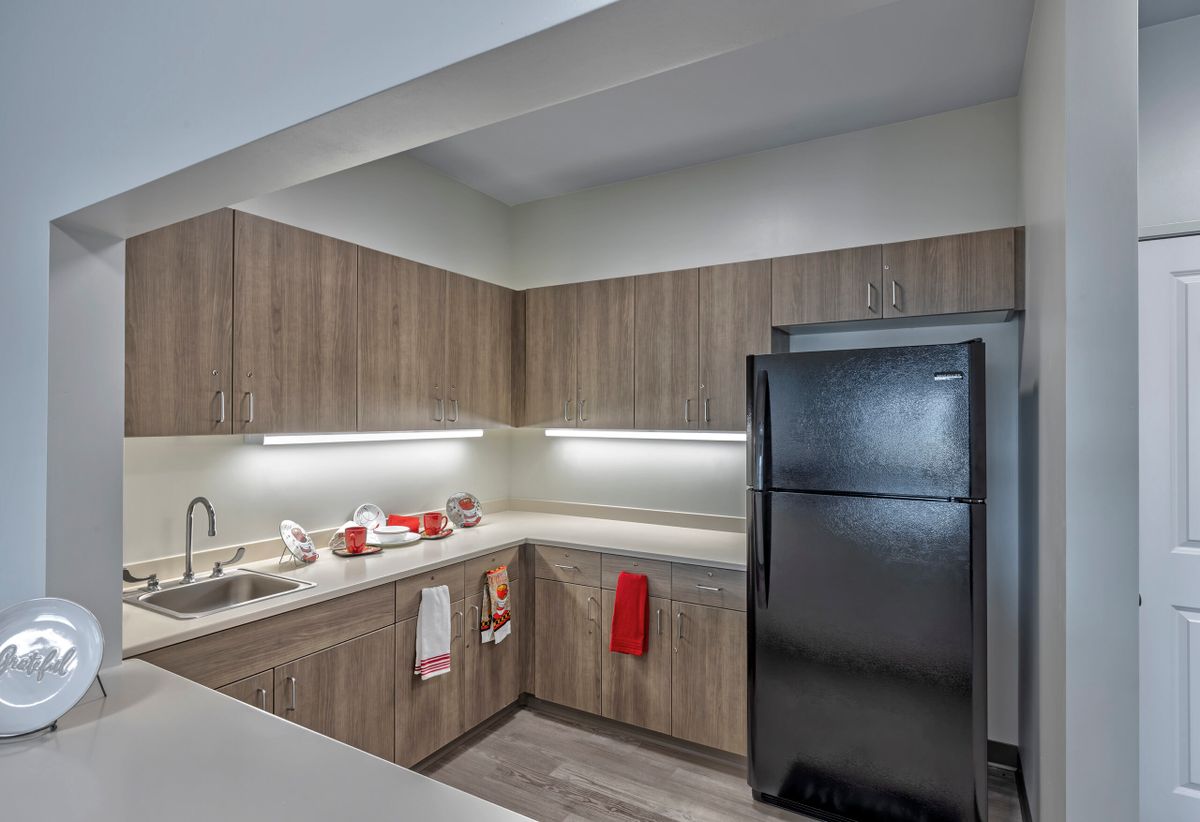
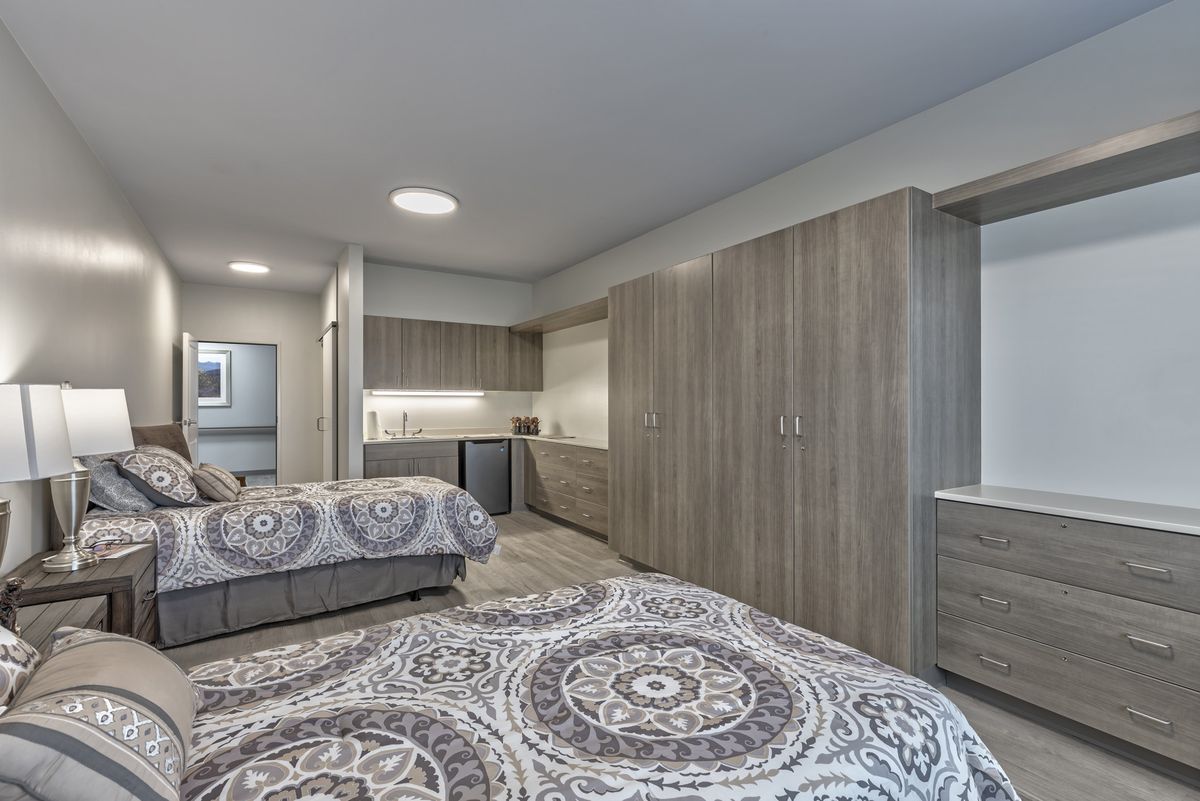
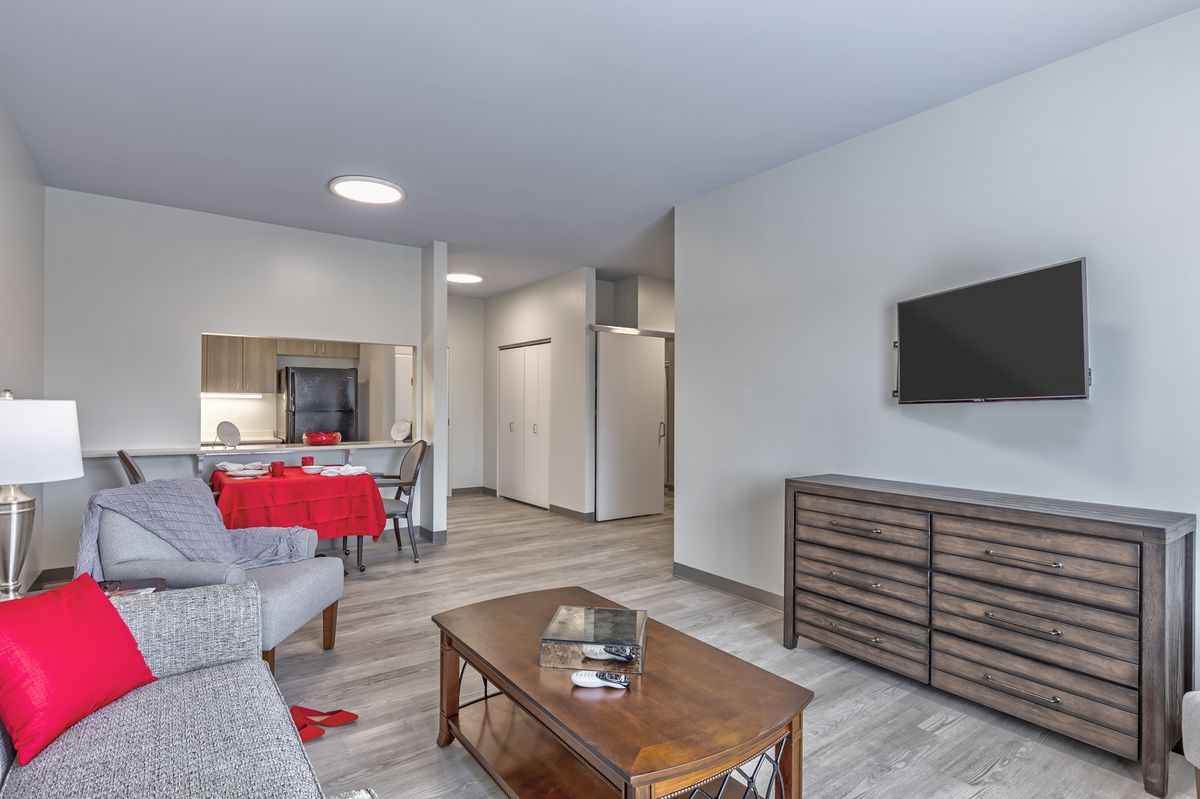
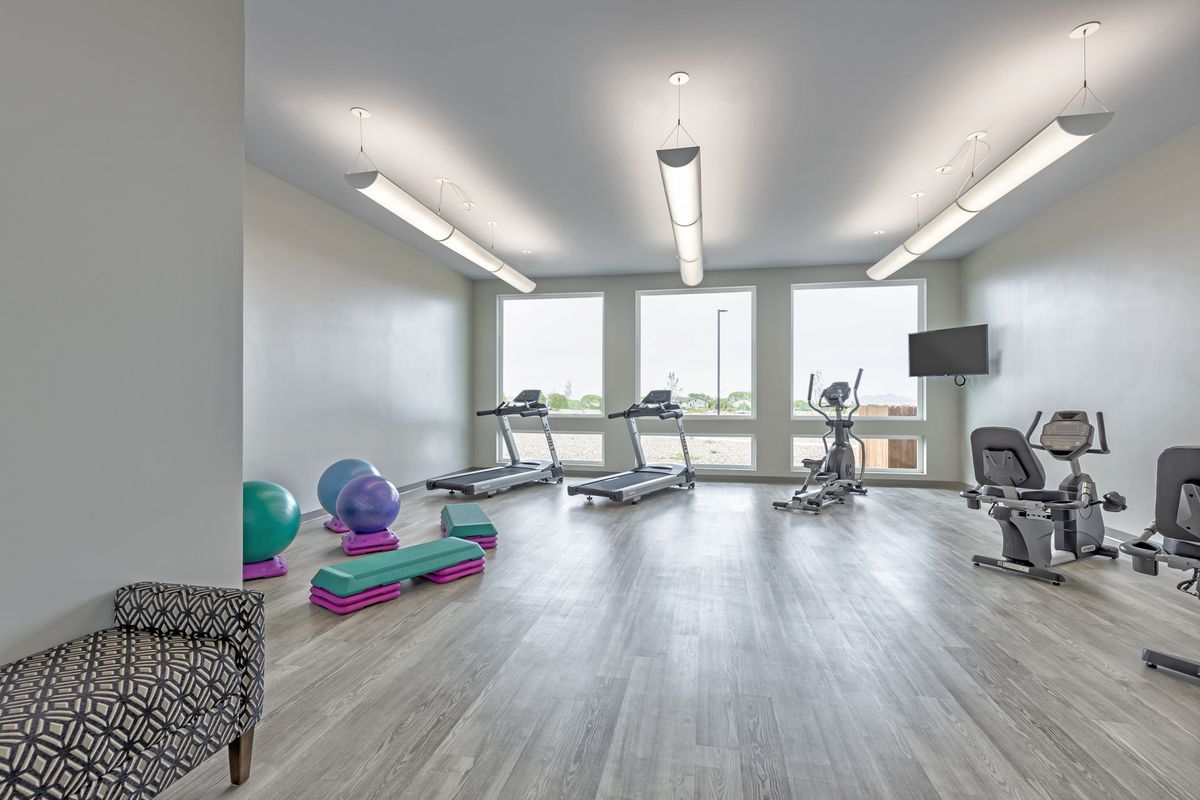
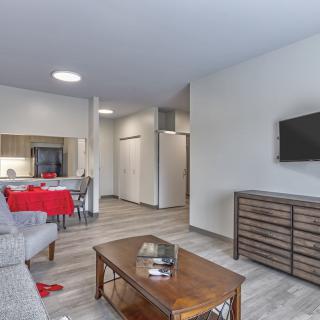
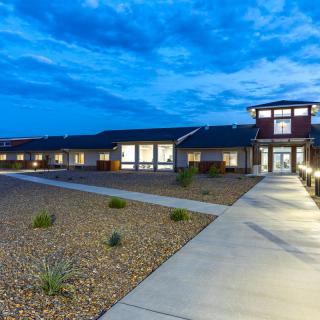
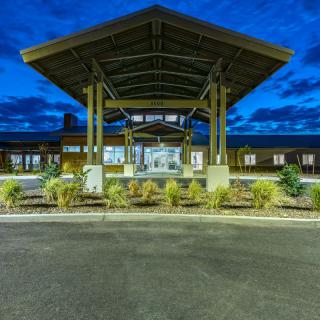
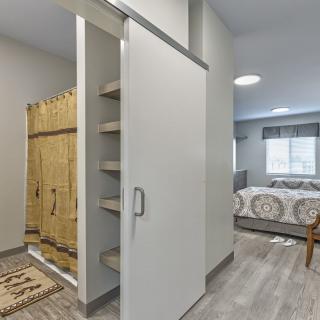
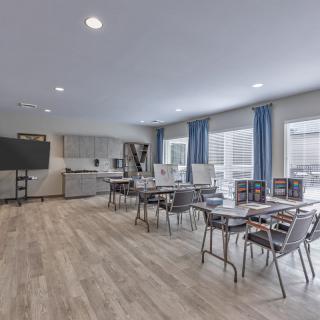
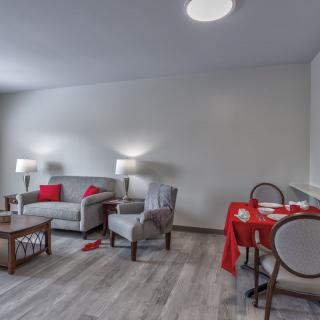
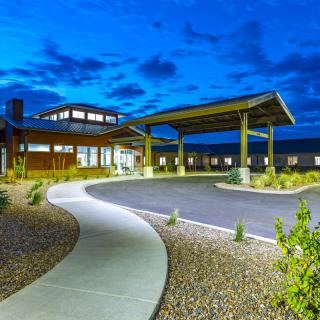
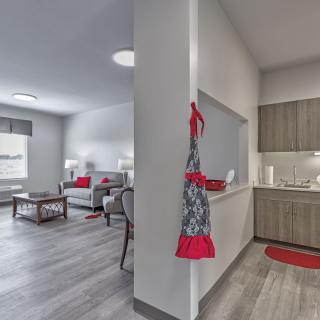
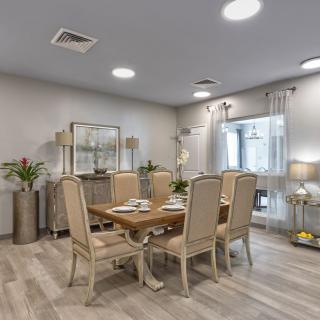
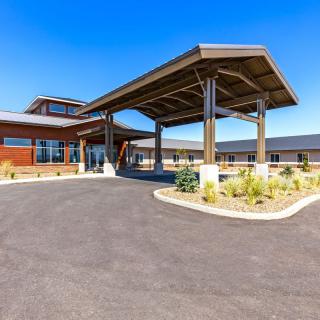
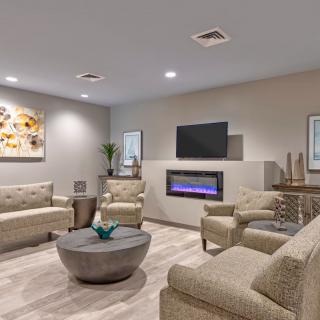
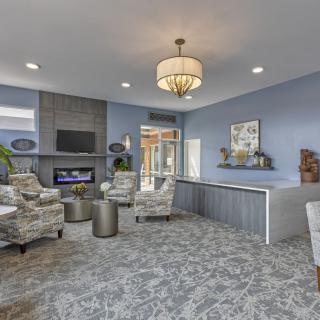
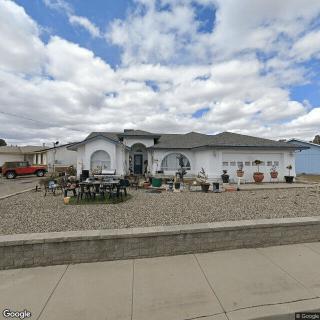
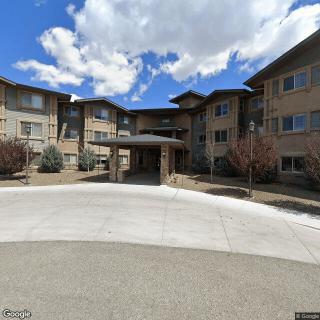
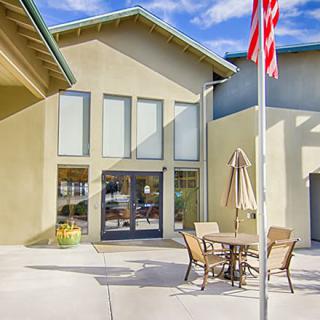
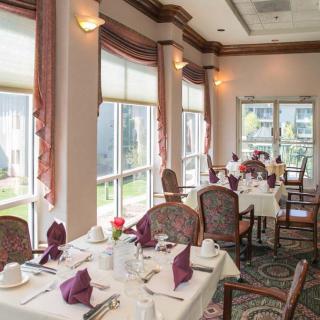
The Landings Of Prescott Valley on seniors.fyi includes 55 photos including images showing interior, decor, bedroom, living room, chandelier, dining, bathroom, building, and more.
Nearby Communities
Good Samaritan Prescott Valley
Prescott Valley, AZ
3.2 from 20 reviews
Excellent care with broad access to nearby amenities and healthcare services.
Good Samaritan Society - Prescott Valley
Prescott, AZ
3.3 from 20 reviews
Economical option with friendly staff and convenient location.
Angels On Duty
Prescott Valley, AZ
3.6 from 14 reviews
Excellent location with nearby healthcare, dining, parks, and entertainment.
New Horizons Adult Care Homes
Prescott Valley, AZ
3.8 from 6 reviews
Excellent access to healthcare and nearby amenities (pharmacies, hospitals, parks, dining).
Nurses Network Inc
Prescott Valley, AZ
4.4 from 14 reviews
Caregivers willing to assist in home care.
Hassayampa Mobile Home Park
Prescott Valley, AZ
3.9 from 37 reviews
Peaceful setting with convenient access to healthcare and nearby amenities.
View Point Senior Community
Prescott Valley, AZ
5 from 3 reviews
$4,050 to $6,300 / month
Excellent proximity to healthcare and amenities.
Evergreen Village Prescott
Prescott, AZ
4.3 from 81 reviews
$2,100 to $3,800 / month
Friendly, caring staff in a clean, active community with competitive pricing for the area.
Las Fuentes Resort Village
Prescott, AZ
4.6 from 49 reviews
$2,620 to $4,085 / month
Beautiful grounds, spacious apartments, and a friendly, responsive staff with a strong activities and dining program.
Alzheimer’s disease is a progressive neurological disorder that significantly impacts memory and cognitive functions, accounting for 60-80% of dementia cases, with early diagnosis being crucial yet challenging. It involves brain changes like beta-amyloid plaques and tau tangles, influenced by genetic and lifestyle factors, and while there is no cure, symptom management and support for caregivers are essential.
Dementia, influenced by aging and certain medications, may be exacerbated by drug classes such as anticholinergics, benzodiazepines, and antipsychotics, which are associated with cognitive impairment. Regular medication reviews by healthcare professionals are crucial for older adults to manage risks and optimize cognitive health.
Dementia often results in disrupted sleep patterns, leading to excessive daytime sleeping due to factors like brain damage affecting circadian rhythms, medication side effects, and lack of structure in daily activities. Caregivers must monitor these changes closely, as oversleeping can increase risks such as malnutrition or dehydration, and provide necessary support and routines to enhance patient engagement and well-being.
Get PricingAsk A QuestionSchedule A TourContact Senior Advisor
By clicking submit, you agree to our Partner's Terms of Use. You
also consent to receive calls and texts, which may be autodialed, from our Partner. Your consent is not a condition to
using our Partner's service. Please visit our Partner's Privacy Policy for information about their privacy practices.

 125 resident community capacity
 Assisted Living
 Memory Care
 Air-conditioning
 Beauty salon
 Cable or satellite TV
 Computer center
 Dining room
 Fitness room
 Fully furnished
 Gaming room
 Garden
 Housekeeping services
 Kitchenette
 Move-in coordination
 Outdoor space
 Private bathrooms
 Restaurant-style dining
 Small library
 Telephone
 Wellness center
 Wi-Fi/high-speed internet available
 Community operated transportation
 12-16 hour nursing
 24-hour call system
 Activities of daily living assistance
 Assistance with bathing
 Assistance with dressing
 Assistance with transfers
 Diabetes diet
 Medication management
 Mental wellness program
 Special dietary restrictions
 Transportation arrangement (medical)
 Concierge services
 Planned day trips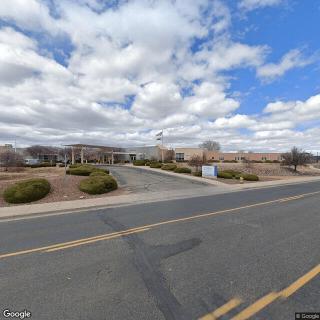
 Excellent care with broad access to nearby amenities and healthcare services.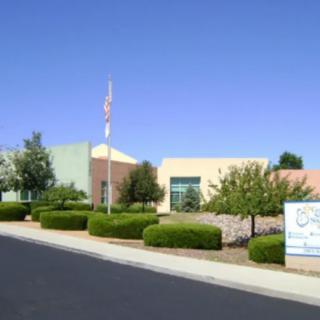

 Illuminating Insights About Alzheimer's Disease: Ten Crucial Realities
 A Thorough Discussion of Medications Potentially Linked to Dementia Risk
 Why Do Dementia Patients Sleep So Much? Understanding Oversleeping, Stages, and Care Approaches