

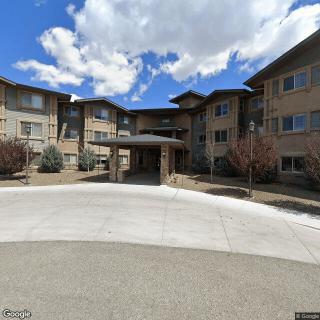
3180 N Robert Rd, Prescott Valley, AZ 86314
To contact a resident: (520) 772-2861
For more information about senior living options: (866) 208-4318
Overall Review of New Horizons Adult Care Homes
Pros
 The nurse provided amazing care for the grandfather.
- She stayed up all night with him until he passed.
- She was an angel.
- The staff allowed visitors to stay as long as needed for his last days.
- Three family members spent their final days at New Horizons.
- The care they received was outstanding.
- All three were very happy with the care, the living conditions, and the friendly staff.
- The staff work very hard and do the job very well.
- The place is very clean and accommodating.
- Martha the manager is amazing and goes above and beyond.
Cons
 The owners don’t care about the residents; they only want the money.
- The manager is just as bad.
- New Horizons is a very bad place for a loved one.
- The service is poor.
- The caregivers are tired of their jobs.
- The owners provide an awful service.
Review
New Horizons Adult Care Homes in Prescott Valley is best suited for families facing end-of-life decisions who value a small, home-like setting where compassionate caregiving is the core service. This community tends to work well when immediate, person-centered attention matters most and when flexible visiting and bedside presence are priorities. For residents needing steady hands, emotional warmth, and a calm, unhurried atmosphere during difficult moments, New Horizons offers a credible sense of dignity and comfort that families can observe and rely on in the final chapters of a loved one’s life.
Alts are worth considering for those seeking more than hospice-style care or a different governance model. Several reviews raise questions about ownership and consistency of service, signaling that the experience can hinge on who is in charge at any given time. If a family requires a broader program, more structured daily activities, memory-care specifics, or a facility with a reputation for uniform reliability across shifts, another option may deliver greater predictability. For care plans that extend beyond end-of-life comfort to ongoing daily engagement or clinical oversight, it makes sense to explore competing communities with a steadier leadership profile.
The strongest positives revolve around extraordinary, hands-on care. The nurse profiled in one account stayed up all night with a loved one, ensuring comfort through the final days, a level of attentiveness that transcends routine expectations. Families repeatedly note the ability to visit freely and observe care in real time, which dramatically reduces anxiety during sensitive transitions. The environment is described as clean and welcoming, reinforcing a sense of safety and dignity. A manager, Martha, is frequently highlighted as going above and beyond, suggesting a local leadership presence that can strongly influence day-to-day morale and resident experience.
Yet, the most persistent caveat centers on leadership and morale at the ownership level. Some reviews allege a profit-driven approach that undermines resident care, coupled with a management style that can feel detached or inconsistent. The juxtaposition of praise and blame indicates real variability, dependent perhaps on staff stability and supervisory attention. It is not uncommon for caregivers to be described as tired or stretched in moments, which raises concerns about sustaining high-quality care over time. When leadership fails to reinforce a culture of resident-first priorities, the favorable day-to-day care described by families can falter.
In practice, the pros can meaningfully offset the cons when the right conditions are in place. The core strength, devoted bedside care and the willingness to accommodate families, creates a meaningful buffer against organizational volatility. The cleanliness and homelike atmosphere amplify comfort, making daily routines less distressing for residents and easier for families to endure. When management, particularly figures like Martha, is consistently engaged and supports staff development, the likelihood that high-quality care remains steady increases. The offset is strongest when visitation remains unimpeded and staff turnover stays low, ensuring continuity in familiar faces and approaches during end-of-life care.
Decision-makers should approach with intentional steps. Schedule a face-to-face meeting with the current administrator to assess leadership consistency and communication style. Request to observe a shift change and meet the caregiving team to gauge morale and competency first-hand. Ask for concrete staffing ratios, turnkey responses to urgent needs, and a clear outline of hospice and palliative care practices onsite. Inquire about trial options or short-term stays to evaluate fit without long-term commitment. Ultimately, New Horizons serves a distinct niche: a compassionate, intimate setting for end-of-life care where human touch and visiting flexibility matter most. If that priority is non negotiable, and leadership stability can be confirmed, it stands as a credible choice; if broader programming and unwavering governance are non-negotiable, alternatives deserve serious consideration.
 Board and Care Home






 Encouraging Participation in Adult Day Care: A Guide to Supporting a Hesitant Parent
 Comprehensive Exploration of Living Wills and Other Advance Directives
 A Detailed Exploration of Living Wills and Advance Directives