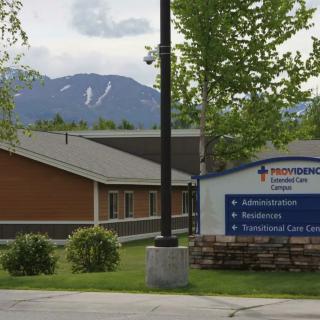
Providence Transitional Care Center

Save
Providence Transitional Care Center Providence Transitional Care Center Providence Transitional Care Center

Providence Transitional Care Center

910 Compassion Circle, Anchorage, AK 99504

For more information about senior living options: (844) 490-3973

4.1 from 9 reviews
5 stars
6
4 stars
1
3 stars
0
2 stars
1
1 stars
1

Skilled Nursing Facility

Overall Review of Providence Transitional Care Center

Pros

  • pro Providence Extended Care is very nice and neat.
  • pro The services and facility are the best.
  • pro The reviewer would highly recommend Providence Extended Care.

Cons

  • pro The reviewer notes that after the ownership change, many things and services were lacking during their stay.
  • pro The reviewer describes the facility as a very bad place to have a parent.
  • pro They report being denied access to see their mother by staff.
  • pro They state that police were called on them, though they claim they did nothing wrong.
  • pro They condemn the staff and security, saying shame on those who mistreat a family and continue working there.

Review

The set of remarks about the local care facility shows a wide range of experiences tied to changes in ownership, the quality of care, and the firmness of visitation policies. One review notes that the facility recently changed hands and is now known as Polaris Transitional and Extended Care. According to that account, the place started out with a pleasant first impression, but over time many things - especially services - slipped away. The reviewer describes a shift from what felt like a decent stay to a situation where several essential aspects of care and daily operations seemed lacking, making the experience far less enjoyable than before. The sense conveyed is that the new ownership has coincided with a decline in what was previously considered satisfactory, leaving the reviewer feeling disappointed in what had once seemed a more positive environment.

In stark contrast to that mixed-to-negative feeling, another reviewer offers a glowing contrast by praising Providence Extended Care. This person emphasizes that the Providence facility is very nice and neat, with superior services and an overall impression of a top-tier environment. The reviewer goes so far as to say that the services and the facility are the best, and they strongly recommend Providence Extended Care to others. The sentiment here is one of high satisfaction, highlighting a consistently favorable experience that stands apart from the negative impressions described regarding Polaris/Polaris Transitional and Extended Care. This positive observation serves as a pointed benchmark within the short compilation of perspectives.

The third voice in the collection is distinctly negative and focuses on a troubling visitation experience. The reviewer asserts that Polaris Transitional and Extended Care is a "very bad place to have your parents," describing a situation in which staff denied him access to see his mother. He identifies himself as the sole son residing in Alaska and expresses deep disappointment, shame, and anger at how the staff and security handled the matter. Police were reportedly involved in the incident, even though the reviewer insists he did nothing wrong and only wished to visit his mother. The account conveys a strong sense of injustice and frustration with the facility's policies and the way they were carried out by staff and security personnel.

The emotional weight of that report cannot be understated. The reviewer asserts that he is not a criminal and seeks clarification from his mother's counselor about "what was my infraction." He describes himself as the oldest son and frames his desire to visit as a reasonable expectation, not a threat or provocation. The language conveys genuine heartbreak and a plea for accountability, coupled with a broader condemnation of what he sees as mistreatment of a family during a vulnerable time. He appeals to the facility to reconsider its approach and to ensure that families are treated with respect rather than suspicion or punitive posture.

Taken together, these reviews sketch a facility landscape characterized by uneven experiences. On one side, there are remarks about a facility undergoing ownership changes with a sense of decline in services and daily operations, leaving residents and families feeling dissatisfied or disappointed. On the other side, there is a strong, positive endorsement of a neighboring or comparable facility, Providence Extended Care, which is described as clean, well-managed, and offering exemplary care. The most troubling narrative revolves around visitation barriers and perceived punitive restrictions, including police involvement and alleged mistreatment of a family seeking access to a loved one. This combination of perspectives highlights the variability that can accompany care facilities in transition and underscores the importance of clear policies, compassionate staff training, and transparent communication with families.

Overall, the collection of opinions suggests that potential residents and their families should look carefully at how a facility handles change, how it manages day-to-day services, and how it respects the needs of visitors. The dramatic contrast between Polaris Transitional and Extended Care and Providence Extended Care indicates that facility quality can vary widely even within the same broader care landscape. For families facing decisions about placement, these accounts emphasize the need to visit multiple facilities, ask pointed questions about visitation rights and incident handling, and seek out firsthand experiences from current residents and other families to inform a well-rounded conclusion.

Features

Housing

  • 50 resident community capacity 50 resident community capacity

Types of Care

  • Skilled Nursing Facility Skilled Nursing FacilitySkilled Nursing Facilities are crucial for seniors as they provide round-the-clock medical care, rehabilitation services, and assistance with daily activities. These facilities ensure that seniors receive the specialized care they need to maintain their health and well-being as they age.

Amenities

  • Beauty salon Beauty salonBeauty salons are important for seniors because they provide a space for them to feel pampered, socialize, and maintain their personal grooming and hygiene. Regular visits to a beauty salon can help boost seniors' self-esteem and overall well-being.
  • Cable or satellite TV Cable or satellite TVCable or satellite TV is important for seniors because it provides entertainment, news, and companionship, helping to combat loneliness and boredom. It also offers a wide range of programming options tailored to different interests and preferences.
  • Dining room Dining roomDining rooms are important for seniors as they provide a space for socialization, connection, and nutritious meals. They offer opportunities for residents to bond over shared meals, foster a sense of community, and promote healthy eating habits. Dining rooms also ensure that seniors have access to well-balanced meals tailored to their dietary needs and preferences.
  • Fully furnished Fully furnishedFully furnished senior living communities are important for seniors because they provide convenience, comfort, and a hassle-free moving experience. Seniors can easily settle into their new living space without the stress of having to buy and move furniture. This allows them to focus on enjoying their new home and community.
  • Garden GardenGardens are important for seniors as they provide a peaceful and therapeutic environment for relaxation, physical activity, and socialization. Being in nature has been shown to reduce stress, improve mood, and promote overall well-being. Gardens also offer opportunities for seniors to engage in gardening activities, which can improve mobility, flexibility, and cognitive function. Additionally, gardens create a sense of community and connection with others who share a passion for plants and outdoor spaces.
  • Housekeeping services Housekeeping servicesHousekeeping services are important for seniors because they help maintain a clean and safe living environment, promote independence, and reduce the risk of accidents or illnesses. Additionally, having assistance with household chores can alleviate physical strain and allow seniors to focus on other aspects of their well-being.
  • Kitchenette KitchenetteKitchenettes are important for seniors living in senior living communities because they provide the convenience and independence of being able to prepare simple meals and snacks in the comfort of their own living space. This can help promote a sense of autonomy and well-being for seniors, allowing them to maintain some level of control over their dietary choices and daily routines.
  • Move-in coordination Move-in coordinationMove-in coordination is important for seniors because it helps ease the transition into their new living environment. It ensures that all logistics, such as packing, organizing movers, and setting up utilities are taken care of, allowing seniors to focus on settling in and adjusting to their new home. Having a smooth move-in process can alleviate stress and anxiety, making the transition smoother and more enjoyable for seniors.
  • Outdoor space Outdoor spaceOutdoor spaces are important for seniors as they provide opportunities for physical activity, social interaction, exposure to natural light and fresh air, and a sense of connection to nature. Having access to outdoor spaces can improve overall well-being and quality of life for older adults living in senior communities.
  • Restaurant-style dining Restaurant-style diningRestaurant-style dining is important for seniors because it allows them to enjoy delicious, nutritious meals in a social and upscale setting. This enhances their dining experience, promotes healthy eating habits, and fosters socialization with fellow residents, ultimately contributing to their overall well-being and quality of life.
  • Small library Small librarySmall libraries are important for seniors as they provide access to a variety of reading materials, including books, newspapers, and magazines. This can help stimulate their minds, keep them engaged, and provide a sense of community through book clubs and other social activities. Additionally, reading has been shown to improve cognitive function and overall mental well-being in older adults.
  • Telephone TelephoneTelephones are important for seniors as they provide a lifeline for communication with loved ones, emergency services, and healthcare providers. They offer a sense of security and independence, enabling seniors to stay connected and access assistance when needed.
  • Wi-Fi/high-speed internet available Wi-Fi/high-speed internet availableWi-Fi/high-speed internet is important for seniors to stay connected with loved ones, access online resources, and participate in virtual activities to combat feelings of loneliness and isolation. It also allows them to easily manage healthcare needs, access entertainment, and engage in lifelong learning opportunities.

Transportation

  • Ted Stevens Anchorage International (8 miles away) Ted Stevens Anchorage International (8 miles away)

Care Services

  • 24-hour call system 24-hour call system24-hour call systems are important for seniors because they provide peace of mind and immediate assistance in case of emergencies. This technology ensures that help is always available, promoting safety and security for elderly individuals living alone or in assisted living facilities.
  • 24-hour supervision 24-hour supervision24-hour supervision is important for seniors to ensure their safety, well-being, and access to immediate assistance in case of emergencies or health issues. This constant support provides peace of mind for both seniors and their loved ones, allowing them to age in place with dignity and security.
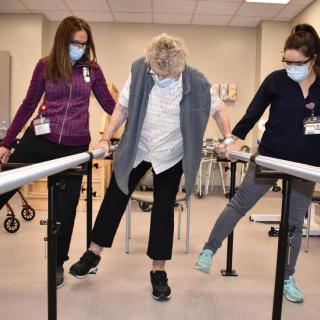
  • Activities of daily living assistance Activities of daily living assistanceActivities of daily living assistance are important for seniors because they provide essential support with tasks such as eating, bathing, dressing, and mobility. This assistance helps seniors maintain their independence, dignity, and overall quality of life as they age.
  • Assistance with bathing Assistance with bathingAssistance with bathing is crucial for seniors as it helps maintain personal hygiene, prevents infections, and ensures their overall well-being and comfort. It also provides a sense of dignity and independence for seniors who may struggle with this task on their own.
  • Assistance with dressing Assistance with dressingAssistance with dressing is important for seniors because it helps maintain their independence, promotes personal hygiene, prevents accidents and injuries, and improves overall quality of life. This service ensures that seniors can continue to dress comfortably and confidently, despite any physical limitations they may have.
  • Assistance with transfers Assistance with transfersAssistance with transfers is crucial for seniors as it helps prevent falls and injuries, maintains their independence, and ensures they can safely navigate their living environment. It also provides peace of mind for both seniors and their loved ones.
  • Diabetes diet Diabetes dietA diabetes diet is crucial for seniors as it helps manage blood sugar levels, reduce risks of complications, and improve overall health and well-being. By following a balanced and nutritious diet tailored to their specific needs, seniors can better control their diabetes and enhance their quality of life.
  • Meal preparation and service Meal preparation and serviceMeal preparation and service are crucial for seniors as they may have limited mobility or energy to cook nutritious meals. Having access to healthy and convenient food options can ensure they are getting the proper nutrition needed to maintain their overall health and well-being.
  • Medication management Medication managementMedication management is crucial for seniors to ensure they are taking the right medications at the correct dosages and times. This helps prevent adverse drug interactions, reduces the risk of medication errors, and promotes overall health and well-being. Proactive management also allows for adjustments as needed based on changing health conditions or new prescriptions.
  • Mental wellness program Mental wellness programMental wellness programs are essential for seniors as they promote cognitive stimulation, emotional support, and social engagement. These programs help prevent isolation, depression, and cognitive decline, ultimately enhancing the overall quality of life for older adults.
  • Special dietary restrictions Special dietary restrictionsSpecial dietary restrictions are important for seniors because age-related changes in metabolism and health conditions can make it difficult for their bodies to process certain foods. By following a diet tailored to their specific needs, seniors can maintain their overall health and well-being, manage chronic conditions, and reduce the risk of complications such as malnutrition or food interactions with medications.

Dining

  • Diabetes diet Diabetes dietA diabetes diet is crucial for seniors as it helps manage blood sugar levels, reduce risks of complications, and improve overall health and well-being. By following a balanced and nutritious diet tailored to their specific needs, seniors can better control their diabetes and enhance their quality of life.
  • Special dietary restrictions Special dietary restrictionsSpecial dietary restrictions are important for seniors because age-related changes in metabolism and health conditions can make it difficult for their bodies to process certain foods. By following a diet tailored to their specific needs, seniors can maintain their overall health and well-being, manage chronic conditions, and reduce the risk of complications such as malnutrition or food interactions with medications.

Activities

  • Community-sponsored activities Community-sponsored activitiesCommunity-sponsored activities are important for seniors as they provide opportunities for social interaction, mental stimulation, and physical activity. These activities can help improve overall well-being, combat loneliness and isolation, and promote a sense of belonging and purpose among older adults.
  • Resident-run activities Resident-run activitiesResident-run activities are important for seniors as they encourage social interaction, creativity, and a sense of autonomy. These activities empower seniors to stay engaged and active in their community while fostering meaningful connections with their peers.
  • Scheduled daily activities Scheduled daily activitiesScheduled daily activities are important for seniors because they provide structure, socialization, mental stimulation, and physical activity. Engaging in regular activities can improve overall well-being and quality of life for seniors living in a community setting.

Description

Providence Transitional Care Center in Anchorage, AK is an assisted living community that provides a comfortable and convenient environment for its residents. The center offers a range of amenities to ensure a pleasant living experience. Each room is fully furnished and equipped with cable or satellite TV and Wi-Fi/high-speed internet access. Residents can enjoy their meals in the dining room or opt for restaurant-style dining. A small library is available for leisure reading.

The care services provided at Providence Transitional Care Center aim to meet the individual needs of each resident. With 24-hour supervision, residents can feel secure knowing that assistance is always available. Trained staff are on hand to provide assistance with activities of daily living such as bathing, dressing, and transfers. Medication management ensures that residents receive their necessary medications on time. A mental wellness program is also offered to support the emotional well-being of residents.

Dining options cater to special dietary restrictions, ensuring that each resident's unique needs are met. Meal preparation and service are provided, allowing residents to enjoy delicious and nutritious food without the hassle of cooking.

Residents have plenty of opportunities for engagement and entertainment through resident-run activities and scheduled daily activities organized by the community. Nearby cafes, parks, pharmacies, physicians' offices, restaurants, places of worship, theaters, and hospitals offer convenience and accessibility for residents.

Overall, Providence Transitional Care Center offers a supportive environment where residents can enjoy a comfortable lifestyle while receiving personalized care and support as needed.

Nearby Places of Interest

Restaurants

  • McDonald's (0.2 miles)
  • Hula Hands Restaurant 4630 (1.1 miles)
  • Subway (1.1 miles)
  • Max's Beefy Burgers (1.2 miles)
  • Ronnie 2 (1.4 miles)
  • Arby's (1.5 miles)
  • Ding How (1.5 miles)

Cafes

  • CaffĂ© D'arte Alaska (0.5 miles)
  • Arctic Grounds Coffee Company (1.1 miles)
  • Starbucks (1.6 miles)
  • Kaladi Brothers Coffee (2.3 miles)

Parks

  • The Polar Bear Park (0.6 miles)
  • Castle Heights Park (2 miles)
  • Little Dipper Park (2.4 miles)

Places of Worship

  • St Innocent Russian Orthodox Cathedral (0.8 miles)
  • Anchorage Baptist Temple (1.2 miles)

Physicians

  • Alaska Commons Surgery Center (0.9 miles)
  • Mountain View Health Center (1.5 miles)
  • University Imaging Center (1.6 miles)
  • John Baptist Dekeyser (1.6 miles)
  • Pioneer GI Clinic (1.6 miles)
  • Alaska Oncology and Hematology (1.7 miles)
  • Alaska Regional Hospital Radiology (1.7 miles)

Hospitals

  • North Star Behavioral Health System Hospital (1.2 miles)
  • Alaska Department Of Veterans Affairs - VA Hospital (1.7 miles)
  • Alaska Va Healthcare System (1.8 miles)
  • Hall, Meghan - Coalition Health Center (1.8 miles)
  • JBER Hospital (1.9 miles)
  • JBER Dental Clinic (1.9 miles)
  • Psychiatric Emergency Department at Providence Alaska Medical Center (2.1 miles)

Pharmacies

  • Walgreens (1.3 miles)
  • CVS Pharmacy (1.4 miles)
  • Allegiance Health Care (1.7 miles)
  • Ivy Home Infusions (1.7 miles)
  • Providence Health Park Pharmacy (2.3 miles)

Theaters

  • Regal Tikahtnu IMAX & RPX (1.6 miles)

Frequently Asked Questions

Where is Providence Transitional Care Center?
What photos are available for Providence Transitional Care Center in Anchorage, Alaska?

Nearby Communities

  • Providence Extended Care

    Providence Extended Care

    Anchorage, AK

    4.1 from 9 reviews
     

    pro 24/7 care with extensive on-site amenities

  • Lily Ann's Home Care

    Lily Ann's Home Care

    Anchorage, AK

    4.5 from 13 reviews
     

    pro 24-hour supervision with ADL support, medication management, diabetes-friendly dining, and transportation to medical appointments.

  • Freedom House Alh II

    Freedom House Alh II

    Anchorage, AK

    3.3 from 12 reviews
     

    pro Comprehensive care with meals, housekeeping, and transport.

  • Flourishing Assisted Living Home

    Flourishing Assisted Living Home

    Anchorage, AK

    4.4 from 35 reviews
     

    pro Intimate, fully furnished home with 24/7 staff, ADL assistance, on-site meals, and coordinated healthcare.

  • Fidelity Assisted Living Home

    Fidelity Assisted Living Home

    Anchorage, AK

    4.7 from 14 reviews
     

    pro 24/7 supervision and personalized, home-like care.

  • Agape Living II

    Agape Living II

    Anchorage, AK


    pro Fully furnished apartments with 24/7 supervision, housekeeping, and comprehensive care.

  • Aspen Creek

    Aspen Creek

    Anchorage, AK

    4.7 from 64 reviews
    $6,200 to $7,500 / month

    pro Friendly, attentive staff in a beautiful, well-maintained facility with engaging activities.

  • Northern Comfort

    Northern Comfort

    Wasilla, AK


    pro Small, intimate setting with 24/7 supervision and personalized care.

Skilled Nursing Facility in Nearby Cities

Related Resources

  • what does the sandwich generation meanUnderstanding the Sandwich Generation: Stress and Responsibilities for Multigenerational Caregivers

    The Sandwich Generation comprises adults managing the dual responsibilities of caring for aging parents and raising children, leading to significant emotional, logistical, and financial challenges. This situation is exacerbated by longer life expectancies and cultural expectations, necessitating effective coping strategies and support resources to alleviate caregiver stress and burnout.

  • assistive devices for elderly8 Essential Assistive Devices for Older Adults

    The article highlights eight essential assistive devices that improve the independence and safety of older adults, addressing issues related to mobility, balance, vision, hearing, and dexterity. It emphasizes the importance of proper selection guided by healthcare professionals to enhance seniors' quality of life while allowing them to age in place.

  • how to pay for nursing homeNavigating the Financial Road to Nursing Home Care: In-Depth Guidance and Resources
    The article offers detailed guidance on the financial complexities of nursing home care, covering costs, payment methods, and alternative funding strategies while emphasizing the importance of proactive planning and legal considerations for individuals and families making care decisions.