
6133 East 12th Avenue, Anchorage, AK 99504
For more information about senior living options: (866) 208-4318

Overall Review of Fidelity Assisted Living Home
Pros
 The management and caregiving staff at Baxter Senior Living support residents every step of the way.
- Baxter Senior Living feels less like a facility and more like a community where residents can get involved and support each other.
- The management has done a beautiful job of fostering a caring, supportive environment.
- Baxter Senior Living is a wonderful place to live, with staff who are hardworking, friendly, and genuinely care about residents.
- Baxter Senior Living is a community, not an institution.
- General Manager Travis and his team have made Baxter Senior Living a gem for senior care in East Anchorage.
- The staff extend a warm welcome, demonstrating compassion and respect consistently.
- Residents appreciate camaraderie, quality meals, and reliable assistance at Baxter Senior Living.
Review
This community is best suited for seniors who want a warm, neighborly living experience in Anchorage, with a strong emphasis on social engagement and continuity of care. The testimonials consistently describe a setting that feels less like an institution and more like a neighborhood where residents help one another and staff cultivate real connections. Families note smooth transitions from assisted living to memory care, driven by a caregiving team that stays engaged, responsive, and respectful. For seniors who value daily interaction, purposeful activities, and meals that feel thoughtfully prepared, this is a compelling fit.
Those considering alternatives should factor in the kinds of care needs that may require a more clinical, hospital-like environment or a setting with a different pace and vibe. If the priority is cutting-edge medical oversight, highly specialized therapies, or a larger campus with broader on-site medical resources, another option may be more appropriate. Likewise, families seeking primarily private independence with minimal structured programming might find a different community that leans more toward apartment living and fewer organized activities. In short, this model excels at culture, care, and community, traits that can outweigh other configurations for the right resident.
The core advantages are tangible and consistently echoed by families: attentive staff who are perceived as genuinely caring, a culture that feels communal rather than bureaucratic, and a clean, well-maintained facility. Residents benefit from a robust social ecosystem, an array of activities, strong resident engagement, and ready access to meals and daily routines that reinforce safety and well-being. The transition path between assisted living and memory care is highlighted as a strength, with management and caregivers demonstrating compassion and respect throughout. Cleanliness, reliability in addressing issues, and a reputation as a “gem” for senior care help turn concerns about aging logistics into confidence about daily life.
Where the strongest pros translate into practical decisions, the implied drawbacks are modest and offset by the positives. The most plausible concern is that a residence this focused on community, social life, and day-to-day support may feel less like a highly medicalized environment to families accustomed to hospital-grade oversight. In that case, the offset comes through the very strengths on display: proactive on-site leadership, responsive caregiving, and a high degree of resident satisfaction across the care spectrum. A well-organized campus with easy access to dining and common areas supports both independence and safety, while the presence of a memory care pathway ensures continuity of care as needs evolve.
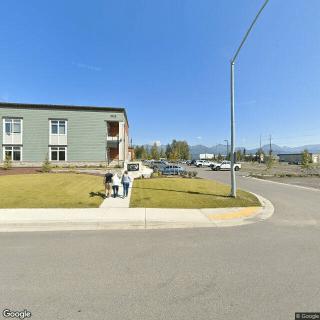
To assess fit during a visit, focus on elements that reflect the daily lived experience described in the reviews. Observe how staff interact with residents, whether conversations are respectful, warmth comes through in tone and actions, and how quickly concerns are acknowledged. Check the layout for practical needs: a first-floor option with convenient access to dining and amenities, the availability of comfortable one-bedroom apartments, and easy movement between living spaces and care areas. Inquire about meal quality and menu variety, the cadence of planned activities, and opportunities for resident-led or volunteer-supported programming. These factors, coupled with a transparent sense of leadership and a welcoming, engaged resident community, often determine whether this setting becomes a true home.
In the end, this Anchorage community shines for families seeking a nurturing, socially rich home where compassionate care is the baseline and community life is the vehicle for aging well. The strongest fit is for seniors who prize belonging, daily engagement, and reliable support that travels with them as needs evolve. Those who require intense clinical interventions, or who prefer a more secluded, independent-living focus, should weigh alternatives with larger medical footprints or different pacing. For the right resident, this environment delivers measurable peace of mind: happiness, safety, and a sense of belonging that many families say makes the daily realities of aging easier to manage.
 4 resident community capacity
 Assisted Living
 Board and Care Home
 Cable or satellite TV
 Dining room
 Fully furnished
 Garden
 Housekeeping services
 Move-in coordination
 Outdoor space
 Telephone
 Wi-Fi/high-speed internet available
 Ted Stevens Anchorage International (8 miles away)
 24-hour supervision
 Activities of daily living assistance
 Assistance with bathing
 Assistance with dressing
 Assistance with transfers
 Diabetes diet
 Meal preparation and service
 Medication management
 Special dietary restrictions
 Transportation arrangement (medical)
 Transportation to doctors appointments

 An Extensive Exploration of the VA Aid and Attendance Benefit
 Senior Transition Services: Understanding Their Role, Cost, and Importance
 Exploring the Path to Senior Living: A Comprehensive Look at Independent Living and Assisted Living