
700 First Avenue, Pleasant Grove, AL 35127
For more information about senior living options: (866) 208-4318
Overall Review of Caregivers Of Pleasant Grove
Pros
 The experience was pleasant and the facility was clean.
- The facility prioritizes safety by verifying who is in the building.
- The staff were very helpful and attentive.
- The team provides outstanding customer care and service.
- The staff were nice and professional, uplifting residents with smiles and inspiration.
- The facility is very clean, and the staff are informative and helpful.
- Everyone was kind, lovely, helpful, and respectful throughout the visit.
Cons
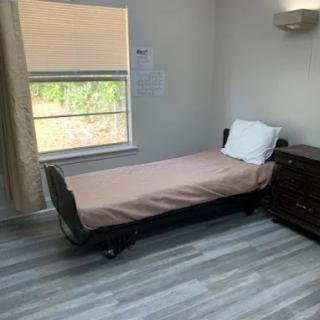
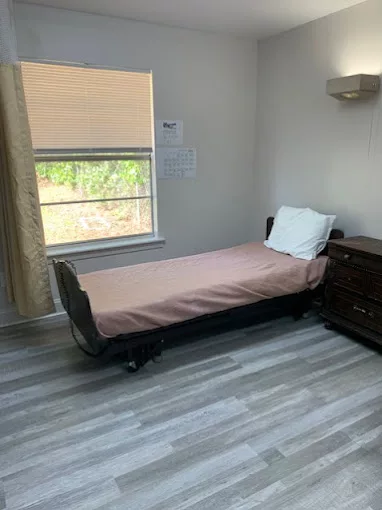
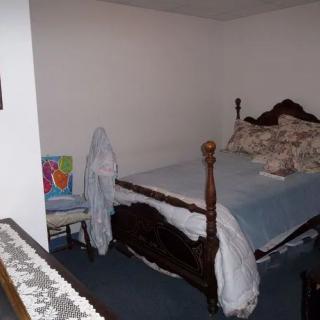
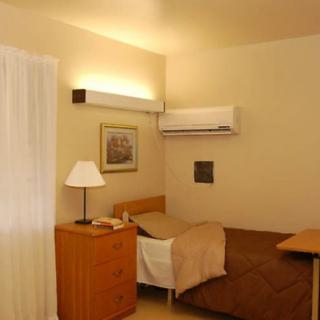
 The patient room was a little warm, even with the door open.
- Chairs for visitors were a little worn.
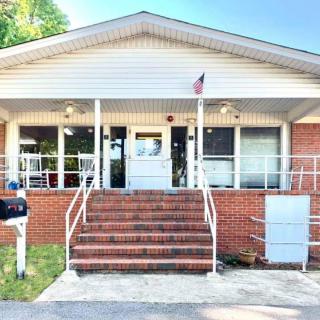
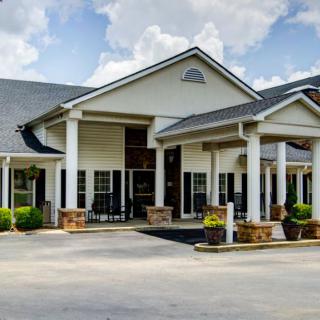
- The state should consider building a new facility.
- Some residents appeared a bit non attentive at first.
- They deserve a new facility and the patients as well.
Review
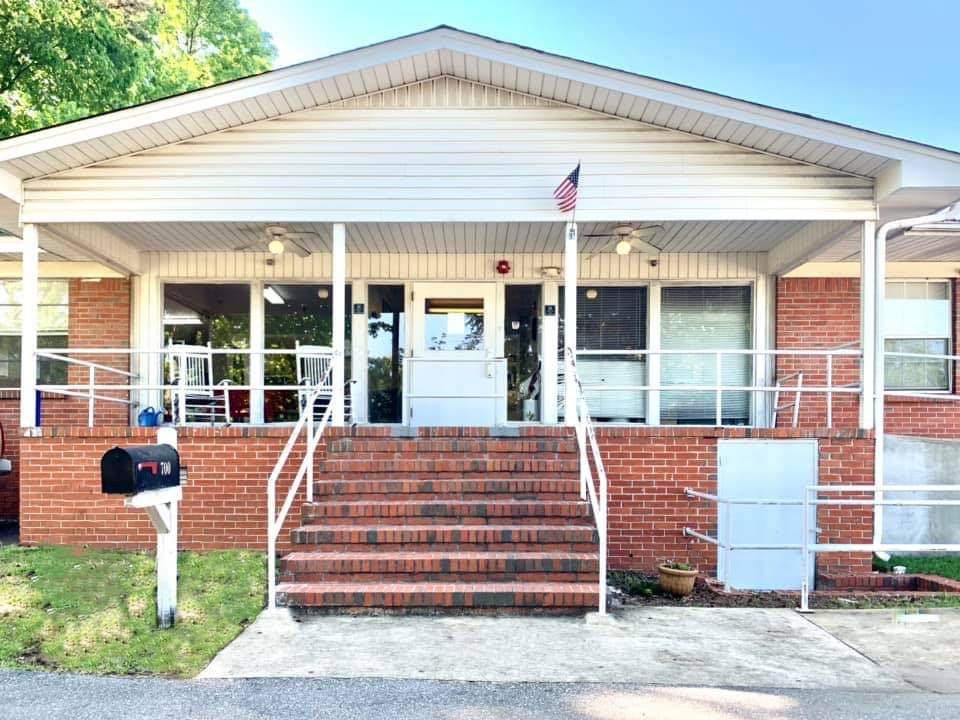
Caregivers Of Pleasant Grove is best suited for families seeking a warm, hands-on care environment where staff engagement, personal attention, and a sense of community are the core strengths. The facility consistently reads as clean and well maintained, with a staff that shows genuine care in daily interactions. Residents appear to benefit from attentive caregivers who address individual needs, and the overall culture emphasizes respect, friendliness, and a calm, supportive atmosphere. For families prioritizing meaningful human connection, predictable routines, and accessible assistance, this community delivers reliable value without sacrificing a sense of neighborhood camaraderie. The presence of spiritual or faith-inspired elements also makes it a natural fit for households that value that dimension as part of daily life.
Those who should consider alternatives are those who equate senior living with the latest architectural polish or cutting-edge amenities. A recurring note from several voices and the common sense of a facility that some perceive as aging suggest that modernization may be a priority for certain families. The call for a newer building isn’t a trivial preference; it signals a desire for updated spaces, more expansive common areas, and perhaps roomier, more contemporary living spaces. If a sleek, showroom-style environment with the feel of a campus or if highly specialized clinical infrastructure is non-negotiable, other communities with newer construction and more expansive renovations could be a better fit. Families should also weigh the needs of residents requiring highly specialized memory care or advanced medical oversight, where dedicated units and equipment may matter more than interpersonal warmth alone.
The strongest offset to the main drawbacks lies in the proven strengths: the staff’s attentiveness, the clean setting, and the culture of care. When care team members are described as friendly, helpful, and genuinely invested in residents’ well-being, the daily experience becomes a reliable anchor for families navigating uncertainty about changing living arrangements. Cleanliness and orderly presentation consistently appear as tangible comfort factors, reinforcing safety and dignity in daily routines. The clarity of routines and the facility’s practice of verifying who is in the building add a layer of security that matters to families monitoring access and continuity of care. The presence of a spiritually supportive environment and the expressed commitment of the team to individual resident needs further bolster confidence that residents will feel seen and valued, even if the building itself may not be the newest on the block.
On the downside, the aging facility and some minor comfort gaps temper enthusiasm. A reviewer pointed to the desire for a newer building, signaling potential long-term considerations around capital improvements and modern conveniences. A few practical touchpoints, the warmth of patient rooms at times, and visitor seating that shows wear, are not existential barriers, but they do matter to families evaluating comfort for longer stays or frequent visits. These concerns are not fatal; they simply raise the bar for due diligence. The presence of occasional signs that some residents appeared less attentive at first glance is not unusual in any community; what matters is how quickly staff respond to those moments and how consistently individual attention is aligned with care plans. Families should verify the stability of staff-to-resident ratios, response times, and whether any specialized therapies or activities meet their loved one’s needs.
Practical steps to make a well-informed decision are straightforward. Schedule tours at different times to observe how staff engage residents during routine care, mealtimes, and leisure activities. Ask to meet direct care staff and to review how care plans are developed, updated, and communicated with families. Request a sample meal to assess quality and dietary flexibility, and probe the dining experience for residents who have specific preferences or restrictions. Inquire about the facility’s renovation plans, anticipated timelines, and how these plans might affect operations during upgrades. Take note of comfort factors such as room temperature control and seating availability, and challenge the community to show examples of updated equipment or furnishings if modernization is a priority. Finally, speak with residents and visiting family members about consistency of care, empathy in daily interactions, and the feel of the environment over time.
In the end, Caregivers Of Pleasant Grove offers a compelling mix of dependable staff, a clean, orderly setting, and a culture that honors residents with warmth and respect. It is a strong match for families who value interpersonal connection, reliable day-to-day caregiving, and a community atmosphere that feels like home, with an added emphasis on spiritual life for those who welcome it. The main caveat is the facility’s apparent age and the potential for renovation needs, which can affect comfort and certain amenities. For households where modern aesthetics and cutting-edge infrastructure are non-negotiable, or where highly specialized memory-care resources are essential, exploring newer builds may be warranted. For others, the balance of people, care, and character at this community remains compelling enough to prioritize a decision based on relational quality and consistent service over the shine of new construction.
 64 resident community capacity
 Skilled Nursing Facility
 Air-conditioning
 Beauty salon
 Cable or satellite TV
 Computer center
 Dining room
 Fitness room
 Fully furnished
 Gaming room
 Garden
 Housekeeping services
 Kitchenette
 Move-in coordination
 Outdoor space
 Private bathrooms
 Restaurant-style dining
 Small library
 Telephone
 Wellness center
 Wi-Fi/high-speed internet available
 Birmingham International (13 miles away)
 Community operated transportation
 12-16 hour nursing
 24-hour call system
 Activities of daily living assistance
 Assistance with bathing
 Assistance with dressing
 Assistance with transfers
 Diabetes diet
 Medication management
 Mental wellness program
 Special dietary restrictions
 Concierge services
 Planned day trips


 Caregiver Exhaustion: Recognizing the Signs and Restoring Your Well-Being
 Understanding Hospice Care at Home: Comprehensive Services, Key Benefits, and Eligibility
 Understanding the Full Cost of 24/7 In-Home Care: A Detailed Overview