
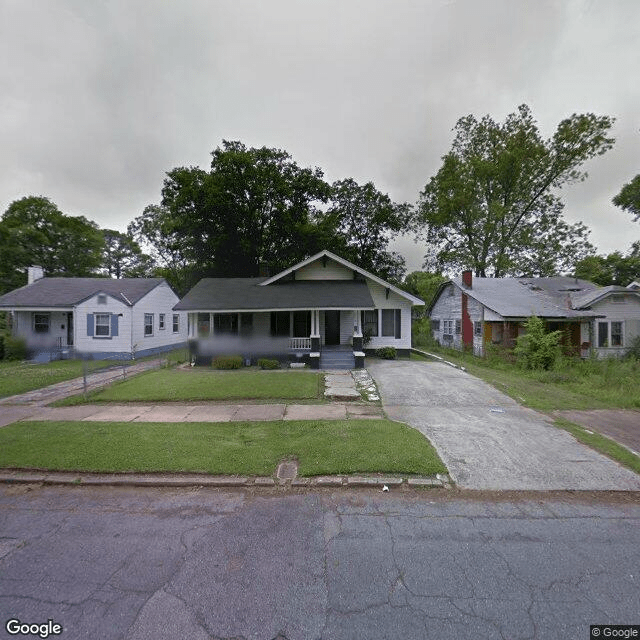
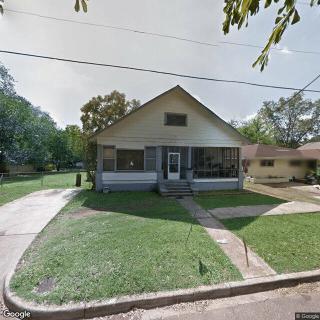
3218 Avenue F, Birmingham, AL 35218
To contact a resident: (205) 223-0108
For more information about senior living options: (866) 208-4318
Love Embrace Quality Care Service Costs & Pricing
Love Embrace Quality Care Service offers competitive pricing for its private room and one-bedroom accommodations, charging $1,300 per month for both options. This cost stands in stark contrast to average rates in Jefferson County, Alabama, where private rooms can reach up to $4,926 and one-bedroom units average around $3,094. Even when compared to the state averages of $4,158 for private rooms and $3,417 for one-bedrooms, Love Embrace presents a significant value proposition. Their pricing reflects a commitment to accessible quality care without compromising on the level of service provided.
| Floor plans | Love Embrace Quality Care Service | Jefferson County | Alabama |
|---|---|---|---|
| 1 Bedroom | $1,300 | $3,094 | $3,417 |
| Private | $1,300 | $4,926 | $4,158 |
Memory care communities with a similar price nearby
-
from -$100 / mo
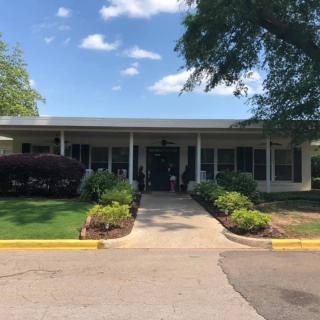
Plantation Manor
$1,200 to $3,400 / month14.4 miles away -
from +$95 / mo

Elite Senior Living Center
$1,395 to $2,450 / month8.2 miles away
Overall Review of Love Embrace Quality Care Service
Pros
 They are very attentive and helpful.
- The caregivers are great.
- It is a loving, home-like environment with abundant care, very family-oriented, and ideal for daily living activities.
- It is an all-women's facility that is a great choice for loved ones.
- They would definitely reach out to the facility again if needed.
Cons
 It was not a good experience for her elderly mom.
- They would not recommend the facility.
- The price increased from $700 per month to $1,200 for the golden package.
Review
Love Embrace Quality Care Service in Birmingham, AL is best suited for families seeking a warm, home-like residential option where daily living support and personal attention are the core promise. The setting tends to resonate with elders who thrive in a small, family-oriented environment, where caregivers feel like trusted extended family. The community operates as an all-women facility, a feature that brings comfort for some and a constraint for others. Those requiring mixed-gender surroundings, or robust medical oversight and memory-care specialization, will want to evaluate alternatives. In short, this is a practical match for households prioritizing intimate caregiving, predictable routines, and a home-of-choice atmosphere over clinical intensity or large-scale operations.
Pros are consistently described in ways that matter for daily life: attentive, helpful caregivers; a genuine sense of warmth; and a setting that keeps daily routines anchored. Families report staff members are responsive and present, and that care needs are met with a patient, steady approach. The home-like environment, with its family-oriented culture, appears to promote comfort, reduced disruption, and meaningful engagement in activities of daily living. For residents who thrive on personal attention and predictable schedules, these attributes translate into meaningful quality of daily living and steadier, more independent functioning in routine tasks.
Two notes of caution temper the otherwise positive tone. One reviewer described a disappointing experience for an elderly mom and family, signaling that outcomes can vary by situation and expectations. The same account also highlighted a substantial price increase, moving from about $700 a month to $1,200 for a so-called “golden package.” That kind of pricing shift raises questions about value, inclusions, and how contracts are structured over time. In practical terms, the change matters for budgeting, and it can undercut satisfaction if the perceived benefits don’t clearly align with the cost.
In addition to price sensitivity, the all-women model may be a decisive factor for some families while a drawback for others. For some residents, the environment aligns with preferences for quiet companionship and gender-specific social dynamics; for others, it may feel restrictive or unsuitable. Another gap in the public narrative is clarity about the level of medical oversight, staffing ratios, and availability of memory care or skilled nursing services. Prospective families should press for specifics: how caregivers are matched with residents, what medical accessibility exists on nights and weekends, and what happens when more intensive care is needed.
Despite these cautions, the upside remains compelling for many families. When warmth, attentiveness, and consistent help with daily activities are the priority, the strong caregiver presence and homey atmosphere can justify a premium price. The positive reviews cluster around care quality and personal connections, suggesting that the value lies in being treated like family and in keeping routines intact. The solitary negative experience should be weighed against a larger sample, but it serves as a reminder to verify pricing terms, inclusions, and the possibility of future rate increases before committing.
For families considering this community, the prudent path is to visit, ask for a detailed, written care plan and rate breakdown, and request transparent terms on what the golden package covers and what could trigger price changes. Seek conversations with current residents or their families, review licensing and safety credentials, and compare with other Birmingham options that balance cost, care levels, and gender dynamics. This community is a strong contender for those who want a nurturing, woman-focused residential setting with attentive caregivers and a home atmosphere, provided the budget aligns and the care plan matches evolving needs. In the right circumstances, it delivers practical, reliable comfort that can support sustained quality of life.
 Board and Care Home
 Day Program
 Memory Care
 Dogs allowed
 Devotional services off-site
 Indoor common areas
 Outdoor common areas
 Private
 Birmingham International (10 miles away)
 Incontinence care
 Meals provided






 Understanding the Distinctions: Assisted Living and Memory Care Explained
 How to Communicate with a Loved One Living with Dementia: 10 Supportive Strategies
 Comprehensive Guide to VA Nursing Homes: A Crucial Long-Term Care Resource for Veterans