






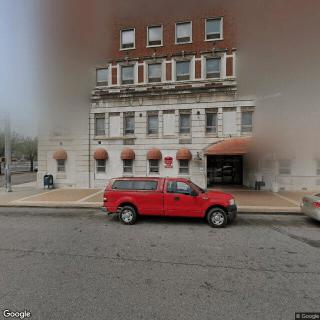
1028 Bessemer Rd, Birmingham, AL 35228
To contact a resident: (205) 923-1777
For more information about senior living options: (866) 208-4318
Overall Review of Fairview Health & Rehab Center
Pros
 The staff at West Hill Health and Rehab are professional and do a fantastic job caring for residents.
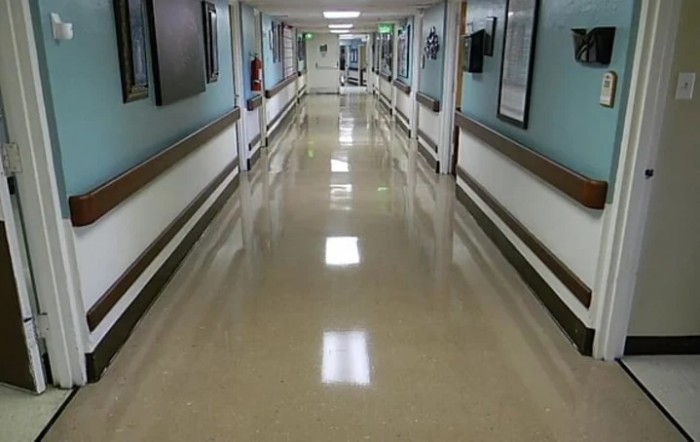
- The facility is clean, and residents receive daily nutritious meals.
- West Hill has a warm, family-oriented atmosphere that makes residents feel at home.
- The staff are friendly, kind, and greet visitors with a smile.
- West Hill communicates with families and addresses concerns in a timely manner.
- The staff go above and beyond to meet residents' needs and ensure their happiness.
Cons
 They claim that the facility mistreats residents.
- The reviewer asserts that staff failed to properly care for the feeding tube, leading to bed sores and multiple emergency visits.
- The reviewer alleges that the feeding tube fell out because staff did not know how to flush tubes.
- The reviewer accuses staff of not caring and only wanting a paycheck.
- The reviewer warns others not to take their loved ones to Fairview Nursing Home.
Review
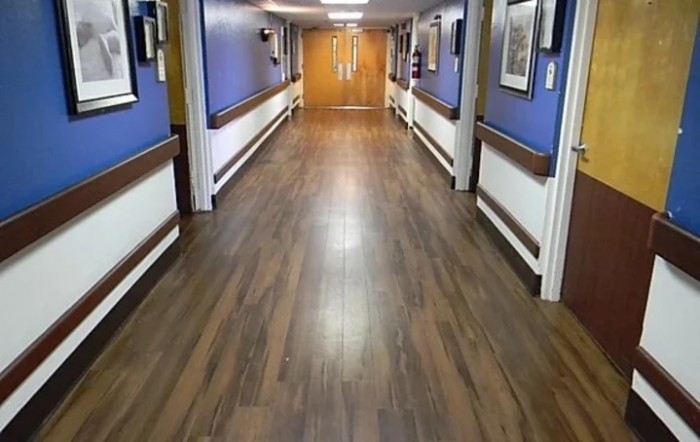
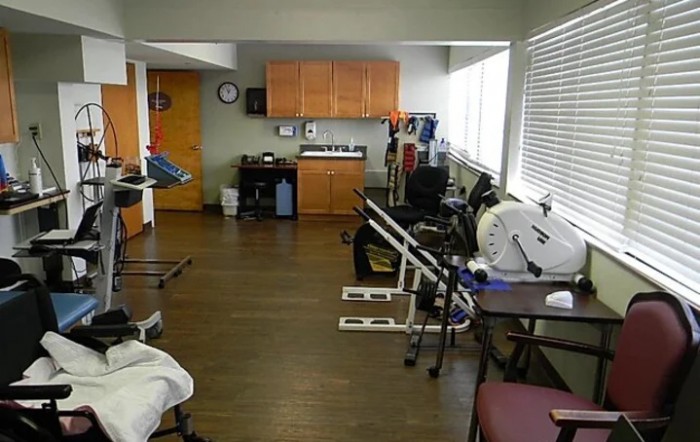
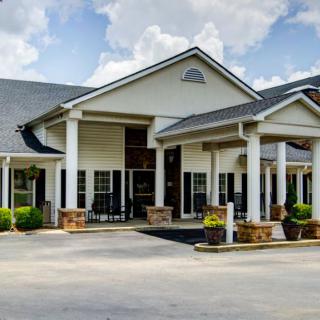
Fairview Health & Rehab Center in Birmingham is best suited for families seeking a rehab‑forward, home‑like environment where staff engagement, cleanliness, and dependable family communication shape daily life. The reviews converge on a facility that residents and their families describe as welcoming, with aides and nurses who greet visitors and a structured routine that supports recovery after an acute event. The strongest case is for residents who can benefit from an active rehabilitation program, clear nutrition standards, and a culture that emphasizes keeping families informed about changes in condition. For families willing to invest time in visits and ongoing dialogue, Fairview appears to deliver tangible progress and a sense of continuity.
Those who may want alternatives are families prioritizing an ironclad safety record and uniformly high care across all shifts. Several reviews raise red flags: there are accounts alleging mistreatment, a historic feeding‑tube incident, bed sores, and concerns about staff accountability. While some voices reflect older experiences or unique circumstances, they create a risk signal that should be taken seriously. The notes about branding or branding confusion, mentions of West Hill and Fairview in the same threads, also suggest communication gaps that could complicate decision making. Prospective buyers should verify current leadership, recent incident history, and frontline staffing dynamics during a visit.
From the upside, the positives center on care staff described as professional and attentive, a clean and orderly environment, nutritious meals, and frequent family updates. Several families credit staff with producing meaningful progress in recovery, including cognitive and mobility gains after a stroke, and a shift from wheelchair dependence to walking with assistance. That rehab momentum is not incidental; it points to a program capable of translating into practical gains for residents who require intensive support. In short, the core strengths, staff engagement, cleanliness, and transparent communication, tend to align with better outcomes in rehab and daily comfort.
Nevertheless, the cons tied to safety and consistency cannot be dismissed. The most troubling notes revolve around perceived neglect or missteps that could jeopardize a resident’s safety and comfort. Even if these accounts are not the majority, they create a cautionary backdrop: families should probe how the facility handles medical devices, pressure injuries prevention, and routine monitoring. The gap between strong interpersonal care and the potential for critical incidents is where decision‑makers must demand concrete assurances: current staffing levels on each shift, supervisory presence, and a transparent process for reporting and resolving issues.
Alternative considerations should be weighed for families who want a simpler, consistently flawless safety profile or a more intensive medical model. Other communities with uniformly strong endorsements might better serve residents with complex wounds, high fall risk, or relatives who require near‑constant reassurance. If location convenience, hospital affiliations, or access to specialized therapy programs matters, compare drive times, nearby hospitals, and the breadth of therapy offerings. A deliberate, side‑by‑side tour supplemented by conversations with current residents and families will reveal whether the perceived strengths at Fairview translate into daily peace of mind.
Bottom line: Fairview Health & Rehab Center offers a practical fit for families who value a warm, neighborly atmosphere paired with an active rehab program and steady family communication. When staffing is consistent and oversight is strong, meaningful rehabilitation gains are within reach and daily life feels more manageable for the resident and family alike. For decision‑makers, the recommended approach is a thorough on‑site evaluation: request current care plans, meet the therapy team, and review recent performance indicators and incident histories. If those assurances align with expectations, Fairview earns a confident recommendation; if they do not, it is wise to pursue alternatives with demonstrably stronger safety records and more consistent care across shifts.
 Skilled Nursing Facility
 Activities on-site
 Devotional services off-site
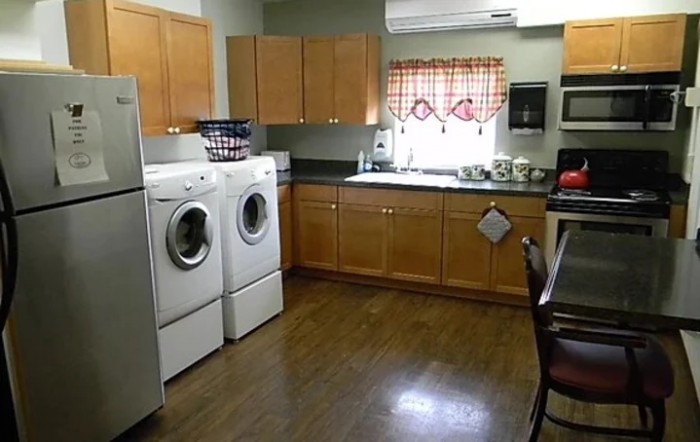
 Indoor common areas
 Birmingham International (10 miles away)
 Ambulatory care
 Diabetic care
 Meals provided



 Comprehensive Exploration of Living Wills and Other Advance Directives
 A Detailed Exploration of Living Wills and Advance Directives
 Comprehensive Guide to Medicare Coverage for Hospice Care