
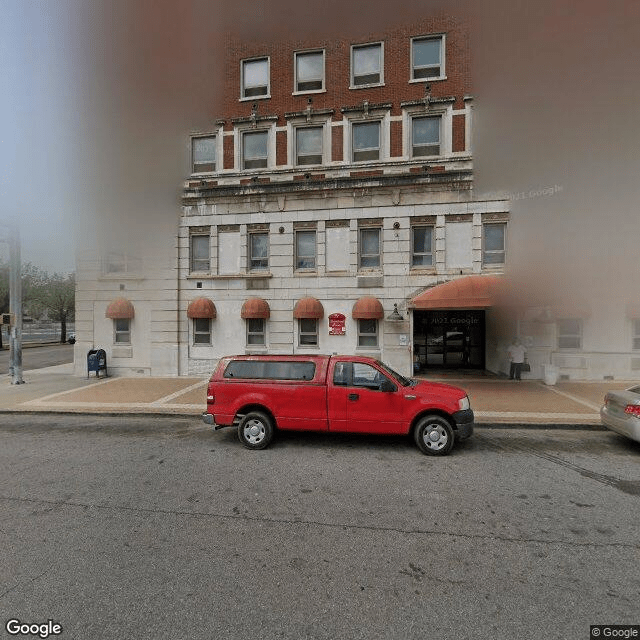
2300 5th Ave N, Birmingham, AL 35203
To contact a resident: (205) 252-1900
For more information about senior living options: (866) 208-4318
Overall Review of Bankhead Towers
Pros
 The complex features newly remodeled apartments.
- There is a guard stationed at the front desk.
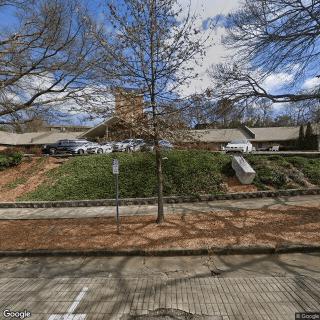
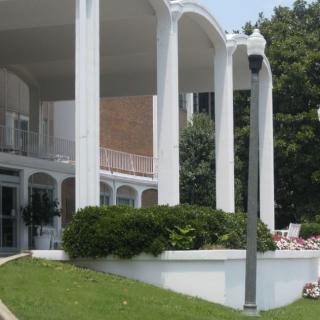
- The advertisements are expected to showcase interior photos of the building and its amenities.
- The mention of remodeling implies ongoing improvements.
Cons
 The reviewer says Bankhead Towers is the most horrible place to live in Birmingham, Alabama.
- It is infested with biting insects, roaches, and rats, posing hazards to elderly and disabled residents.
- Maintenance is poor and management is rude; many apartments are nonfunctional.
- Trash chutes are backed up and elevators sometimes don’t work, forcing mobility-impaired residents to walk down stairs.
- There is no hot water and no proper laundry facilities, with ceilings collapsed on washers and dryers due to burst sewer pipes and contaminated water.
- The lobby is filthy and the basement has holes in the ceiling where tiles should be.
- Residents claim they could be arrested or evicted for simply sitting by their own building.
- There is no exercise room.
- A reviewer warns readers not to send loved ones there.
- The company is accused of owing money and not paying bills on time, with warnings not to work for Bankhead Towers.
- The staff are described as unprofessional, rude, and unresponsive, with missed calls and lies by personnel.
Review
Bankhead Towers in Birmingham is best suited for the ultra-budget-conscious senior who can tolerate systemic neglect and significant health and safety risks. This is not a residence for mobility-impaired individuals, for those who depend on reliable utilities, or for families seeking a calm, well-maintained environment. The reality of this property, as reflected in persistent reports, is a setting where basic infrastructure often fails and where the cheapest rent becomes a gamble with health and dignity. In practical terms, the right tenant is someone who can endure unreliable elevators, potential stairs for daily exits, questionable pest conditions, and very limited on-site services. If the goal is predictable comfort and safety, this community does not meet the mark. In short: only the most financially constrained, exceptionally independent, and extremely flexible tenants should consider Bankhead Towers, with the strong caveat that numerous alternatives deserve exhaustive comparison.
Those evaluating options should explicitly consider alternatives for anyone with mobility concerns, chronic health conditions, or needs for timely maintenance and respectful management. Families should not place loved ones here if access to hot water, clean housing, or functioning laundry is non-negotiable. For seniors who require elevator access, on-site care, social programming, and a clean, safe environment, other Birmingham-area communities offer reliable infrastructure and transparent management. Even in tight budgets, there are better-run buildings with documented maintenance responsiveness and fewer health hazards. The core reality is this: the combination of safety risks, chronic maintenance failures, and questionable lease and communication practices makes Bankhead Towers a poor match for most who value independence wrapped in reasonable safety.
From a practical standpoint, the pros are almost vanishingly small. A guard at the front desk appears in at least one account as a minimal security touch, but this hardly compensates for the broader deficiencies. A claim of “emergency housing” exists in passing, yet the day-to-day experience described by residents points to a building where emergencies are routine rather than rare. The absence of reliable elevators means residents, especially those with mobility or health concerns, are forced to navigate stairwells or endure dangerous conditions when exits are blocked. The few amenities that might be anticipated in a building of this type are undermined by pervasive maintenance failures and neglect. The contrast between even a modicum of safety and the lived reality here is stark, leaving little room for a balanced assessment of any meaningful positives.
The bulk of the negative impact comes from the main, systemic drawbacks. Elevators failing on a regular basis create immediate safety hazards, trapping mobility-impaired residents and raising fire-safety concerns. Infestations, including roaches and rats, combine with reports of dirty, contaminated environments, sewage-related issues, and damp, deteriorating infrastructure to create ongoing health risks. No hot water, nonfunctional laundry facilities, and ceiling collapses or water damage turn daily living into a struggle. The lobby and basement conditions described are not incidental nuisances; they signal a building slipping toward uninhabitable levels. Coupled with erratic maintenance, broken communication, and hostile or unhelpful management, these factors erode any sense of security or dignity residents deserve. The most urgent conclusion is clear: the cons overwhelmingly outweigh any faint reassurance offered by a few superficial positives.
Operational risk is compounded by inconsistent and sometimes disrespectful management behavior. Several reviews describe rude responses, unreturned calls, and unprofessional treatment of residents and prospective tenants. Administrative fragility, the sense that bills, paperwork, or housing applications can evaporate with little accountability, further undermines confidence in the community’s ability to support vulnerable adults. The combination of safety hazards, health risks, and poor administrative reliability creates a compound risk that is difficult to mitigate through contingencies. For families evaluating care and housing strategy, these signals suggest a pattern rather than an exception: a property where maintenance responsiveness, resident wellbeing, and ethical management are not reliably aligned.
The recommended path is decisive. Prospective residents should conduct a thorough, multi-visit assessment, speaking with several current residents about day-to-day living and maintenance response times. Demand documentation on elevator maintenance history, pest control schedules, hot water reliability, and laundry room repairs. Scrutinize the lease for any eviction or enforcement language and seek clarity on visitor policies and safety protocols. Compare this with nearby facilities that publish transparent maintenance logs, clearly posted service contacts, and demonstrable track records of landlord responsiveness. In any family decision, prioritize options that deliver reliable accessibility, clean and safe living spaces, respectful communication, and consistent maintenance support. Bankhead Towers, given the breadth of reported issues, is a high-risk fit that fails to deliver the foundational stability essential for senior housing.
Bottom line: Bankhead Towers is not a viable default choice for most seniors or families seeking safe, supportive housing in Birmingham. The combination of unreliable elevators, pervasive pest and maintenance problems, health and sanitation concerns, and inconsistent management creates a risk profile that outweighs any nominal affordability. Alternatives should be pursued aggressively, facilities with working accessibility features, reliable hot water and laundry, prompt maintenance, clean common areas, and professional, respectful management. For households prioritizing dignity, safety, and predictable service, the prudent move is to look elsewhere, even if that means a longer search or a tighter budget, because the cost of staying here ends up being far higher in risk and frustration than any apparent rent savings.
 Active Adult Communities (55+)
 Activities on-site
 Devotional services off-site
 Indoor common areas
 Birmingham International (4 miles away)
 Ambulatory care
 Diabetic care
 Meals provided



 Skilled Nursing Facilities vs. Nursing Homes: Making Sense of the Differences
 A Detailed Examination of Nursing Home Costs Across the U.S.
 Exploring Nonmedical Home Care: Understanding Services, Costs, and Financial Approaches