

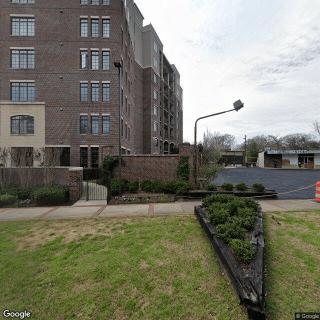
39 Hanover Circle South, Birmingham, AL 35205
To contact a resident: (205) 933-1828
For more information about senior living options: (866) 208-4318
Overall Review of Hanover Health & Rehabilitation at Birmingham
Cons
 The facility was terrible.
- The nurses were only there to get paid.
- A resident fell on the first night and wasn’t promptly assisted.
- Residents were not allowed to wear their own clothes, only hospital gowns, with no privacy in shared rooms.
- A neighbor died there and his family was not informed of the death.
- Staff failed to provide timely assistance, telling patients to hurry and having little time for bathroom needs.
- They planned to wake residents at 5 a.m. for baths.
- They suggested private sitters because staff claimed they couldn’t give adequate attention.
- It felt like Guantanamo Bay for the elderly.
Review
Hanover Health & Rehabilitation at Birmingham is best suited for families who can supervise care closely and tolerate significant tradeoffs in safety, privacy, and day-to-day attentiveness in exchange for a lower-cost, local option. This community is not ideal for residents who rely on reliable, around-the-clock nursing, who value privacy, or who require timely, respectful assistance. Families prioritizing dignity, consistent responsiveness, and transparent communication should start by exploring other options and using this one only as a last resort or temporary solution when no alternatives are available.
The two strongest signals from the accounts are safety gaps and privacy concerns. One resident supposedly fell on the first night, and staff did not respond promptly enough to lift him or provide timely assistance. Privacy is routinely compromised, with residents placed in rooms shared with strangers and made to wear hospital gowns instead of familiar clothing. A disturbing note appears in a separate account: a death in the same facility was not communicated promptly to a neighbor’s family. Nighttime support appears thin, with claims that call lights are treated as a nuisance and routine tasks, like baths, are scheduled far earlier than families would prefer. Taken together, these experiences sketch a pattern of under-staffing, delayed response, and limited regard for resident dignity.
The potential pros are difficult to extract from these reports, and they do not meaningfully offset the core concerns. At a bare minimum, the setting promises a structured routine, basic rehab services, and the predictable cadence of a traditional nursing facility. Yet that framework is overwhelmed by safety risks and inconsistent care. The narrative suggests residents may get some daily activities and meals, but those routine amenities lose their value when emergencies go unanswered, privacy is routinely sacrificed, and family members must monitor every move to prevent lapses in basic care. In practical terms, the quiet upside, if it exists at all, fails to justify the ongoing risk to well-being and peace of mind.
Families who need strong staff-to-resident ratios, rapid response to alarms, and transparent, proactive communication should consider pursuing alternatives first. This community may still be contemplated only if there are no other viable options, and only with the expectation that family members will be heavily involved in oversight, including checking in on care episodes, reviewing daily logs, and confirming that every safety protocol is followed. For anyone evaluating this facility, the search should quickly pivot toward facilities with solid state survey records, documented staffing plans, and recent, verifiable improvements in fall prevention and privacy practices.
A practical decision framework should guide the next steps. Request a candid meeting with the administrator to review current staffing levels, shift coverage, and response-time metrics for call bells, especially during night hours. Ask to see the most recent state inspection or survey report and any corrective-action plans, then compare those findings with other nearby options. Schedule focused tours emphasizing privacy, room assignments, and the ability to maintain personal belongings and clothing. Finally, interview current residents’ families or patients about responsiveness, dignity, and communication to validate whether promised improvements have actually occurred in day-to-day care.
In sum, Hanover Health & Rehabilitation at Birmingham presents a high-risk proposition for most families. The lack of prompt assistance, privacy concerns, and troubling communication gaps outweigh any routine care benefits, making it unsuitable for residents with significant needs or families seeking dependable reassurance. Only those facing tight budgets and absolute necessity, paired with vigilant, ongoing family oversight, should consider this community. For the majority, alternatives offering stronger staffing, better fall prevention, and clearer, more respectful engagement with residents will deliver far greater long-run value and peace of mind.
 Skilled Nursing Facility
 Birmingham International (4 miles away)
 Helpful admissions team and supportive staff.






 Comprehensive Guide to Blood Pressure Charts for Older Adults: Understanding Normal and High Readings by Age
 Financing Long-Term Nursing Home Care Through Social Security: A Thorough Exploration
 Essential Knowledge on Pneumonia in Older Adults