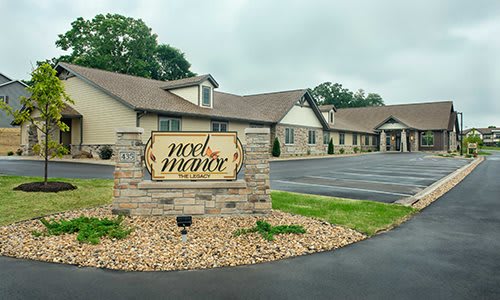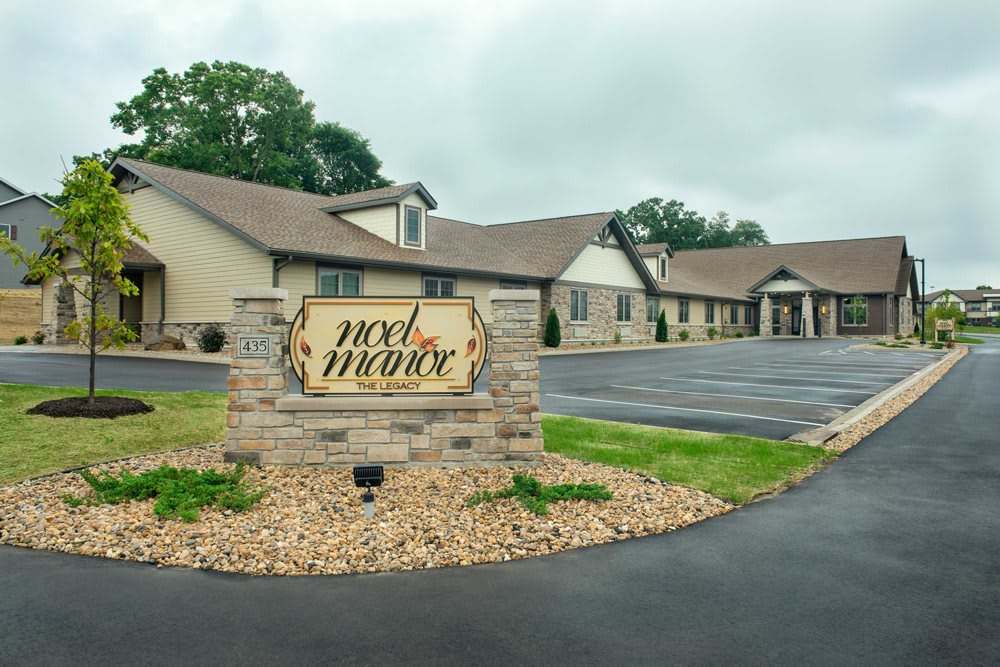
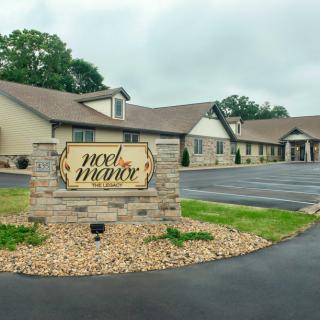
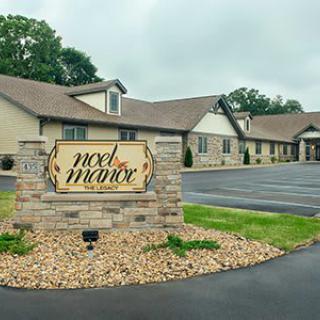
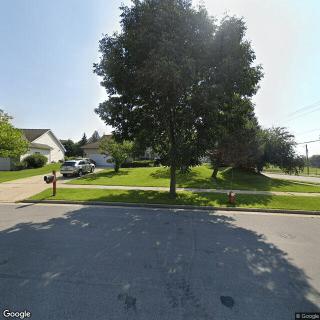
435 Prairie Oaks Dr, Verona, WI 53593
To contact a resident: (608) 620-6010
For more information about senior living options: (866) 208-4318
The Legacy at Noel Manor Costs & Pricing
The Legacy at Noel Manor offers studio accommodations with a monthly cost of $5,865, which reflects a premium level of care and amenities. In comparison, the average cost for similar studio living arrangements in Dane County is approximately $4,418, while the state average across Wisconsin stands at $3,999. This pricing suggests that The Legacy at Noel Manor positions itself as a higher-end option within the local market, likely providing enhanced services or a more luxurious living environment that caters to those seeking quality senior living experiences.
| Floor plans | The Legacy at Noel Manor | Dane County | Wisconsin |
|---|---|---|---|
| Studio | $5,865 | $4,418 | $3,999 |
Memory care communities with a similar price nearby
-
About the same
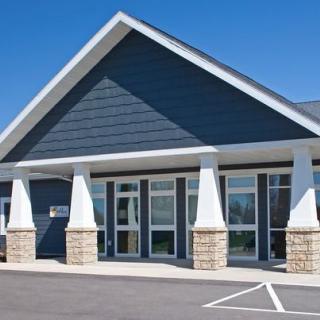
Beehive Homes of Mount Horeb
$5,800 / month8.1 miles away -
from +$365 / mo
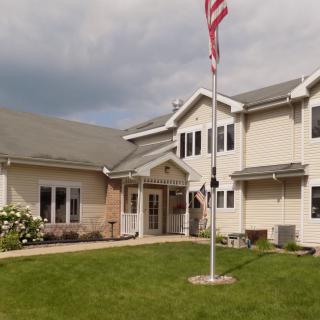
Azura Memory Care of Stoughton
$6,230 / month19.1 miles away -
from -$965 / mo
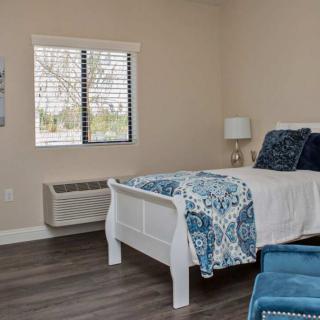
BeeHive Homes of Oregon 2
$4,900 / month10.1 miles away -
from -$1155 / mo
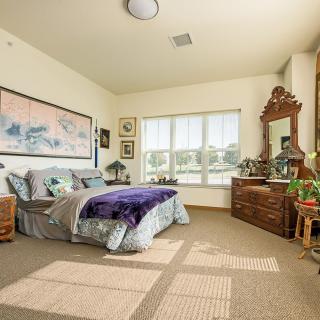
All Saints Assisted Living
$4,710 / month4.9 miles away -
from +$255 / mo
Hyland Crossings
$6,120 / month22.3 miles away
Overall Review of The Legacy at Noel Manor
Pros
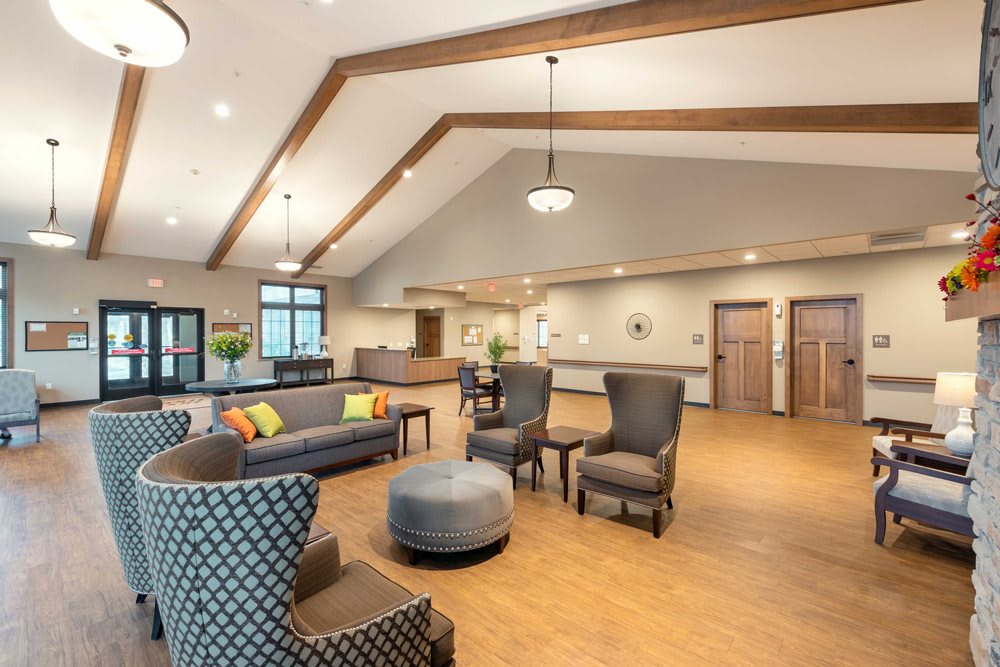
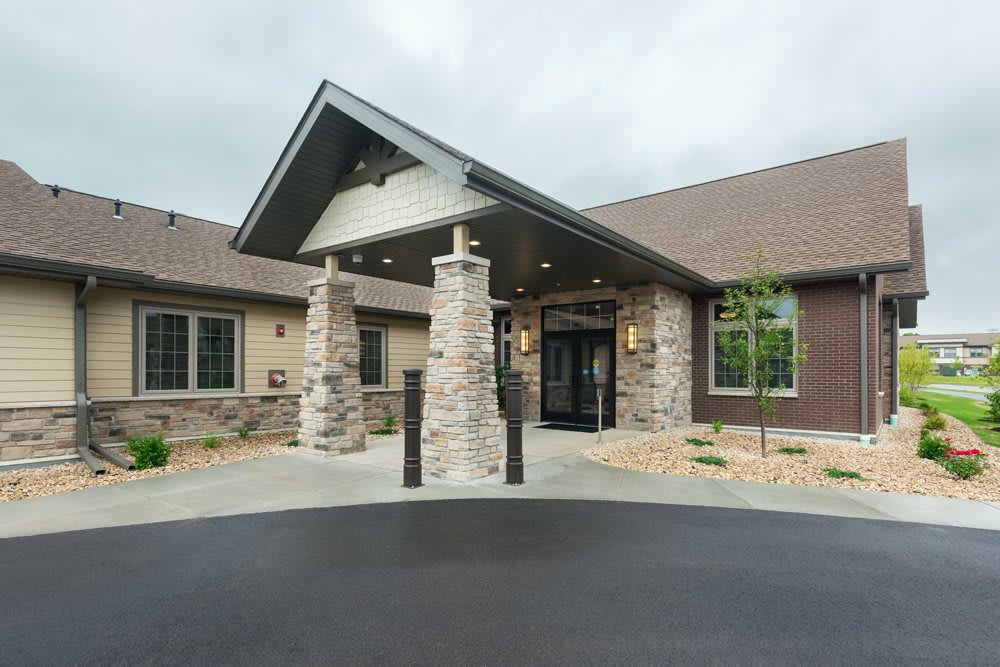
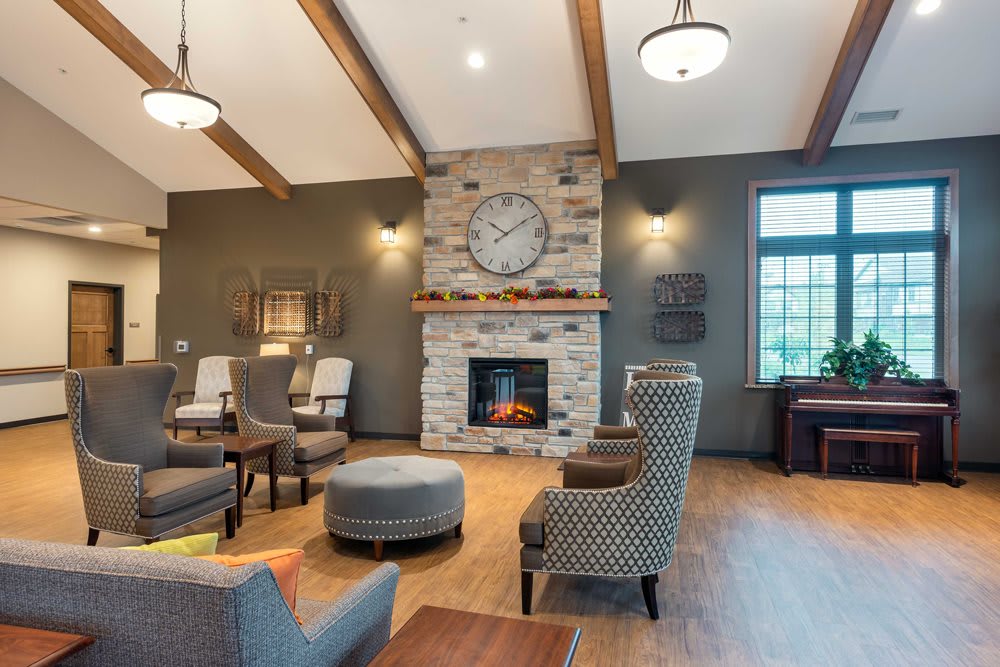
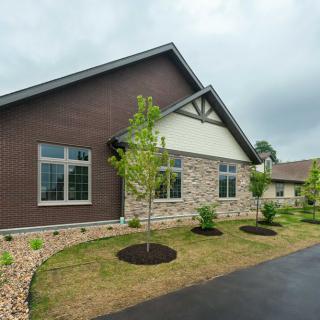
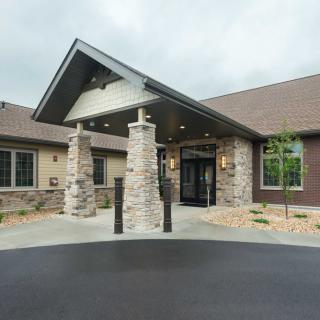
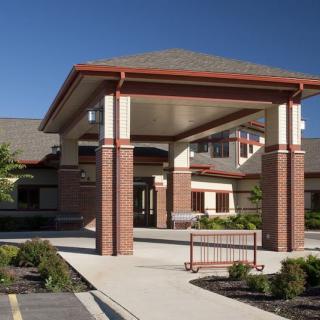
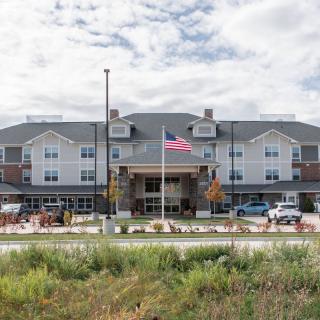
 The Legacy at Noel Manor is described as a resort-like facility with spacious rooms and welcoming common areas, fostering comfort for residents.
- The staff are kind, caring, and loving toward residents, greeting them by name and promptly meeting their needs.
- Residents are encouraged to be as normal as possible, included in activities, and treated with dignity and empathy.
- The community feels like home, with smiling staff and a warm, secure environment that supports well-being.
- Families note proactive, compassionate care, with staff often stepping in to help without being asked and empowering themselves to make a difference.
- The facility emphasizes safety and security, featuring measures like double-door locks and alarms to protect residents.
- The Legacy is regarded as the best match for loved ones, with families expressing appreciation for the positive, caring environment.
Cons
 They report that a door was left unlocked and a resident wandered off at night, with staff not knowing he was missing.
- They claim the staff were unprofessional and rude and did not follow safety protocols or have knowledge of medication dispensing.
- They describe the facility as horrible in all ways and do not recommend bringing a loved one there.
- They note that most of the positive reviews seem to come from staff members, calling into question their credibility.
- They say communication with the facility was limited, leaving families needing more updates and guidance.
- They recount that staff could not adequately manage worsening health needs and pain, eventually leading to hospice care.
Review
The Legacy at Noel Manor in Verona is best suited for families seeking a memory-care focused environment where staff know residents by name, treat them with warmth, and maintain a home-like, resort-tinged setting. It works well for loved ones who benefit from daily routines, meaningful engagement, and compassionate redirection in a space designed to preserve dignity. Families hoping for abundant oversight, rapid medical interventions, and consistently meticulous safety protocols may find this community a strong fit only if these elements are demonstrated concretely during tours and through ongoing conversations with leadership.
Alternatives are worth considering for anyone with top-priority concerns about safety and professional consistency. A few reviews flag serious safety and conduct issues, including doors left unlocked, a missing resident, and reports of rude or unprofessional staff. Those red flags suggest that, for some families, a facility with a rock-solid, consistently demonstrated safety culture and transparent family communication may be preferable. If an applicant requires stringent, unimpeachable safety protocols, or if previous experiences with staff responsiveness have eroded trust, exploring other Verona-area options is prudent.
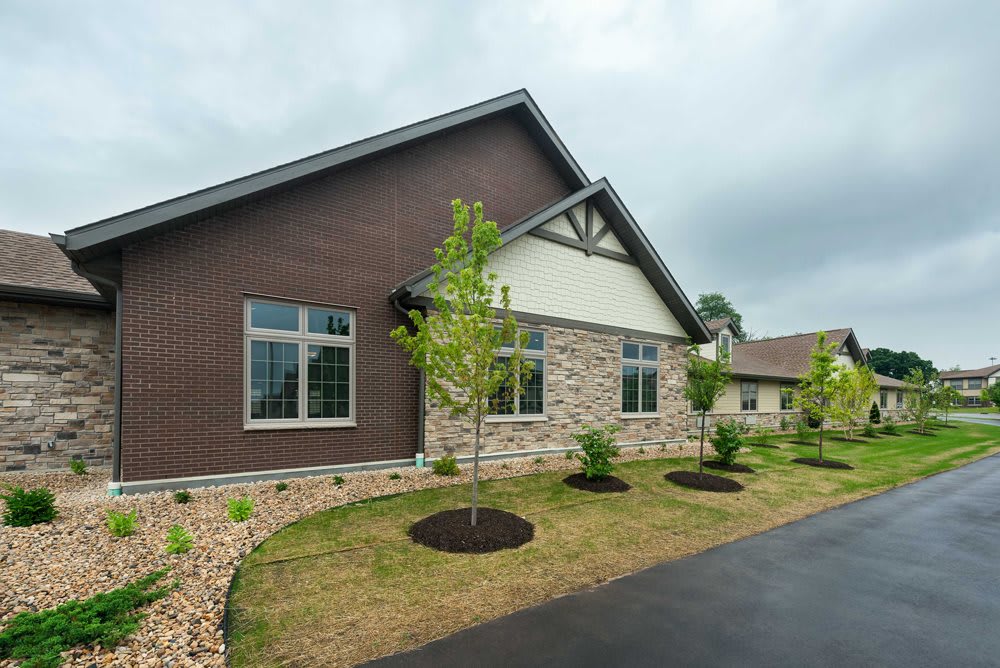
The Legacy’s strongest positives center on human connection and environment. Families repeatedly describe staff who greet residents by name, offer reassuring touches, and respond promptly to needs. The physical setting is often praised as beautiful and spacious, with comfortable rooms and communal spaces that support social engagement without feeling clinical. The approach to memory care emphasizes normalcy, residents are encouraged to participate, conversations are individualized, and care plans reflect personal preferences. Such elements can offset some cognitive-care stress by cultivating familiarity, respect, and belonging.
Yet the downsides cannot be ignored. Several reviews flag inconsistent communication and a perception that safety protocols may not be consistently followed. Instances where a door was left unlocked or where staff suggestions about safety changes were described as dismissive undermine confidence in risk management. The clinical edge of care, medication management, rapid escalation of needs, and cross-team coordination, also comes up as a concern in a few accounts. For families weighing long-term placement, these safety and process gaps matter as much as the warm atmosphere and homey design.
For a family evaluating this option, a practical due-diligence plan helps separate experience from aspiration. Ask for a candid tour focusing on safety routines: door alarms, staff-to-resident ratios during peak hours, and how wandering is monitored. Request specifics on medication handling, incident reporting, and how changes in a resident’s condition trigger hospice or higher-level medical involvement. Seek out current families or residents to understand day-to-day communication with families, and confirm that a consistent primary caregiver is assigned. A trial period or a documented transition plan can reveal how well the environment actually feels like home under real demands.
In the end, The Legacy at Noel Manor offers a compelling blend of warmth, personalized attention, and an environment designed for dignity and engagement. For families prioritizing a respectful, compassionate culture and a thoughtfully appointed setting, the positives can be substantial and deeply meaningful. However, the presence of notable safety and consistency concerns in some reviews means that this community should be measured against alternatives with equally strong reputations for safety and reliable operations. The decisive choice rests on whether the balance tilts toward proven, steady safety practices or toward the proven strength of relational care within a beautiful, socially engaging memory-care milieu.
 Memory Care
 Activities on-site
 Air-conditioning
 Beautician on-site
 Cable or satellite TV
 Devotional services off-site
 Ground floor units
 Handicap accessible
 Indoor common areas
 Respite or short term stays offered
 Wheelchair accessible showers
 Wi-Fi/high-speed internet available
 Dane County Regional (16 miles away)
 Diabetic care
 Incontinence care
 Medication management
 Guest meals
 Art classes
 BBQs or picnics
 Catholic services
 Current events club
 Day trips and outings
 Live dance or theater performances
 Live musical performances
 Stretching classes
 Trivia games
 Wii bowling



 Five Subtle Dementia Indicators to Observe: An In-Depth Guide to Understanding “Does My Mom Have Dementia?”
 Dementia, Paranoia, and Caregiver Guidance: Understanding the Connection
 Engaging Memory Care Activities That Enhance Quality of Life