
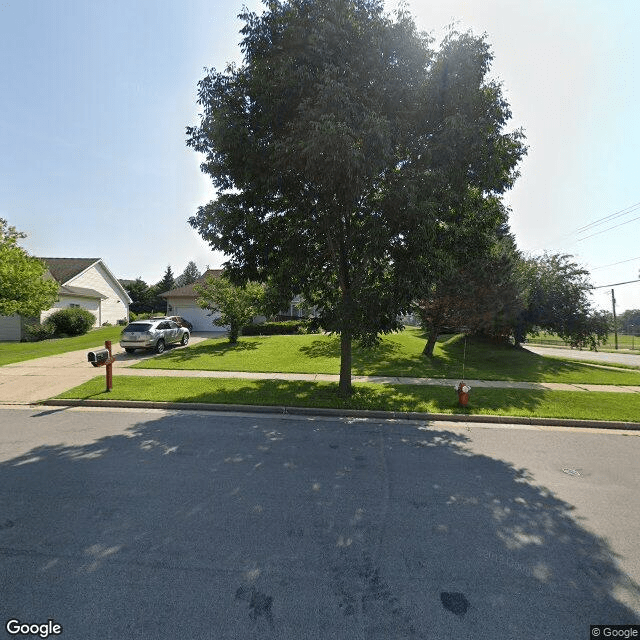
1013 Gateway Pass, Verona, WI 53593
For more information about senior living options: (866) 208-4318
J & B Assisted Living Costs & Pricing
J & B Assisted Living offers competitive pricing for its private room accommodations, charging $3,200 per month. This rate is notably lower than the average costs in Dane County, where similar facilities charge approximately $3,914, and even more so compared to the broader state average of $4,339 in Wisconsin. Such pricing positions J & B Assisted Living as a more affordable option for families seeking quality care without compromising on essential services. The facility's cost-effectiveness may appeal to those looking for a balance between attentive care and financial feasibility in their search for assisted living options.
| Floor plans | J & B Assisted Living | Dane County | Wisconsin |
|---|---|---|---|
| Private | $3,200 | $3,914 | $4,339 |
Assisted Living communities with a similar price nearby
-
from +$350 / mo
Our House Senior Living Assisted Care - Lodi
$3,550 / month21.6 miles away -
from -$540 / mo
Talamore Sun Prairie
$2,660 to $3,655 / month18.1 miles away -
from -$205 / mo

Parkside Assisted Living
$2,995 to $3,400 / month18.2 miles away -
from +$600 / mo

Cardinal View Senior Living
$3,800 to $5,000 / month7.9 miles away -
from -$600 / mo
At Home Again Waunakee Memory Care
$2,600 to $3,600 / month12.4 miles away
Overall Review of J & B Assisted Living
Pros
 Orchid House is a wonderful place.
- The mom is very happy living there.
- The facility is very clean and cozy, like a regular home.
- The staff work very well with older people.
- It has a large eating area with big windows and a bird feeder outside, which is nice to watch the animals.
- The care provided to residents is excellent, and Orchid House is highly recommended.
- It accommodates about eight residents, making it small enough to talk to and interact with the residents.
- A big-screen TV is available for movie nights.
Review
For Verona-area seniors who prize a warm, home-like setting with highly individualized attention, J & B Assisted Living’s Orchid House stands out. The small eight-resident footprint creates a landscape where caregivers truly know each resident, routines stay steady, and conversations flow in a comfortable, domestic environment. The place reads clean, cozy, and unpretentious, like a beloved relative’s home rather than a sterile facility. Residents and families can expect direct access to staff who know names, preferences, and daily needs, making care feel personal rather than procedural. The dining area is generous and flooded with natural light, and the sight of a bird feeder outside adds a gentle, calming touch that makes everyday moments feel meaningful.
Alternatives to consider come into focus for families prioritizing a higher level of medical oversight or a broader schedule of activities. Orchid House’s eight-resident model excels in intimate contact but may not match the breadth of services found in larger communities that provide on-site nursing, more structured rehab options, or an expansive calendar of outings and amenities. For a loved one who requires regular medication management, advanced mobility assistance, or a wider network of social events, exploring other options could prevent gaps in care or connection. The reviews signal satisfaction with care and a homelike vibe, but the trade-off is a smaller scope of resources that can matter for higher-acuity needs.
Pros that genuinely matter here offset the absence of a big-campus feel. The small size enables consistently attentive care, with staff interactions that come across as genuine and responsive rather than cursory. Cleanliness and a home-like ambiance reduce the clinical tone common in larger facilities, fostering ease and familiarity. A large eating area with big windows and a bird feeder outside creates a pleasant sensory backdrop that supports relaxed meals and conversation. The ability to speak with residents and participate in routine activities like movie nights demonstrates social opportunities that feel meaningful rather than scheduled as an afterthought.
Daily life at Orchid House leans toward quiet, predictable rhythms where residents can maintain independence with gentle support. The environment supports real conversation, not forced activities, and staff seem adept at reading individual needs and pacing assistance. The homey setting shortens transition friction, allowing families to visit and engage without the formality of a larger community. Those who value a cohesive, low-stress atmosphere may find this approach more sustainable in the long term, reducing the strain that sometimes accompanies moving into a larger facility with a more institutional feel.
Families evaluating should verify several specifics during tours. Confirm the level of medical oversight and how medications are administered, stored, and monitored. Inquire about staffing ratios, consistency of caregivers, and the hours of coverage throughout the day and night. Explore meal service details, frequency of menu changes, options for dietary restrictions, and how communal meals feel in practice. Check safety features, room layouts, and accessibility, as well as visitation policies and transportation options for appointments. If a loved one values frequent outings or a robust activity calendar, ask to see sample schedules to gauge whether the current model will consistently meet expectations.
In the end, J & B Assisted Living’s Orchid House is a strong fit for families seeking a distinctly homey, intimate setting where care teams deliver consistent, personable support. It shines for seniors who want to fade into a small, well-controlled environment with meaningful social cues and regular interactions. For residents needing more intensive medical management, broader activity programming, or a larger community life, alternatives should be considered. When the priority is warm hands-on attention, clean surroundings, and daily life that feels like everyday living rather than a program, this option deserves serious consideration.
 8 resident community capacity
 Assisted Living
 Board and Care Home
 Activities on-site
 Bath tubs
 Cable or satellite TV
 Dining room
 Fully furnished
 Garden
 Housekeeping services
 Indoor common areas
 Move-in coordination
 Outdoor common areas
 Private
 Respite or short term stays offered
 Telephone
 Wheelchair accessible showers
 Wi-Fi/high-speed internet available
 Dane County Regional (14 miles away)
 24-hour supervision
 Ambulatory care
 Assistance with bathing
 Assistance with dressing
 Assistance with transfers
 Diabetes diet
 Diabetic care
 High acuity care
 Incontinence care
 Meal preparation and service
 Medication management
 Special dietary restrictions
 Transportation arrangement (medical)
 Transportation to doctors appointments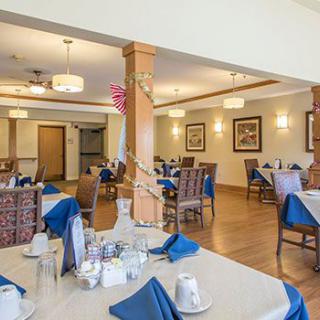



 Vibrant Senior Living: A Comprehensive Guide for Active Older Adults
 When to Transition from Assisted Living to Memory Care: Key Indicators, Steps, and Finding the Right Community
 Assisted Living and Memory Care: Understanding Their Core Differences