Azura Memory Care of Monroe offers a 1-bedroom accommodation at a monthly rate of $6,020, which significantly exceeds both the county average of $3,223 and the state average of $3,412. This higher cost reflects the specialized care and tailored services that Azura provides for residents with memory-related challenges. While the pricing may be elevated compared to nearby facilities, it encapsulates an environment designed for enhanced support and quality of life for individuals living with dementia and other cognitive conditions. For families considering options in Green County or across Wisconsin, it's essential to weigh the comprehensive care offered at Azura against these regional benchmarks.
Floor plans
Azura Memory Care of Monroe
Green County
Wisconsin
1 Bedroom
$6,020
$3,223
$3,412
Overall Review of Azura Memory Care of Monroe
common
Caring staff and responsive support
Residents and families consistently describe staff who are caring, attentive, and responsive.
Many reviews focus on the day-to-day support, saying staff treat residents with respect and help meet needs without long delays or neglect. Multiple families mention frequent check-ins, comfort when residents are anxious or confused, and follow-through on updates for loved ones. Several reviewers also call out the staff’s communication, organization, and willingness to work with families on individual needs.
differentiator
Memory care feels individualized
Residents benefit from staff who understand dementia and adjust support as needs change.
Several reviews describe staff who know residents well and can re-orient them with ease as symptoms shift. Families also mention comfort and reassurance when residents are worried or expressing confusion, along with steps taken when behavior or health changes. In addition, reviews point to on-site clinical involvement through an in-house doctor and an on-site registered nurse working alongside primary care providers.
common
Activities and engagement are built in
A regular mix of activities helps residents stay engaged together.
Reviews repeatedly mention daily activities that keep residents occupied and connected with others, including parties, outings, and scheduled programs. Some families also describe structured ways to follow the day, including the ability to view daily schedules and activity participation. While most comments are positive about engagement, at least one reviewer says activities are lacking or only “for show.”
common
Home-like environment with shared space
Families like the smaller, home-like setting and common areas where residents can connect.
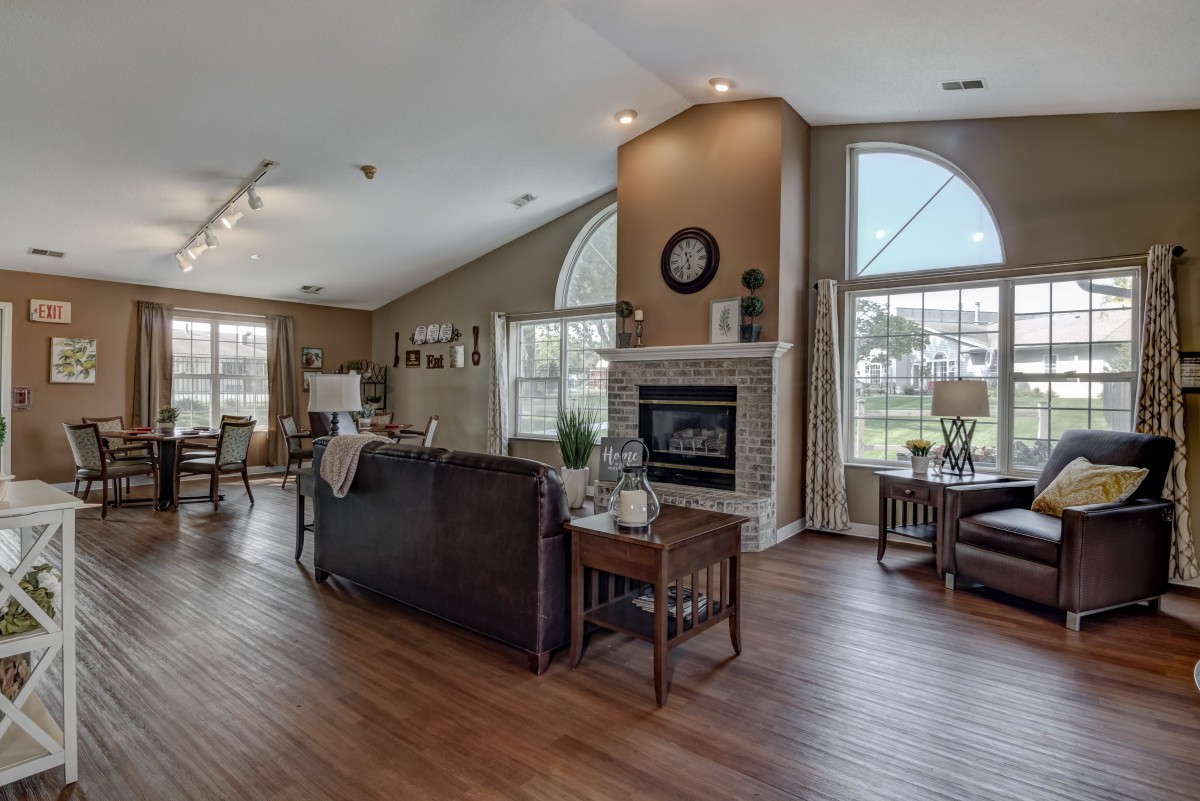
Multiple reviews describe the facility as clean and well maintained, with a cozy, home-like feel rather than an institutional layout. Families mention comfort in small environments and appreciate encouragement for residents to spend time in common areas with others. A few reviewers also emphasize peace of mind that loved ones are not alone and are supported in an active community.
common
Restaurant-style dining and good food
Dining is a frequent positive, with families praising the quality and style of meals.
Some reviews directly mention good food and home-like meals, and at least one describes encouraging residents to participate through kitchen-related “help out” activities. This aligns with the community’s dining offering, which includes restaurant-style dining, meals provided, and special dining programs. One review includes a complaint about the pharmacy rather than dining, so the food praise stands out more than food-specific concerns.
caveat
Communication and medication can be inconsistent
Some families report problems with early communication and timely medication handling.
At least a couple of reviews describe initial confusion or poor communication during a transition period, with improvements over time. Another review raises concerns about a nurse’s engagement, delays in getting medicine or orders processed, and a lack of meaningful activities. Overall, most feedback stresses responsiveness, but these comments suggest occasional lapses that can affect family trust.
How we summarize
We summarize when many written reviews mention each theme; a review can touch several themes, and only frequently mentioned themes are displayed.
Features
Housing
Studio apartments
Types of Care
Memory Care
Amenities
Activities off-site
Activities on-site
Bath tubs
Beautician on-site
Cable or satellite TV
Devotional services on-site
Dining room
Financial aid
Ground floor units
Guasts at mealtime
Guest parking
Handicap accessible
Housekeeping services
Indoor common areas
Laundry
Outdoor common areas
Party space
Respite or short term stays offered
TV room
Tennis courts
Wi-Fi/high-speed internet available
Care Services
Diabetic care
High acuity care
Incontinence care
Medication management
Dining
Anytime dining
Gluten-free
Guest meals
Meals provided
Restaurant style dining
Special dining programs
Activities
Activities off-site
Art classes
Arts and crafts
Brain fitness
Cooking classes
Cooking club
Day trips and outings
Devotional activities on-site
Educational speakers / life long learning
Fitness programs
Games
Gardening club
Karaoke
Live dance or theater performances
Live musical performances
Religious services
Stories
Stretching classes
Visiting chaplain or priest
Wine tasting
Yoga / chair yoga
Videos
Nearby Places of Interest
This area of Monroe, Wisconsin, offers a variety of convenient amenities for seniors looking to settle in a peaceful and welcoming community. With close proximity to places of worship such as the General Conference Of Seventh-Day Adventists and Roman Catholic Diocese, seniors can easily maintain their spiritual practices. Additionally, there are several restaurants like Old Smokey's and Culver's offering delicious dining options, as well as cafes such as Corner Cafe for enjoyable meals and socializing. Nearby parks like Lincoln Park and Twining Park provide opportunities for outdoor recreation and relaxation. For healthcare needs, there are pharmacies like Walgreens and physicians' offices like Fast Care-Monroe available within a short distance. The Monroe Clinic Hospital is also conveniently located for any medical emergencies or ongoing care. Overall, this area offers a peaceful and convenient environment for senior living in Monroe.
Places of Worship
General Conference Of Seventh-Day Adventists (0.3 miles)
Wels (1 miles)
Roman Catholic Diocese-Madison (1.3 miles)
Christian Science Reading Room (1.3 miles)
Union Presbyterian Church (2 miles)
Church of Christ (2 miles)
Jehovah's Witnesses (3.3 miles)
Restaurants
Horseshoe Saloon (0.6 miles)
Old Smokey's (0.9 miles)
Depot Bar (0.9 miles)
Minhas Kitchen (1.1 miles)
Ratskeller Restaurant (1.2 miles)
Culver's (1.2 miles)
French Quarter (1.2 miles)
Parks
Lincoln Park (0.9 miles)
Honey Creek Park (1 miles)
Honey Creek Park (1 miles)
Recreation Park (1.3 miles)
Monroe City Parks & Recreation (1.3 miles)
Twining Park (1.6 miles)
Green County Fairgrounds (1.7 miles)
Theaters
Sky-Vu Drive-In Theatre (1 miles)
Transportation
U-Haul Neighborhood Dealer (1 miles)
U-Haul (1.3 miles)
U-Haul Neighborhood Dealer (1.9 miles)
Monroe Municipal Airport (EFT) (3.8 miles)
U-Haul (11.5 miles)
U-Haul Neighborhood Dealer (13.9 miles)
Cafes
Corner Cafe (1.2 miles)
M & M Cafe (11.5 miles)
The Morning Mug (11.5 miles)
Central 52 (13.5 miles)
Pharmacies
Walgreens (1.3 miles)
Home Town Pharmacy (1.3 miles)
Schultz Pharmacy-Monroe (1.3 miles)
Home Town Pharmacy (1.5 miles)
Neverman, Katelyn R (1.8 miles)
Pinnow Hometown Pharma (14.3 miles)
New Glarus Hometown Pharmacy (15.6 miles)
Physicians
Fast Care-Monroe (1.4 miles)
Premier Oral & Maxillofacial Surgery (1.5 miles)
Orthopaedic & Sports Medicine Clinic of Monroe (1.8 miles)
Stephen P. Wagner, MD (1.8 miles)
Emergency Room at SSM Health Monroe Hospital (1.8 miles)
Azura Memory Care of Monroe offers a 1-bedroom accommodation at a monthly rate of $6,020, which significantly exceeds both the county average of $3,223 and the state average of $3,412. This higher cost reflects the specialized care and tailored services that Azura provides for residents with memory-related challenges. While the pricing may be elevated compared to nearby facilities, it encapsulates an environment designed for enhanced support and quality of life for individuals living with dementia and other cognitive conditions. For families considering options in Green County or across Wisconsin, it's essential to weigh the comprehensive care offered at Azura against these regional benchmarks.
Azura Memory Care of Monroe enhances the well-being of residents with dementia or Alzheimer's through its specialized features, such as medication management, which ensures that all medications are administered correctly and on schedule to minimize confusion and maintain health. Incontinence care provides dignity and comfort for residents by addressing personal needs with sensitivity, thus reducing anxiety and promoting overall emotional well-being. Additionally, the focus on brain fitness activities is essential for cognitive engagement; tailored programs stimulate mental abilities, encouraging memory retention and social interaction among residents. Together, these services create a supportive environment that addresses both physical and emotional health needs effectively.
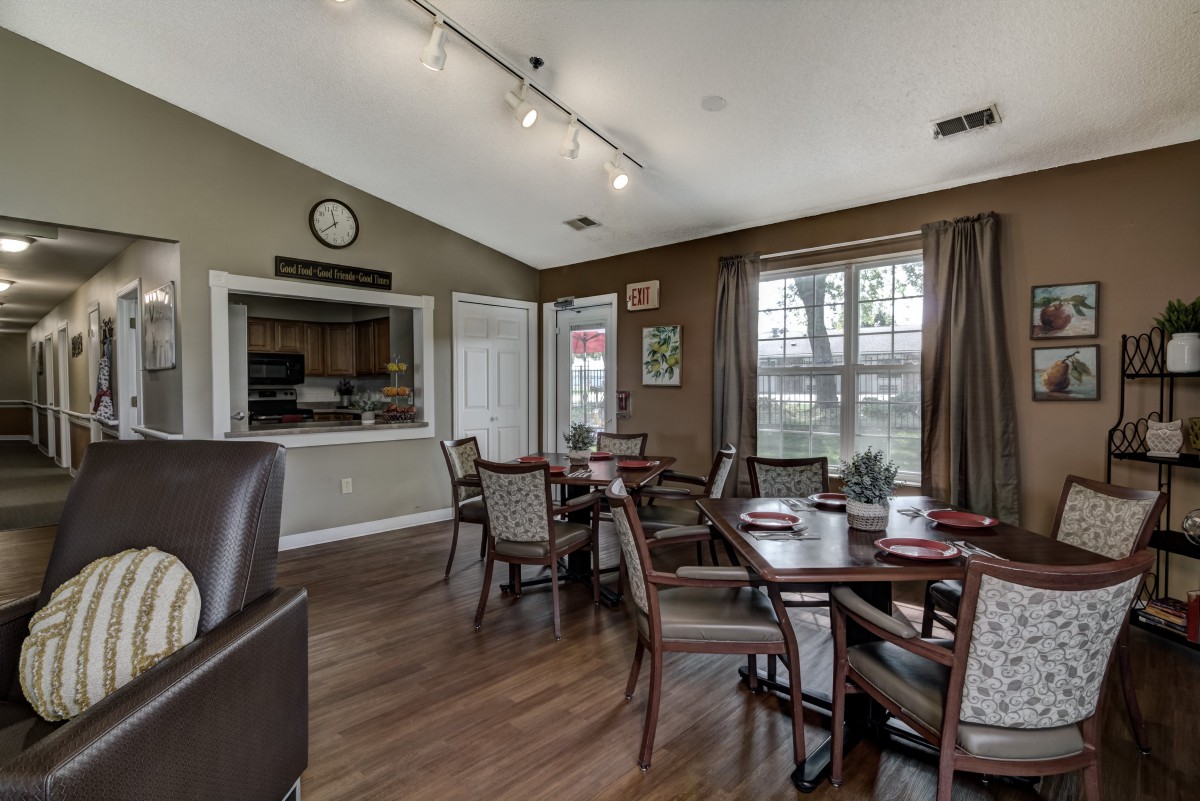
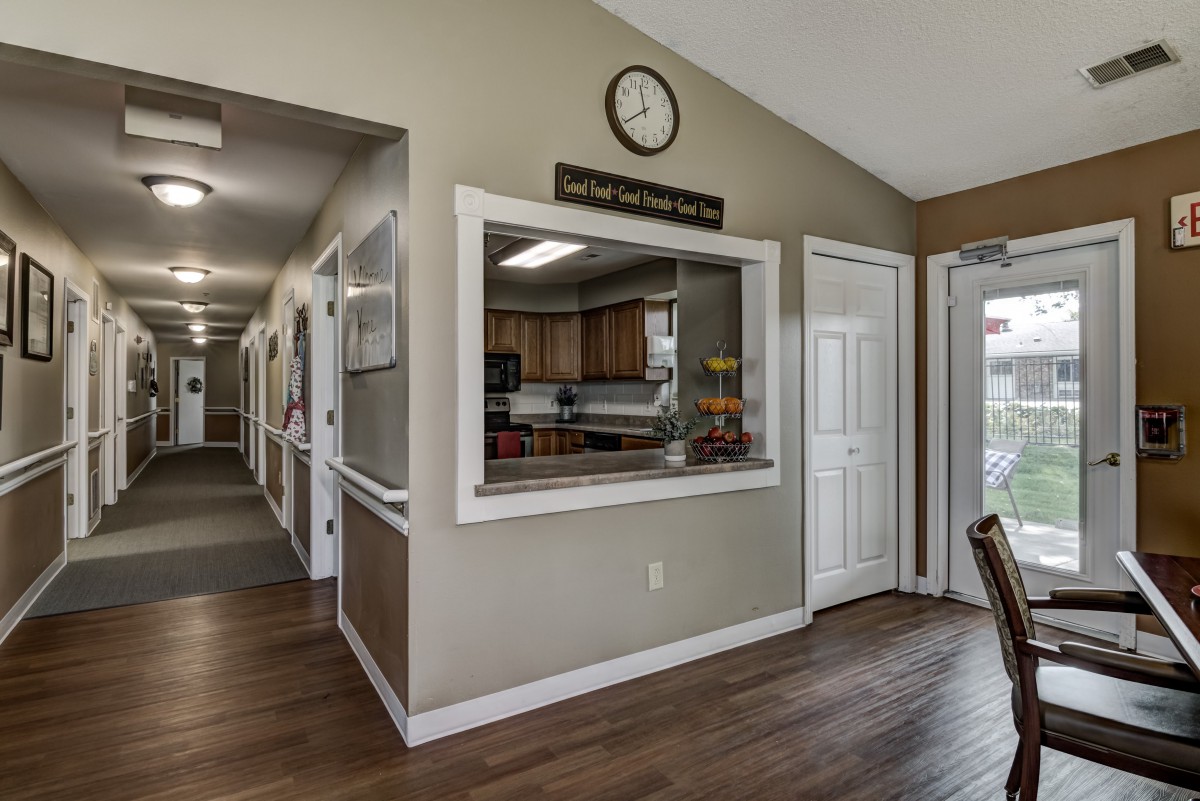
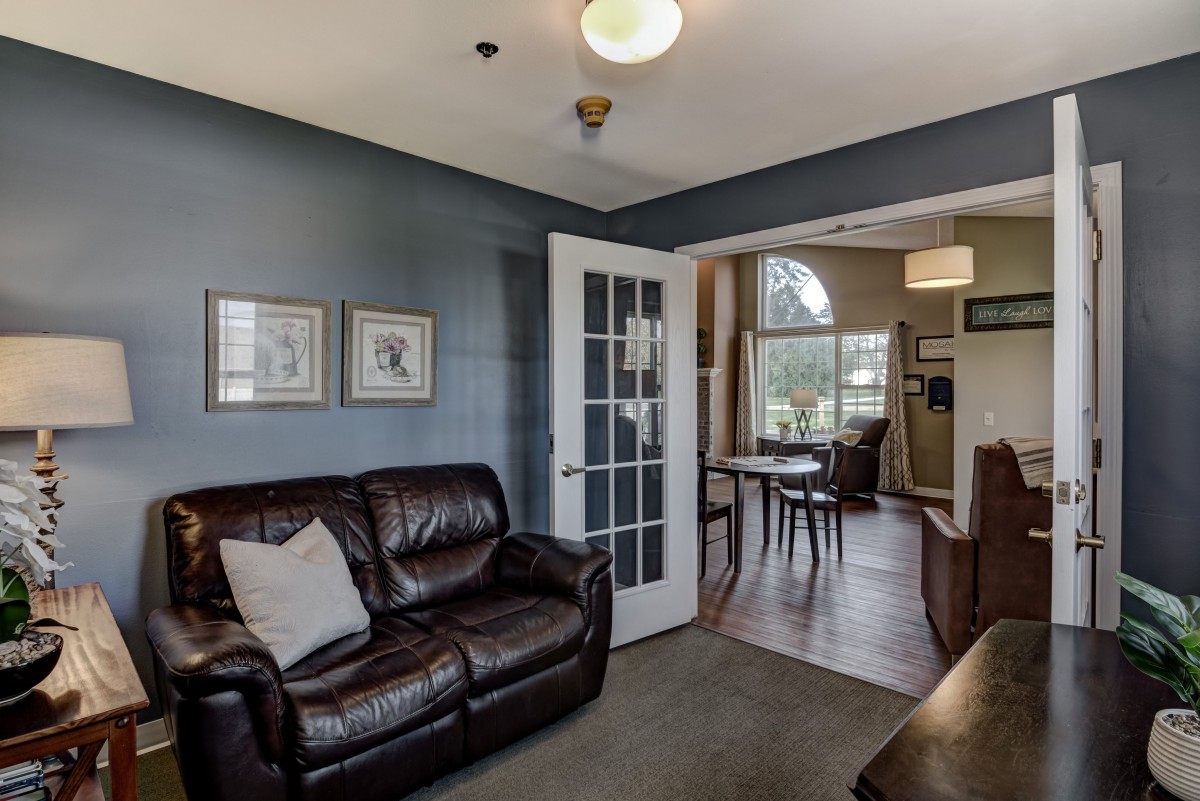
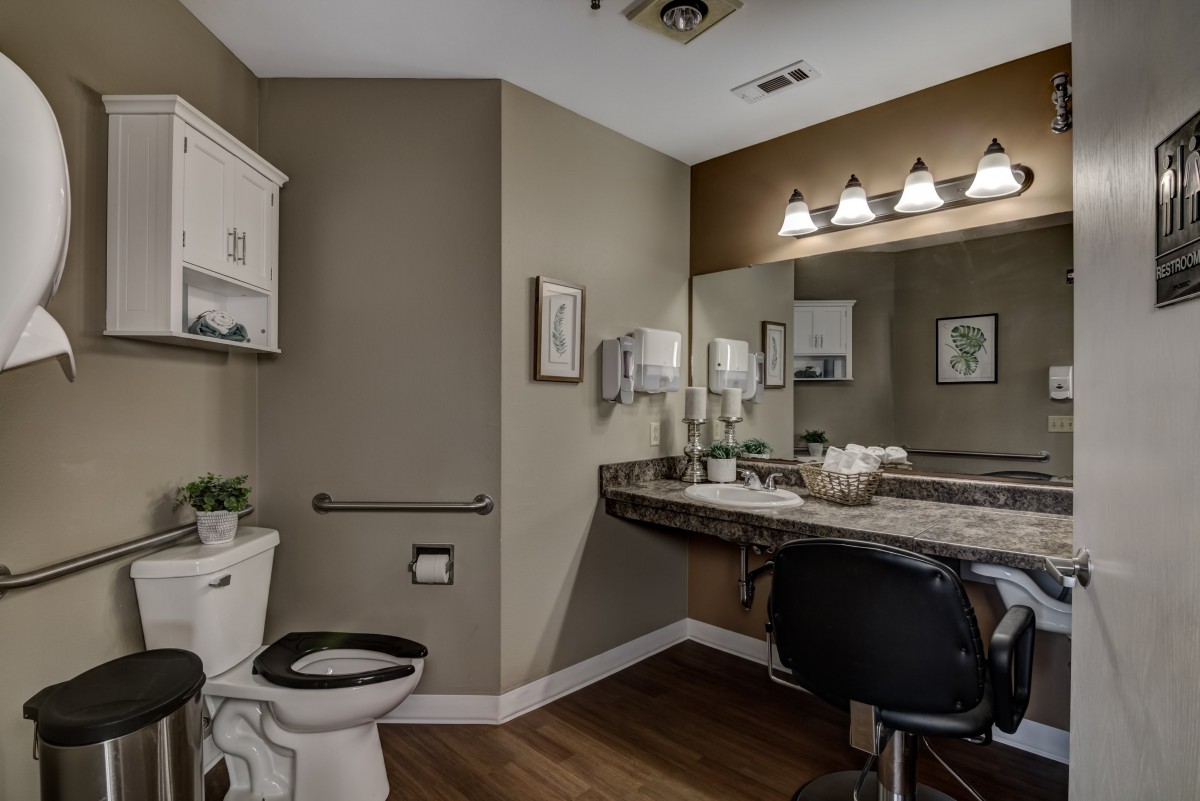
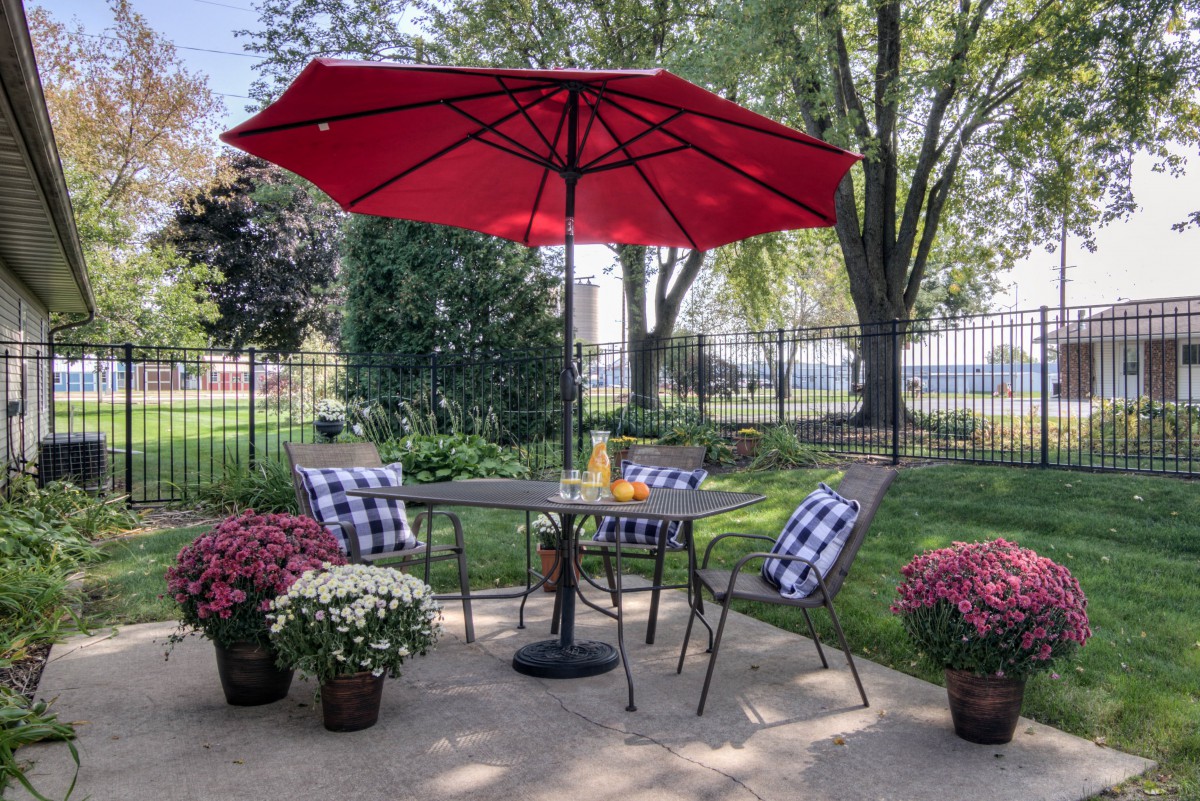
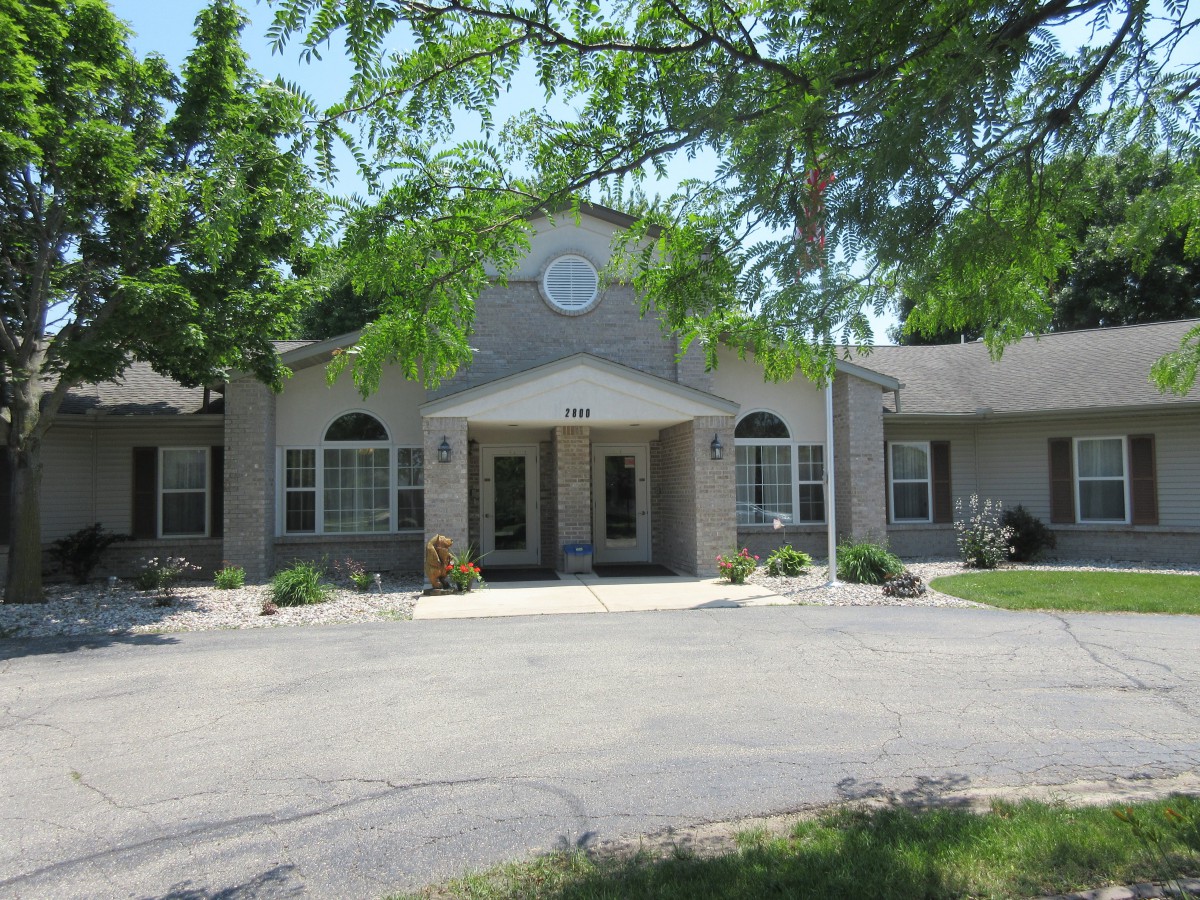
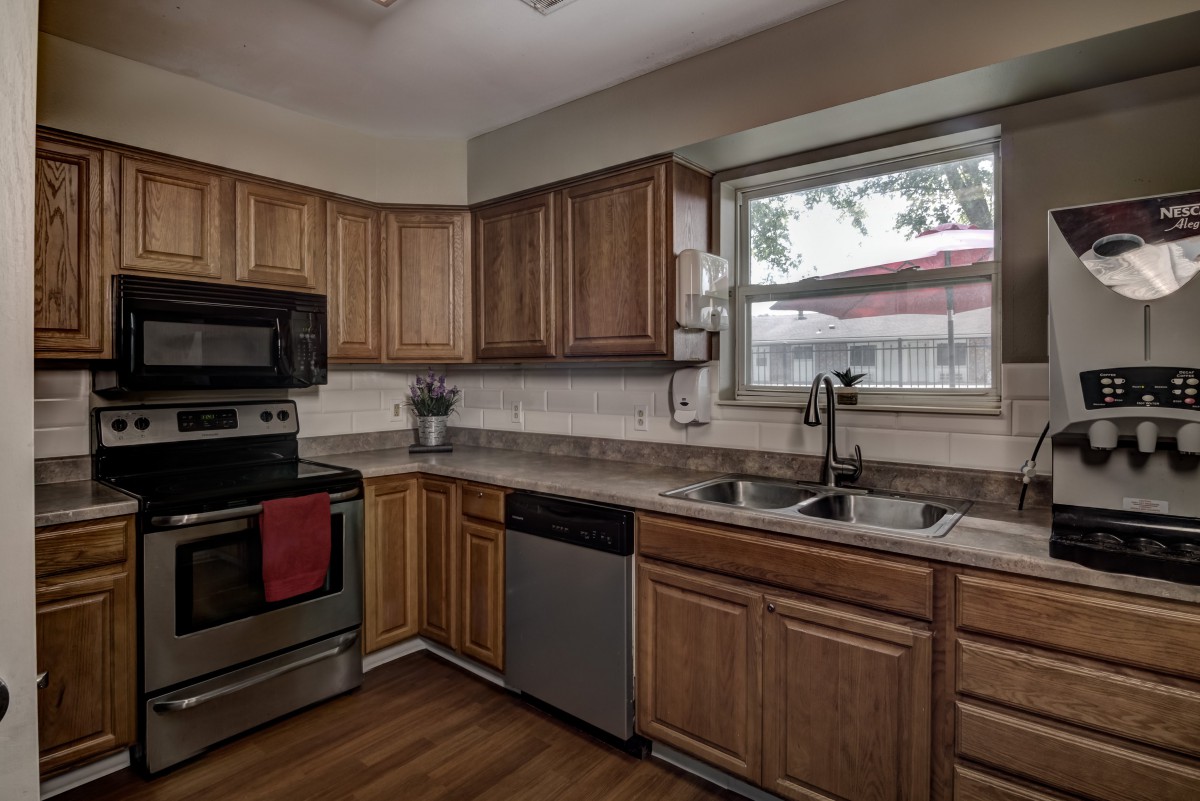
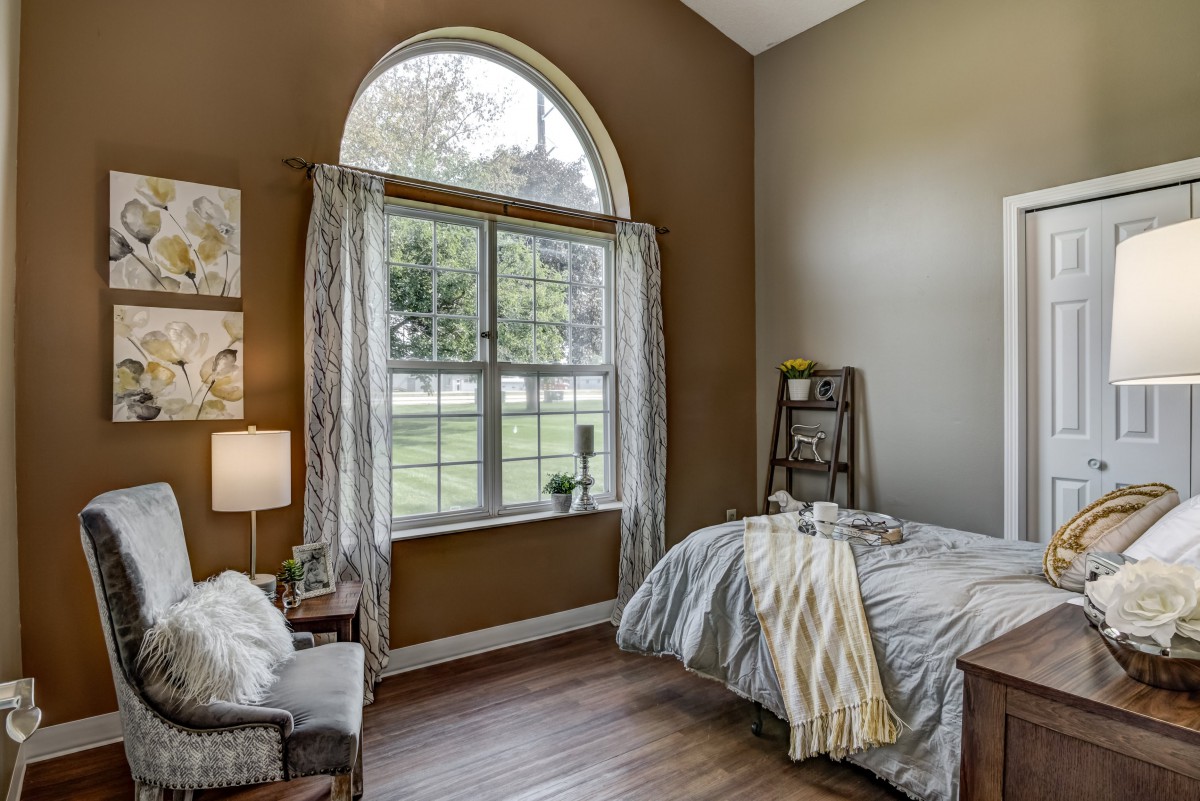
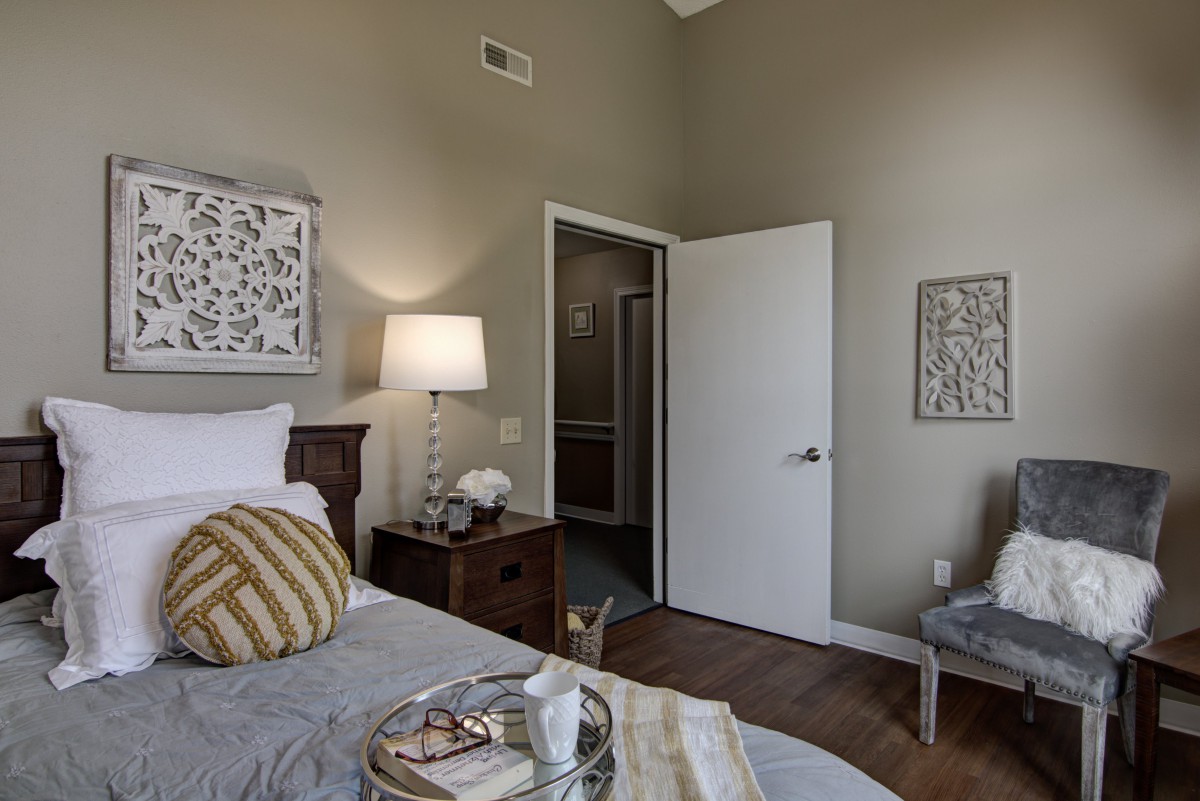
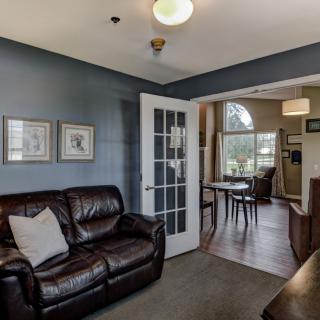
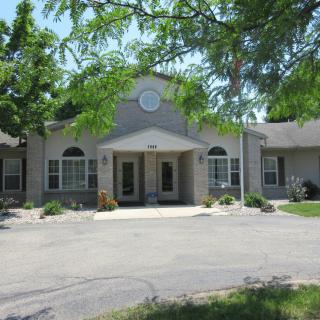
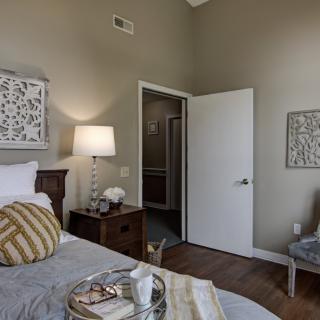
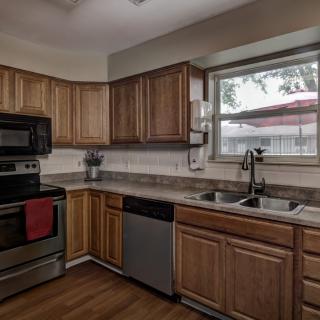
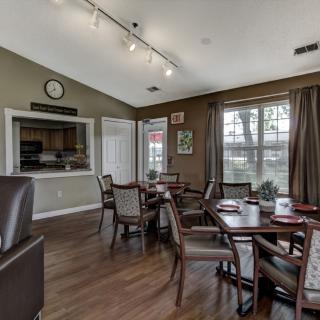
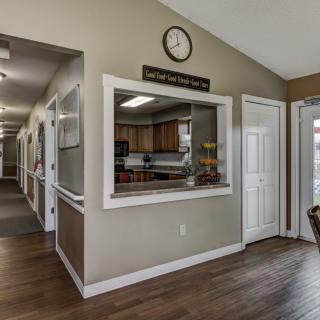
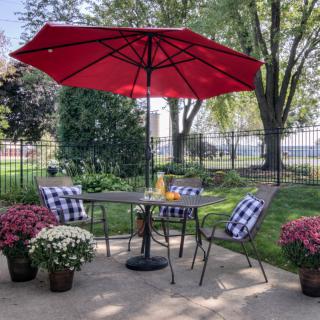
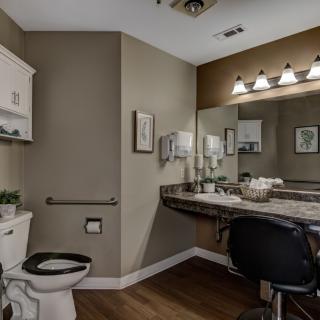
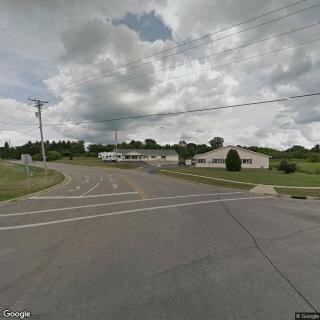
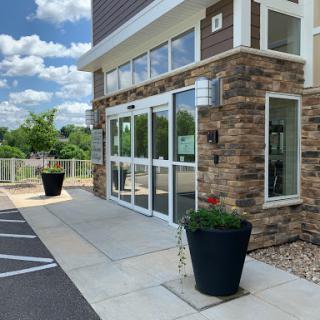
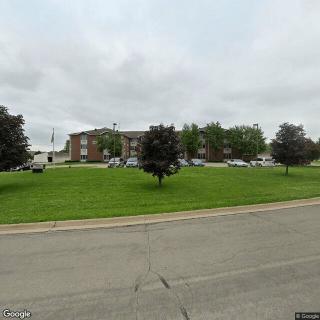
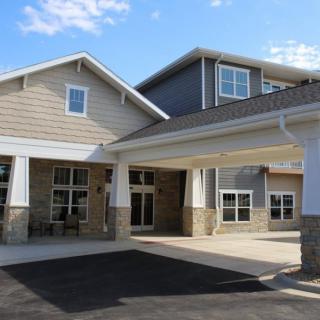
Azura Memory Care of Monroe on seniors.fyi includes 11 photos including images showing interior, windows, bedroom, decor, natural light, kitchen, bathroom, dining, and more.
Nearby Communities
Azura Memory Care Monroe 2
Monroe, WI
4.5 from 10 reviews
Intimate memory-care community with 24/7 supervision and specialized programming.
Azura Memory Care Monroe
Monroe, WI
4.5 from 10 reviews
Small, memory-care focused community with 24/7 supervision and personalized programming.
Greenco House IV
Monroe, WI
4.6 from 12 reviews
Small, intimate 4-resident setting with comprehensive care and diabetes-friendly dining.
Graceland Manor III
Monroe, WI
Small, personalized community with 24-hour supervision and comprehensive memory care plus daily living support.
Graceland Manor II
Monroe, WI
$3,800 / month
Competitive pricing: $3,800/month for a studio, below the Wisconsin average.
Greenco House III
Monroe, WI
Fully furnished apartments with comprehensive care, meals, housekeeping, transportation, and social activities.
New Glarus Home
New Glarus, WI
4.4 from 53 reviews
Warm, friendly staff; healthy meals; opportunities for mobility and social activities.
Liberty Village of Freeport
Freeport, IL
2.6 from 13 reviews
Clean, well-maintained facility with attentive floor staff and comfortable rooms.
WinnPrairie Assisted Living and Memory Care
Freeport, IL
4.5 from 24 reviews
$4,730 to $6,700 / month
High-quality, respectful care with a focus on independence and dementia-friendly programming.
Dementia often results in disrupted sleep patterns, leading to excessive daytime sleeping due to factors like brain damage affecting circadian rhythms, medication side effects, and lack of structure in daily activities. Caregivers must monitor these changes closely, as oversleeping can increase risks such as malnutrition or dehydration, and provide necessary support and routines to enhance patient engagement and well-being.
The transition from assisted living to skilled nursing care is often prompted by complex medical needs that assisted living cannot meet, with key indicators including frequent health declines, increased falls, severe memory issues, and caregiver burnout. Families should recognize these signs early to discuss options with healthcare providers and prepare for the emotional and logistical aspects of moving to a facility that offers comprehensive medical support.
Dementia is characterized by cognitive decline, with nutrition playing a vital role in brain health; while no specific diet can prevent or reverse it, a nutrient-dense diet rich in antioxidants and healthy fats may support cognitive function. The MIND diet, which emphasizes beneficial foods and limits processed items, along with proper hydration and individualized meal strategies, can enhance the well-being of dementia patients.
Get PricingAsk A QuestionSchedule A TourContact Senior Advisor
By clicking submit, you agree to our Partner's Terms of Use. You
also consent to receive calls and texts, which may be autodialed, from our Partner. Your consent is not a condition to
using our Partner's service. Please visit our Partner's Privacy Policy for information about their privacy practices.





 Studio apartments
 Memory Care
 Activities off-site
 Bath tubs
 Beautician on-site
 Cable or satellite TV
 Devotional services on-site
 Dining room
 Financial aid
 Ground floor units
 Guest parking
 Handicap accessible
 Housekeeping services
 Indoor common areas
 Laundry
 Outdoor common areas
 Party space
 Respite or short term stays offered
 Tennis courts
 Wi-Fi/high-speed internet available
 Diabetic care
 High acuity care
 Incontinence care
 Medication management
 Anytime dining
 Art classes
 Brain fitness
 Cooking classes
 Day trips and outings
 Educational speakers / life long learning
 Fitness programs
 Games
Games Gardening club
 Karaoke
 Live dance or theater performances
 Live musical performances
 Stories
 Stretching classes
 Visiting chaplain or priest
 Wine tasting
 Intimate memory-care community with 24/7 supervision and specialized programming.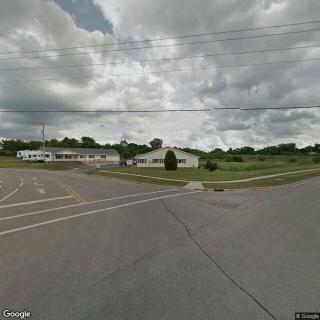
 Why Do Dementia Patients Sleep So Much? Understanding Oversleeping, Stages, and Care Approaches
 8 Key Indicators That Suggest It May Be Time to Transition from Assisted Living to Skilled Nursing Care
 Nourishing the Mind: Essential Dietary Approaches for Dementia