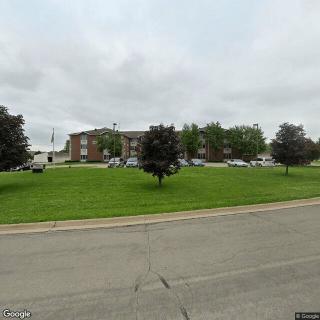
1545 S Forest Rd, Freeport, IL 61032
To contact a resident: (815) 656-4800
For more information about senior living options: (866) 208-4318
WinnPrairie Assisted Living and Memory Care Costs & Pricing
WinnPrairie Assisted Living and Memory Care presents a range of pricing that reflects its commitment to quality care and services. The cost for a two-bedroom unit is $4,730 per month, which is notably higher than the county average of $3,120 and the state average of $4,208. For those considering studio accommodations, the monthly fee stands at $6,700 - a significant premium compared to the local average of $4,469 and Illinois's statewide rate of $4,028. These figures suggest that while WinnPrairie may be on the higher end of the spectrum financially, this investment could correlate with enhanced amenities or specialized care offerings that appeal to individuals seeking superior living conditions for themselves or their loved ones.
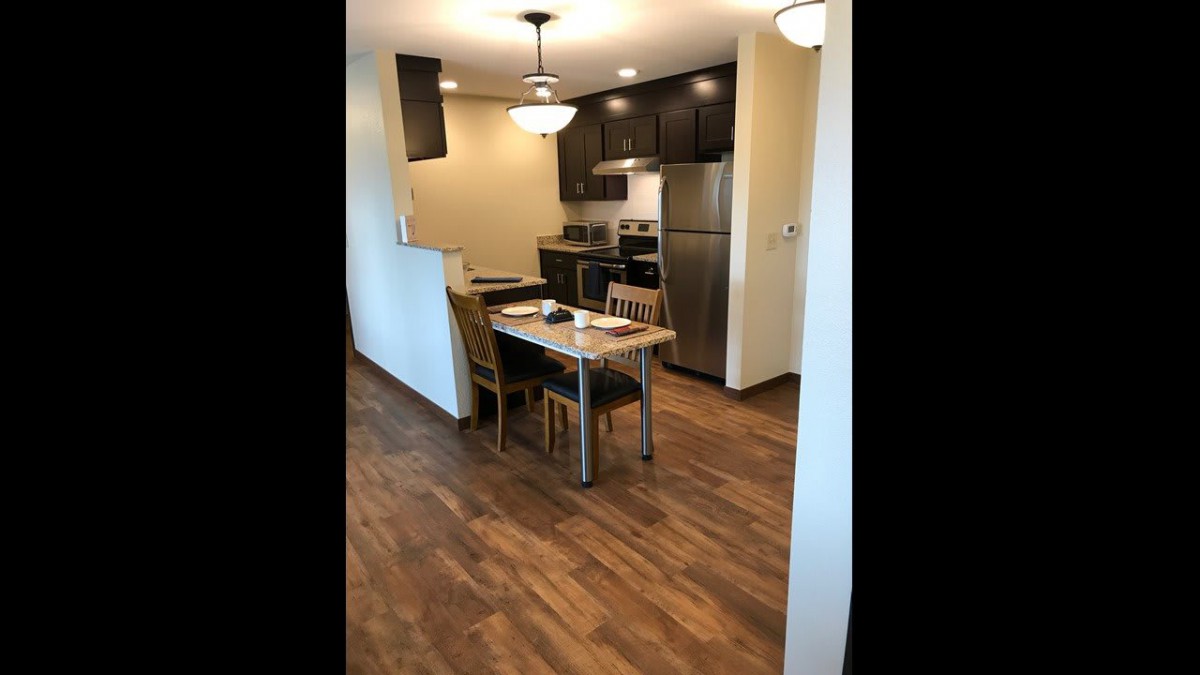
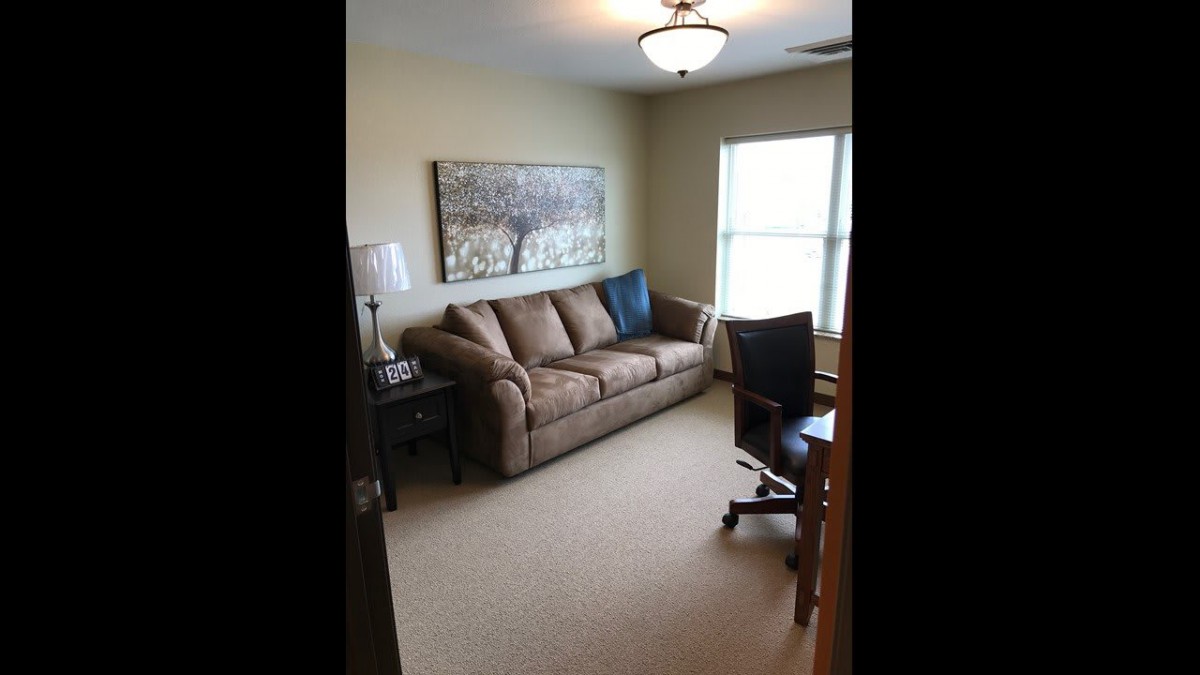
| Floor plans | WinnPrairie Assisted Living and Memory Care | Stephenson County | Illinois |
|---|---|---|---|
| 2 Bedrooms | $4,730 | $3,120 | $4,208 |
| Studio | $6,700 | $4,469 | $4,028 |
Memory care communities with a similar price nearby
-
from -$930 / mo

Graceland Manor II
$3,800 / month21.5 miles away
Overall Review of WinnPrairie Assisted Living and Memory Care
Pros
 WinnPrairie is considered the nicest facility by families among options in Rockford and Freeport.
- WinnPrairie's staff is amazing and the community is excellent and caring.
- The staff balance outstanding care with the dignity and respect of the residents.
- The WinnPrairie staff is wonderful and has become an extended family to residents and their families.
- The facility is very clean, the meals are excellent, and residents are well cared for.
- Residents feel happy and engaged at WinnPrairie, with attentive staff and meaningful activities.
Cons
 The facility is very unprofessional.
- The place is very unprofessional.
Review
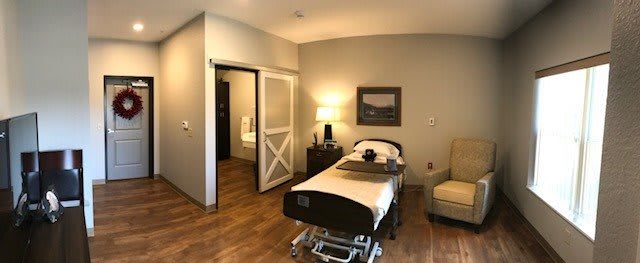
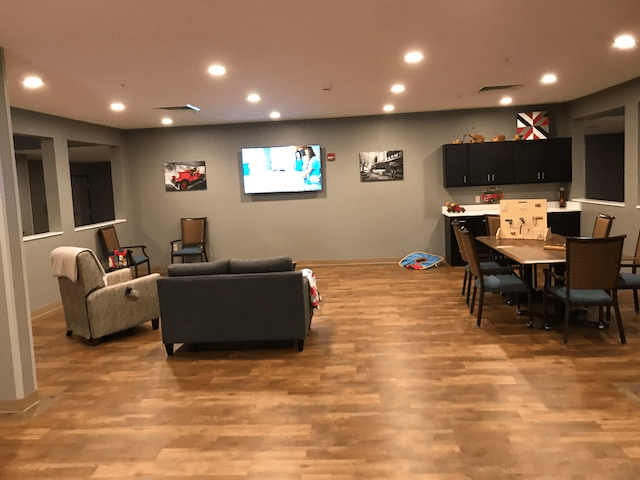
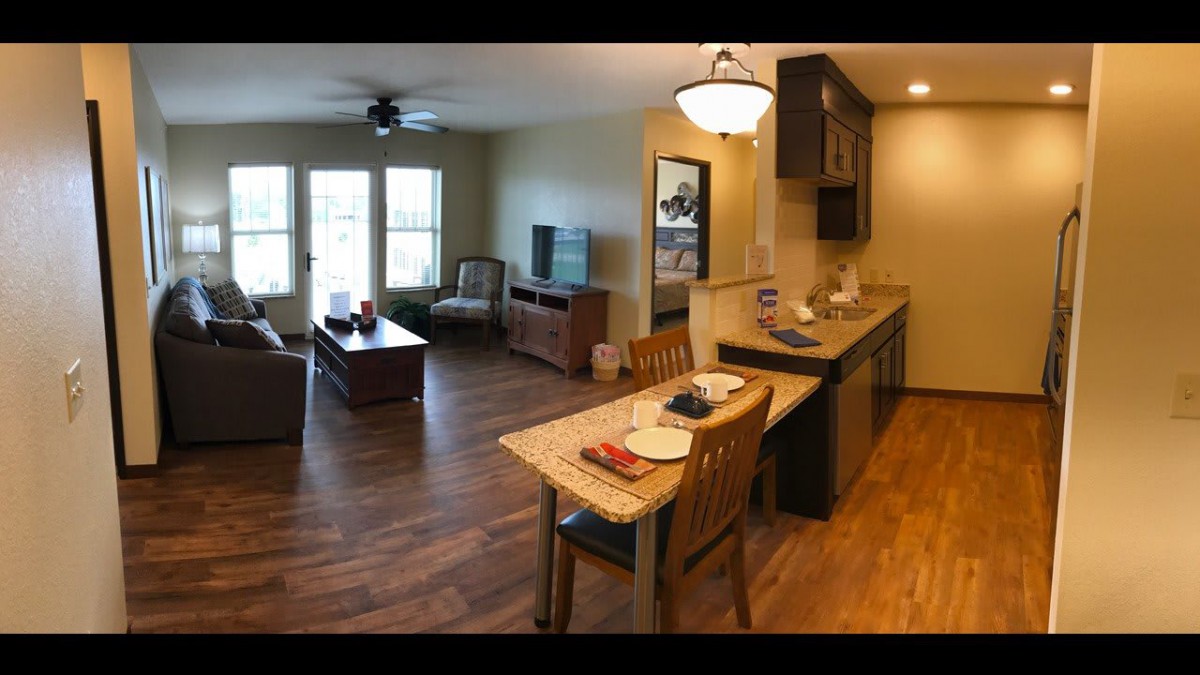
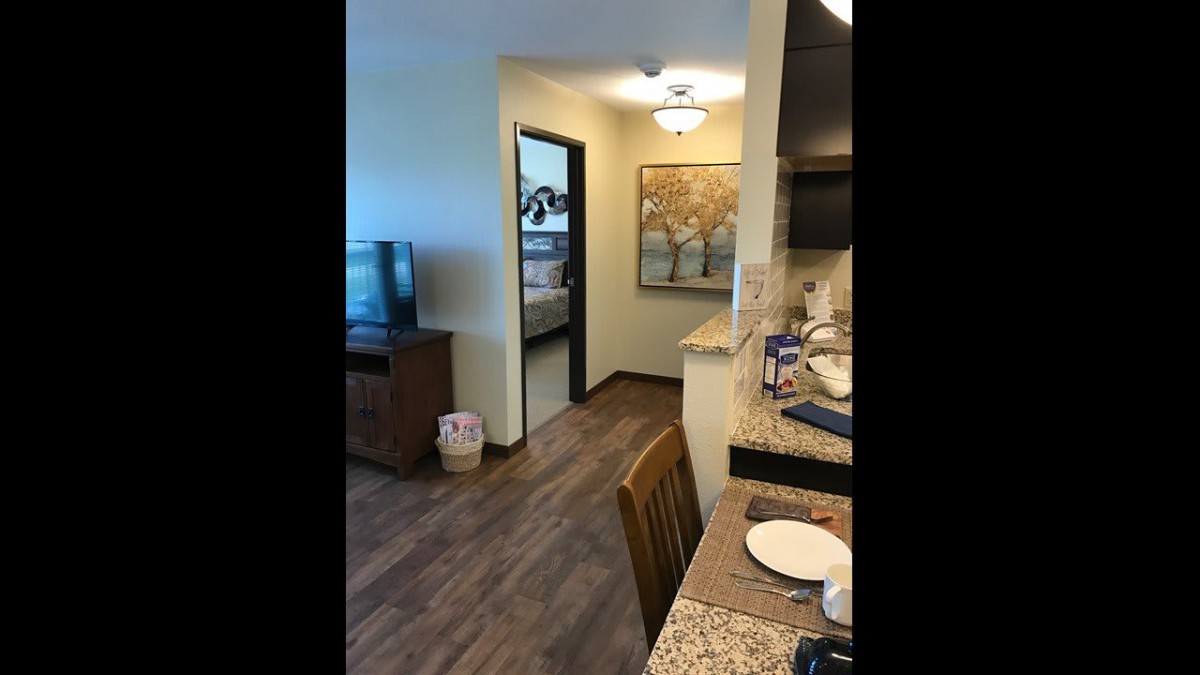
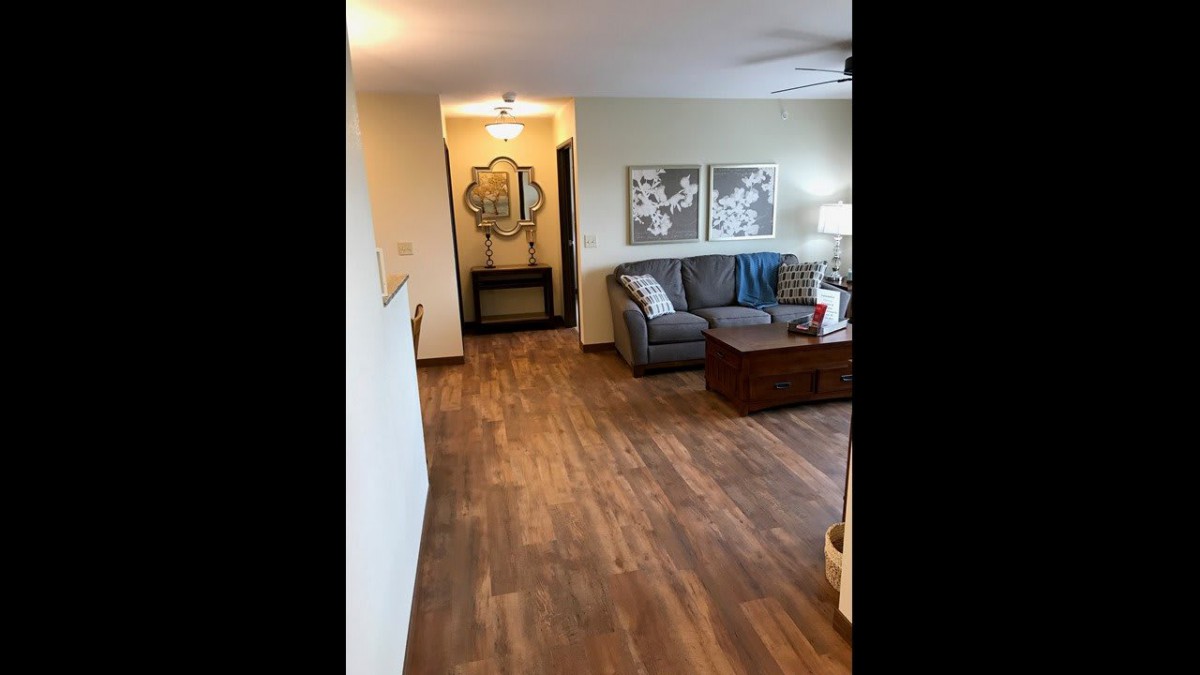
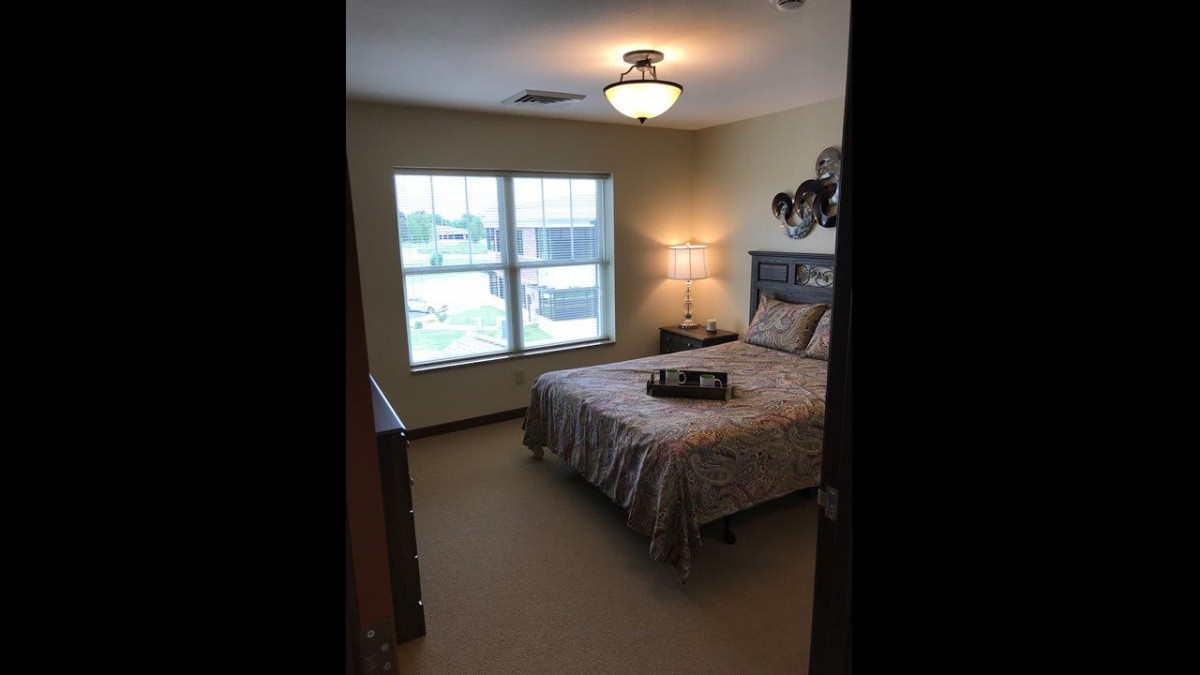
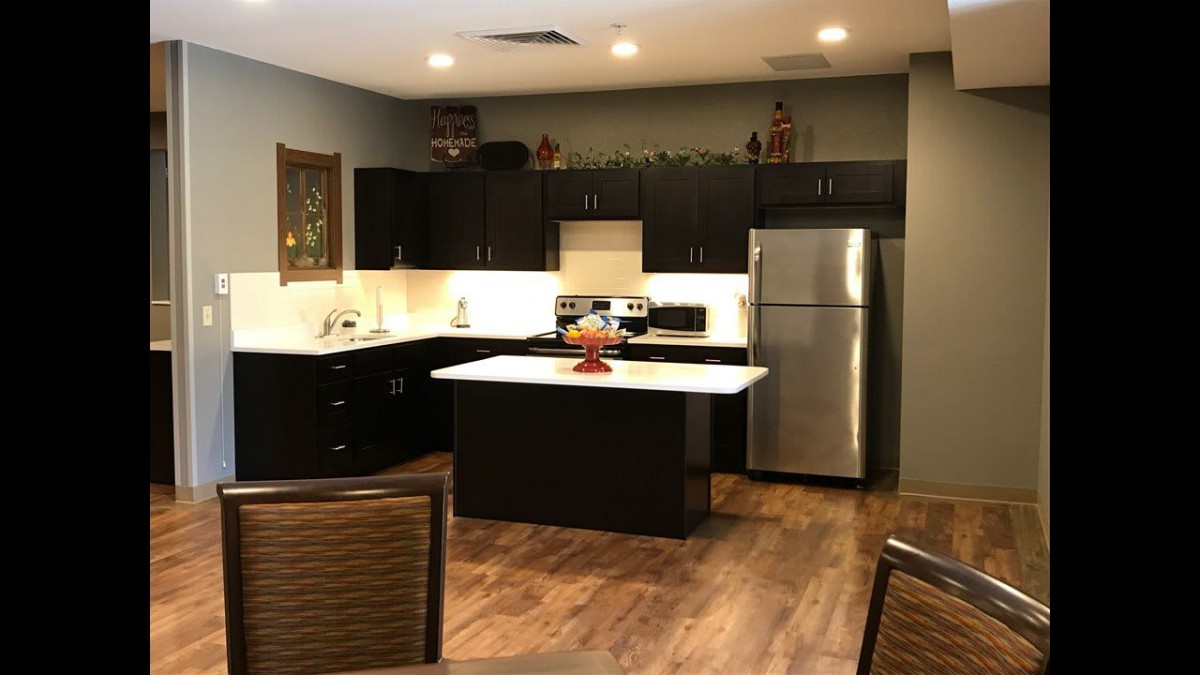
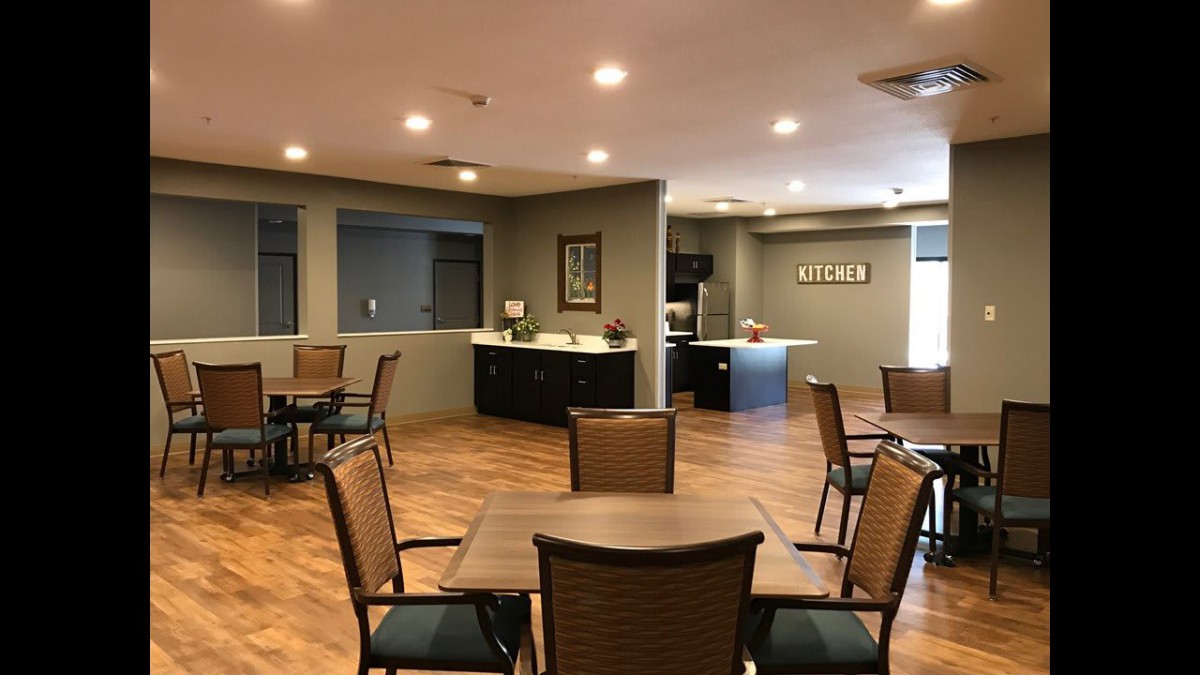
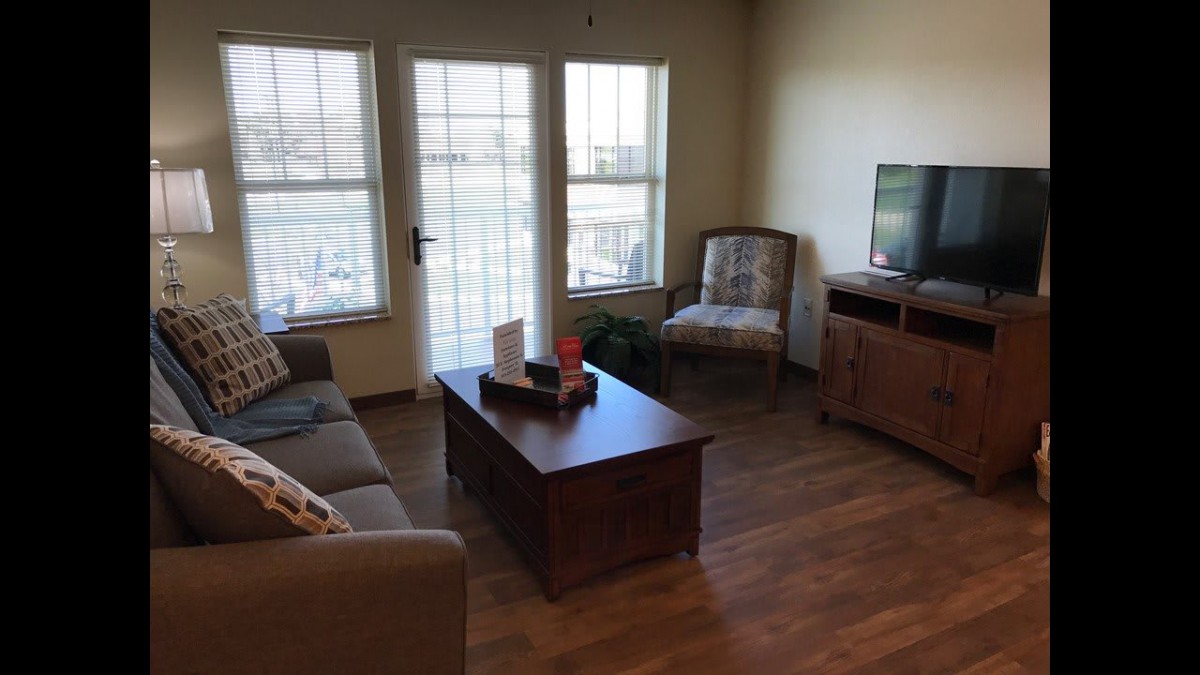
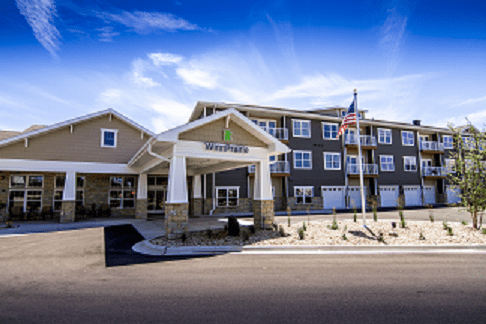
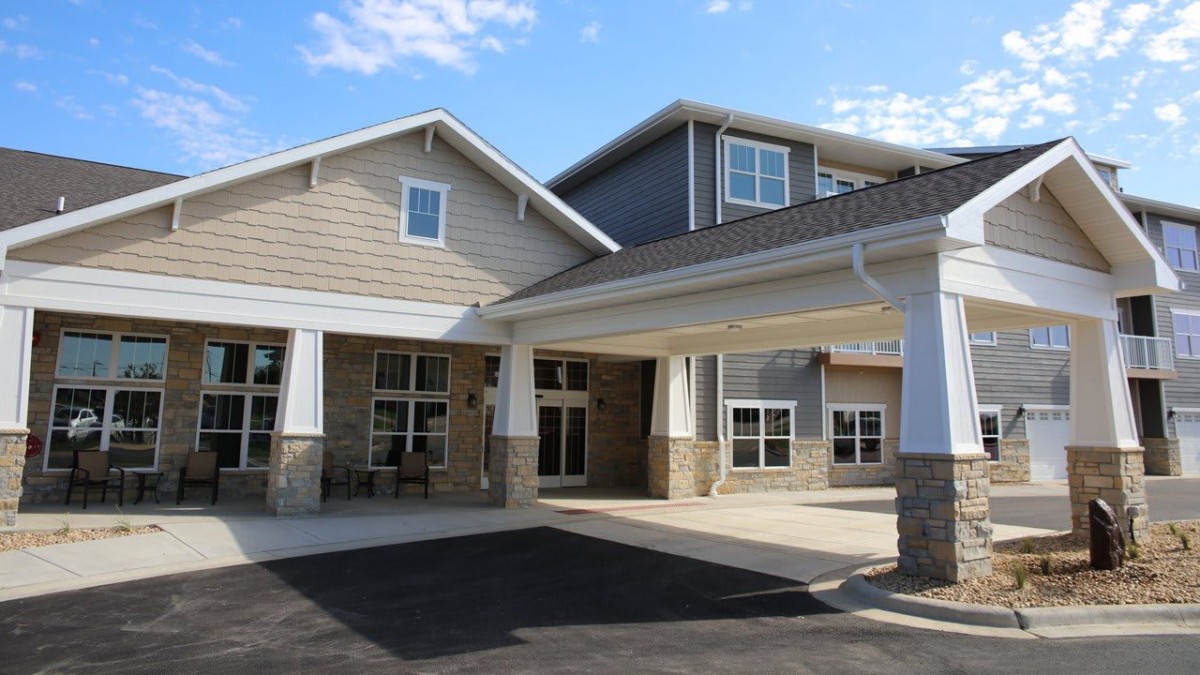
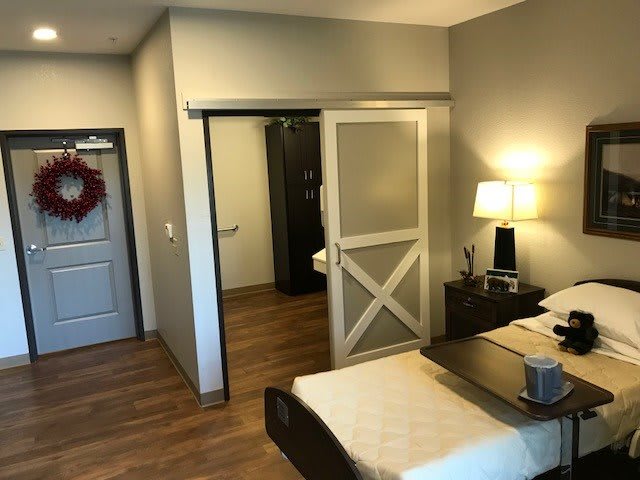
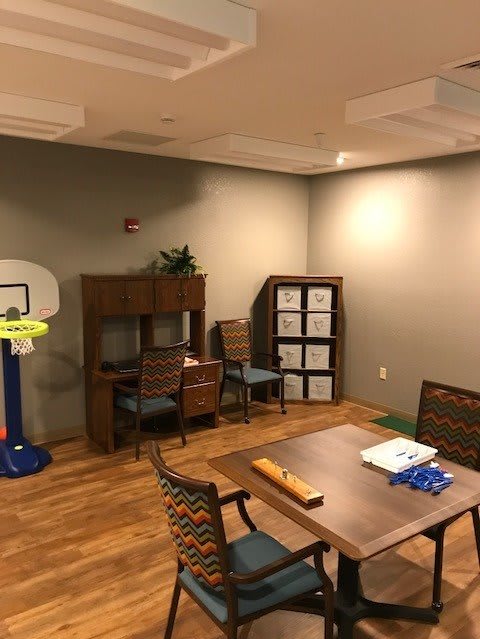
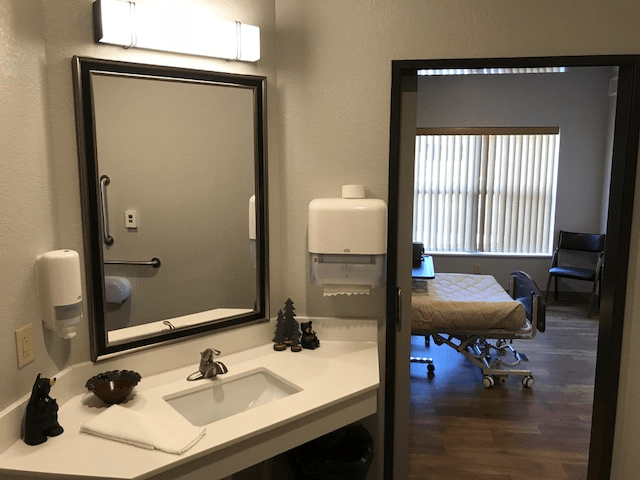
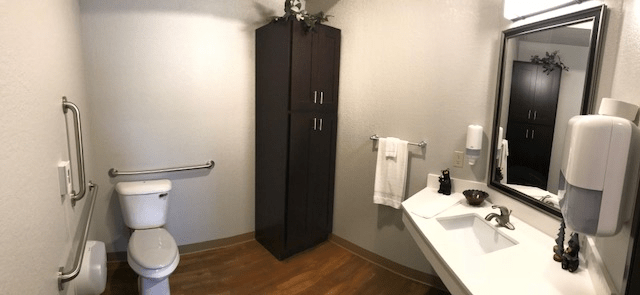
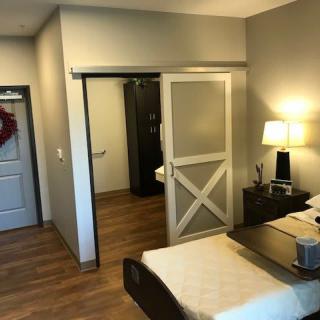
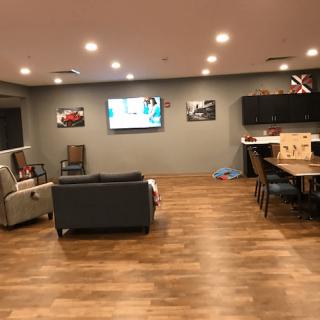
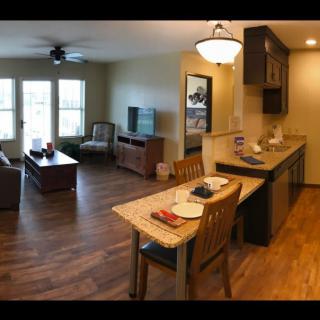
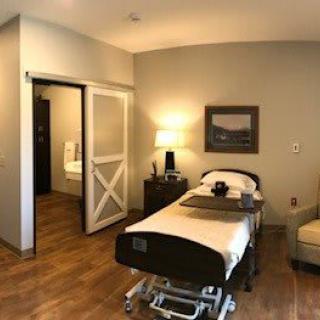
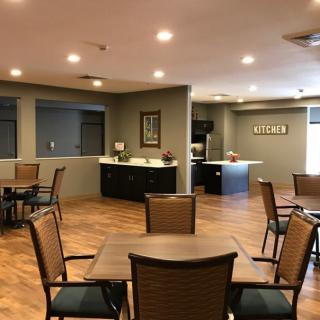
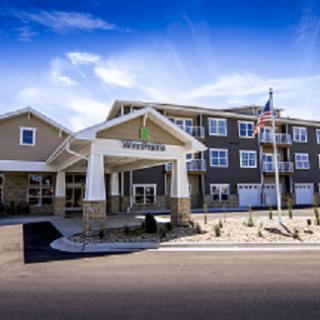
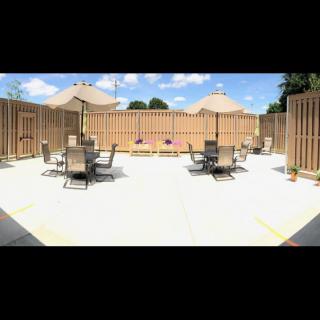
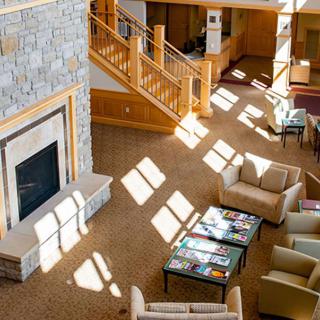
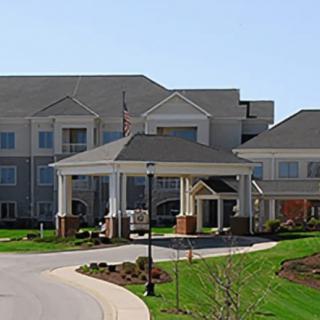
WinnPrairie Assisted Living and Memory Care in Freeport is best suited for families seeking a warm, person-centered environment where seniors receive steady, respectful care alongside opportunities for genuine social engagement. The community clearly accommodates memory-care needs, with a dedicated area for dementia and Alzheimer's care and a respite option that favors continuity of familiarity. Residents appear to benefit from staff who know them individually, maintain routines, and uphold dignity in daily care. The setting emphasizes homelike comfort, clean surroundings, and abundant amenities that support a lived-in, community-focused lifestyle. For couples or siblings choosing a single campus to meet multiple care needs, WinnPrairie presents itself as a practical, dependable choice rather than a clinical or impersonal setting.
Who may want alternatives is worth noting. A handful of reviews flag concerns about professionalism, using words that signal inconsistency in management or perception gaps around governance. Families that prioritize a strictly formal, highly regulated environment with flat, zero-tolerance communication lapses may want to compare options where administration and bedside care feel more uniform day to day. Location, scale, and medical footprint matter too; those needing closer proximity to larger hospitals or a broader network of specialists may prefer communities with a more expansive regional footprint. Price sensitivity and transparency about administrative processes can also drive some families to explore alternatives where governance is more overt and consistently explained.
The strongest positives here, attentive staff, a culture of respect, and meaningful family connection, tend to offset the nonzero concerns about professionalism. Multiple accounts describe caregivers who treat residents like members of an extended family, with higher-ups visibly participating in daily care and conversations about well-being. That hands-on leadership presence can translate into reliable responses to concerns and a sense that problems are addressed rather than simmering. The ability to deliver outstanding care while preserving residents’ dignity is repeatedly cited, creating a clear contrast with more impersonal settings. The community’s size allows for relationships that feel substantial rather than transactional, which matters when memory care and daily routines rely on familiarity and trust.
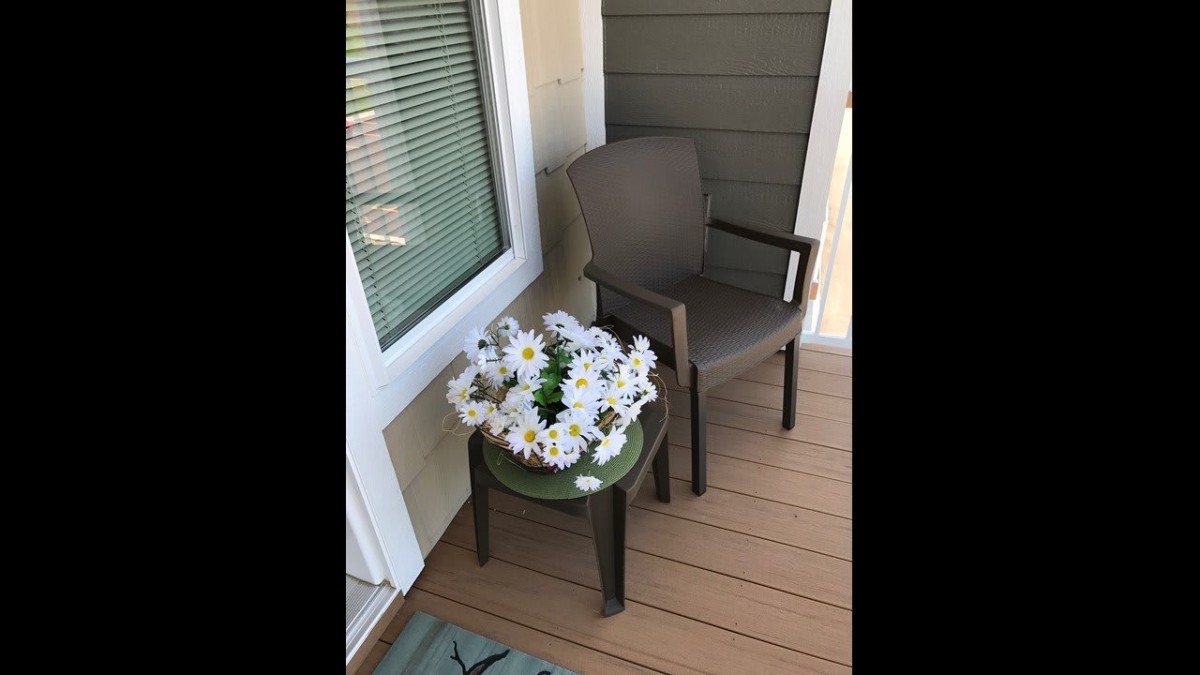
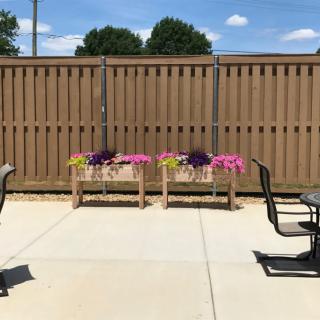
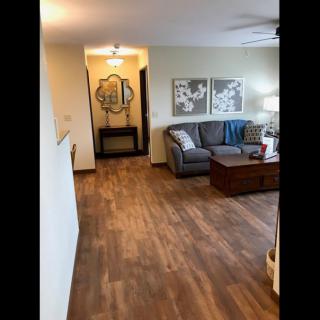
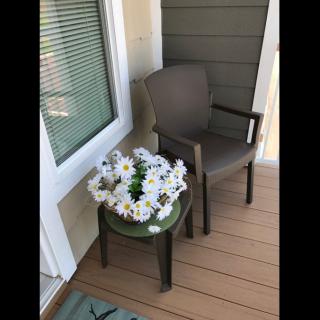
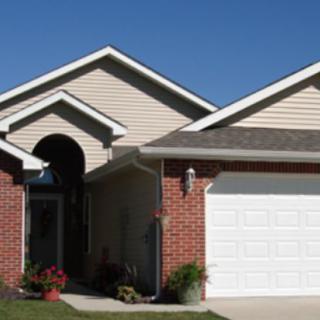
Experience with memory care and independence is a central differentiator. WinnPrairie’s dementia-friendly footprint is designed to support cognitive challenges without eroding autonomy, giving families a concrete option when worries center on safety and meaningful activity. Testimonials highlight residents’ opportunities for social interaction, engaging meals, and a daily rhythm that keeps seniors connected to life beyond limitations. The physical environment, such as the option for a resident to have a garage space or a small porch for gardening, suggests a level of personalization rare in some senior communities. For families weighing how much independence can be protected while assistance remains readily available, these elements provide practical reassurance. The important caveat remains: prospective residents should verify that the memory-care program meets the required level of care by meeting the caregivers and reviewing the intake process.
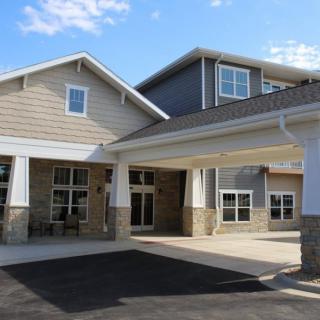
Practical considerations reinforce WinnPrairie’s appeal without glossing over the work still to be done. The Freeport location is a tangible asset for local families seeking ease of visitation, with consistently positive remarks about cleanliness and meal quality. The language of “extended family” used by families mirrors the day-to-day experience of staff knowing residents well, and it signals a culture that values relationship-building as a core service. Amenities are described as inclusive, and the campus supports long-term residency as well as respite stays, a combination that reduces the stress of transitions for caregivers. Tours tend to center on staff like Amy or Patti, who are singled out as informative and approachable guides through the layout, routines, and expectations. Prospects should walk through common areas, dining spaces, and the memory-care wing to observe interactions and comfort levels in real time.
The bottom-line guidance centers on alignment with specific needs. WinnPrairie delivers a compelling package for families seeking a compassionate, memory-care-capable community embedded in a warm, home-like atmosphere. The positives, competent, caring staff; a family-oriented culture; robust memory-care options; and tangible everyday amenities, often outweigh the concerns voiced by a minority of reviewers who question professionalism. For households that require a more formal, clinically driven governance model or a facility with a broader regional footprint, exploring alternatives remains prudent. The recommended path is a structured tour: watch resident-staff interactions, meet the caregiving and administrative teams, and request a trial stay to assess fit with daily life and safety. When priority is placed on meaningful connection, dignity in care, and a sense of belonging, WinnPrairie should be a leading contender in the decision-making process.
 Assisted Living
 Memory Care
 Activities off-site
 Air-conditioning
 Beautician on-site
 Cable or satellite TV
 Devotional services on-site
 Ground floor units
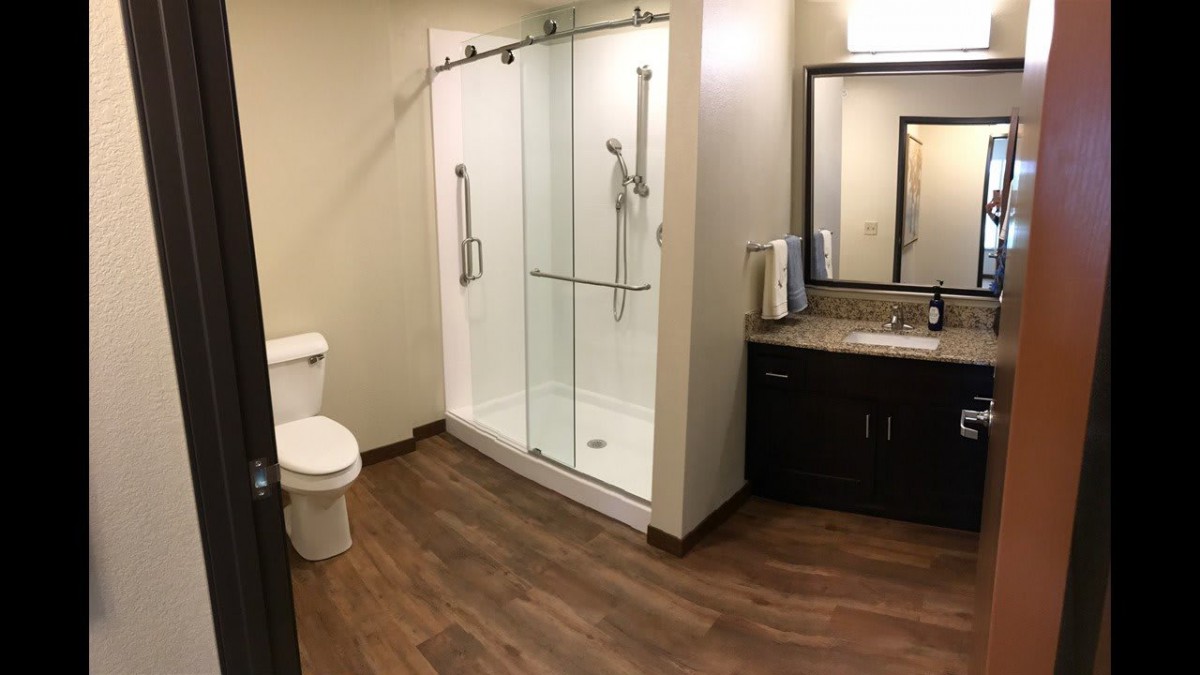
 Handicap accessible
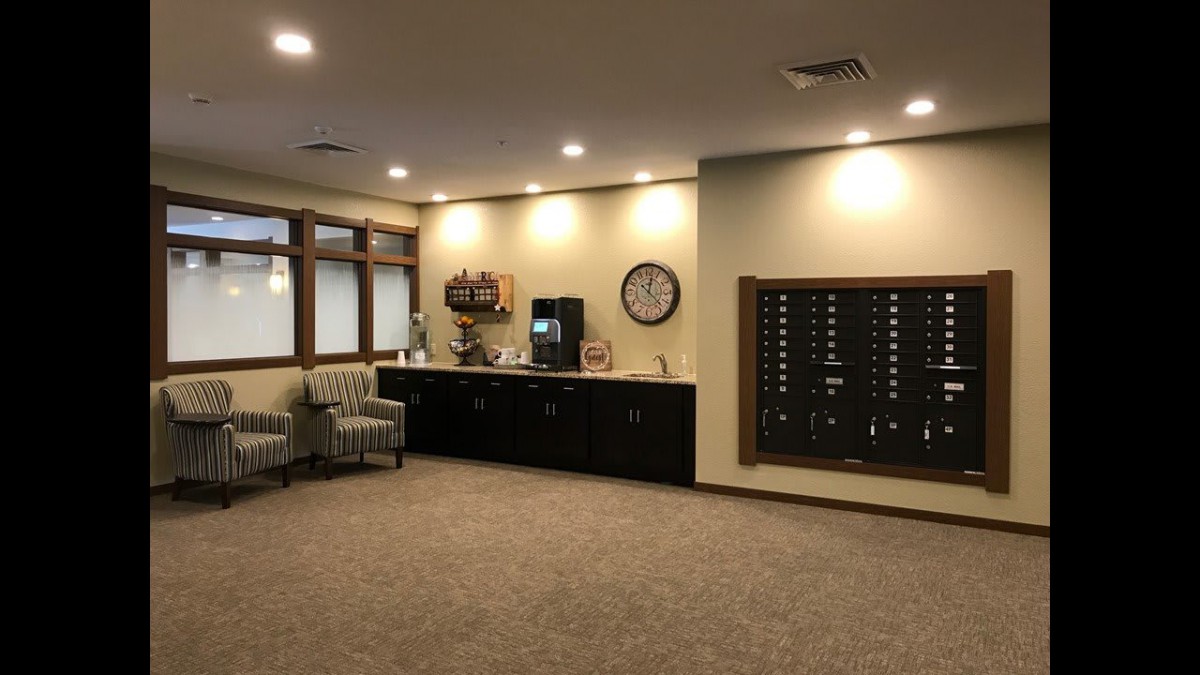
 Indoor common areas
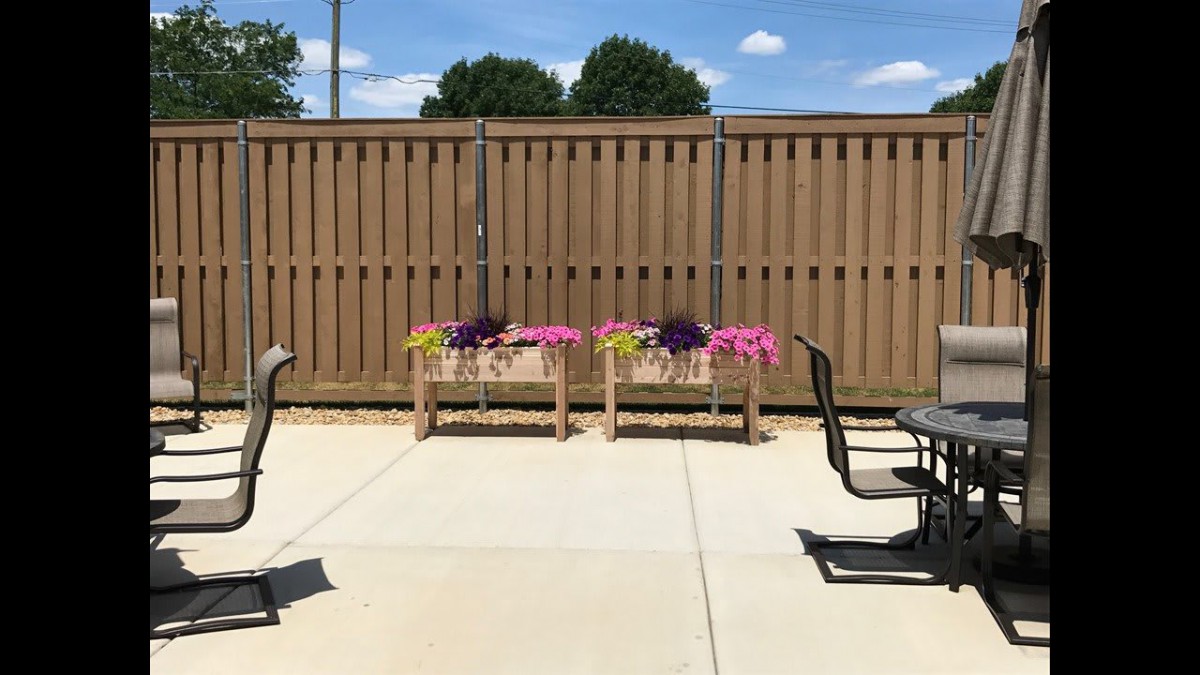
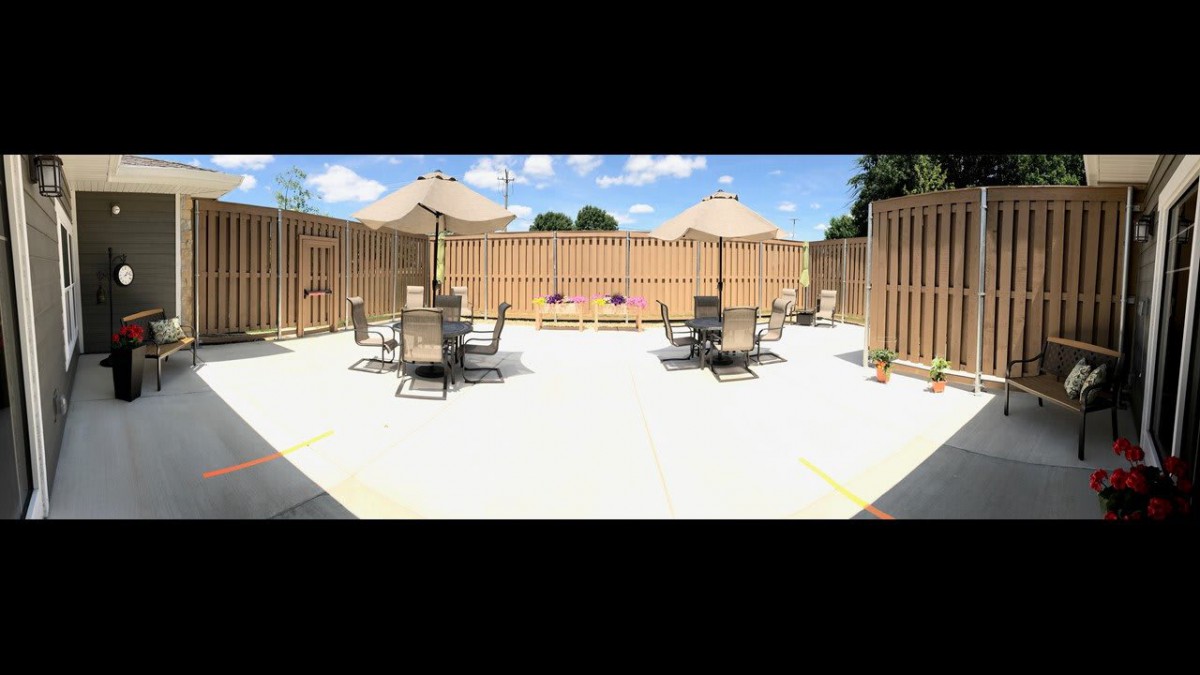
 Outdoor common areas
 Respite or short term stays offered
 Wheelchair accessible showers
 Wi-Fi/high-speed internet available
 Ambulatory care
 Diabetic care
 Incontinence care
 Medication management
 Anytime dining
 Cooking classes
 Day trips and outings
 Educational speakers / life long learning
 Forever fit
 Live dance or theater performances
 Live musical performances
 Live well programs
 Visiting chaplain or priest
 Wine tasting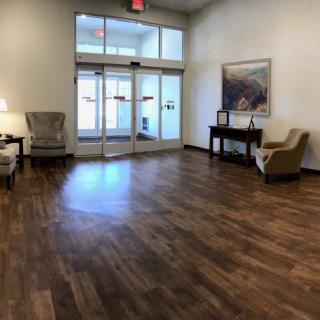



 Why Do Dementia Patients Sleep So Much? Understanding Oversleeping, Stages, and Care Approaches
 8 Key Indicators That Suggest It May Be Time to Transition from Assisted Living to Skilled Nursing Care
 Nourishing the Mind: Essential Dietary Approaches for Dementia