
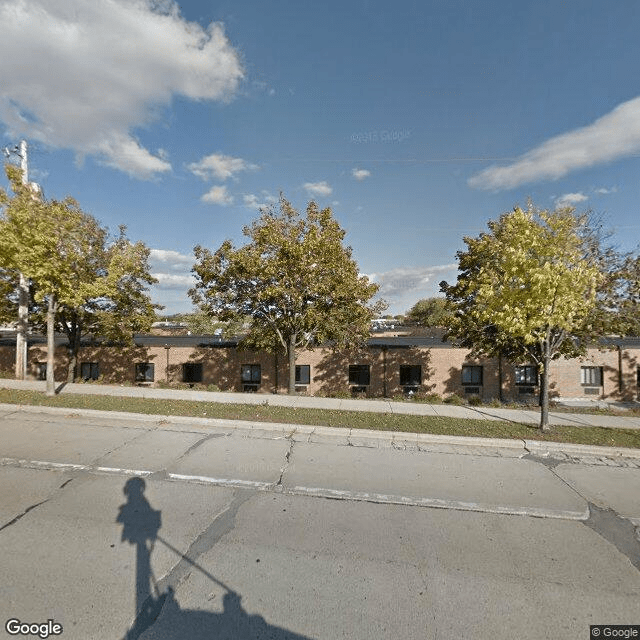
5700 W Layton Ave, Milwaukee, WI 53220
To contact a resident: (414) 281-7200
For more information about senior living options: (866) 208-4318
Overall Review of Mt Carmel Rehabilitation Svc
Cons
 They were very hungry because the meal portions were too small.
- They needed an interpreter for physical and occupational therapy but did not receive adequate support.
- They reported that a CNA allegedly hit their face during finger-spelling instruction.
- They disliked the Mount Carmel nursing home.
Review
Mt Carmel Rehabilitation Services in Milwaukee is best suited for adults entering short-term rehabilitation who can navigate care with strong self-advocacy and who can tolerate limited but essential language access. The single testimony available paints a picture of a facility where therapy (physical and occupational) is offered, but where communication gaps can undermine those services. In practice, success here will hinge on the resident or their proxy actively ensuring that needs are heard and promptly addressed, because the environment described demands vigilance and persistent oversight from families or guardians.
Those who may want to consider alternatives include deaf residents or anyone who relies on sign language or interpreter support to participate fully in therapy. The report notes a requirement for interpreters during therapy and, critically, a troubling incident where a CNA hitted the resident’s face while attempting to teach fingerspelling and sign language. That combination signals a risk that language access and staff interaction may not meet basic safety and respect standards. Families should explore options where interpreters are consistently available, where therapy is delivered with clear, respectful communication, and where interaction with staff demonstrates professional conduct.
The main pros of this community lie in the existence of dedicated rehabilitation services, specifically physical and occupational therapy, which are essential for recovery after injury or surgery. These benefits, however, are not clearly realized here because the ability to participate effectively in therapy depends on reliable communication and safe, supportive staff interactions. Without dependable language access and a culture of patient-centered safety, the stated therapy offerings lose their value. In other words, the potential gains from rehab services are offset by communication barriers and unsafe staff behavior, making the overall rehabilitation experience uncertain and risky for vulnerable residents.
Safety appears to be a decisive weakness. The cited incident of a CNA striking a resident’s face, an unambiguous red flag, speaks to broader concerns about staff training, supervision, and accountability. Even a short-term stay can intensify the impact of such events, jeopardizing trust in care and complicating recovery efforts. This factor is not peripheral; it directly influences willingness to engage in therapy, adherence to treatment plans, and the likelihood of a calm, restorative environment. Families should treat any report of staff aggression as a non-negotiable question during tours or discussions, and demand transparent evidence of corrective actions and ongoing staff development.
Nutritional care is another exposed fault line. The reviewer describes being left hungry due to portions that were “too small,” a lapse in basic caregiving that has tangible effects on energy, mood, and rehabilitation progress. In a rehabilitation setting, adequate nourishment supports endurance for therapy sessions and fosters healing. When meals fail to meet basic needs, the entire recovery trajectory can be compromised. This is not a minor frustration but a fundamental risk to the rehabilitation plan, especially for those recovering strength or managing conditions that require steady energy intake.
Overall, the decision to pursue Mt Carmel Rehabilitation Services should hinge on how well a prospective resident can tolerate and navigate substantial shortcomings in language access, safety culture, and nourishment. For families prioritizing robust interpreter services, unwavering staff professionalism, and consistent meal quality, options with stronger language accommodations and proven safety records should be pursued. Before commitment, demand concrete assurances: guaranteed interpreter availability for all therapy sessions; documented staff training and incident response policies; an explicit plan for meal planning that aligns with recovery needs; and candid, recent references about day-to-day care dynamics. Only with those assurances can this facility be considered a viable choice for short-term rehab, and even then, it remains a choice to be weighed against clearly safer, more communicatively responsive alternatives.
 Memory Care
 Skilled Nursing Facility
 General Mitchell International (5 miles away)
 Wide range of on-site amenities and memory care services.




 How and When Medicaid May Cover Assisted Living Costs
 A Detailed Exploration of Assisted Living Medicaid Waivers Across the United States
 Exploring the Contrasts Between Assisted Living and Skilled Nursing