

819 NE 155th Avenue, Vancouver, WA 98685
To contact a resident: (360) 566-1010
For more information about senior living options: (866) 208-4318
Whipple Creek Senior Estate, LLC Costs & Pricing
Whipple Creek Senior Estate, LLC offers competitive pricing for its private rooms at $3,400 per month, positioning itself favorably within the broader context of Clark County and the state of Washington. In Clark County, the average cost for similar accommodations is approximately $3,992 per month, while statewide figures suggest an even higher average of $4,772. This pricing structure not only makes Whipple Creek an attractive option for seniors seeking quality care at a more affordable rate but also reflects a commitment to providing value without compromising on the essential services and amenities that residents expect in a senior living environment.
| Floor plans | Whipple Creek Senior Estate, LLC | Clark County | Washington |
|---|---|---|---|
| Private | $3,400 | $3,992 | $4,774 |
Memory care communities with a similar price nearby
-
About the same

American Living Adult Family Home LLC
$3,500 / month2.7 miles away -
from -$400 / mo
Elder Garden Care Home, LLC
$3,000 / month7.8 miles away -
About the same
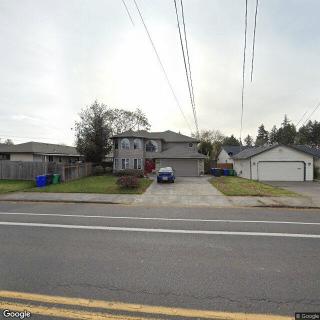
Northwest Home Health
$3,500 to $3,700 / month11.4 miles away -
from -$400 / mo

Rivercrest Adult Care
$3,000 to $3,700 / month20.5 miles away -
from +$600 / mo
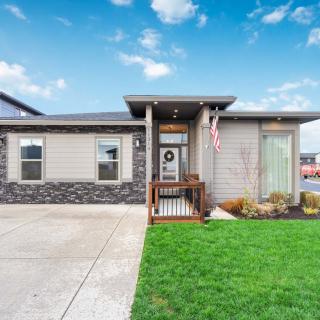
The Finest Care AFH, LLC
$4,000 to $5,500 / month1.2 miles away
Overall Review of Whipple Creek Senior Estate, LLC
Pros
 The staff are amazing and the food is fantastic.
- The atmosphere is welcoming.
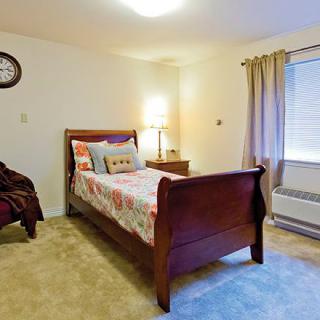
- The rooms are large.
- Crystal, the manager, is absolutely fantastic.
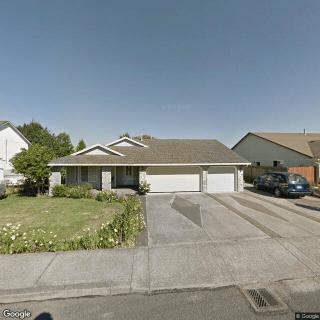
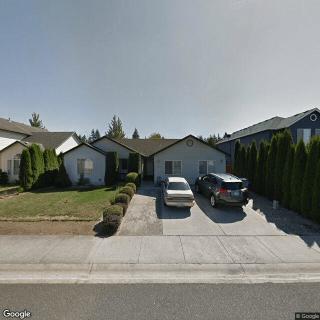
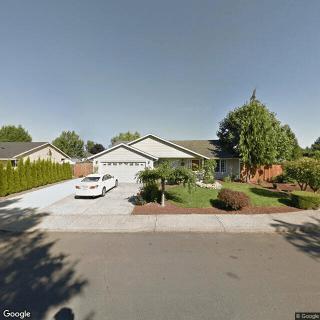
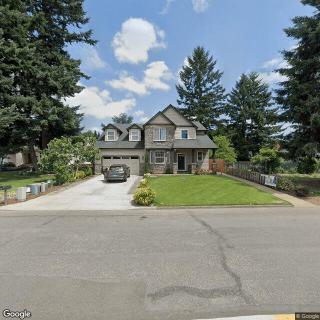
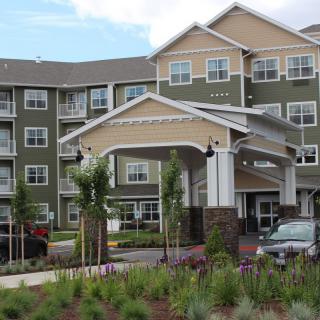
- The property is beautiful.
- The home offers personalized attention with a warm, family-like atmosphere due to its small six-resident size.
- Aura and Crystal have done an incredible job providing exceptional care and a loving home.
Cons
 The owner was abrasive and argumentative about the mother's needs.
- Aura aggressively argued that the mother pressed her call button too much.
- They felt attacked and defensive because of Aura’s conduct.
- The experience left the mother scared and anxious, and the reviewer felt she did not receive the care hoped for.
- The mother was angrily yelled at and accused of being a pest during her last days, which no one deserved.
- They believed staff could not realistically provide a 24-hour companion for every guest, indicating staffing limitations.
Review
Whipple Creek Senior Estate is best suited for families seeking a small, home-like assisted living where residents are known personally and staff become part of the extended family. With only six residents, the environment feels intimate and non-institutional, inviting open doors to warmth, home-cooked meals, and a consistently attentive presence. This community excels when a senior benefits from predictable routines, individualized attention, and frequent, visible caring from a stable team. It is ideal for someone who cherishes a cozy, beautifully decorated setting and places a premium on relationships with caregivers as the core of daily life.
Those who should consider alternatives are families prioritizing heavy medical oversight or round-the-clock clinical staffing in a larger, more formal setting. The consensus from several families highlights the challenge of delivering 24/7 companion care for every resident in a six-person home, and there is a real worry that expectations centered on constant, hands-on support may outpace available staffing. For residents who require more structured programming, diverse on-site activities, or a highly standardized clinical protocol, a mid- to large-size community could be a safer fit. A frank conversation about care intensity and staffing norms is essential before committing.
The strongest pros here are tangible and deeply felt: staff excellence, excellent meals, a welcoming atmosphere, and rooms that feel spacious and comfortable. The small home atmosphere translates into consistent, personalized attention, with caregivers who genuinely seem to know each resident’s preferences and needs. Reports of peace of mind from families about their loved ones being well cared for are consistent, and the property’s beauty and festive decor add to a sense of security and belonging. When a caregiver like Crystal, the manager, is highlighted as “absolutely fantastic,” that leadership quality directly reinforces day-to-day reliability and staff morale, which in turn supports resident well-being.
A critical counterbalance centers on management style and communication dynamics. One family’s experience describes abrasive, protective behavior from the owner when a loved one required more frequent attention, painting a picture of a potential mismatch between expectations and management approach. This outlier underscores a real risk: in homes this small, the tone and responsiveness of leadership can profoundly shape the resident and family experience, especially during difficult moments. For prospective residents, this means a candid, in-person discussion about how concerns are handled, how conflicts are resolved, and how the care plan adapts to changing needs will determine whether the strengths outweigh the friction.
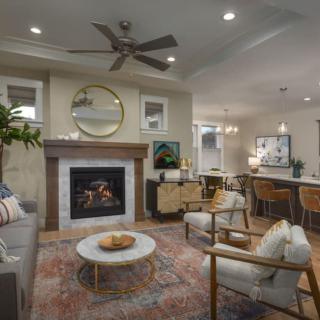
Safety and comfort remain strong selling points, with clean, roomy accommodations and a warm, secure, and uniquely decorated setting. The human element, caregivers who are described as going beyond basic requirements and forming genuine bonds, tends to offset the limits inherent in a six-resident model. The emotional resonance of watching a loved one feel supported, content, and included in a family-like rhythm cannot be ignored when evaluating long-term suitability. Yet the applicability of this advantage hinges on consistent, compassionate leadership and the ability to harmonize resident needs with available staffing.
Ultimately, families weighing Whipple Creek should enter with a practical playbook: schedule comprehensive tours, request direct meetings with Aura and Crystal, review a sample care plan, and probe how emergencies or high-need days are managed. Confirm what “personalized care” looks like in concrete terms, including response times, 24-hour coverage, and the way visits are integrated with medical appointments. Compare pricing inclusions and any potential ancillary costs to ensure expectations align with reality. For households prioritizing a tight-knit, manned-by-heart environment, this community delivers. For those seeking broader clinical acuity or a different leadership style, it may be wiser to explore other paths.
 Board and Care Home
 Memory Care
 Cats allowed
 Dogs allowed
 Activities off-site
 Bath tubs
 Devotional services off-site
 Indoor common areas
 Outdoor common areas
 Private
 Private bathrooms
 Respite or short term stays offered
 Wheelchair accessible showers
 Portland International (5 miles away)
 Diabetic care
 High acuity care
 Incontinence care
 Medication management
 Kosher

 Understanding the Distinctions: Assisted Living and Memory Care Explained
 How to Communicate with a Loved One Living with Dementia: 10 Supportive Strategies
 Comprehensive Guide to VA Nursing Homes: A Crucial Long-Term Care Resource for Veterans