

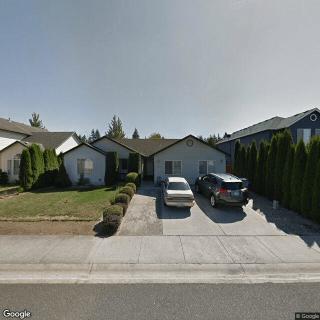
15214 NE 25th Circle, Vancouver, WA 98684
To contact a resident: (360) 607-8028
For more information about senior living options: (866) 208-4318
Better Options AFH Costs & Pricing
Better Options AFH offers private rooms at a monthly rate of $5,000, which positions it above the median costs for both Clark County and the broader state of Washington. In Clark County, the average expense for a similar private room is approximately $3,992, while the statewide average stands at $4,772. This suggests that while Better Options AFH may represent a higher investment compared to local standards, it potentially reflects enhanced services or amenities that could justify the premium. Families considering this option will want to weigh the level of care and environment at Better Options against these regional benchmarks to determine the best choice for their loved ones.
| Floor plans | Better Options AFH | Clark County | Washington |
|---|---|---|---|
| Private | $5,000 | $3,992 | $4,774 |
Senior living communities with a similar price nearby
-
from -$500 / mo
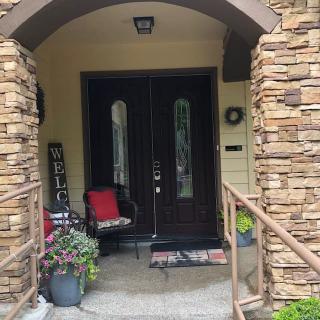
Casa Shattuck Senior Care
$4,500 / month14.7 miles away -
from +$500 / mo

Evergreen Quality Home
$5,500 / month8.5 miles away -
from -$500 / mo
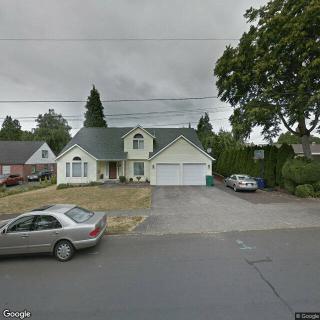
Genuine Senior Living
$4,500 / month14.8 miles away -
from -$500 / mo

Best Care Adult Family Home
$4,500 / month8.3 miles away -
from -$200 / mo

Park Ridge ACH
$4,800 / month21.7 miles away
Overall Review of Better Options AFH
Pros
 The CNAs are caring and always go the extra mile to make residents feel comfortable and respected.
- The nurses are professional, attentive, and always ready to help or answer questions.
- The respiratory therapists are wonderful, providing expert ventilator care with kindness and patience.
- The staff here genuinely care about the residents.
- Better Options provides extensive respiratory support with round-the-clock therapists, nurses, and caregivers.
- The facility offers devices such as MetaNeb machines and cough assist devices to support respiratory health and airway clearance.
- The mechanical hoyer lifts help transfer residents of different sizes and lengths.
- Faia, the owner, has implemented a hospitality program that visits with patients, crafts, and provides personal assistance.
- The care team is dedicated, kind, and professional, going above and beyond to ensure residents receive excellent care.
- The facility is clean, well maintained, and features a welcoming outdoor space.
Cons
 The facility was described as terrible.
- The place was described as horrendous, with accusations that the owner treated employees terribly.
- The legality of the place was questioned.
Review
Better Options AFH in Vancouver, WA is best suited for families seeking intensive respiratory support wrapped in a close-knit, hospital-level care environment. The community excels for residents who depend on ventilators or airway-management devices and require round-the-clock attention from CNAs, nurses, and respiratory therapists. It works best for those who need practical mobility assistance, such as mechanical hoyer lifts, and a comprehensive set of respiratory therapies delivered within a home-like setting. For families prioritizing continuous monitoring, rapid specialist response, and a dedicated care team, this option stands out.
Those weighing alternatives should note who might want to look elsewhere. The patient population here is intensely clinical, which can feel overwhelming for a resident who does not require ventilator-dependent care or who prefers a quieter, less medical atmosphere. Additionally, the reviews include pointed concerns about leadership and staff relations, suggesting possible inconsistencies in management and morale. If stability in leadership, predictable day-to-day routines, or a less intensive care culture are top priorities, exploring other communities could be the smarter move.
The strongest offset to the main drawbacks is the depth and cohesion of clinical care. The facility operates with around-the-clock respiratory support, a full cadre of therapists and nurses, and a broad inventory of equipment designed to optimize airway clearance and ventilator management. This level of expertise translates into reliable, specialized care that hospitals frequently acknowledge, and it creates a safety net for families worried about rapid response to respiratory needs. The care team’s collaborative dynamic, where nurses, CNAs, and therapists work in concert, also helps residents feel consistently valued and attended to.
Environmental and operational strengths further reinforce the core advantage: a clean, well-maintained home with functional spaces and accessible outdoor areas, paired with a sense of continuity in daily routines. Families frequently encounter a culture that treats residents as part of a broader, caring family, with staff who take time to know individual preferences and histories. The visible teamwork and the willingness to address concerns promptly contribute to a trustworthy atmosphere, particularly for those navigating complex medical trajectories.
Yet the cons demand caution. Several reviewers point to negative experiences related to leadership or staff treatment, signaling potential gaps in morale and governance that can influence day-to-day confidence in care consistency. For families evaluating long-term arrangements, this means the risk of fluctuating staffing patterns or shifts in how concerns are addressed. If a steady leadership climate and high staff morale are non-negotiable, this is a factor that warrants closer scrutiny during tours, conversations with front-line caregivers, and requests for specific, written assurances.
The practical course of action is clear. Schedule a visit with a focus on observing respiratory care workflows, meeting front-line staff, and querying how care plans are developed and updated for ventilator-dependent residents. Request detailed documentation on emergency procedures, staffing ratios at various shifts, and how concerns are escalated and resolved. If the goal is premiere ventilator-enabled care delivered with a strong, personal touch from leadership, Better Options AFH can be an excellent fit. If, however, governance stability or a softer care environment matters more, it is wise to compare this community with alternatives that offer similar clinical strength but a different cultural balance.
 Board and Care Home
 Cats allowed
 Dogs allowed
 Activities off-site
 Devotional services on-site
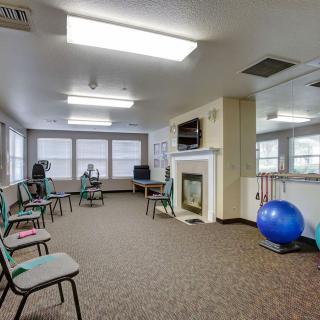
 Indoor common areas
 Outdoor common areas
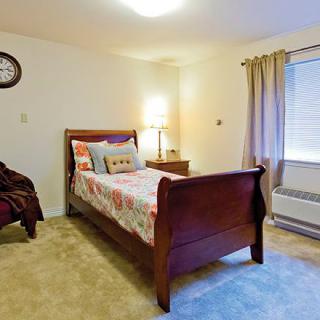
 Private
 Private bathrooms
 Respite or short term stays offered
 Wheelchair accessible showers
 Portland International (5 miles away)
 Diabetic care
 High acuity care
 Incontinence care
 Medication management
 Meals provided




 Comprehensive Exploration of Living Wills and Other Advance Directives
 A Detailed Exploration of Living Wills and Advance Directives
 Comprehensive Guide to Medicare Coverage for Hospice Care