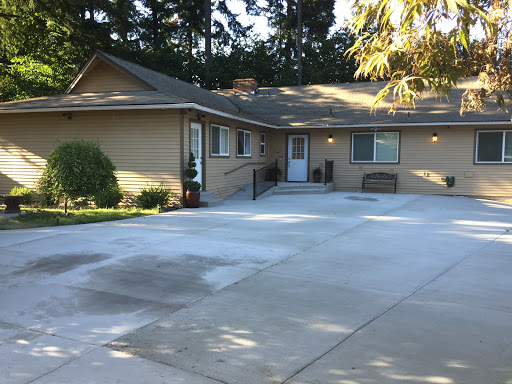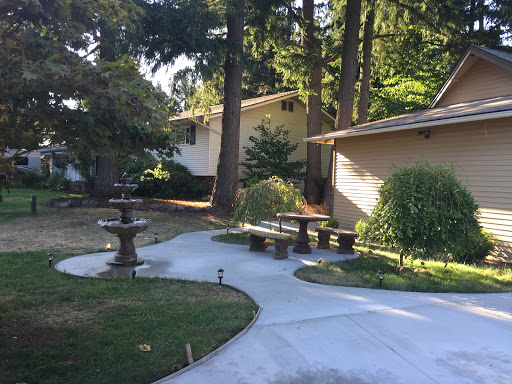
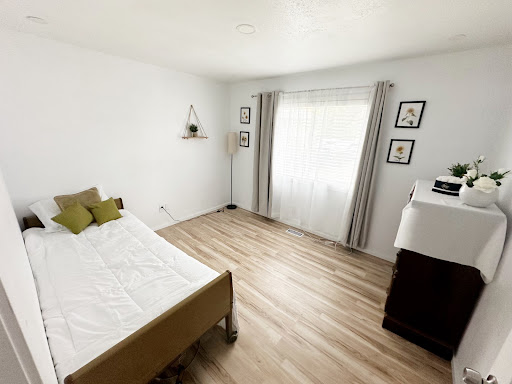
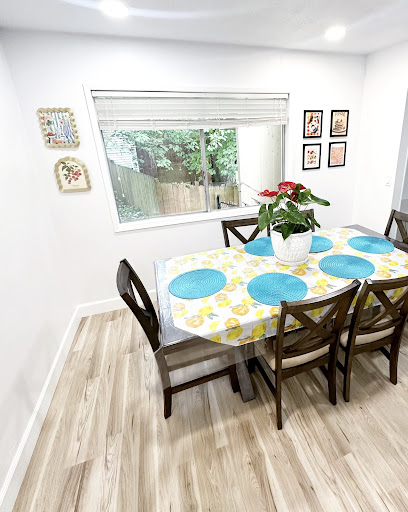
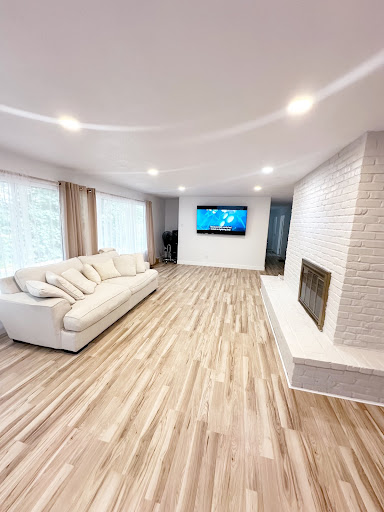

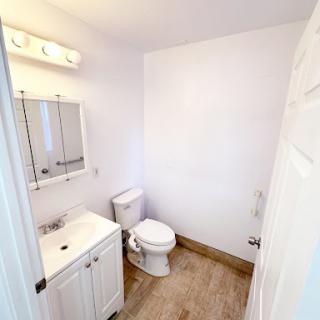
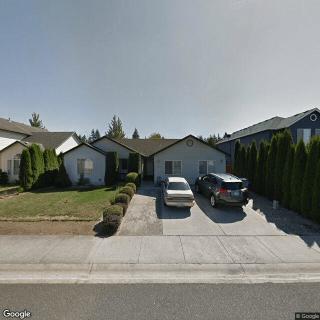
15710 NE 28th St., Vancouver, WA 98682
To contact a resident: (360) 910-8811
For more information about senior living options: (866) 208-4318
A-Adult Elder Care Costs & Pricing
A-Adult Elder Care offers competitive pricing within the context of Clark County and the broader Washington state landscape. For a semi-private room, residents can expect to pay $4,000 per month, which is slightly above the county average of $3,897 but below the state average of $4,267. When it comes to one-bedroom accommodations, A-Adult matches its pricing to that of a private room at $5,000; this figure is higher than Clark County's average of $4,178 yet remains lower than the state average of $4,632. Similarly, for private rooms priced at $5,000, A-Adult offers a reasonable alternative compared to Clark County's rate of $3,992 and Washington's statewide average of $4,772. Overall, these costs reflect a commitment to providing quality elder care while remaining mindful of local market dynamics.
| Floor plans | A-Adult Elder Care | Clark County | Washington |
|---|---|---|---|
| Semi-Private | $4,000 | $3,897 | $4,272 |
| 1 Bedroom | $5,000 | $4,178 | $4,634 |
| Private | $5,000 | $3,992 | $4,774 |
Memory care communities with a similar price nearby
-
from -$500 / mo

American Living Adult Family Home LLC
$3,500 / month1.6 miles away -
from -$500 / mo

Northwest Home Health
$3,500 to $3,700 / month12.5 miles away -
About the same
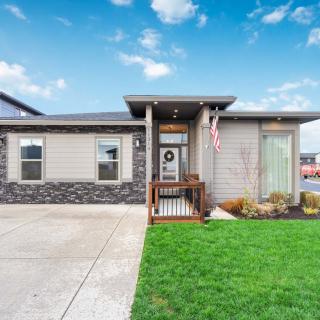
The Finest Care AFH, LLC
$4,000 to $5,500 / month0.4 miles away -
from -$500 / mo
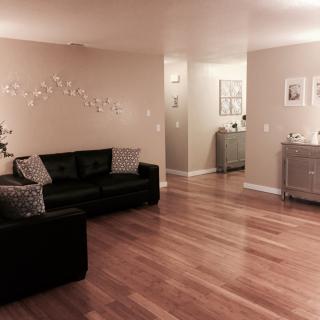
Grace Care Adult Foster Home
$3,500 / month10.8 miles away -
from -$500 / mo
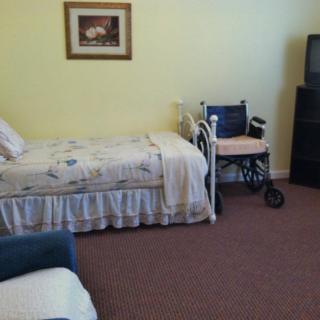
Blue Sky Adult Care Home
$3,500 / month17.7 miles away
Overall Review of A-Adult Elder Care
Pros
 The staff are very compassionate, patient, and friendly.
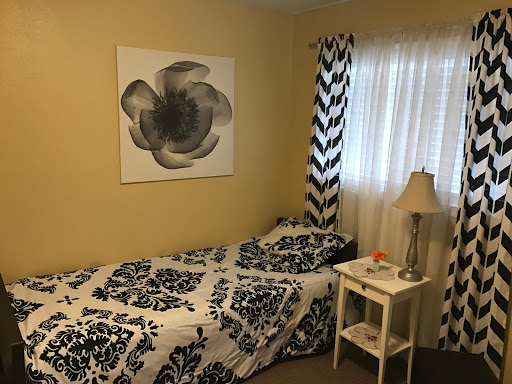
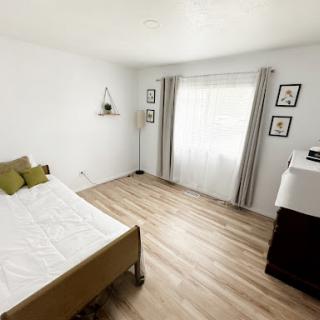
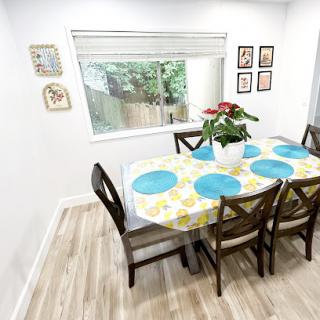
- The mom is well cared for in a beautiful, spotless, and safe environment.
- Communication is excellent and greatly appreciated.
- The reviewer would highly recommend the facility.
Cons
 Amazingly terrible
Review
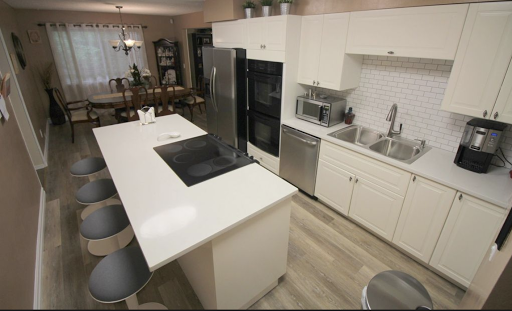
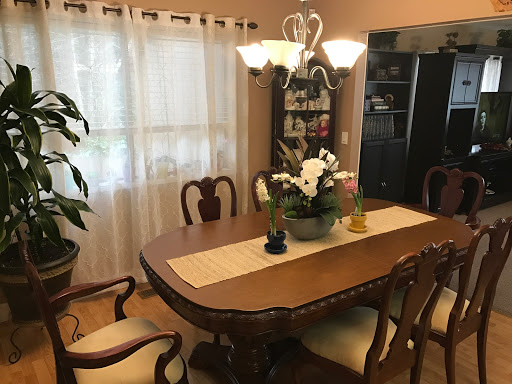
This community is best suited for seniors in Vancouver, Washington who want a personable, intimate assisted living option where compassionate, patient care is delivered in a clean, safe environment. It tends to attract residents who value steady, hands-on attention and clear, ongoing communication with family members. For families seeking reliability, warmth, and ease in day-to-day life, this option stands out as a practical fit rather than a clinical fortress. The emphasis on dignity, respect, and gentle oversight supports independent living within a supportive framework, making it a strong choice for those who prize everyday steadiness over high-tech programming.
However, the best fit may shift for families requiring highly structured medical oversight, specialized memory care, or truly round-the-clock nursing coverage. While feedback is predominantly positive, the presence of a strongly negative review signals that experiences can diverge. Prospective residents should drill into staffing consistency, escalation paths for concerns, and the facility’s track record on follow-through. A thorough tour at multiple times of day, and conversations with a range of current residents’ families, are prudent steps to verify that care quality remains steady beyond peak moments.
On the upside, reviews converge on a core strength: the staff’s warmth and steadiness. Caregivers are described as compassionate, patient, and genuinely friendly, which translates into residents appearing well cared for and emotionally supported. The environment earns praise as beautiful, spotless, and safe, reinforcing daily confidence for families who worry about cleanliness and risk. Communication stands out as a practical asset, updates feel timely and transparent, and requests or concerns tend to be acknowledged promptly. Taken together, these operational strengths reduce daily friction and foster a sense of continuity that matters to families during transitions.
Still, the mixed signal from the negative review cannot be dismissed. A one-line label of “Amazingly terrible” introduces a caution flag about how care feels in practice under different circumstances. Possible drivers include staffing fluctuations, gaps in coverage at certain shifts, or lapses in problem-resolution when issues arise. This means that potential residents should seek direct evidence of consistent nurse presence, clear accountability, and a documented process for addressing complaints. It also suggests asking for recent family references and, if possible, observing interactions during busy periods to gauge real-world responsiveness and attentiveness.
The strong pros, the compassionate staffing, the clean, safe environment, and the emphasis on open communication, tend to offset most concerns for families prioritizing daily quality of life and peace of mind. A steady routine, accessible staff, and visible, caring engagement can inoculate against occasional missteps by providing reliable reassurance to both residents and their loved ones. For organizations prioritizing family updates and respectful, person-centered care, A-Adult Elder Care delivers a compelling value proposition in the Vancouver market.
Practical next steps for decision-making include requesting a candid meeting with administration, a current staffing snapshot, and sample care plans that reflect typical resident needs. Ask about emergency response procedures, transportation options, activity calendars, and any additional services that might be needed as care levels change. Seek testimonials from several families, not just the strongest endorsement, to balance impressions. If these checks align with priorities, genuine warmth, cleanliness, and clear family communication, A-Adult Elder Care presents a credible, practical choice for families evaluating assisted living in Vancouver.
 Board and Care Home
 Memory Care
 Activities on-site
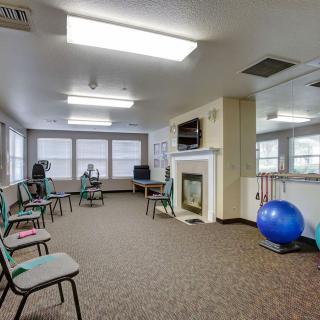
 Indoor common areas
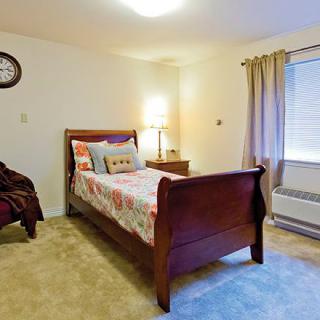
 Private
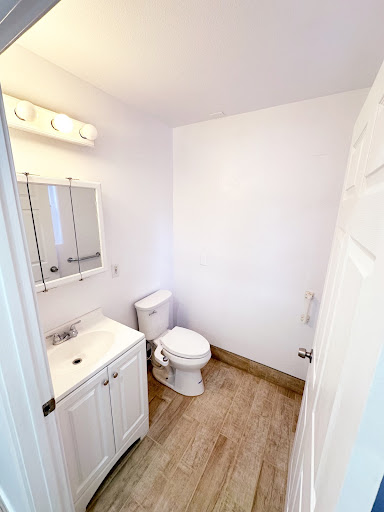
 Wheelchair accessible showers
 Portland International (6 miles away)
 Diabetic care
 Incontinence care
 Medication management
 Low / no sodium



 Understanding Medicaid Coverage for Assisted Living: A Comprehensive Guide
 How and When Medicaid May Cover Assisted Living Costs
 A Detailed Exploration of Assisted Living Medicaid Waivers Across the United States