
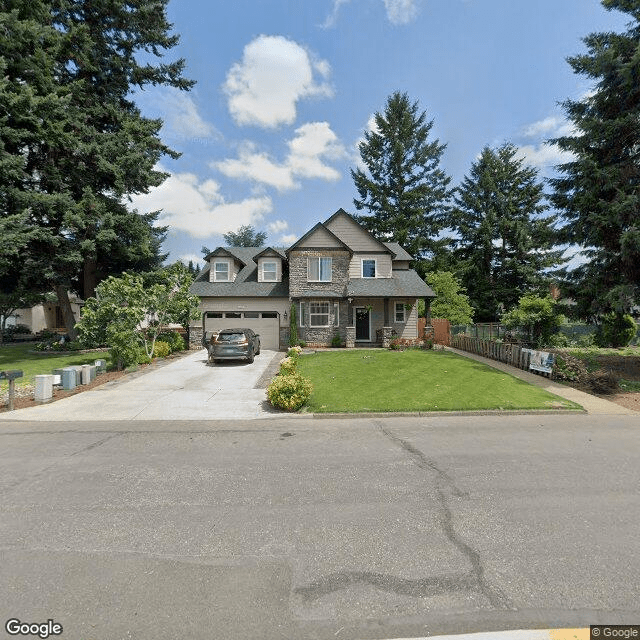
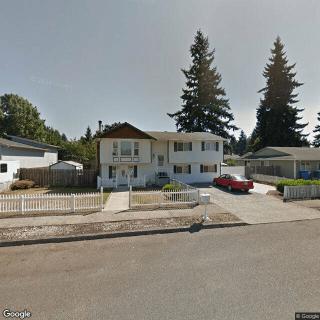
1609 NE 139th Ave, Vancouver, WA 98684
To contact a resident: (503) 984-4606
For more information about senior living options: (866) 208-4318
Martin Adult Foster Care Costs & Pricing
At Martin Adult Foster Care, the monthly costs for accommodations are consistent across various room types, all set at $4,500. When comparing these rates to those in Clark County and the broader state of Washington, Martin's pricing positions itself notably above local averages. For instance, a one-bedroom suite in Clark County averages $4,178, while private rooms are priced at $3,992 and semi-private options at $3,897. This demonstrates that while Martin Adult Foster Care maintains a fixed cost structure regardless of room type, it does so at a premium compared to regional offerings which vary from approximately $3,897 to $4,632 in Washington. Such pricing may reflect specific amenities or care services offered at Martin Adult Foster Care that cater to residents seeking a higher level of comfort or support.
| Floor plans | Martin Adult Foster Care | Clark County | Washington |
|---|---|---|---|
| 1 Bedroom | $4,500 | $4,178 | $4,634 |
| Private | $4,500 | $3,992 | $4,774 |
| Semi-Private | $4,500 | $3,897 | $4,272 |
Memory care communities with a similar price nearby
-
from -$500 / mo
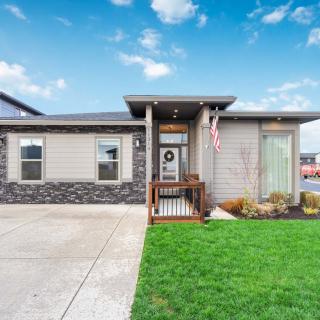
The Finest Care AFH, LLC
$4,000 to $5,500 / month0.9 miles away -
from +$500 / mo
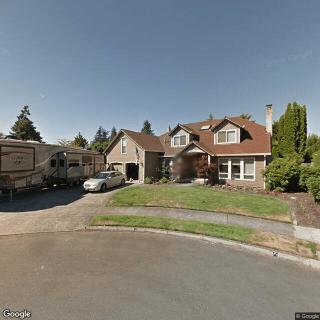
Windsor Gardens
$5,000 / month1.1 miles away -
About the same

Camas Hills Care Home
$4,500 / month6.0 miles away -
from -$500 / mo

Garden View Care
$4,000 to $5,500 / month3.1 miles away -
from -$800 / mo

Cedar Highlands Care, Inc.
$3,700 / month6.3 miles away
Overall Review of Martin Adult Foster Care
Pros
 Martin Adult Foster Home has been the best choice for mom.
 - The main caregiver Maria is absolutely wonderful; she is kind, caring, and nurturing.
- The staff provide excellent, attentive care to residents.
- Maria, Timea, and the Martin AFC team care for residents with great devotion.
- The home environment is warm, welcoming, and loving.
- Residents are treated with love, compassion, and good care.
- The home offers home-cooked meals and comprehensive physical and emotional care.
- Families feel lucky to have found this home and would highly recommend it.
- Maria is the best caregiver; the home is highly recommended for anyone needing this level of care.
Cons
 Some staff members did not seem to enjoy their work; several were totally silent.
- The second location felt cold and unfriendly, with a cold, unwelcoming atmosphere and a common room that was empty.
- The owner would not allow visitors to look in the refrigerator to verify that residents' meals were fresh and not just TV dinners.
Review
Martin Adult Foster Care in Vancouver, WA is best suited for families seeking an intimate, home-style option for seniors who require ongoing support and appreciate deeply personal attention. This community shines for residents who thrive in a small, family-like setting where daily routines, favorite meals, and medical nuances are known by name. The strongest alignment is with individuals needing hands-on care, assistance with mobility and medications, and meaningful social engagement delivered with warmth. Hospice-compatible care and end-of-life support are clearly within the team’s wheelhouse, making it a viable choice for evolving needs as health shifts occur. In short, it serves well those who want to avoid the impersonality of larger facilities while still receiving comprehensive, attentive care.
That said, some families may want to consider alternatives if a larger, more structured environment is a better fit. The appeal of a bigger facility with formal programming, broader on-site medical staffing, and more visible activity schedules can’t be dismissed for residents who require a higher level of clinical oversight or more diverse engagement opportunities. The variability between locations is a genuine consideration: one site can feel warm and engaged, while another may come across as cold or less inviting. For families prioritizing a uniform, corporate-backed atmosphere or multi-location consistency, exploring other options with standardized policies may be prudent.
The strongest pros here act as powerful offsetting forces against the noted drawbacks. Maria is repeatedly identified as the heart of the operation, kind, attentive, and genuinely nurturing, creating a foundation of trust that permeates care, meals, and daily routines. The home-like environment, paired with home-cooked meals and a steady, predictable rhythm, translates into tangible peace of mind for families. The caregiving team’s willingness to accommodate complex needs, including hospice arrangements, demonstrates a level of flexibility and commitment that’s hard to match in larger settings. Cleanliness and comfort further cement the sense that a loved one is cherished, not simply accommodated, within these walls.
End-of-life support stands out as a particularly meaningful strength. Residents can transition into hospice with continued attentiveness and practical, compassionate care, with staff guiding families through the logistics and emotional terrain. The small, family-owned feel augments accessibility and responsive decision-making, so families feel they are collaborating with people who understand the nuanced wishes of their loved ones. Nevertheless, the same intimate model can reveal gaps when expectations collide with the realities of staffing depth or resource variety, especially if a visit to a secondary location leaves a colder impression than the primary home base. That makes direct, in-person verification essential before choosing a location.
From a decision-making perspective, the key question is whether the intimate, caregiver-driven approach aligns with the resident’s current and anticipated needs. The standout benefits, personalized meals, bespoke attention, and a proven capacity to nurture quality of life, tend to outweigh the drawbacks for seniors who prize relationship-rich care and a non-institutional feel. The lone one-star account serves as a cautionary data point: it underscores the importance of touring both sites, meeting the caregiving team, and assessing daily life firsthand. Prospective families should request recent references, inspect meal options, review activity offerings, and confirm emergency protocols and hospice integration to ensure the model meets exact expectations.
In sum, Martin Adult Foster Care offers a compelling, practical choice for families prioritizing warmth, individualized attention, and a home-like setting that can gracefully adapt to changing care needs, including end-of-life support. It is especially well-suited for seniors who value continuity of relationships with a devoted, responsive staff and a living space that honors dignity, privacy, and daily comfort. Alternatives become worth weighing when the priority shifts toward a more structured program, broader medical staffing, or a uniform experience across multiple locations. With deliberate due diligence, spending time at the sites, meeting Maria, Timea, and the rest of the care team, and confirming plans for hospice or complex care, this community can be a trustworthy, compassionate home where a loved one is not merely cared for but truly cared about.
 Board and Care Home
 Memory Care
 Activities on-site
 Air-conditioning
 Beautician on-site
 Cable or satellite TV
 Devotional services on-site
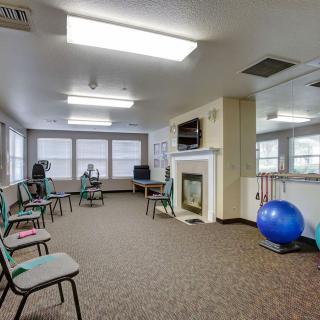
 Fireplaces
 Full kitchen
 Ground floor units
 Indoor common areas
 Outdoor common areas
 Private
 Private bathrooms
 Respite or short term stays offered
 Wheelchair accessible showers
 Wi-Fi/high-speed internet available
 Portland International (5 miles away)
 Diabetic care
 High acuity care
 Incontinence care
 Medication management
 Anytime dining
 Art classes
 Bible study group
 Cooking classes
 Educational speakers / life long learning
 Karaoke
 Live dance or theater performances
 Live musical performances





 Memory Care Pathways: A Holistic Guide to Dementia Support
 Comprehending Evening Confusion in Dementia: Causes, Manifestations, and Support
 Delirium and Dementia: Unraveling the Key Differences