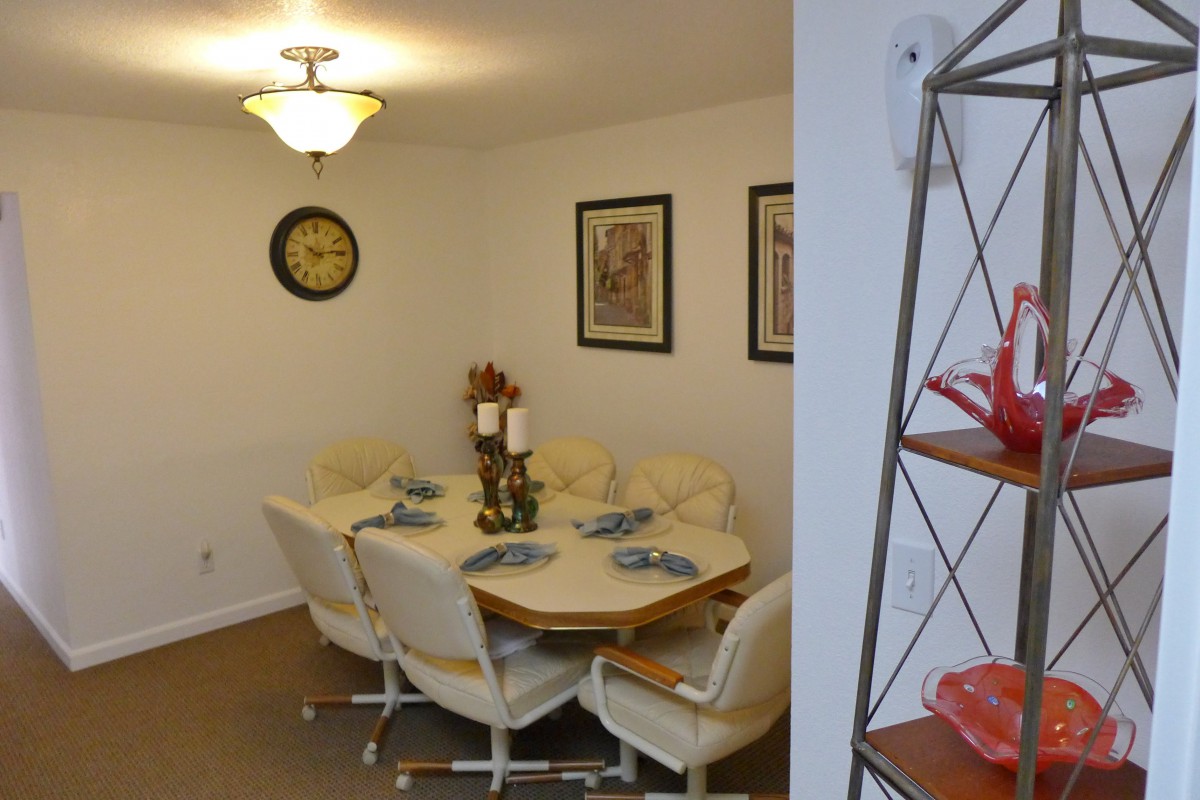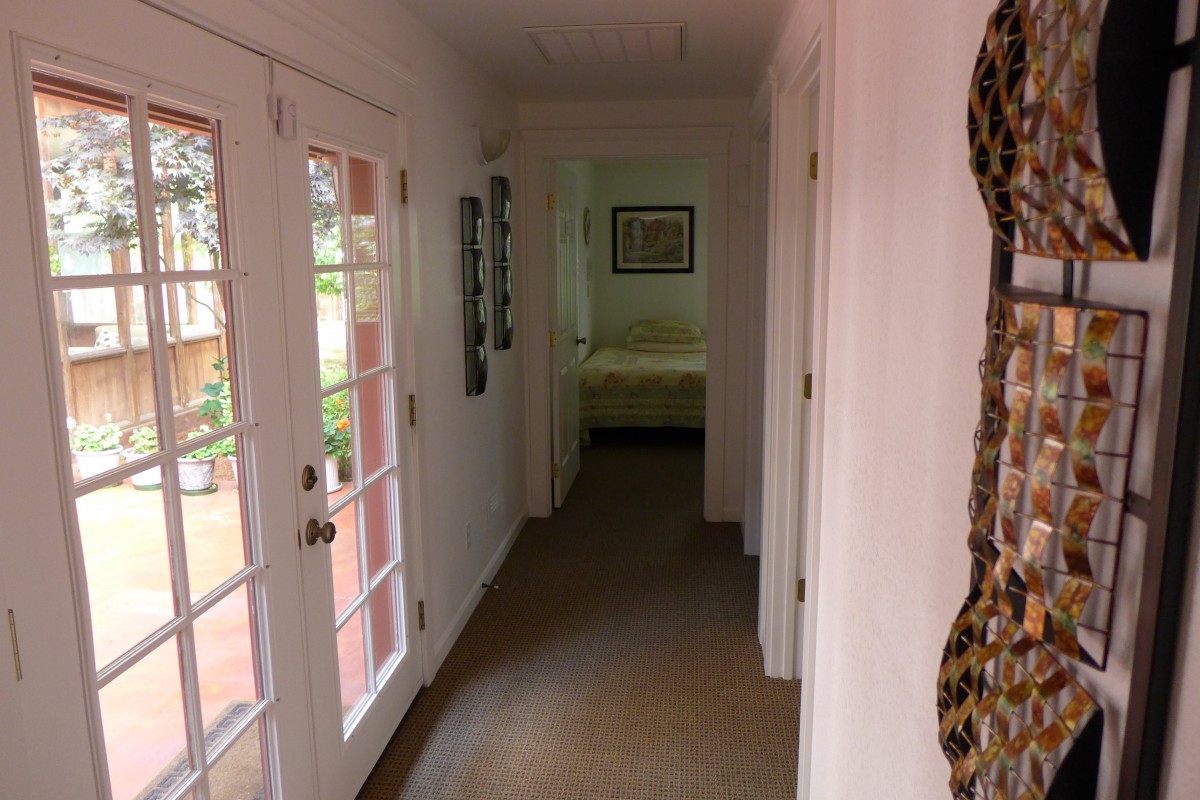

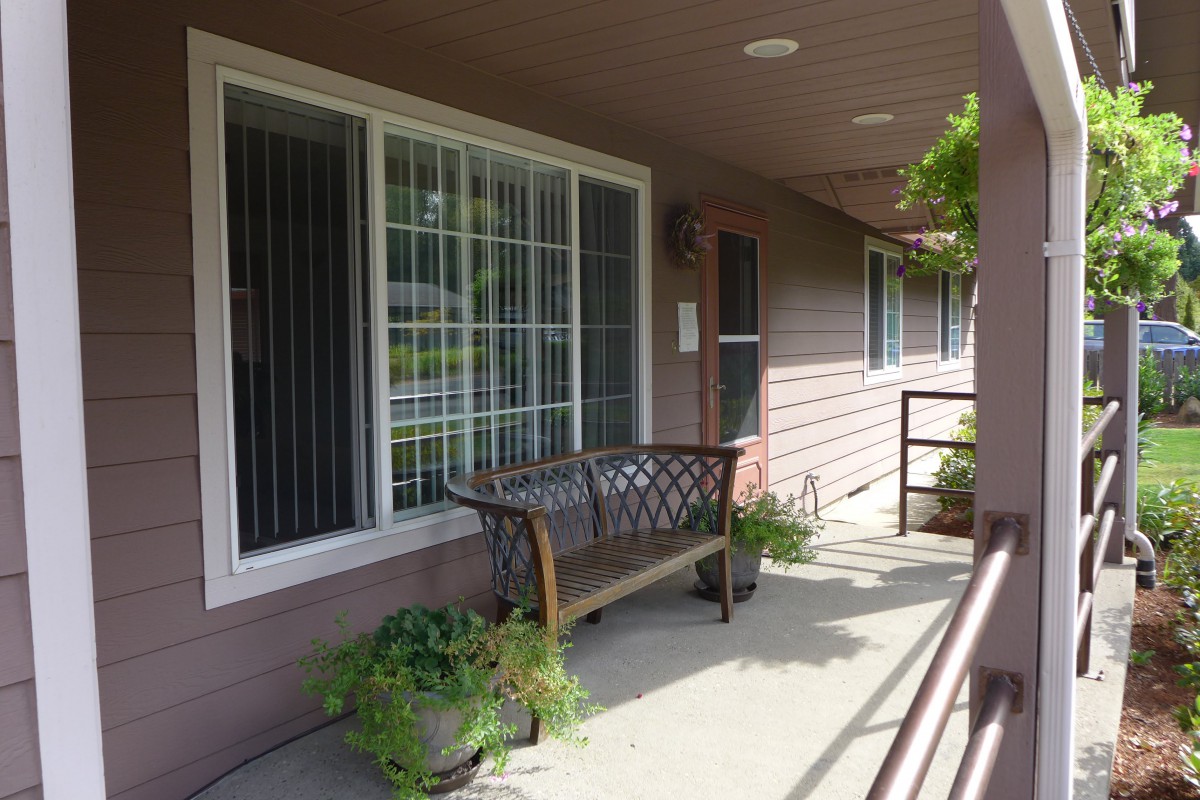
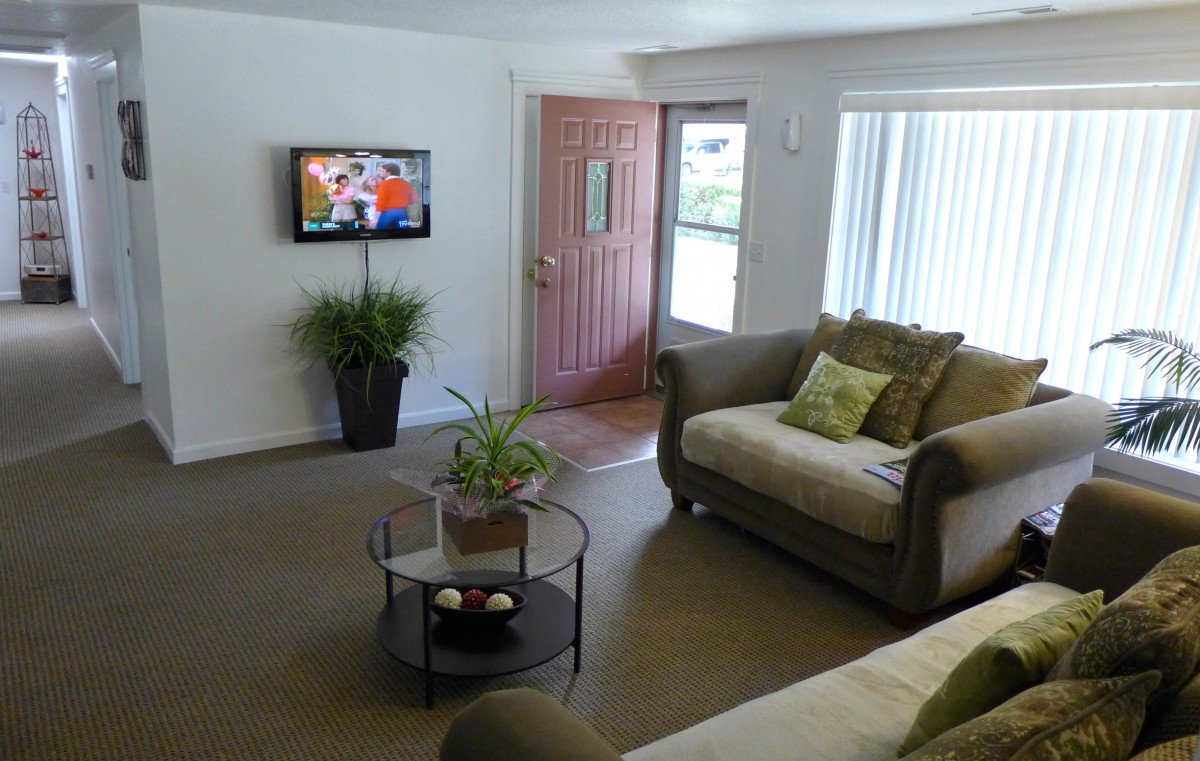





12314 NE 8th Street, Vancouver, WA 98684
To contact a resident: (360) 896-2464
For more information about senior living options: (866) 208-4318
Eli's Adult Care Home Costs & Pricing
Eli's Adult Care Home offers competitive pricing for its residents, with a consistent monthly rate of $4,000 across all room types - including private rooms, studios, and one-bedroom apartments. When compared to the costs in Clark County, Eli's rates are slightly higher than the county averages for private and studio accommodations but notably lower for one-bedroom units. In a broader context, when looking at state figures for Washington, Eli's pricing illustrates an even more favorable position; it remains significantly below the state average across each room type. This suggests that Eli's Adult Care Home not only provides quality living arrangements but also presents an economically advantageous option within both the local and state landscapes for adult care services.
| Floor plans | Eli's Adult Care Home | Clark County | Washington |
|---|---|---|---|
| Private | $4,000 | $3,992 | $4,774 |
| Studio | $4,000 | $3,882 | $4,128 |
| 1 Bedroom | $4,000 | $4,178 | $4,634 |
Memory care communities with a similar price nearby
-
from -$500 / mo

American Living Adult Family Home LLC
$3,500 / month3.3 miles away -
from -$500 / mo

Northwest Home Health
$3,500 to $3,700 / month10.9 miles away -
About the same

The Finest Care AFH, LLC
$4,000 to $5,500 / month1.7 miles away -
from -$500 / mo

Grace Care Adult Foster Home
$3,500 / month10.8 miles away -
from -$500 / mo
Blue Sky Adult Care Home
$3,500 / month15.8 miles away
Overall Review of Eli's Adult Care Home
Pros
 They do a good job at Eli's Adult Care Home.
- The facility is clean and nice-looking.
- They look out for the residents.
- They are entirely satisfied with the care.
Cons
 The place is not real, and its 24/7 dispensaries aren't legal.
- The owner at Eli's Adult Care Home can be a little bossy and difficult to work with.
Review
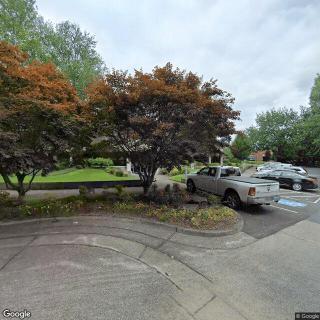
Eli’s Adult Care Home in Vancouver, WA is best suited for families seeking a small, home-like setting where daily care is personalized and staff can respond quickly to residents’ needs. The community rewards familiarity and hands-on attention over institutional polish, making it a good choice for seniors who value a tight-knit environment, simple routines, and closer oversight from a single operator. It works best for residents who don’t require high-level medical interventions or elaborate programming, but do need dependable daily care, safety checks, and a warm, approachable atmosphere. The limited scale means residents often receive more direct contact with a caregiver than they would in a larger assisted-living campus. Still, this model is not a fit for everyone, as the reviews show competing expectations about governance and formality.
Do consider alternatives if the criteria above don’t align with needs. If a resident requires robust medical oversight, nursing services on site, or a highly structured activity calendar, a larger, more formal assisted living or a licensed facility with bigger staff teams may be preferable. Families prioritizing strict regulatory transparency and a polished, corporate environment might find other options more reassuring. A reviewer even flagged concerns about legitimacy related to on-site dispensaries, which underscores the importance of choosing a setting with clear licensing, explicit policies, and verifiable compliance. In short, this locale suits those who accept a more intimate, potentially idiosyncratic operation in exchange for warmth and accessibility.
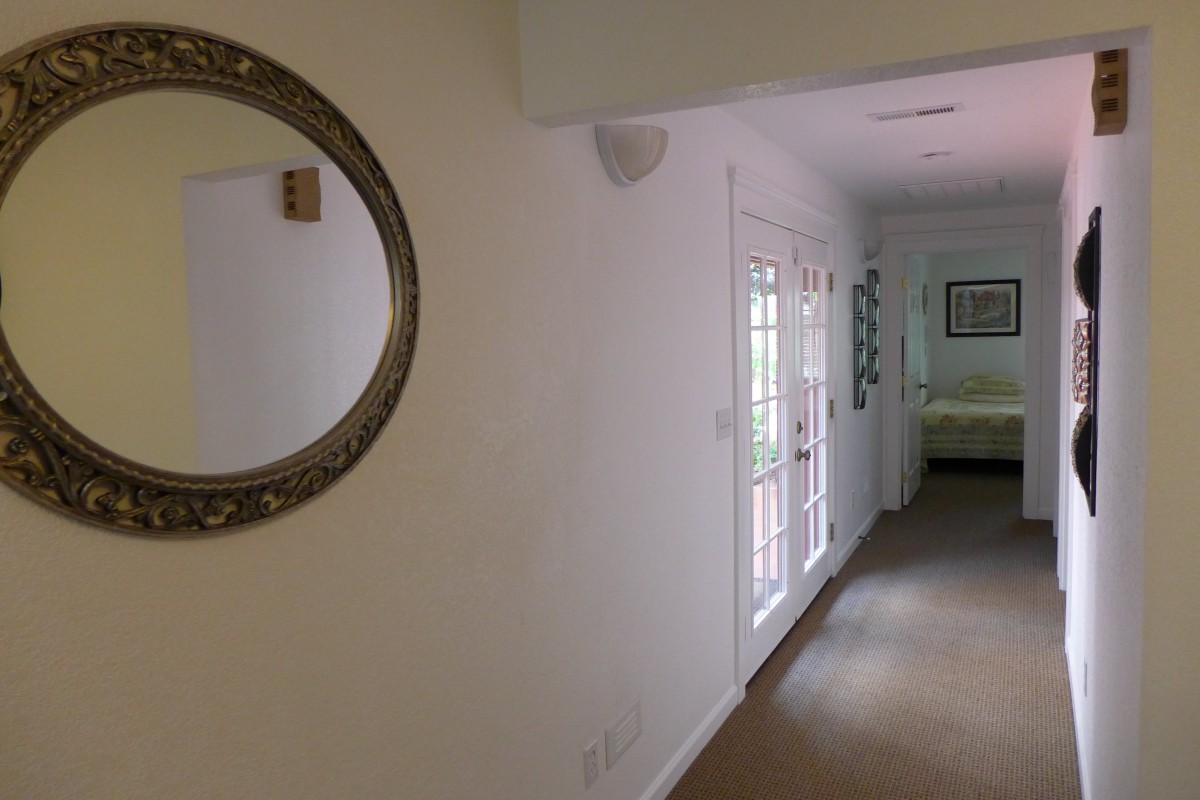
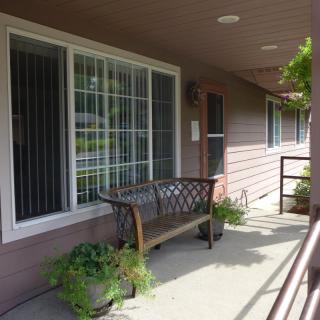
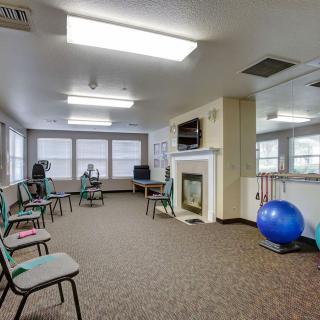
The strongest positives are concrete and meaningful: cleanliness and a neat, welcoming physical environment, plus an impression that staff and the owner look out for residents. Reviews describe the facility as tidy and presentable, and they credit attentive care and a steady watchfulness over daily welfare. A practical family will also value the ease of communication in a small home where staff can know personal preferences, routines, and health changes without bureaucratic friction. These pros create a dependable baseline of comfort and security, especially for residents who thrive on routine and personal attention rather than glossy programming. When weighed against potential frictions, the day-to-day reliability can be a compelling offset.
Yet the main drawbacks are not negligible. A reviewer notes that the owner can feel “bossy” and difficult to work with, which signals possible friction over rules, policies, and decision-making. In a small operation, leadership style often drives the overall experience; if that style clashes with family expectations or resident autonomy, satisfaction can quickly waver. Another concern, perceived questions about the facility’s legitimacy, points to a need for diligence: verify licensing, staffing ratios, and adherence to state regulations. These cons don’t automatically derail the quality of care, but they do color the risk-reward calculus, especially for families balancing straightforward communication with a desire for clear, formal governance.
For families evaluating Eli’s, practical checks during a visit should be non-negotiable. Confirm the facility’s licensing status and its caregiver-to-resident ratio, and request recent inspection reports from the state. Meet the owner and key caregivers, and observe how staff interact with residents during meals, medications, and activities. Ask about emergency protocols, who handles medical appointments, and how care plans are updated. Probe the transparency of pricing, contractual terms, and any potential add-ons. If possible, speak with current residents or family members about communication, responsiveness, and whether they feel heard when concerns arise. A thorough, nose-to-the-ground inquiry will reveal whether the positives truly outweigh the perceived governance risks.
Bottom line: Eli’s Adult Care Home can be an excellent match for seniors who want a small, welcoming environment with clean surroundings and attentive daily care, and for families who can work effectively with a hands-on, sometimes assertive owner. It is less suitable for those needing extensive medical services, a formal corporate atmosphere, or ironclad assurances about regulatory compliance. If the buyer’s criteria tilt toward consistent professional governance, predictable policies, and a larger support network, exploring other licensed options in Vancouver is prudent. The decision should rest on a clear appraisal of leadership style compatibility, verified licensing, and the resident’s comfort with the home-like pace and personal touch that define Eli’s.
 Board and Care Home
 Memory Care
 Activities on-site
 Air-conditioning
 Beautician on-site
 Cable or satellite TV
 Devotional services off-site
 Ground floor units
 Indoor common areas
 Outdoor common areas
 Private
 Private bathrooms
 Wheelchair accessible showers
 Wi-Fi/high-speed internet available
 Portland International (4 miles away)
 Ambulatory care
 Diabetic care
 High acuity care
 Incontinence care
 Medication management
 Gluten-free
 Birthday parties
 Stretching classes





 5 Early Indicators of Dementia and What You Can Do
 8 Important Indicators That Memory Care May Be Necessary
 Delving into the Inner World of Dementia: Insights into Thoughts and Awareness