

2808 NE 126th Court, Vancouver, WA 98682
To contact a resident: (360) 597-4218
For more information about senior living options: (866) 208-4318
Mercy Family Home Costs & Pricing
Mercy Family Home offers a semi-private room at a monthly rate of $6,500 and a private room for $7,500. When comparing these costs to the averages in Clark County and the broader state of Washington, it's clear that Mercy Family Home is positioned at a premium price point. In Clark County, the average cost for a semi-private room is significantly lower at $3,897, while private rooms average around $3,992. Looking at state-wide figures, semi-private accommodations are approximately $4,267 and private rooms come in at about $4,772. This indicates that residents seeking services at Mercy Family Home can expect to pay substantially more than the local and state averages for similar housing options.
| Floor plans | Mercy Family Home | Clark County | Washington |
|---|---|---|---|
| Semi-Private | $6,500 | $3,897 | $4,272 |
| Private | $7,500 | $3,992 | $4,774 |
Senior living communities with a similar price nearby
-
from -$500 / mo
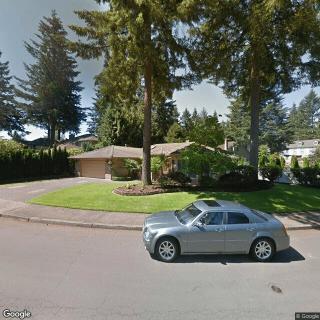
Magnolia Gardens Senior Care Home
$6,000 / month1.7 miles away -
from -$1000 / mo
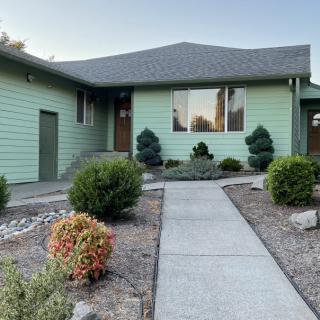
Evergreen Quality Home
$5,500 / month7.2 miles away -
About the same
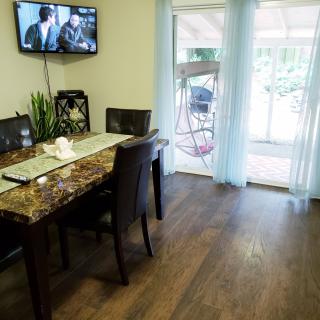
Guardian Angel ACH
$6,500 / month19.2 miles away -
from -$360 / mo
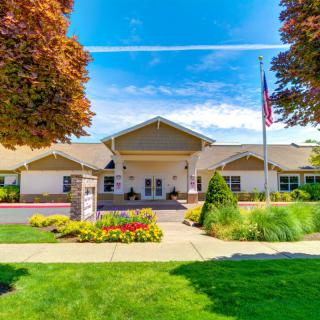
Rosewood Memory Care
$6,140 to $6,585 / month20.6 miles away -
from -$450 / mo

The Cottages Senior Living
$6,050 to $6,300 / month9.8 miles away
Overall Review of Mercy Family Home
Pros
 Mercy Family Home is a warm and welcoming place where residents feel at home.
- The owner greets residents with kindness and makes them feel like family.
- They ensure residents don’t miss out on holiday activities and decorate the home beautifully.
- The staff provide personal attention and help residents settle in quickly.
- Mercy Family Home is privately owned and nurse-managed, indicating high quality care.
- The nursing staff go beyond the call of duty to coordinate medications with doctors and pharmacies.
- The home environment is exceptionally clean and well maintained.
- They offer a variety of foods catered to residents' needs.
Cons
 Staff did not provide much patient interaction.
- Staff did not keep up with the medical needs of patients.
- There were problems following doctors’ orders.
- The reviewer moved their family member out pretty quickly.
- They would not recommend this family home.
Review
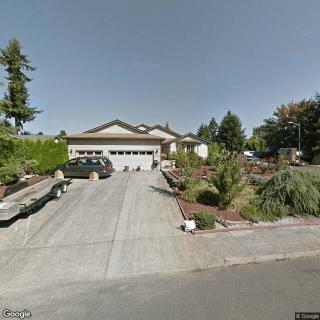
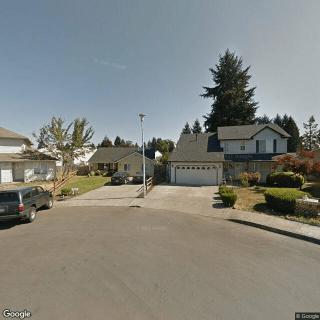
Mercy Family Home in Vancouver, WA is best suited for seniors who want a warm, family-style living environment with hands-on nursing oversight and strong family communication, especially for those navigating Alzheimer’s or post-hospital transitions. Families that value personalized meals, social engagement, and a sense of belonging will find this setting appealing. The homes are privately owned and nurse-led, delivering a reassuring level of clinical attentiveness while preserving a home-like atmosphere. The combination of approachable owners, dedicated staff, and direct family involvement creates a predictable, comfortable routine that supports residents who thrive on personal attention and consistent reassurance. With two state-of-the-art locations backing the care, Mercy Family Home presents a robust option for those prioritizing warmth married to professional vigilance.
However, this community may not be ideal for everyone. Those seeking an ultra-small, true “family” feel or a distinctly intimate footprint may find the large home environment less personal than desired. Some residents and families want a more clinical cadence or tighter control of medical routines, and a few reviews raise questions about the consistency of following doctors’ orders. For residents with very intensive medical needs, or for families that require highly specialized or specialized-physician-driven oversight, it’s prudent to compare with settings that emphasize a more clinical model. In short, a preference for quiet simplicity or a highly structured medical regime could steer some to alternatives.
The strengths are concrete and consistently echoed in the feedback. The owner and staff are described as friendly and genuinely caring, delivering personal attention, from noting dietary preferences to ensuring holiday activities don’t get skipped. The environment is clean, with a cooking program that adapts to residents’ needs, reinforcing nourishment and comfort. A nurse manages care on-site, and family communication is direct and frequent, including face-to-face updates for relatives who aren’t local. Staff are praised for following medical orders and for coordinating with doctors and pharmacies, with ambulance activation when appropriate. This blend of homelike warmth and professional oversight creates a dependable safety net.
Still, the care story warrants careful verification. A reviewer who valued cleanliness still flagged limited patient interaction, implying a potential gap between social engagement and medical touch. Reports of medical needs not consistently being kept up and occasional lapses in implementing doctor orders raise questions about day-to-day oversight and continuity. Prospective residents should probe staffing patterns, especially the presence of RNs during essential hours, and ask how medications are managed, documented, and updated in response to physician guidance. In Alzheimer’s care or post-acute recovery, the cadence of assessments and doctor updates should be clarified, along with the protocol for escalating issues. These inquiries translate into practical clarity during the decision process.
When the positives align with family priorities, the advantages can decisively offset the drawbacks. The emphasis on family engagement, regular updates, open communication lines, and active involvement in care plans, reduces the anxiety that accompanies long-term care transitions. On-site nursing leadership that coordinates medications and physician input supports timely medical responses, while the social fabric, holiday celebrations, home-like décor, and a kitchen-forward routine, delivers emotional well-being that is hard to sustain in larger settings. The two-location footprint adds resilience, expanding options to match personality, pace, and medical requirements while preserving a consistent Mercy Family Home approach.
Bottom line: Mercy Family Home is a strong fit for families seeking a warm, family-style environment with visible nursing oversight and proactive communication, especially for Alzheimer’s care and post-hospital transitions. It is less ideal for those who want a true ultra-small home feel or who require a highly clinical, low-variation routine common in larger institutions. Prospective shoppers should tour both locations, meet the on-site RN, review care plans, and request sample menus and activity calendars. Gather references from current families to gauge long-term outcomes. In the right match, Mercy Family Home delivers dependable care wrapped in genuine warmth, with a practical, experienced approach that translates into everyday life peace of mind.
 Board and Care Home
 Activities off-site
 Bath tubs
 Devotional services off-site
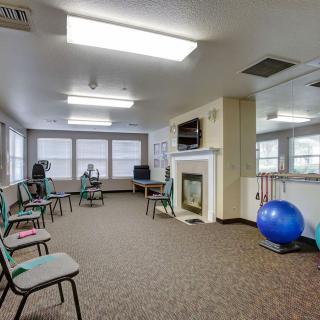
 Indoor common areas
 Outdoor common areas
 Private
 Private bathrooms
 Respite or short term stays offered
 Wheelchair accessible showers
 Portland International (5 miles away)
 Diabetic care
 High acuity care
 Incontinence care
 Medication management
 Meals provided
 Adventist services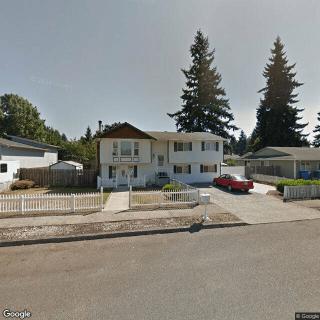


 In-Home Care Costs in 2025: A Detailed State-by-State Exploration
 Understanding Home Health Care: A Comprehensive Guide
 Home Health Care Demystified: A Comprehensive Guide for Families and Caregivers