Windsor Gardens stands out in terms of pricing, with all room types - private, semi-private, studio, and one-bedroom - priced at $5,000 per month. This rate is significantly higher than the county averages in Clark County, where costs range from $3,882 to $4,178, and also exceeds the state averages in Washington, which fall between $4,126 and $4,772. While Windsor Gardens may seem costly compared to its peers in both the county and state contexts, prospective residents might consider that these prices reflect the unique amenities and services offered by the community.
Floor plans
Windsor Gardens
Clark County
Washington
Private
$5,000
$3,992
$4,774
Semi-Private
$5,000
$3,897
$4,272
Studio
$5,000
$3,882
$4,128
1 Bedroom
$5,000
$4,178
$4,634
Memory care communities with a similar price nearby
from +$500 / mo
Evergreen Quality Home
5 from 11 reviews
$5,500 / month
9.1 miles away
from -$500 / mo
Camas Hills Care Home
4.8 from 33 reviews
$4,500 / month
5.0 miles away
from -$500 / mo
Martin Adult Foster Care
4.7 from 12 reviews
$4,500 / month
1.1 miles away
from -$550 / mo
Jurgens Park Senior Living
4.5 from 75 reviews
$4,450 to $5,600 / month
21.9 miles away
from -$240 / mo
MorningStar Assisted Living & Memory Care of Happy Valley
Memory care is consistently described as personalized and attentive.
Several reviews focus on memory care, describing one-on-one attention and caregiving staff who understand residents well. Families also describe dementia-focused support over months and years, including help as needs changed. Others emphasize dignity and engagement, including residents being treated with love and respect. A 4-month resident and those who toured similarly say the community stood out for memory care needs.
common4 reviews mention this
Dining quality comes up often
Residents are repeatedly praised for meals and good food.
Dining shows up in multiple reviews, with residents described as enjoying the meals prepared on-site. Families mention fantastic meals and highlight good food during longer stays. Reviews also connect meals to overall comfort, describing experiences as part of attentive daily care.
common12 reviews mention this
Facility cleanliness and organization
Cleanliness and organization are a frequent positive in reviews.
A consistent theme is that the building feels clean and well cared for, with residents and families noting it as neat, tidy, and free from offensive odors. Multiple reviewers also describe an organized environment, and some mention the place being clean enough that it stood out compared with other homes. Visitors observing hygiene also point to well-groomed residents as part of the overall impression.
differentiator2 reviews mention this
Security helps with wandering risk
Security measures are specifically noted for wandering concerns.
One review highlights that the campus is fenced and monitored to help prevent roaming and disorientation, especially for an ambulatory resident who gets lost. Another review echoes this overall fit for memory care, pairing security with the smaller resident population and described attention from caregivers.
How we summarize
Counts show how many written reviews mention each theme; a review can touch several themes, and only frequently mentioned themes are displayed.
Features
Housing
12 resident community capacity
Types of Care
Assisted Living
Board and Care Home
Memory Care
Respite Care
Amenities
Activities on-site
Air-conditioning
Beautician on-site
Cable or satellite TV
Devotional services off-site
Devotional services on-site
Dining room
Fully furnished
Garden
Ground floor units
Handicap accessible
Housekeeping services
Indoor common areas
Move-in coordination
Outdoor common areas
Outdoor space
Private
Private bathrooms
Respite or short term stays offered
Telephone
Wheelchair accessible showers
Wi-Fi/high-speed internet available
Transportation
Portland International (5 miles away)
Care Services
24-hour supervision
Activities of daily living assistance
Assistance with bathing
Assistance with dressing
Assistance with transfers
Coordination with health care providers
Diabetes diet
Diabetic care
High acuity care
Incontinence care
Meal preparation and service
Medication management
Special dietary restrictions
Transportation arrangement (medical)
Transportation to doctors appointments
Dining
Anytime dining
Diabetes diet
Gluten-free
International cuisine
Kosher
Low / no sodium
Meals provided
No Sugar
Organic
Professional chef
Room service
Special dietary restrictions
Special dining programs
Vegan
Vegetarian
Activities
Art classes
Brain fitness
Catholic services
Community-sponsored activities
Devotional activities offsite
Devotional activities on-site
Forever fit
Gardening club
Live well programs
Protestant services
Scheduled daily activities
Stretching classes
Visiting chaplain or priest
Wii bowling
Nearby Places of Interest
Located in Vancouver, Washington, this area offers a variety of amenities and services that cater to seniors looking for convenience and comfort. With multiple pharmacies such as Walgreens and Rite Aid nearby, access to medication and healthcare supplies is readily available. In terms of dining options, there are cafes like Dutch Bros Coffee and restaurants like Hopworks Urban Brewery and The Hammond Kitchen + Craft Bar within a short distance for enjoyable meals out. For healthcare needs, reputable physicians' offices like PeaceHealth Family Medicine and Sea Mar Community Health Centers are easily accessible. Additionally, there are several parks within a few miles where seniors can enjoy nature walks or picnics. With hospitals such as PeaceHealth Southwest Family Birth Center in close proximity, residents can feel at ease knowing quality healthcare services are nearby. Transportation options like Portland International Airport Rental Car Center provide easy access for visiting loved ones or traveling. Overall, this area in Vancouver offers a well-rounded environment for seniors seeking a vibrant community with essential amenities at their doorstep.
Pharmacies
Walgreens (0.2 miles)
Rite Aid (0.6 miles)
Walgreens (1.7 miles)
Walgreens (1.9 miles)
Fred Meyer Pharmacy (2 miles)
Walmart Fuel Station (2.6 miles)
Walgreens (3.3 miles)
Cafes
Dutch Bros Coffee (1.3 miles)
Black Rock Coffee Bar (2.5 miles)
Dutch Bros Coffee (3 miles)
Starbucks (3 miles)
Dutch Bros Coffee (3 miles)
Panera Bread (4.8 miles)
Dutch Bros. Coffee (5 miles)
Restaurants
Hopworks Urban Brewery (1.4 miles)
Taco Bell (2.4 miles)
The Hammond Kitchen + Craft Bar (2.4 miles)
Final Draft Taphouse (2.4 miles)
McDonald's (2.6 miles)
McDonald's (4.6 miles)
Henry's Tavern - Portl (5.4 miles)
Physicians
PeaceHealth Family Medicine (2.1 miles)
Sanjeev Jain (3.1 miles)
The Vancouver Clinic (3.8 miles)
Sea Mar Community Health Centers (4.2 miles)
Art of Medicine Family Clinic (6.1 miles)
The Oregon Clinic (7.6 miles)
Vancouver Eye Care (7.9 miles)
Parks
Clearmeadows Park (2.2 miles)
Heritage Park (2.5 miles)
Hockinson Meadows Community Park (4.6 miles)
Crown Park (5.6 miles)
Douglas Carter Fisher Park (5.8 miles)
Luke Jensen Sports Park (6.8 miles)
Fort Vancouver National Historic Site (7.1 miles)
Places of Worship
Summit View Church (3.3 miles)
St Rose Catholic Church (8 miles)
Hospitals
PeaceHealth Southwest Family Birth Center (3.6 miles)
Firstenburg Tower (3.7 miles)
Vancouver VA Medical Center (7.3 miles)
Adventist Medical Center (8.8 miles)
Transportation
Concourse E (5.1 miles)
Portland Airport Rental Car Center (5.2 miles)
Concourse C (5.2 miles)
TSA Checkpoint A/B/C - Portland International Airport (5.2 miles)
Windsor Gardens stands out in terms of pricing, with all room types - private, semi-private, studio, and one-bedroom - priced at $5,000 per month. This rate is significantly higher than the county averages in Clark County, where costs range from $3,882 to $4,178, and also exceeds the state averages in Washington, which fall between $4,126 and $4,772. While Windsor Gardens may seem costly compared to its peers in both the county and state contexts, prospective residents might consider that these prices reflect the unique amenities and services offered by the community.
The 24-hour supervision ensures that residents receive constant support and safety, reducing anxiety and confusion often experienced by individuals with dementia or Alzheimer's. Assistance with activities of daily living, such as bathing, dressing, and transfers, fosters independence while providing the necessary help to maintain dignity and personal hygiene. Engaging in brain fitness activities stimulates cognitive function and can enhance memory retention. Coordination with healthcare providers ensures that residents receive comprehensive care tailored to their medical needs, while incontinence care supports comfort and confidence. Proper meal preparation and service cater to dietary requirements, promoting nutrition which is vital for brain health. Medication management helps prevent errors and ensures adherence to prescribed treatments, contributing positively to overall well-being. Transportation arrangements for medical appointments allow for seamless access to necessary healthcare services, ensuring ongoing monitoring of their condition.
Nearby Communities
Heaven Home Care
Vancouver, WA
4.8 from 5 reviews
$5,500 / month
Caring, family-like staff (Tez and his wife) with a beautiful facility in a great neighborhood and friendly, helpful owners.
The Peace and Joy Garden
Vancouver, WA
5 from 27 reviews
$2,200 / month
Affordable private-room pricing with serene gardens and convenient access to dining, healthcare, and local amenities.
Magnolia Gardens Senior Care Home
Vancouver, WA
5 from 46 reviews
$6,000 / month
Loving, professional staff in a warm, home-like setting with private rooms and high-quality meals.
Whipple Creek Senior Estate, LLC
Vancouver, WA
4.4 from 7 reviews
$3,400 / month
Competitive pricing for private rooms, plus high-acuity memory care and private baths.
Hood View AFH
Vancouver, WA
5 from 4 reviews
$5,500 / month
Private rooms with high-acuity care and on-site activities.
Better Options AFH
Vancouver, WA
3.8 from 15 reviews
$5,000 / month
Private rooms with private bathrooms and on-site activities; high-acuity care available.
Springwood Landing
Vancouver, WA
4.8 from 64 reviews
$2,695 to $4,525 / month
Clean, well-maintained community with friendly staff and engaging activities.
Brookdale Fisher's Landing
Vancouver, WA
3.6 from 41 reviews
$4,595 to $5,670 / month
Friendly, respectful staff and engaging activities noted by many families.
Prestige Senior Living Bridgewood
Vancouver, WA
4.6 from 116 reviews
$3,275 to $4,675 / month
Friendly, helpful staff and a clean, active community with good value and varied activities.
The guide on holistic dementia care outlines the complexity of dementia and stresses the need for individualized caregiver strategies that include medical treatment, psychological support, and environmental adaptations, while emphasizing early detection, various therapeutic options, and caregiver support to enhance quality of life and maintain dignity.
"Memory Care Pathways: A Holistic Guide to Dementia Support" outlines the complexities of dementia and its various types, emphasizing early detection, patient-centered care strategies, caregiver support, and long-term care options while addressing legal and financial considerations to enhance the quality of life for individuals with dementia and their families.
Sundown syndrome, or sundowning, is a phenomenon in dementia patients characterized by increased confusion and agitation during late afternoon and evening, influenced by factors like disrupted circadian rhythms and fatigue. Effective caregiver strategies include establishing routines and managing environmental light while addressing caregiver stress through support services.
Get PricingAsk A QuestionSchedule A TourContact Senior Advisor
By clicking submit, you agree to our Partner's Terms of Use. You
also consent to receive calls and texts, which may be autodialed, from our Partner. Your consent is not a condition to
using our Partner's service. Please visit our Partner's Privacy Policy for information about their privacy practices.







 12 resident community capacity
 Assisted Living
 Board and Care Home
 Memory Care
 Respite Care
 Activities on-site
 Air-conditioning
 Beautician on-site
 Cable or satellite TV
 Devotional services off-site
 Dining room
 Fully furnished
 Garden
 Ground floor units
 Handicap accessible
 Housekeeping services
 Indoor common areas
 Move-in coordination
 Outdoor common areas
 Private
 Private bathrooms
 Telephone
 Wheelchair accessible showers
 Wi-Fi/high-speed internet available
 Portland International (5 miles away)
 24-hour supervision
 Assistance with bathing
 Assistance with dressing
 Assistance with transfers
 Diabetes diet
 Diabetic care
 High acuity care
 Incontinence care
 Meal preparation and service
 Medication management
 Special dietary restrictions
 Transportation arrangement (medical)
 Transportation to doctors appointments
 Art classes
 Brain fitness
 Catholic services
 Forever fit
 Live well programs
 Wii bowling
 Caring, family-like staff (Tez and his wife) with a beautiful facility in a great neighborhood and friendly, helpful owners.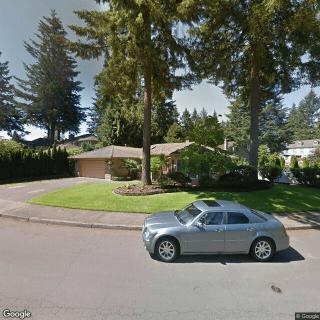
 A Holistic Dementia Care Guide: Effective Strategies for Memory Support
 Memory Care Pathways: A Holistic Guide to Dementia Support
 Comprehending Evening Confusion in Dementia: Causes, Manifestations, and Support