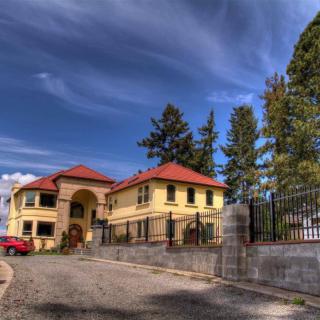
2405 Birch St NE, Tacoma, WA 98422
To contact a resident: (253) 670-1556
For more information about senior living options: (866) 208-4318
Villa Vecchio at Dash Point Costs & Pricing
Villa Vecchio at Dash Point offers a semi-private room for $6,500 per month, which is significantly higher than the average costs in Pierce County and across Washington State, both of which are approximately $4,264 and $4,267 respectively. This premium pricing reflects not only the quality of care and amenities provided but also the serene setting that Villa Vecchio offers. Residents can expect a supportive community with tailored services designed to enhance their well-being. While the cost may be above the regional averages, many families find value in the enriched lifestyle and personalized attention available at this location.
| Floor plans | Villa Vecchio at Dash Point | Pierce County | Washington |
|---|---|---|---|
| Semi-Private | $6,500 | $4,264 | $4,272 |
Memory care communities with a similar price nearby
-
from -$750 / mo

Fieldstone Rolling Bay and Fieldstone Memory Care
$5,750 to $8,895 / month24.0 miles away -
from -$1000 / mo

Twin Lake Adult Family Home
$5,500 to $6,500 / month2.3 miles away -
from -$500 / mo
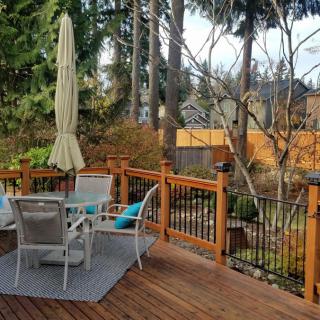
Blue Horizon Adult Family Home
$6,000 to $7,000 / month18.8 miles away -
About the same
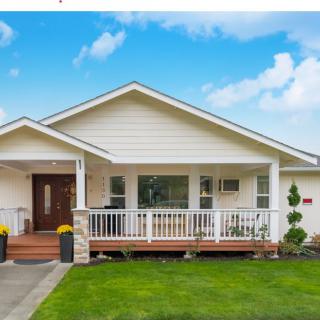
Silver Creek Adult Family Home
$6,500 to $7,000 / month10.8 miles away -
from -$500 / mo
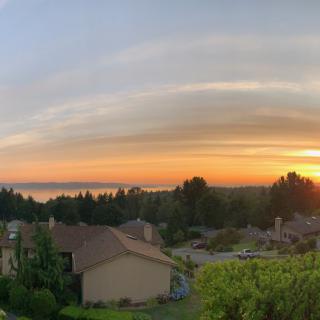
Harbor View Adult Family Home
$6,000 to $6,500 / month2.1 miles away
Overall Review of Villa Vecchio at Dash Point
Pros
 The business is a great family-run operation.
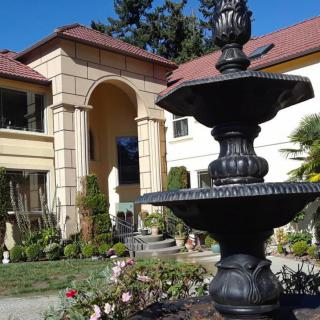
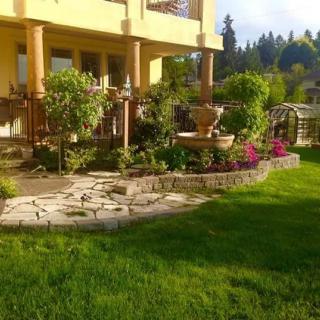
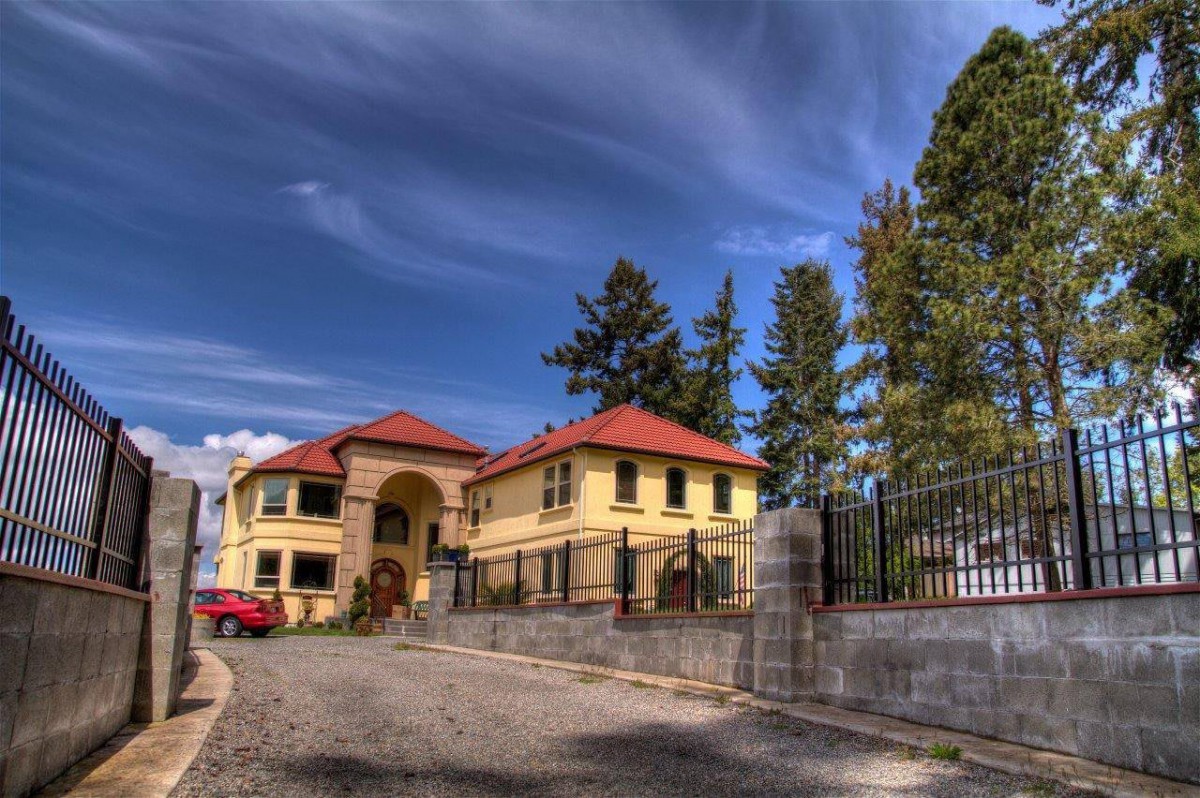
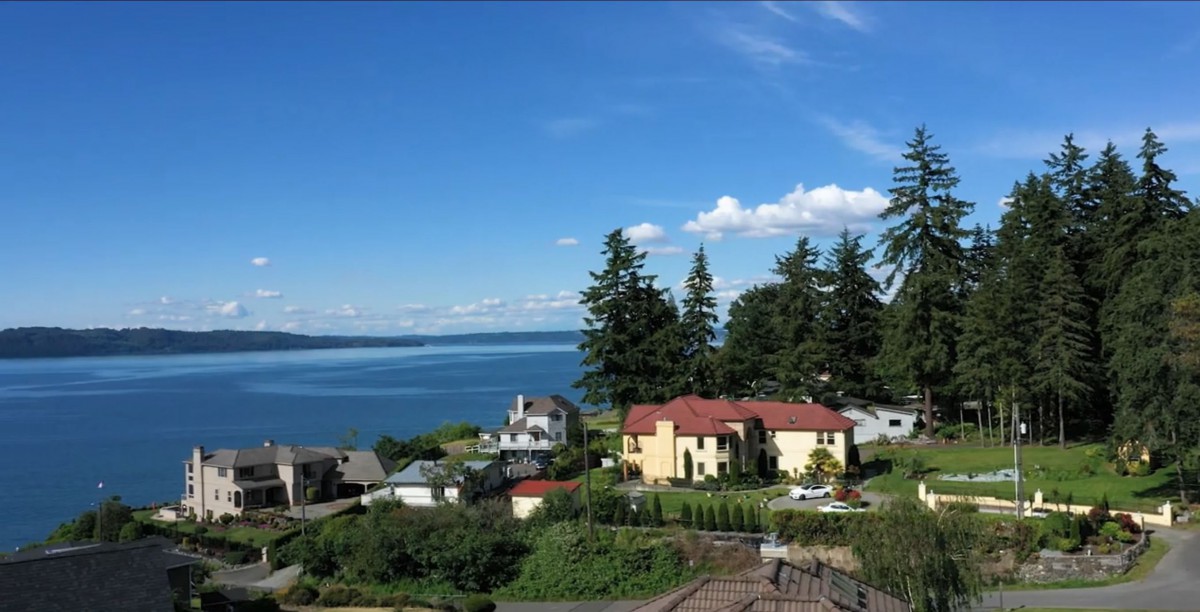
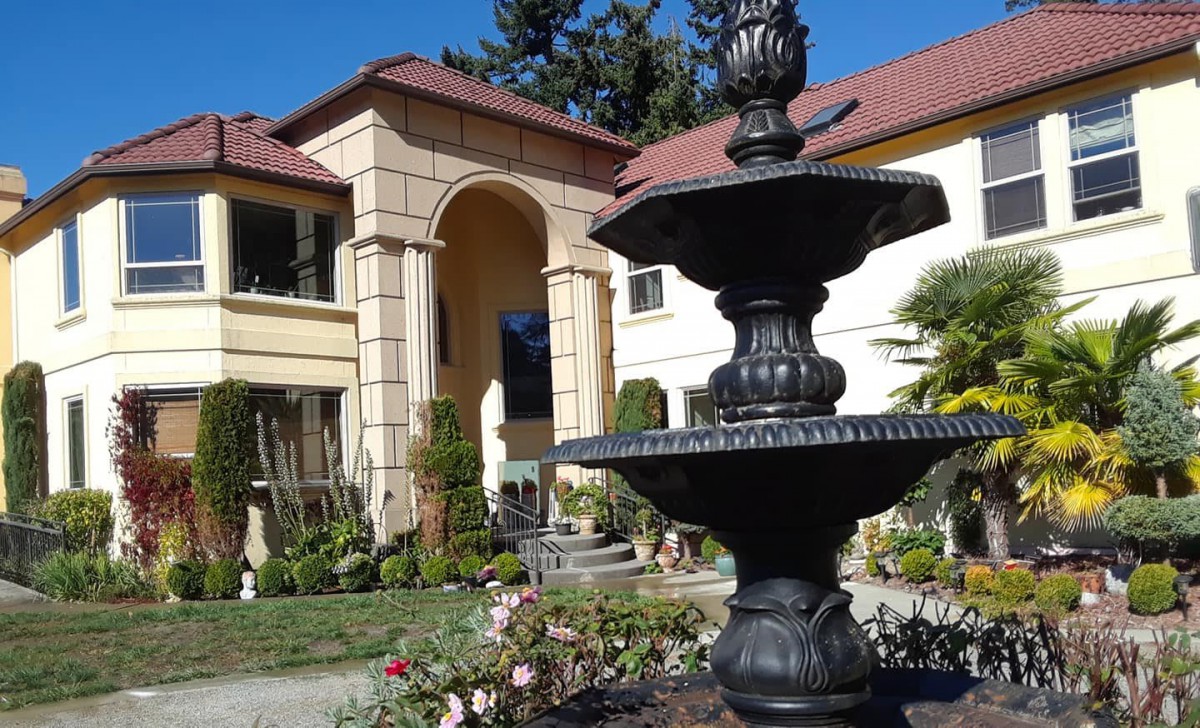
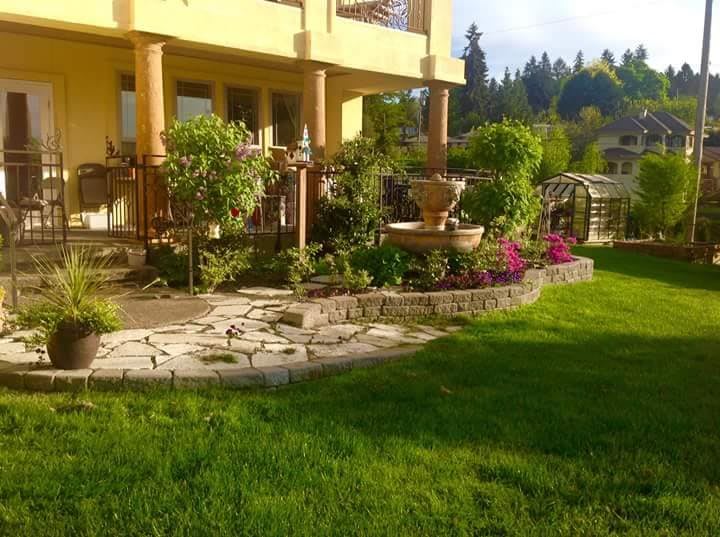
- The site is beautiful and welcoming.
- Mel and Suzanne greet visitors enthusiastically.
- The tour and detailed information are excellent.
- Mel and Suzanne make visitors feel welcome in their beautiful home.
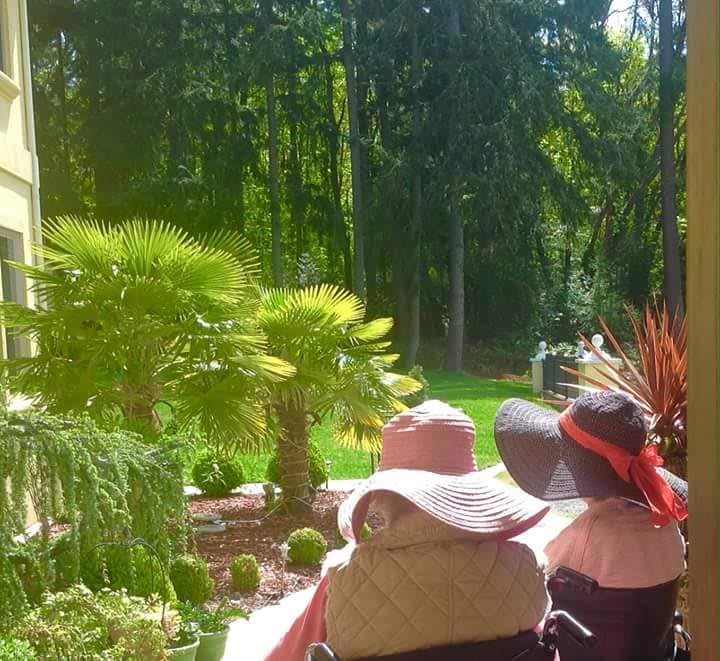
- Residents have activities and do not simply sit in front of a TV all day.
- The owners provide three levels of care.
Cons
 They note that prices are a little higher than other sites in the area.
- The rooms are alarmed but not locked down.
- They worry that to reach the living/dining area, she would have to navigate up ramps, and they doubt she has the strength to do it.
- There is mention of a small room.
Review
Villa Vecchio at Dash Point in Tacoma is best suited for families that want a warm, intimate, family-run setting where residents are known by name, care can flex with evolving needs, and daily life centers on meaningful activities rather than passive television time.
That said, this community is not the right fit for every budget or every mobility profile. Price is higher than many nearby options, so families prioritizing predictable, lower-cost care should look elsewhere. Mobility limitations also matter: getting to the living and dining areas can be challenging if strength or balance is limited, and the footprint includes a small room that may feel tight for tougher transitions or larger households. Additionally, while rooms are alarmed for safety, they are not locked down, which may raise concerns for families seeking a highly locked-down environment. These factors mean some prospective residents will prefer a more spacious, barrier-free, or more securitized campus.
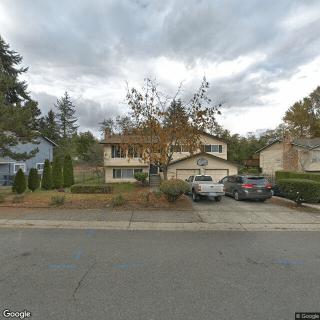
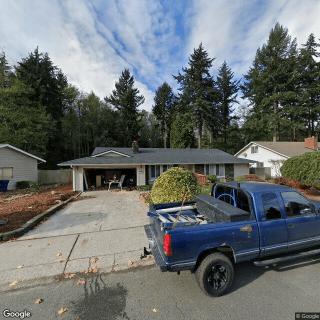
The strongest, differentiating advantages are tangible. The facility feels like a well-kept family home with a real sense of pride from the owners and staff, which translates into highly personalized tours, thorough information sharing, and a welcoming atmosphere. Prospective families noted that the tour and consultation process was both detailed and reassuring, with Mel and Suzanne delivering warmth and competence that helped set a standard against which other visits were judged. The programmatic life stands out: staff and administration show that residents do not simply “watch TV all day,” but are offered activities and engagement that many sites simply don’t provide. The care model itself, three levels of care, with owners who have personally cared for relatives with Alzheimer’s, promises continuity as needs change, and the pricing approach that adjusts over time reflects an intent to align with residents’ spend-down realities and Medicaid planning.
Yet the main cons don’t vanish simply because the atmosphere is appealing. The price premium is real, and for some families the extra cost buys less daily flexibility or fewer compromises elsewhere. The physical access issue, ramps to the living/dining area, can impede mobility-challenged seniors, potentially necessitating additional staff assistance or alternative routing. The small room size may constrain personal space or privacy for residents who require more generous accommodations, and the safety approach (alarmed, not locked) may not satisfy every family’s security philosophy, especially for memory-care specifics. Taken together, these factors temper the otherwise strong appeal and push alternatives for households with tighter budgets or tighter accessibility needs.
But the pros can substantially offset these cons for the right resident. The family-run model tends to produce steadier, more responsive care, with staff who appear invested in the residents’ day-to-day happiness and long-term welfare. The dementia-capable framework, backed by owners who have firsthand experience with Alzheimer’s, offers a level of expertise and reassurance that smaller corporate settings sometimes struggle to match. The emphasis on activity and social engagement can translate into lower agitation, greater satisfaction, and a more vibrant daily rhythm, which, in turn, can justify a higher price by reducing ancillary costs from under-stimulated or under-supervised days elsewhere. The combination of a beautiful, home-like environment and a transparent, stepwise care option provides a compelling value proposition for families prioritizing quality of life and continuity of care.
For families evaluating options, this community is a strong, if not singular, choice to consider alongside peers in the Tacoma area. The practical next steps are clear: verify current openings and realistic wait times, drill into the exact pricing structure and how care-rate adjustments are implemented year to year, and request a sample activity calendar to confirm that the programming aligns with the resident’s interests. Inspect the living spaces to judge whether the small-room concern is workable, and test the accessibility routes to the dining area to ensure maneuverability on a daily basis. Speak with current residents or families when possible to hear their lived experience, and confirm that the security approach aligns with personal comfort levels.
In sum, Villa Vecchio at Dash Point excels for families seeking a personable, activity-rich, dementia-capable home that can adapt as needs evolve, and who are prepared to invest in a higher tier of care and atmosphere. It is less attractive for those prioritizing cost containment, maximum accessibility, or stringent locking-security measures. When matched to a resident who values a familial touch, engaging daily life, and a framework designed to grow with care needs, this community offers a pragmatic, confident path forward.
 Board and Care Home
 Memory Care
 Activities on-site
 Beautician on-site
 Devotional services on-site
 Indoor common areas
 Outdoor common areas
 Respite or short term stays offered
 Wheelchair accessible showers
 Seattle-Tacoma International (10 miles away)
 High acuity care
 Incontinence care
 Medication management
 Kosher
 Christian services

 Medications Associated with Dementia Risk: A Comprehensive Overview
 Guiding Your Journey: Understanding Power of Attorney for Elderly Parents
 22 Remarkable Caregiver Support Groups Available Online and In-Person