
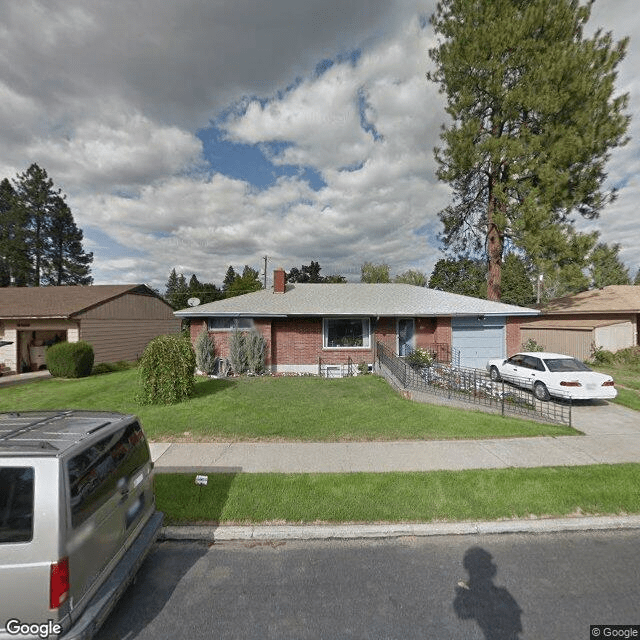
5410 W. Princeton Place, Spokane, WA 99205
To contact a resident: (509) 362-4542
For more information about senior living options: (866) 208-4318
Princeton Place AFH Costs & Pricing
Princeton Place AFH offers competitive monthly rates for its residents, reflecting its commitment to quality care and accommodation. For a semi-private room, the cost is $4,500, which is notably higher than the Spokane County average of $3,863 but slightly below the state average of $4,267. The private room option is priced at $5,000, again exceeding both the county's average of $4,111 and Washington state's overall figure of $4,772. Similarly, one-bedroom accommodations are also set at $5,000, standing out against Spokane County's more affordable rate of $3,852 and Washington state's average of $4,632. While Princeton Place AFH's pricing may be on the higher end locally and statewide, it likely reflects enhanced amenities and services that prioritize resident well-being in a nurturing environment.
| Floor plans | Princeton Place AFH | Spokane County | Washington |
|---|---|---|---|
| Semi-Private | $4,500 | $3,863 | $4,272 |
| Private | $5,000 | $4,111 | $4,774 |
| 1 Bedroom | $5,000 | $3,852 | $4,634 |
Memory care communities with a similar price nearby
-
from -$255 / mo
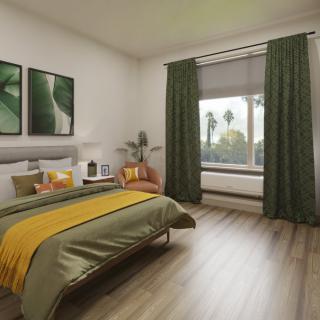
The Gallery at Spokane
$4,245 to $5,850 / month8.6 miles away -
from -$200 / mo
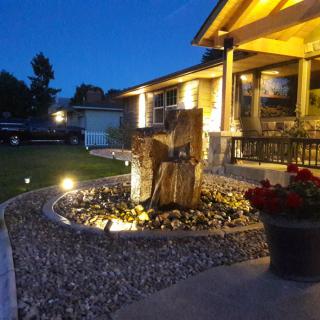
Valley Pines Retirement Home
$4,300 / month11.7 miles away -
from -$175 / mo
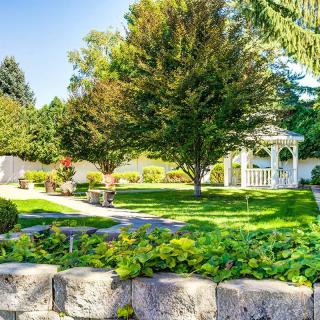
South Hill Village
$4,325 to $5,900 / month8.9 miles away -
from +$300 / mo
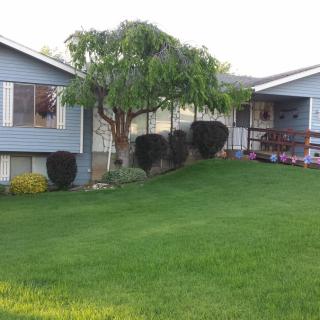
Vesta AFH
$4,800 / month3.5 miles away -
from +$695 / mo
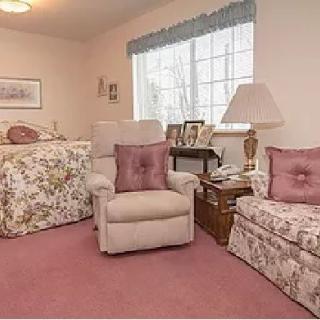
Colonial Court
$5,195 / month11.7 miles away
Overall Review of Princeton Place AFH
Pros
 It is a great place for a loved one.
- The family atmosphere with pets and children is a hallmark of Princeton Place.
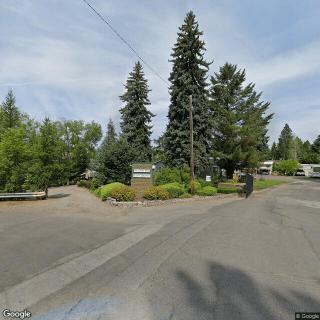
- The home is pleasant and garden-like, filled with plants.
- The residents seem very happy and comfortable.
- The staff are attentive and seem to care about their clients.
- The staff are very knowledgeable.
Cons
 The reviewer felt that her mother was not cared for as promised at Princeton Place.
- The reviewer noted that her mother was hospitalized with Covid prior to her death.
- The reviewer would not recommend Princeton Place to anyone.
- The reviewer would warn others about considering putting their loved ones there.
Review
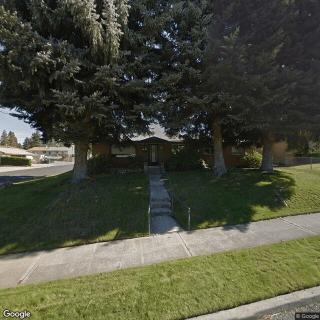
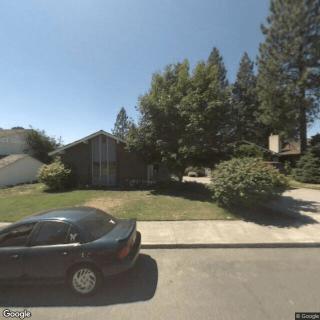
Princeton Place AFH in Spokane is best suited for seniors who want a warm, family-style living arrangement where residents are treated like members of a household, not residents of a facility. The atmosphere leans toward home, not hallway bustle, and the property often feels like a small garden sanctuary. This setting appeals to families seeking meaningful social interaction, a pet-friendly environment, and the presence of children who bring life to daily routines. For residents who prize intimate, staff-accessible care over formal programming, Princeton Place offers a level of attentiveness that can translate into quick responses and personalized routines. In short, it serves well for those who value comfort, familiarity, and a genuine sense of belonging in a tightly knit community.
Yet the decision cannot ignore the other side of the ledger. Those with higher levels of care needs or medical complexity may want alternatives that provide more structured oversight and documented protocols. A handful of reviews describe situations where promises about care did not align with outcomes, and one account specifically notes a death in the family alongside concerns about care quality. The rating mix, three stars from seven reviews, signals uneven experiences rather than consistent performance. Families should weigh the desire for a homey vibe against the requirement for transparent accountability, clear care plans, and reliable communication with staff about routines, medications, and escalation steps.
On the plus side, the strongest arguments for Princeton Place hinge on the human touch. Multiple accounts praise a family atmosphere where staff seem invested, residents appear content, and the setting resonates as a welcoming home rather than an institution. Visitors note attentive caregivers who know residents by name, and the garden-like environment with plants contributes to a calm, restorative mood. For seniors who thrive on social engagement, the presence of pets and interaction with younger visitors can enhance daily life and reduce isolation. In these dimensions, the community delivers what families often crave: warmth, accessibility, and a sense that someone notices when a resident smiles or needs assistance.
Nevertheless, the somber counterpoint matters. One reviewer reports that a loved one was not cared for as promised and that a serious health crisis emerged, prompting alarm about responsiveness and accountability. While a single account cannot define a facility, it feeds a genuine concern about care governance in a small home setting. The combination of a few strong endorsements and a couple of troubling anecdotes underscores a pattern families should scrutinize before committing. Prospective residents should demand a precise care plan, a clear outline of staffing coverage, and an opportunity to meet the caregivers who would be responsible for daily supervision and crisis management.
How the positives stack up against the risks depends on what a family needs. If a loved one benefits from vivid social contact, regular visits from family, and a more intimate, easily navigable environment, Princeton Place can deliver with style. If, however, the resident requires consistent medical oversight, complex medication management, or rapid escalation during emergencies, the smaller, home-based model may fall short. The decisive move is to request a formal tour with the administrator, review the exact staffing ratios, and obtain recent care plans and incident records. Trust built through transparency matters as much as charm, and these factors often determine whether the balance tips toward staying or looking elsewhere.
The verdict is practical: Princeton Place AFH is a welcome option for families seeking a cozy, community-focused setting where staff care appears accessible and residents feel at home. It is not the default choice for those who cannot tolerate variability in care quality or who require robust, institution-like oversight. For families leaning toward alternatives, prioritize facilities with proven, codified care protocols and stronger indicators of consistency. Use a decision checklist: in-person visits, care plans, staffing levels, and references. When the fit is right, Princeton Place can be the kind of place where a senior's days feel meaningful and well attended; when it isnā€™t, better options exist that deliver steadier assurance and clearer accountability.
 Board and Care Home
 Memory Care
 Dogs allowed
 Activities on-site
 Bath tubs
 Indoor common areas
 Outdoor common areas
 Private
 Wheelchair accessible showers
 Spokane International (6 miles away)
 Ambulatory care
 Diabetic care
 Incontinence care
 Medication management
 Kosher
 How and When Medicaid May Cover Assisted Living Costs
 A Detailed Exploration of Assisted Living Medicaid Waivers Across the United States
 Exploring the Contrasts Between Assisted Living and Skilled Nursing