
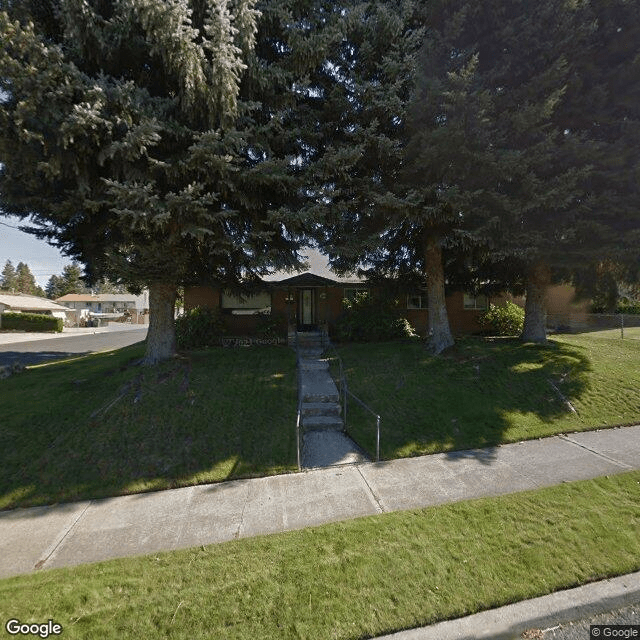
5928 N Fleming St, Spokane, WA 99205
To contact a resident: (509) 443-4403
For more information about senior living options: (866) 208-4318
Pinewood Cottage Costs & Pricing
Pinewood Cottage offers competitive pricing for its accommodations compared to the broader market in Spokane County and Washington state. For a semi-private room, residents can expect to pay $3,000 per month, which is notably lower than the county average of $3,863 and significantly less than the state average of $4,267. Similarly, those choosing a private room at Pinewood Cottage will find the monthly cost of $4,000 to be more favorable than both Spokane County's average of $4,111 and Washington's statewide average of $4,772. This positions Pinewood Cottage as an attractive option for individuals seeking quality care without straining their financial resources.
| Floor plans | Pinewood Cottage | Spokane County | Washington |
|---|---|---|---|
| Semi-Private | $3,000 | $3,863 | $4,272 |
| Private | $4,000 | $4,111 | $4,774 |
Senior living communities with a similar price nearby
-
About the same
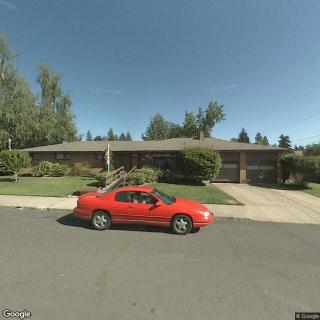
Beacon House
$3,000 / month0.5 miles away -
About the same
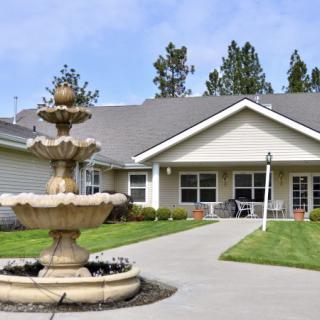
Windriver Place
$3,071 to $5,564 / month1.6 miles away -
from -$350 / mo
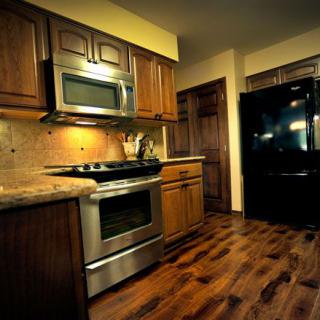
Riverview Terrace
$2,650 to $10,800 / month4.6 miles away -
from +$500 / mo
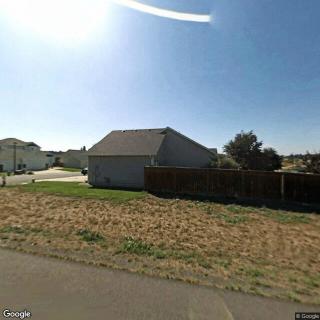
Mary Ann's Home Care
$3,500 to $4,000 / month5.0 miles away -
from -$305 / mo
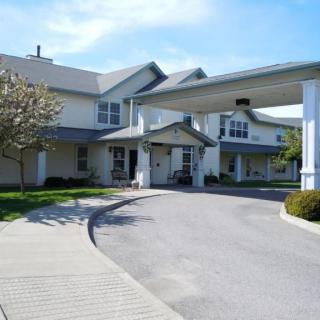
Sullivan Park Assisted Living Community
$2,695 to $4,450 / month12.8 miles away
Overall Review of Pinewood Cottage
Pros
 The community had a great atmosphere.
- The staff were wonderful.
- The environment was positive and very clean.
- The variety of meals offered was appreciated.
- The list of activities for residents would have been helpful.
- The community is highly recommended for the care of a loved one.
Cons
 The list of activities for the residents would have been helpful.
Review
Pinewood Cottage in Spokane is best suited for families seeking a warm, caregiver-first environment where daily life is anchored by attentive staff, a clean setting, and consistently enjoyable meals. The community conveys a reassuring, resident-centered vibe, making it a strong choice for loved ones who thrive on dependable routines, respectful treatment, and a atmosphere that feels safe and welcoming. This setting is particularly well-matched for seniors who prefer a smaller-scale, hands-on approach to daily care over highly institutional, fast-paced environments.
Those who require highly structured programming or specialized memory-care pathways should consider alternatives. The reviews indicate that a detailed activities calendar would have been helpful, hinting at a more spontaneous engagement style rather than a fixed schedule. For residents needing rigorous cognitive-stimulation routines, explicit daily itineraries, or comprehensive therapy options, other communities with documented programming and memory-support tracks may deliver more predictable daily engagement and targeted activities.
On the upside, several core strengths translate directly into daily quality of life. The staff emerge as a standout asset, described as wonderful and consistently attentive, which translates into reliable, compassionate care and smoother daily tasks. The atmosphere is upbeat and the environment remains notably clean, contributing to lower anxiety for both residents and families. The variety of meals is another strong point, addressing common concerns about nutrition and palatability while supporting social dining and shared experiences. Together, these elements build a foundation of trust and comfort that can make care transitions gentler and less stressful.
That combination helps offset the single clear gap identified by reviewers. Even without a published, comprehensive activities roster, the positive energy, staff responsiveness, and clean, pleasant surroundings can sustain meaningful engagement through spontaneous events and well-timed encouragement to participate. This means residents who enjoy social interaction can still experience community life, while those who crave a broad array of organized pursuits may find the absence of a formal calendar a limitation. For families, this trade-off matters: it reduces the risk of a rigid schedule while increasing the importance of probing how daily life is actually shaped by staff and resident interests.
To make a well-informed decision, prospective families should request specifics during a visit. Ask for a sample weekly calendar, inquire about the range and frequency of activities, and explore how volunteers, therapists, or an activities coordinator contribute to resident life. Clarify how programming can be adapted for mobility limitations, dietary preferences, or cognitive needs. If care planning emphasizes continuous supervision or assistance with daily living tasks, confirm that the staffing model aligns with the required level of independence or support. Remember to assess whether residents have opportunities for meaningful participation and social continuity that reflect personal histories and preferences.
Overall, Pinewood Cottage stands out as a compassionate, clean, and well-staffed option for families prioritizing care quality and daily comfort. It delivers a consistent sense of safety, reliable meals, and a warm, homelike feel that supports well-being and peace of mind. The principal consideration is the activities program: for families where a robust, scheduled range of engagements is essential, it is prudent to compare other communities or push for a concrete activity calendar and documented offerings. When a fit is found, Pinewood Cottage can provide steady, high-quality care delivered in a welcoming, intimate environment that eases the transition into assisted living and sustains a residents’ everyday dignity.
 Board and Care Home
 Cats allowed
 Dogs allowed
 Activities off-site
 Air-conditioning
 Bath tubs
 Beautician on-site
 Cable or satellite TV
 Devotional services off-site
 Handicap accessible
 Indoor common areas
 Outdoor common areas
 Private
 Private bathrooms
 Respite or short term stays offered
 Wheelchair accessible showers
 Wi-Fi/high-speed internet available
 Spokane International (7 miles away)
 Diabetic care
 High acuity care
 Incontinence care
 Medication management
 Low / no sodium
 BBQs or picnics
 Birthday parties

 Weight Training for Seniors: Building Strength and Vitality
 Understanding the Sandwich Generation: Stress and Responsibilities for Multigenerational Caregivers
 8 Essential Assistive Devices for Older Adults