
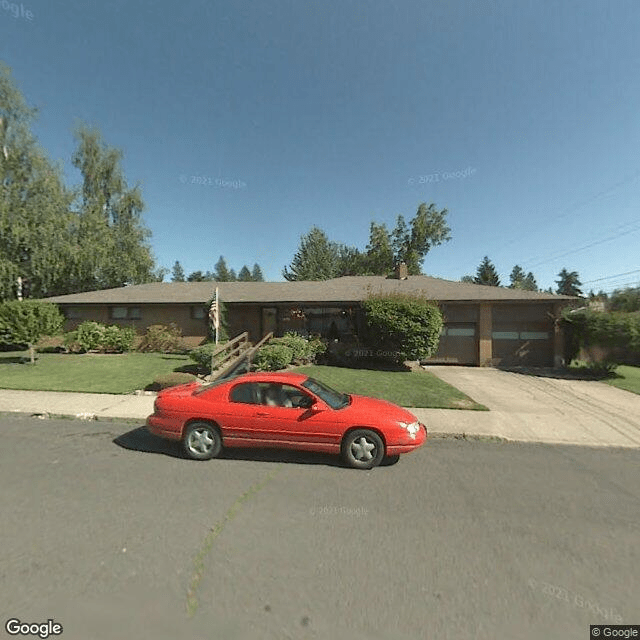
3415 W Beacon, Spokane, WA 99208
To contact a resident: (509) 327-7232
For more information about senior living options: (866) 208-4318
Beacon House Costs & Pricing
Beacon House offers competitive monthly rates for its private rooms at $3,000, which is notably lower than the average costs in Spokane County at $4,111 and the state of Washington at $4,772. This pricing structure not only makes Beacon House an appealing option for individuals seeking quality care but also highlights its commitment to accessibility within the community. By maintaining affordable rates while ensuring a high standard of service, Beacon House stands out as a thoughtful choice for those navigating such important decisions.
| Floor plans | Beacon House | Spokane County | Washington |
|---|---|---|---|
| Private | $3,000 | $4,111 | $4,774 |
Senior living communities with a similar price nearby
-
About the same
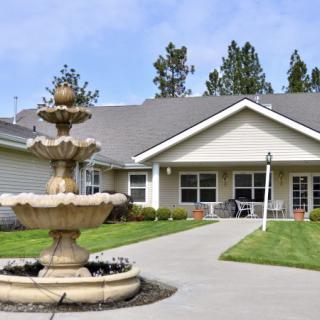
Windriver Place
$3,071 to $5,564 / month1.6 miles away -
from -$350 / mo
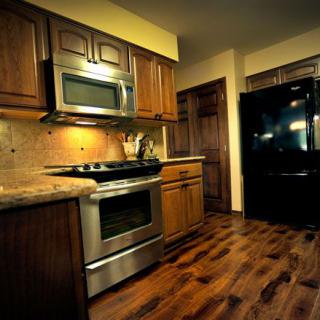
Riverview Terrace
$2,650 to $10,800 / month4.7 miles away -
from +$500 / mo
Mary Ann's Home Care
$3,500 to $4,000 / month4.5 miles away -
from -$305 / mo
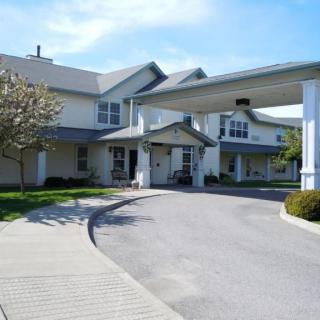
Sullivan Park Assisted Living Community
$2,695 to $4,450 / month12.8 miles away -
About the same
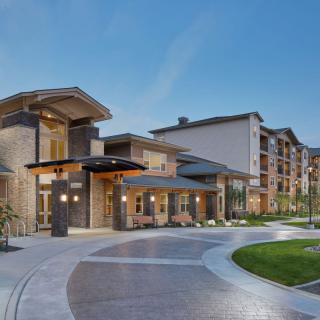
Revel Spokane
$2,995 to $4,400 / month9.9 miles away
Overall Review of Beacon House
Pros
 The staff at Beacon House are described as great, with Carla and Tim as the best owners and caregivers.
- Beacon House is a beautiful home where residents live and receive loving support.
- The caregivers are friendly and professional, providing Attentive care to every resident.
- Families express deep gratitude for the love and care shown to their loved ones.
- The home is clean, peaceful, and welcoming, creating a comfortable environment for residents.
- The staff work to make each resident feel special and valued.
Cons
 One caregiver at Beacon House is quite rude and prefers shortcuts to actually caring for the residents.
- The reviewer dislikes that caregiver.
- The rating was lowered to four stars specifically because of that rude caregiver’s behavior.
- The caregiver’s rude attitude is noted as a negative aspect of the facility.
Review
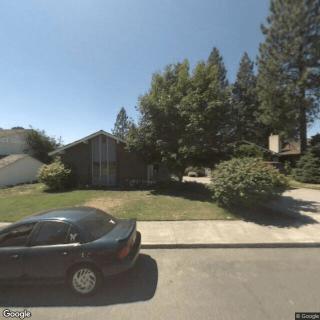
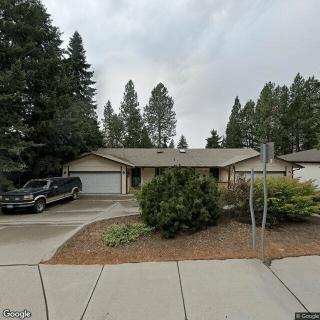
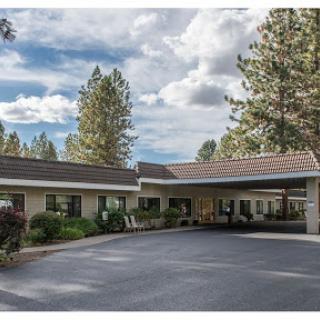
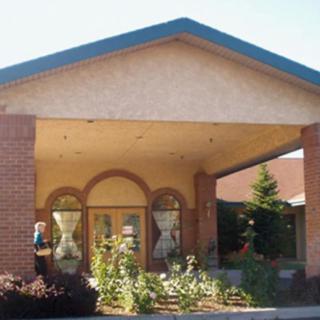
Beacon House in Spokane, WA is best suited for families seeking a warm, intimate, home-like setting where an aging loved one can receive attentive, personalized care from a small team that feels like family. The house-style environment, cleanliness, and peaceful atmosphere are consistently highlighted as standout strengths, with residents and relatives expressing gratitude for the genuine warmth shown by the staff. This community works especially well for seniors who thrive on daily interactions with caregivers and who value a sense of belonging and personal recognition in a non-institutional setting. The focus here is not on gilded amenities but on making residents feel seen, cared for, and quietly cherished.
Those who may want to consider alternatives are families prioritizing robust clinical oversight or a higher level of medical management. Beacon House appears to deliver strong everyday care through devoted caregivers and involved owners, yet it is not described as a large-scale medical facility. Individuals needing constant 24/7 nursing, highly specialized memory care, or an intensely structured activity calendar with formal programming might find a more traditional, larger assisted living or dedicated memory care community more appropriate. For such cases, exploring facilities with on-site medical directors, 24-hour clinical staff, or specialized suites could be a prudent choice.
The most compelling pros are the unmistakable warmth and consistency of care. Caregivers are repeatedly praised for gentleness and attentiveness, with owners Carla and Tim singled out as outstanding leaders who genuinely invest in residents’ well-being. The sense that staff work to make each resident feel special translates into daily experiences of kindness, patient hands-on assistance, and a home-like rhythm rather than a rushed, clinical cadence. Cleanliness and a spacious, peaceful house contribute to a dignified living environment, reinforcing the impression that residents are valued as individuals rather than as a number. This combination of heartfelt care and serene surroundings can offset anxiety about declining independence and help families sleep more easily at night.
A noted caveat centers on a single caregiver described as rude and shortcut-prone, a reminder that even in strong communities, variability in staff behavior can occur. This isolated critique stands out against an otherwise consistent pattern of positive feedback and long-term affection for the caregivers. The practical takeaway is clear: families should actively observe interactions during a tour, inquire about staff consistency across shifts, and ask how the home handles concerns about individual team members. When leadership is directly involved and quickly responsive, as evidenced by the owners’ hands-on approach, the impact of one problematic staff member tends to be contained and addressed.
For decision-making, Beacon House offers a compelling value proposition for families seeking a narrow, deeply personal living arrangement rather than a sprawling campus. The benefits, trustworthy, compassionate care; owners who are integral to daily life; a clean, calm environment; and a community where residents feel known, often translate into better emotional well-being for residents and reduced caregiver stress for families. The trade-off is a smaller footprint and potentially less formal medical infrastructure, which means careful alignment of needs with the level of daily medical oversight available.
In the end, Beacon House stands out as a strong choice for those who prize home-like intimacy, visible affection from staff, and a sense of community that treats residents as cherished members of a family. It is especially suitable for seniors who want daily warmth and personal attention, with families comfortable engaging directly with leadership and staff. For those whose priorities include heavy medical oversight, memory-care specialization, or a highly structured program, alternatives should be explored. A visit that includes meeting Carla and Tim, observing caregiver interactions, and reviewing staffing patterns will reveal whether Beacon House will become the trusted home they are seeking.
 Board and Care Home
 Cats allowed
 Dogs allowed
 Activities off-site
 Bath tubs
 Beautician on-site
 Devotional services off-site
 Indoor common areas
 Outdoor common areas
 Private
 Respite or short term stays offered
 Wheelchair accessible showers
 Spokane International (8 miles away)
 Diabetic care
 High acuity care
 Incontinence care
 Kosher

 Home Health Care Aides: Understanding Their Role and Supporting Your Family
 Urinary Tract Infections in Older Adults: Comprehensive Insights on Symptoms, Treatment, and Prevention
 California's Form 602A: An In-Depth Examination of Senior Care Assessment