
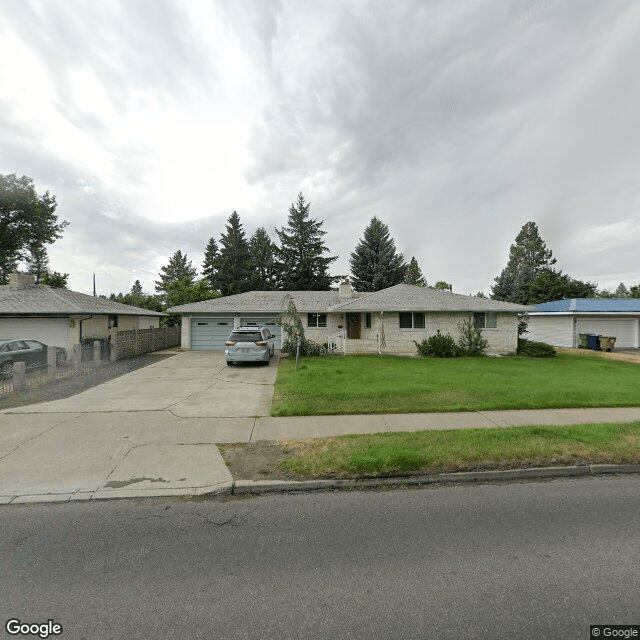
3623 West Indian Trail Rd, Spokane, WA 99208
To contact a resident: (509) 638-8738
For more information about senior living options: (866) 208-4318
Providence Senior Home Costs & Pricing
At Providence Senior Home, the monthly costs for accommodations reflect a premium level of care and amenities compared to the regional averages in Spokane County and across Washington State. For a private room, residents can expect to pay $6,000 per month, which is significantly higher than the county average of $4,111 and the state average of $4,772. The cost escalates further for a one-bedroom unit at Providence, priced at $7,000 monthly, contrasting with Spokane's more affordable rate of $3,852 and Washington's average of $4,632. These figures signify that while Providence Senior Home offers exceptional services and facilities designed for comfort and well-being, they do come at a higher price point than other local options.
| Floor plans | Providence Senior Home | Spokane County | Washington |
|---|---|---|---|
| Private | $6,000 | $4,111 | $4,774 |
| 1 Bedroom | $7,000 | $3,852 | $4,634 |
Memory care communities with a similar price nearby
-
from -$500 / mo
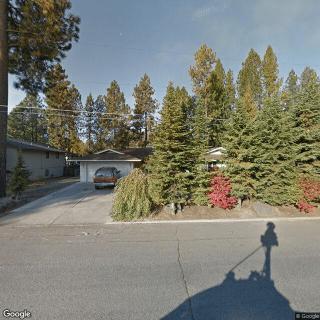
Classy Retreat
$5,500 / month7.4 miles away -
from -$405 / mo

Columbia Landing of Spokane
$5,595 to $7,660 / month9.1 miles away -
from -$805 / mo
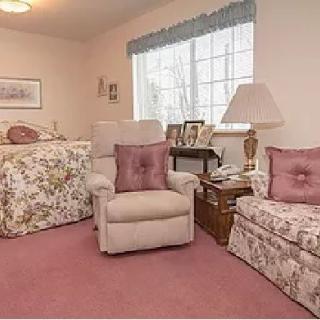
Colonial Court
$5,195 / month11.0 miles away -
About the same
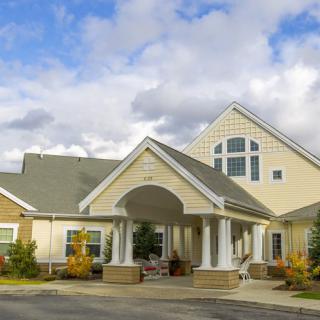
Brookdale Nine Mile
$5,985 to $8,325 / month1.0 miles away -
from -$500 / mo
A Plus Quality AFH
$5,500 to $6,000 / month11.1 miles away
Overall Review of Providence Senior Home
Pros
 The care her mom has received is the best so far.
- The staff are pleasant and take time to build personal relationships.
- The facility is very clean and odor-free.
- Her mom is receiving healthy meals with adequate portions.
- The facility has easy access and friendly staff.
Review
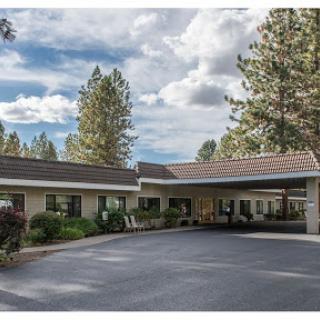
Providence Senior Home in Spokane, WA is best suited for seniors who want a home-like, intimate setting where relationships with staff matter as much as daily routines. This community serves residents who value a clean, odor-free environment, predictable schedules, and meals that are nutritious and properly portioned. The right match here is a senior who appreciates approachable, friendly caregivers who take the time to know the person behind the routine, and who prefer straightforward accessibility and a sense of personal attention over high-end amenities. It is a practical fit for families seeking dependable daily care in a setting that feels comfortable and low-stress. Those needing extensive clinical oversight, memory-care programming, or highly specialized medical support may find Providence less aligned with their evolving needs and should consider alternatives.
The strongest positives come from the care culture and the tangible day-to-day quality. A family member described it as the best care their mom has had, underscoring pleasant staff who invest time in building a personal relationship. Cleanliness is a consistent theme, with the facility praised for easy access and a fresh, odor-free atmosphere that contributes to a sense of safety and well-being. Nutritious meals that deliver appropriate portions further reinforce health goals without creating dietary stress. Taken together, these factors form a reliable backbone for steady, dignified living, precisely the kind of environment where caregivers can partner with families rather than merely perform tasks.
Yet, the small sample of reviews means there is limited evidence on how the community handles higher acuity needs or specialized therapies. There is no detailed information about on-site medical staffing levels, medication management oversight, or access to skilled nursing services around the clock. Similarly, there is little to indicate a robust activity calendar or a structured memory-care program. For families confronting progressive conditions, coordinating complex care plans, or requiring intensive rehabilitation services, Providence may not deliver the level of clinical infrastructure found in larger or more specialized facilities. The absence of these specifics should prompt a careful assessment of whether evolving needs will be sustainably met.
These gaps are offset, to a practical degree, by the accommodations where Providence excels. The personal relationships staff cultivate can translate into timely recognition of changes in health status, more responsive communications with families, and a sense of continuity for residents who crave familiar faces. A clean, well-maintained environment minimizes irritants and health concerns, while nutrition-focused meals support vitality and daily functioning. The easy-access design also lowers the friction involved in family visits and in helping a loved one move through daily tasks, which contributes to ongoing comfort and reassurance for caregivers.
Families weighing alternatives should consider this community’s fit against options that emphasize broader clinical capabilities, more expansive activity programming, or specialized care tracks such as memory support. If a loved one requires 24/7 skilled nursing, complex medication management, physical or occupational therapy on a fixed schedule, or structured cognitive-stimulation routines, a larger facility, a dedicated memory-care program, or a skilled-nursing environment may be more suitable. It also makes sense to compare total cost of care across providers, including accessibility of on-site therapists, pharmacy services, and transportation options. Providence shines for those who value warmth, consistency, and dependable daily life in a straightforward setting; for others, it is prudent to explore alternatives that place more emphasis on clinical breadth and enriched programming.
In the end, Providence Senior Home offers a credible, comfort-forward option for families prioritizing relational care, cleanliness, and reliable nutrition in a simple, accessible layout. The decision centers on care acuity: if a loved one’s needs stay within a moderate range and the priority is steady, compassionate support rather than clinical complexity, Providence is a practical, trustworthy match. If the trajectory points toward greater medical oversight, memory-care demands, or a more dynamic activity schedule, the prudent move is to pursue other communities first and reserve Providence as a reassuring, well-suited option for steady, low-stress living. A thorough on-site tour, targeted questions about staffing ratios, medication procedures, and daily activity offerings will reveal whether the daily reality aligns with expectations and care goals.
 Board and Care Home
 Memory Care
 Dogs allowed
 Activities off-site
 Devotional services off-site
 Indoor common areas
 Outdoor common areas
 Private
 Private bathrooms
 Respite or short term stays offered
 Wheelchair accessible showers
 Spokane International (8 miles away)
 High acuity care
 Incontinence care
 Medication management
 Kosher


 Understanding Dementia Through Its Seven Stages: A Comprehensive Look at Progression and Expectations
 A Holistic Dementia Care Guide: Effective Strategies for Memory Support
 Comprehensive Insights into Activities of Daily Living (ADLs) and Their Assessment