For more information about senior living options: (866) 208-4318
4.8 from 26 reviews
5 stars
22
4 stars
2
3 stars
2
2 stars
0
1 stars
0
Mary Ann's Home Care Costs & Pricing
Mary Ann's Home Care offers competitive pricing for its services, particularly when compared to both Spokane County and the broader Washington state averages. For a semi-private room, Mary Ann's is priced at $3,500 per month, which is notably lower than the county average of $3,863 and the state average of $4,267. Similarly, in the case of one-bedroom accommodations, Mary Ann's remains affordable at $3,500 compared to Spokane County's $3,852 and Washington state's $4,632. Even for private rooms, with a monthly cost of $4,000, it stays within a reasonable range relative to Spokane County's $4,111 and far below Washington's average of $4,772. Overall, Mary Ann's presents itself as an economically sensible choice without compromising on quality care in the fluctuating landscape of home care costs.
Floor plans
Mary Ann's Home Care
Spokane County
Washington
Semi-Private
$3,500
$3,863
$4,272
1 Bedroom
$3,500
$3,852
$4,634
Private
$4,000
$4,111
$4,774
Memory care communities with a similar price nearby
Reviewers consistently describe caregiver help as professional and genuinely caring.
Across the reviews, families and clients describe respectful, compassionate support from the caregivers and the broader team. Several stories highlight how specific caregivers showed up consistently and helped with everyday needs, from mobility and basic care to lighter help around the home. Even when the need was complex, reviewers say the team stepped in with skilled assistance that made a difficult situation more manageable. One reviewer also describes feeling safe and cared for in a family-like home environment.
common9 reviews mention this
Communication and flexible scheduling
Families say communication is strong and scheduling is flexible when needs change.
Multiple reviewers mention clear communication and responsiveness during the planning and ongoing care period. Others specifically call out the team working with families to set care arrangements, and being easy to reach when situations came up. A reviewer also describes the scheduler stepping in to cover when caregivers were unavailable. Overall, the reviews portray a care process that families can coordinate with, rather than one that feels difficult to manage.
How we summarize
Counts show how many written reviews mention each theme; a review can touch several themes, and only frequently mentioned themes are displayed.
Features
Types of Care
Board and Care Home
Memory Care
Amenities
Activities off-site
Activities on-site
Bath tubs
Beautician on-site
Devotional services off-site
Devotional services on-site
Indoor common areas
Outdoor common areas
Private
Wheelchair accessible showers
Transportation
Spokane International (12 miles away)
Care Services
Ambulatory care
Diabetic care
High acuity care
Incontinence care
Medication management
Dining
Kosher
Meals provided
Vegetarian
Activities
Activities off-site
Activities on-site
Devotional activities offsite
Devotional activities on-site
Nearby Places of Interest
This area of Spokane, Washington, offers a convenient and bustling community for senior living. With several pharmacies such as Rite Aid, Walgreens, and CVS nearby, access to essential medications and healthcare is easily accessible. There are also various restaurants within a short distance, including Twigs Bistro and Frank's Diner, providing opportunities for dining out or enjoying a meal with friends and family. Additionally, there are reputable physicians and medical facilities close by, such as Providence Urgent Care and Northwest Dermatology. For recreational activities, there are several parks like Bidwell Park and Franklin Park in the vicinity for leisurely walks or picnics. Overall, this area provides a well-rounded environment with amenities that cater to the needs of seniors.
Pharmacies
Rite Aid (0.2 miles)
Sav-On Pharmacy (0.3 miles)
Walgreens (0.3 miles)
CVS Pharmacy (1.5 miles)
Shopko Pharmacy (1.6 miles)
Payless Drug Stores (1.7 miles)
Rosauers Supermarkets (1.8 miles)
Restaurants
Twigs Bistro (0.5 miles)
Pooles Public House On (0.5 miles)
Frank's Diner (0.8 miles)
Fizzie Mulligans (0.9 miles)
Sonic Drive-In (1.1 miles)
Firehouse Subs (2.8 miles)
McDonald's (3.9 miles)
Physicians
Providence Urgent Care - Hawthorne (1.2 miles)
North View Medical Clinic: John Torquato, MD (1.6 miles)
Providence Pulmonary and Sleep Disorder Clinic - Spokane (1.6 miles)
Northwest Dermatology (1.7 miles)
Orthopaedic Specialty Clinic (1.7 miles)
Mt. Spokane Pediatrics (1.8 miles)
Spine Team Spokane (1.8 miles)
Places of Worship
Whitworth Chapel (1.3 miles)
Prince of Peace Lutheran (4.6 miles)
Parks
Bidwell Park (3.7 miles)
Franklin Park (4.5 miles)
Indian Trail Park (4.7 miles)
Corbin Park (5.9 miles)
Webster Park (6 miles)
Ice Age floods Playground (7.2 miles)
The United States Pavilion, Expo '74 (7.4 miles)
Cafes
Starbucks (4.1 miles)
Starbucks (4.6 miles)
Little Garden Cafe (6.2 miles)
Dutch Bros Coffee (6.9 miles)
Hold Your Grounds Espresso (7.2 miles)
Daily Habit (7.3 miles)
Hospitals
Providence Holy Family Hospital Anti Coag Unit (4.2 miles)
Mary Ann's Home Care offers competitive pricing for its services, particularly when compared to both Spokane County and the broader Washington state averages. For a semi-private room, Mary Ann's is priced at $3,500 per month, which is notably lower than the county average of $3,863 and the state average of $4,267. Similarly, in the case of one-bedroom accommodations, Mary Ann's remains affordable at $3,500 compared to Spokane County's $3,852 and Washington state's $4,632. Even for private rooms, with a monthly cost of $4,000, it stays within a reasonable range relative to Spokane County's $4,111 and far below Washington's average of $4,772. Overall, Mary Ann's presents itself as an economically sensible choice without compromising on quality care in the fluctuating landscape of home care costs.
Mary Ann's Home Care's medication management ensures that residents receive their prescribed medications at the correct times, which is crucial for maintaining their overall health and well-being. This structured approach not only alleviates the worry of missed doses but also helps in managing symptoms related to dementia and Alzheimer's disease effectively. Additionally, incontinence care is tailored to preserve dignity and comfort, addressing a common concern among individuals with cognitive impairments. By providing compassionate support in this sensitive area, caregivers help minimize anxiety and maintain personal hygiene, thereby fostering a sense of security and enhancing the quality of life for residents facing these challenges.
Nearby Communities
Cornerstone Court
Spokane, WA
4 from 32 reviews
$4,065 / month
Caring, responsive staff in a warm, homelike setting.
Willow Grove
Spokane, WA
4 from 7 reviews
Remodeled, with bright, caring staff, nutritious meals, and engaging activities.
Sarenac Home Care
Spokane, WA
4.8 from 21 reviews
Personalized care with diabetic support in a cozy, welcoming setting.
Fairwood Retirement Village & Assisted Living
Spokane, WA
3.6 from 24 reviews
$1,020 to $4,170 / month
Clean facility with friendly, long-tenured staff, comfortable rooms, and a convenient location.
Affinity at Mill Road
Spokane, WA
4.6 from 67 reviews
$1,300 to $1,720 / month
Helpful staff; clean, friendly environment with good value and amenities.
Angel Senior Care
Spokane, WA
4.5 from 32 reviews
Easy to work with, flexible care options, and genuine caregiver support.
Royal Park Health And Rehabilitation
Spokane, WA
3.5 from 70 reviews
Attentive staff and a clean, inviting dining area.
Pleasant Comfort AFH
Spokane, WA
4.9 from 14 reviews
$5,500 / month
Homemade meals with attentive staff in a clean, welcoming setting.
Manor Care Health Services - Spokane
Spokane, WA
3.5 from 97 reviews
Comprehensive on-site care and amenities (24h supervision, nursing, dining, wellness, transportation).
The article presents five subtle indicators of dementia, such as memory lapses and mood swings, to help families assess cognitive decline in loved ones. It emphasizes early detection, open communication, and seeking professional help while providing practical support steps.
Dementia encompasses progressive neurological disorders that impair cognitive functions and can lead to paranoia due to cognitive decline and emotional changes. The article discusses the triggers of paranoia in dementia, caregiver strategies for managing it, and the importance of distinguishing between dementia-related paranoia and other psychiatric conditions.
Memory care activities are essential for improving the quality of life of seniors with cognitive impairments, as they stimulate cognitive function, promote well-being, and encourage social interaction through tailored strategies. These activities combine structured exercises with spontaneous tasks, sensory engagement, physical workouts, creative pursuits, and intergenerational interactions to enhance emotional connection and a sense of purpose.
Get PricingAsk A QuestionSchedule A TourContact Senior Advisor
By clicking submit, you agree to our Partner's Terms of Use. You
also consent to receive calls and texts, which may be autodialed, from our Partner. Your consent is not a condition to
using our Partner's service. Please visit our Partner's Privacy Policy for information about their privacy practices.

 Board and Care Home
 Memory Care
 Activities off-site
 Bath tubs
 Beautician on-site
 Devotional services off-site
 Indoor common areas
 Outdoor common areas
 Private
 Wheelchair accessible showers
 Spokane International (12 miles away)
 Ambulatory care
 Diabetic care
 High acuity care
 Incontinence care
 Medication management
 Kosher
 Caring, responsive staff in a warm, homelike setting.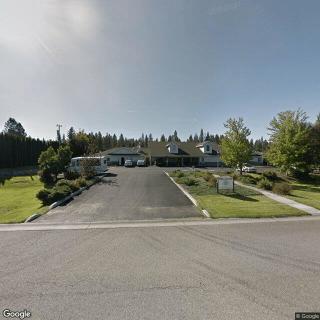

 Five Subtle Dementia Indicators to Observe: An In-Depth Guide to Understanding “Does My Mom Have Dementia?”
 Dementia, Paranoia, and Caregiver Guidance: Understanding the Connection
 Engaging Memory Care Activities That Enhance Quality of Life