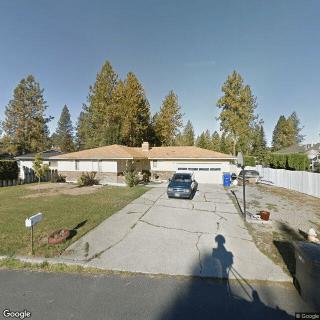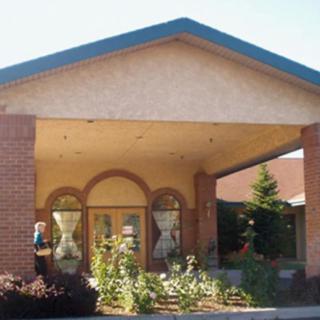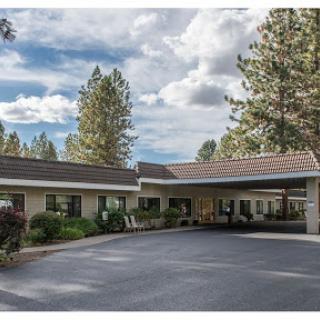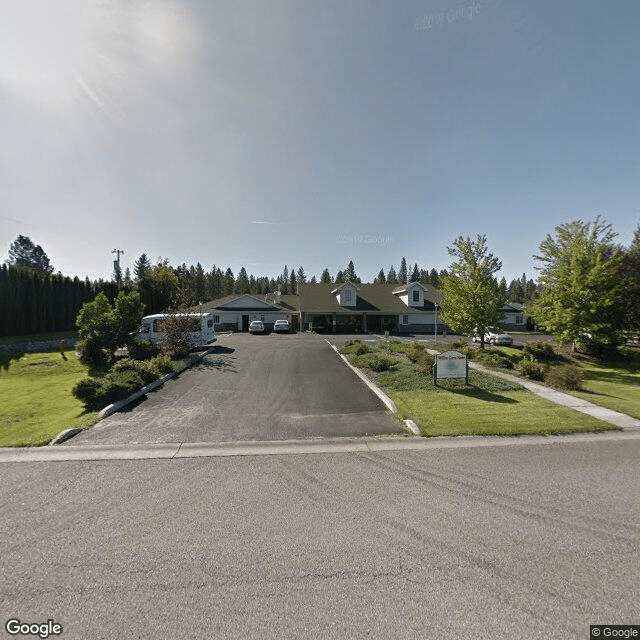
Willow Grove in Spokane, WA

Save
Willow Grove

Willow Grove in Spokane, WA

1620 East Mead Street, Spokane, WA 99218

For more information about senior living options: (844) 490-3973

4 from 7 reviews
5 stars
4
4 stars
1
3 stars
1
2 stars
0
1 stars
1

Assisted Living Board and Care Home Memory Care

Overall Review of Willow Grove

Pros

  • pro The rooms have recently been remodeled and the atmosphere is a great change from prior visits.
  • pro The staff are bright, cheerful and care about those they assist.
  • pro The food is great and the facility offers a wonderful activities program.
  • pro The operation is described as professional nursing with a well-run setup.
  • pro It offers flat-fee pricing for little assistance and for those who need more assistance.
  • pro The staff are very professional and the facility is a comfy place to live for medium-risk patients.
  • pro It is nicely located near grocery stores and not in a high-traffic area.

Cons

  • pro They were told one thing for six months and had to jump through hoops, only to learn their mom didn't qualify.
  • pro They felt heartbroken after being strung along for six months when they could have made other arrangements.
  • pro Willow Grove Home is a lonely place to spend their final years.
  • pro Indoors, the place feels lifeless, with stained carpeting and walls and a sound system that repeats oldies.
  • pro Some staff members could be impatient with guests, and the weekly schedule goes unchanged unless a holiday is approaching.
  • pro The reviewer would not send a loved one there.

Review

Willow Grove is best suited for seniors who require mid-range assisted living with a nursing-forward approach. It serves residents who need regular help with daily tasks, light medical oversight, and predictable routines, yet do not need hospital-level care. The recent ownership transition and room remodeling signal a genuine investment in resident comfort, while the dining program and activities calendar provide steady social engagement. For families seeking a clean, organized setting where staff responsiveness is evident and everyday life feels manageable, Willow Grove offers a practical, dependable option without the clinical intensity of higher-acuity communities.

Explicitly, alternatives should be considered by those with higher care demands, complex medical needs, or a priority on rapid, transparent intake decisions. Several experiences describe months of mixed messages about eligibility, with families left waiting rather than knowing where they stand, a pattern that undermines planning and trust. Others may crave a warmer, more home-like environment or a livelier social scene than Willow Grove's current rhythm provides. In short, for residents who require aggressive medical management, rapid decision-making, or a consistently bustling atmosphere, it is prudent to explore other communities.

Pros that stand out include professional, cheerful staff and a setting that feels practical rather than clinical. Rooms are comfortable and well equipped - features such as an electric recliner, a cable TV, a sturdy bed, and a refrigerator-rich cabinet add to daily ease. The dining area is repeatedly praised for nutritious meals, and the facility's ambiance benefits from the remodel and the owner's hands-on involvement with operations. Location-wise, the campus sits near groceries and avoids congested corridors, reducing daily friction. The combination of stability, approachable administration, and a robust activities program makes Willow Grove a credible choice for those who value reliability.

Cons center on communication gaps and environmental mood. The most troubling is inconsistent intake information, with families told one thing and then faced with delays or reversals - an experience that harms trust and complicates planning. Internally, some residents describe a lifeless atmosphere - stained carpeting, dated bathroom walls, and a weekly schedule that rarely shifts - contributing to a sense of sameness. Staff dynamics vary, with reports of impatience in certain moments, which undermines the warmth expected in a senior living setting. Taken together, these factors create a contrast between the facility's polished exterior and pockets of disengagement that matter to those seeking emotional warmth as well as physical care.

Still, the positives do offset the negatives to a meaningful degree. Remodeling and improved operations have elevated the day-to-day experience, especially for residents who prioritize steady care, pleasant meals, and structured activities. The flat-fee approach to little-help vs. more-help scenarios clarifies what families can expect financially, aiding planning and comparisons with nearby options. However, the lingering risk around intake transparency means due diligence remains essential: ask for specifics on eligibility criteria, timelines, and what happens if plans change. In practice, Willow Grove best serves residents who prefer a calm, predictable routine and value competent care over a high-energy, boutique-style environment.

Bottom line: Willow Grove is a solid choice for families prioritizing dependable staff, solid meals, and a remodeled, orderly setting in Spokane. It is well-suited for mid-range care needs and residents who thrive within a steady routine and a stable social program. Those seeking immediate decision-making, transparent intake, or a consistently vibrant, bustling atmosphere should weigh alternatives carefully. Tour with targeted questions about intake timelines, staff training, and daily schedules, and compare them against other communities with stronger reputations for speed and warmth. The decision should favor Willow Grove when peace of mind, predictable care, and practical comfort trump the desire for a more dynamic environment.

Features

Housing

  • 20 resident community capacity 20 resident community capacity

Types of Care

  • Assisted Living Assisted LivingAssisted living facilities provide crucial support and care for seniors who may need help with daily tasks such as medication management, bathing, and meal preparation. These communities offer a safe and comfortable environment where seniors can maintain their independence while receiving the assistance they need to thrive in their golden years.
  • Board and Care Home Board and Care HomeBoard and care homes provide a smaller, more intimate setting for seniors who require assistance with daily tasks but do not need the level of care offered by a nursing home. They offer personalized care, meals, and social activities in a homelike environment, ensuring that seniors receive individualized attention and support in their golden years.
  • Memory Care Memory CareMemory care is crucial for seniors as it provides specialized support and services for individuals with dementia or Alzheimer's disease. These programs offer a safe and secure environment where residents receive personalized care, cognitive stimulation, and help with daily activities. Memory care helps seniors maintain their independence, quality of life, and dignity while also providing peace of mind for their families.

Pets

  • Dogs allowed Dogs allowed"Pet friendly" senior living communities are important for seniors because pets provide companionship, reduce feelings of loneliness and depression, promote physical activity and mental stimulation, and offer a sense of purpose and responsibility. Pets can improve overall well-being and quality of life for seniors in many ways.

Amenities

  • Activities off-site Activities off-siteEngaging in off-site activities is crucial for seniors to maintain social connections, stay active, and stimulate their minds. It promotes overall well-being and helps combat feelings of isolation and loneliness.
  • Activities on-site Activities on-siteActivities on-site are important for seniors because they provide opportunities for socialization, mental stimulation, physical activity, and overall well-being. Engaging in activities can help seniors stay active, maintain their independence, and improve their quality of life.
  • Bath tubs Bath tubsBath tubs are important for seniors because they provide a safe and relaxing way to bathe, helping to prevent slips and falls while promoting independence and overall well-being.
  • Beautician on-site Beautician on-siteHaving a beautician on-site at a senior living community is important for seniors as it allows them to easily access grooming and personal care services, boosting their self-esteem and overall well-being. It also provides convenience and helps seniors maintain their sense of independence and personal style.
  • Beauty salon Beauty salonBeauty salons are important for seniors because they provide a space for them to feel pampered, socialize, and maintain their personal grooming and hygiene. Regular visits to a beauty salon can help boost seniors' self-esteem and overall well-being.
  • Cable or satellite TV Cable or satellite TVCable or satellite TV is important for seniors because it provides entertainment, news, and companionship, helping to combat loneliness and boredom. It also offers a wide range of programming options tailored to different interests and preferences.
  • Devotional services off-site Devotional services off-siteDevotional services off-site are important for seniors as they provide spiritual nourishment, social engagement, and a sense of community outside of the senior living facility. This can enhance overall well-being and help combat feelings of isolation and loneliness often experienced by older adults.
  • Devotional services on-site Devotional services on-siteDevotional services on-site provide seniors with spiritual support and a sense of community, as well as an opportunity for reflection and guidance during their senior living experience. This can promote emotional well-being and connection to others, leading to a more fulfilling and enriching lifestyle in their later years.
  • Dining room Dining roomDining rooms are important for seniors as they provide a space for socialization, connection, and nutritious meals. They offer opportunities for residents to bond over shared meals, foster a sense of community, and promote healthy eating habits. Dining rooms also ensure that seniors have access to well-balanced meals tailored to their dietary needs and preferences.
  • Fully furnished Fully furnishedFully furnished senior living communities are important for seniors because they provide convenience, comfort, and a hassle-free moving experience. Seniors can easily settle into their new living space without the stress of having to buy and move furniture. This allows them to focus on enjoying their new home and community.
  • Garden GardenGardens are important for seniors as they provide a peaceful and therapeutic environment for relaxation, physical activity, and socialization. Being in nature has been shown to reduce stress, improve mood, and promote overall well-being. Gardens also offer opportunities for seniors to engage in gardening activities, which can improve mobility, flexibility, and cognitive function. Additionally, gardens create a sense of community and connection with others who share a passion for plants and outdoor spaces.
  • Housekeeping services Housekeeping servicesHousekeeping services are important for seniors because they help maintain a clean and safe living environment, promote independence, and reduce the risk of accidents or illnesses. Additionally, having assistance with household chores can alleviate physical strain and allow seniors to focus on other aspects of their well-being.
  • Indoor common areas Indoor common areasIndoor common areas are crucial for seniors as they provide a space for socialization, recreation, and community engagement, promoting overall well-being and reducing feelings of isolation and loneliness.
  • Move-in coordination Move-in coordinationMove-in coordination is important for seniors because it helps ease the transition into their new living environment. It ensures that all logistics, such as packing, organizing movers, and setting up utilities are taken care of, allowing seniors to focus on settling in and adjusting to their new home. Having a smooth move-in process can alleviate stress and anxiety, making the transition smoother and more enjoyable for seniors.
  • Outdoor common areas Outdoor common areasOutdoor common areas are important for seniors as they provide a space for socialization, physical activity, and relaxation. Being outside in nature can improve mood and overall well-being, while also encouraging movement and engagement with others. These spaces can help combat feelings of isolation and promote a sense of community among residents.
  • Outdoor space Outdoor spaceOutdoor spaces are important for seniors as they provide opportunities for physical activity, social interaction, exposure to natural light and fresh air, and a sense of connection to nature. Having access to outdoor spaces can improve overall well-being and quality of life for older adults living in senior communities.
  • Small library Small librarySmall libraries are important for seniors as they provide access to a variety of reading materials, including books, newspapers, and magazines. This can help stimulate their minds, keep them engaged, and provide a sense of community through book clubs and other social activities. Additionally, reading has been shown to improve cognitive function and overall mental well-being in older adults.
  • Telephone TelephoneTelephones are important for seniors as they provide a lifeline for communication with loved ones, emergency services, and healthcare providers. They offer a sense of security and independence, enabling seniors to stay connected and access assistance when needed.
  • Wheelchair accessible showers Wheelchair accessible showersWheelchair accessible showers are crucial for seniors as they provide a safe and independent bathing option for those with mobility challenges. These showers help prevent falls and allow seniors to maintain their dignity and autonomy while ensuring they can bathe comfortably.

Transportation

  • Spokane International (12 miles away) Spokane International (12 miles away)

Care Services

  • 24-hour call system 24-hour call system24-hour call systems are important for seniors because they provide peace of mind and immediate assistance in case of emergencies. This technology ensures that help is always available, promoting safety and security for elderly individuals living alone or in assisted living facilities.
  • 24-hour supervision 24-hour supervision24-hour supervision is important for seniors to ensure their safety, well-being, and access to immediate assistance in case of emergencies or health issues. This constant support provides peace of mind for both seniors and their loved ones, allowing them to age in place with dignity and security.
  • Activities of daily living assistance Activities of daily living assistanceActivities of daily living assistance are important for seniors because they provide essential support with tasks such as eating, bathing, dressing, and mobility. This assistance helps seniors maintain their independence, dignity, and overall quality of life as they age.
  • Ambulatory care Ambulatory care"Ambulatory care services provide essential medical support and treatment to seniors without requiring hospitalization, allowing them to maintain their independence and quality of life while managing chronic conditions or receiving routine medical care."
  • Assistance with bathing Assistance with bathingAssistance with bathing is crucial for seniors as it helps maintain personal hygiene, prevents infections, and ensures their overall well-being and comfort. It also provides a sense of dignity and independence for seniors who may struggle with this task on their own.
  • Assistance with dressing Assistance with dressingAssistance with dressing is important for seniors because it helps maintain their independence, promotes personal hygiene, prevents accidents and injuries, and improves overall quality of life. This service ensures that seniors can continue to dress comfortably and confidently, despite any physical limitations they may have.
  • Assistance with transfers Assistance with transfersAssistance with transfers is crucial for seniors as it helps prevent falls and injuries, maintains their independence, and ensures they can safely navigate their living environment. It also provides peace of mind for both seniors and their loved ones.
  • Diabetes diet Diabetes dietA diabetes diet is crucial for seniors as it helps manage blood sugar levels, reduce risks of complications, and improve overall health and well-being. By following a balanced and nutritious diet tailored to their specific needs, seniors can better control their diabetes and enhance their quality of life.
  • Diabetic care Diabetic careDiabetic care is crucial for seniors as they are more susceptible to developing diabetes due to aging and other health conditions. Proper management of diabetes can help prevent complications such as heart disease, vision loss, and nerve damage, improving the overall quality of life for seniors in senior living communities.
  • Incontinence care Incontinence careIncontinence care is essential for seniors to maintain their dignity, hygiene, and overall quality of life. By addressing incontinence issues promptly and effectively, seniors can enjoy a sense of independence and comfort in their daily activities.
  • Meal preparation and service Meal preparation and serviceMeal preparation and service are crucial for seniors as they may have limited mobility or energy to cook nutritious meals. Having access to healthy and convenient food options can ensure they are getting the proper nutrition needed to maintain their overall health and well-being.
  • Medication management Medication managementMedication management is crucial for seniors to ensure they are taking the right medications at the correct dosages and times. This helps prevent adverse drug interactions, reduces the risk of medication errors, and promotes overall health and well-being. Proactive management also allows for adjustments as needed based on changing health conditions or new prescriptions.
  • Mental wellness program Mental wellness programMental wellness programs are essential for seniors as they promote cognitive stimulation, emotional support, and social engagement. These programs help prevent isolation, depression, and cognitive decline, ultimately enhancing the overall quality of life for older adults.
  • Mild cognitive impairment Mild cognitive impairment"Mild cognitive impairment" is important for seniors because it is an early stage of cognitive decline that can potentially progress to more severe conditions such as dementia. Recognizing and addressing mild cognitive impairment can help seniors receive appropriate care and support to maintain their quality of life and independence for as long as possible.
  • Special dietary restrictions Special dietary restrictionsSpecial dietary restrictions are important for seniors because age-related changes in metabolism and health conditions can make it difficult for their bodies to process certain foods. By following a diet tailored to their specific needs, seniors can maintain their overall health and well-being, manage chronic conditions, and reduce the risk of complications such as malnutrition or food interactions with medications.
  • Specialized memory care programming Specialized memory care programmingSpecialized memory care programming is crucial for seniors with cognitive impairments such as dementia or Alzheimer's disease. These programs provide a safe and supportive environment tailored to the unique needs of individuals with memory loss, helping them maintain their independence, dignity, and quality of life.

Dining

  • Diabetes diet Diabetes dietA diabetes diet is crucial for seniors as it helps manage blood sugar levels, reduce risks of complications, and improve overall health and well-being. By following a balanced and nutritious diet tailored to their specific needs, seniors can better control their diabetes and enhance their quality of life.
  • Meals provided Meals provided"Meals provided" are crucial for seniors in assisted living communities as it ensures they have access to nutritious, balanced meals without the stress of meal planning and preparation. This can help promote overall health and well-being for seniors who may have limited mobility or cognitive abilities.
  • Special dietary restrictions Special dietary restrictionsSpecial dietary restrictions are important for seniors because age-related changes in metabolism and health conditions can make it difficult for their bodies to process certain foods. By following a diet tailored to their specific needs, seniors can maintain their overall health and well-being, manage chronic conditions, and reduce the risk of complications such as malnutrition or food interactions with medications.
  • Vegetarian VegetarianA vegetarian diet is important for seniors because it can help lower the risk of chronic diseases, maintain a healthy weight, and provide essential nutrients needed for aging bodies. Additionally, plant-based diets are often easier on digestive systems and can contribute to overall well-being in older adults.

Activities

  • Activities off-site Activities off-siteEngaging in off-site activities is crucial for seniors to maintain social connections, stay active, and stimulate their minds. It promotes overall well-being and helps combat feelings of isolation and loneliness.
  • Activities on-site Activities on-siteActivities on-site are important for seniors because they provide opportunities for socialization, mental stimulation, physical activity, and overall well-being. Engaging in activities can help seniors stay active, maintain their independence, and improve their quality of life.
  • Community-sponsored activities Community-sponsored activitiesCommunity-sponsored activities are important for seniors as they provide opportunities for social interaction, mental stimulation, and physical activity. These activities can help improve overall well-being, combat loneliness and isolation, and promote a sense of belonging and purpose among older adults.
  • Devotional activities offsite Devotional activities offsiteDevotional activities offsite are important for seniors because they provide social engagement, spiritual growth, and a sense of community outside of their living environment. This can improve overall well-being, mental health, and combat feelings of isolation or loneliness.
  • Devotional activities on-site Devotional activities on-siteDevotional activities on-site provide seniors with a sense of community, spiritual fulfillment, and emotional support, promoting overall well-being and a positive sense of purpose in their lives.
  • Scheduled daily activities Scheduled daily activitiesScheduled daily activities are important for seniors because they provide structure, socialization, mental stimulation, and physical activity. Engaging in regular activities can improve overall well-being and quality of life for seniors living in a community setting.

Description

Willow Grove is an assisted living community located in Spokane, WA. We offer board and care home services as well as specialized memory care for those with cognitive impairments. Our community provides a range of amenities to ensure the comfort and convenience of our residents. These include activities on-site for social engagement, bath tubs for relaxation, a beauty salon and beautician on-site to help residents look their best, cable or satellite TV for entertainment, and devotional services both on-site and off-site for spiritual needs.

Our fully furnished accommodations provide a cozy and inviting atmosphere, and our indoor common areas are perfect for socializing or enjoying some quiet time with a good book from our small library. Outdoor common areas and gardens allow residents to enjoy the beauty of nature and get some fresh air.

Residents at Willow Grove receive 24-hour supervision from our dedicated staff who assist with activities of daily living such as bathing, dressing, transfers, and ambulatory care. We have trained personnel to provide diabetic care including special diets, medication management, and mental wellness programs. Our memory care programming is tailored to meet the unique needs of individuals with memory-related conditions.

Meals at Willow Grove are provided with special attention to dietary restrictions including vegetarian options. We strive to create a variety of delicious meals that cater to each resident's specific needs. In addition to dining together in our elegant dining room, we offer scheduled daily activities on-site as well as community-sponsored activities off-site for residents to engage in enjoyable experiences.

Located in close proximity to various amenities, Willow Grove offers easy access to 2 cafes, 2 parks, 13 pharmacies, 21 physicians' offices, 13 restaurants, 1 place of worship nearby. There is also a theater nearby where residents can enjoy movies or live performances. In case of emergencies or medical needs arise,a hospital is also conveniently located nearby.

At Willow Grove Assisted Living Community, we strive to provide exceptional care and support in a warm and welcoming environment.

Nearby Places of Interest

This area of Spokane, Washington offers a convenient and vibrant community for senior living. With multiple pharmacies located within a short distance, access to medical supplies and medication is easily accessible. The presence of various dining options, including Twigs Bistro and Frank's Diner, provides a diverse culinary experience. Nearby physicians at North View Medical Clinic and Providence Urgent Care offer quality healthcare services. In addition, the proximity to parks such as Bidwell Park and Franklin Park allows for recreational activities and outdoor enjoyment. The area also offers coffee shops like Starbucks and cafes like Little Garden Cafe for social gatherings and relaxation. With hospitals like Providence Holy Family Hospital nearby, residents have access to comprehensive medical care. Overall, this part of Spokane provides a well-rounded environment for seniors looking to enjoy their retirement years with ease and comfort.

Pharmacies

  • Rite Aid (0.7 miles)
  • Sav-On Pharmacy (0.8 miles)
  • Walgreens (0.9 miles)
  • CVS Pharmacy (1.7 miles)
  • Payless Drug Stores (1.8 miles)
  • Shopko Pharmacy (1.9 miles)
  • Rosauers Supermarkets (2.2 miles)

Restaurants

  • Twigs Bistro (0.9 miles)
  • Frank's Diner (1 miles)
  • Pooles Public House On (1 miles)
  • Sonic Drive-In (1.3 miles)
  • Fizzie Mulligans (1.5 miles)
  • Firehouse Subs (3.1 miles)
  • McDonald's (4.2 miles)

Physicians

  • North View Medical Clinic: John Torquato, MD (1 miles)
  • Providence Urgent Care - Hawthorne (1.5 miles)
  • Providence Pulmonary and Sleep Disorder Clinic - Spokane (1.8 miles)
  • Orthopaedic Specialty Clinic (1.9 miles)
  • Northwest Dermatology (1.9 miles)
  • Mt. Spokane Pediatrics (1.9 miles)
  • Spine Team Spokane (1.9 miles)

Places of Worship

  • Whitworth Chapel (1.8 miles)
  • Prince of Peace Lutheran (5.1 miles)

Parks

  • Bidwell Park (3.6 miles)
  • Franklin Park (4.7 miles)
  • Indian Trail Park (5.2 miles)
  • Corbin Park (6.1 miles)
  • Webster Park (6.4 miles)
  • Ice Age floods Playground (7.5 miles)
  • The United States Pavilion, Expo '74 (7.6 miles)

Cafes

  • Starbucks (4.5 miles)
  • Starbucks (4.9 miles)
  • Little Garden Cafe (6.6 miles)
  • Dutch Bros Coffee (7.1 miles)
  • Daily Habit (7.1 miles)
  • Hold Your Grounds Espresso (7.5 miles)

Hospitals

  • Providence Holy Family Hospital Anti Coag Unit (4.5 miles)
  • Providence Holy Family Hospital (5.3 miles)
  • Spokane Va Medical Center (6.3 miles)
  • VA Medical Center (6.3 miles)

Theaters

  • Regal Northtown Mall (4.8 miles)

Frequently Asked Questions

Where is Willow Grove?
Does Willow Grove provide care for residents with dementia or Alzheimer's disease?

Nearby Communities

  • Mary Ann's Home Care

    Mary Ann's Home Care

    Spokane, WA

    4.7 from 22 reviews
    $3,500 to $4,000 / month

    pro Nice, clean, homelike environment with friendly staff and personalized care from Marianna.

  • Specialty Home Care

    Specialty Home Care

    Mead, WA


    pro Close access to parks, pharmacies, physicians, restaurants, and places of worship.

  • Cornerstone Court

    Cornerstone Court

    Spokane, WA

    3.9 from 31 reviews
    $4,065 / month

    pro Caring, responsive staff in a warm, homelike setting.

  • Chris's Board & Care Home

    Chris's Board & Care Home

    Mead, WA

     
    $2,000 to $2,200 / month

    pro Affordable rates with private and semi-private rooms plus on-site care.

  • Sarenac Home Care

    Sarenac Home Care

    Spokane, WA

    4.8 from 21 reviews
     

    pro Personalized care with diabetic support in a cozy, welcoming setting.

  • Fairwood Retirement Village & Assisted Living

    Fairwood Retirement Village & Assisted Living

    Spokane, WA

    3.6 from 24 reviews
    $1,020 to $4,170 / month

    pro Clean facility with friendly, long-tenured staff, comfortable rooms, and a convenient location.

  • Royal Park Health And Rehabilitation

    Royal Park Health And Rehabilitation

    Spokane, WA

    3.3 from 55 reviews
     

    pro Attentive staff and a clean, inviting dining area.

  • Pleasant Comfort AFH

    Pleasant Comfort AFH

    Spokane, WA

    4.8 from 13 reviews
    $5,500 / month

    pro Homemade meals with attentive staff in a clean, welcoming setting.

  • Manor Care Health Services - Spokane

    Manor Care Health Services - Spokane

    Spokane, WA


    pro Comprehensive on-site care and amenities (24h supervision, nursing, dining, wellness, transportation).

Assisted Living in Nearby Cities

Related Resources

  • do dementia patients sleep a lotWhy Do Dementia Patients Sleep So Much? Understanding Oversleeping, Stages, and Care Approaches

    Dementia often results in disrupted sleep patterns, leading to excessive daytime sleeping due to factors like brain damage affecting circadian rhythms, medication side effects, and lack of structure in daily activities. Caregivers must monitor these changes closely, as oversleeping can increase risks such as malnutrition or dehydration, and provide necessary support and routines to enhance patient engagement and well-being.

  • when to move from assisted living to nursing home8 Key Indicators That Suggest It May Be Time to Transition from Assisted Living to Skilled Nursing Care

    The transition from assisted living to skilled nursing care is often prompted by complex medical needs that assisted living cannot meet, with key indicators including frequent health declines, increased falls, severe memory issues, and caregiver burnout. Families should recognize these signs early to discuss options with healthcare providers and prepare for the emotional and logistical aspects of moving to a facility that offers comprehensive medical support.

  • best foods for dementia patients to eatNourishing the Mind: Essential Dietary Approaches for Dementia

    Dementia is characterized by cognitive decline, with nutrition playing a vital role in brain health; while no specific diet can prevent or reverse it, a nutrient-dense diet rich in antioxidants and healthy fats may support cognitive function. The MIND diet, which emphasizes beneficial foods and limits processed items, along with proper hydration and individualized meal strategies, can enhance the well-being of dementia patients.