
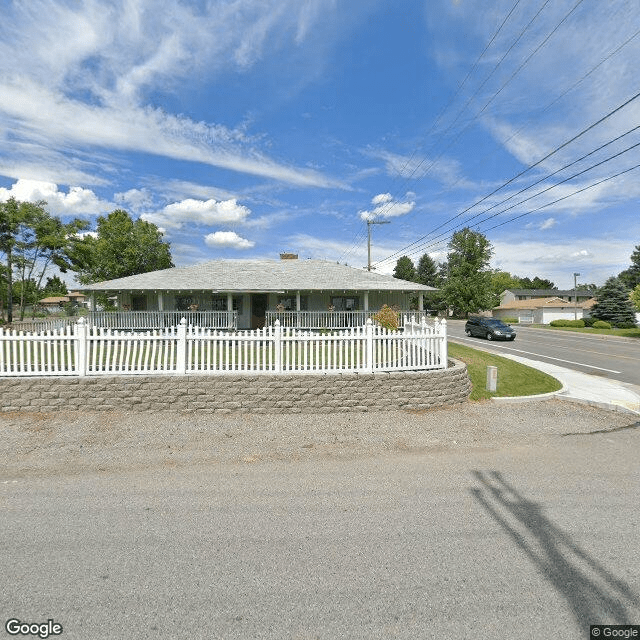
13021 E Valleyway Ave, Spokane Valley, WA 99216
To contact a resident: (509) 868-1246
For more information about senior living options: (866) 208-4318
Overall Review of At Home AFH, Inc
Pros
 Ayanna Adult Family Home treats residents like family in a warm, welcoming environment.
- The home features highly attentive caregivers and personalized care plans, helping residents feel safe, respected, and valued each day.
- It offers delicious home-cooked meals and engaging daily activities designed to support well-being and dignity.
- It is a trusted choice for quality care with a personal touch.
- The home is a family-run operation that prioritizes residents' safety, care, and well-being.
Review
Ayanna Adult Family Home, operated by At Home AFH, Inc, in Spokane Valley, WA, is best suited for seniors who crave a warm, home-like environment where caregivers know residents well and daily routines feel personal. The reviews depict a setting where residents are treated like family, with highly attentive caregivers and individualized care plans that emphasize safety, dignity, and belonging. For families seeking meals that feel like home, meaningful daily activities, and a calm, respectful pace of life, this option stands out. It is less appropriate for residents who require high levels of clinical oversight or specialized memory-care programming.
The core strengths lie in the human touch permeating daily life. Residents benefit from a genuinely welcoming atmosphere and a sense of being cared for as individuals. Caregivers are described as highly attentive, with personalized care plans that adapt to evolving needs. Home-cooked meals and thoughtfully designed activities support wellbeing and dignity, reinforcing consistent routines and social connection. Those elements, strong relationships, tailored plans, and a comforting environment, translate into reliable everyday safety and emotional reassurance for families seeking a trustworthy, relationship-centered option.
A family-run orientation reinforces straightforward, proactive communication. Prioritizing safety and well-being creates a practical, no-nonsense cadence, predictable schedules, steady monitoring, and the ability to adjust quickly when a resident’s condition shifts. The intimate setting also helps caregivers notice subtle changes in health or mood sooner than larger facilities might, while the shorter lines of communication can yield faster decisions. This approach cultivates trust with families and fosters continuity of care in a way that can be difficult to achieve at bigger campuses.
Still, the intimate, home-based model carries trade-offs. The range of on-site medical services tends to be narrower than in larger assisted living communities, and specialized memory-care resources may be limited. Staffing, while generally attentive, can vary with turnover, which can affect consistency over time. Transportation options, on-site therapies, and weekend programming may be more constrained than those offered by bigger operators. Privacy considerations, often tied to more compact living arrangements, warrant careful inquiry about room configuration and resident needs before committing.
These pros offset the drawbacks in meaningful, practical ways. The personalized care plan and constant caregiver presence deliver a quality of daily life that vast campuses sometimes struggle to match. Flexible meal preparation and activity schedules align with individual preferences, reducing stress and enhancing life satisfaction. When medical complexity arises, it remains possible to coordinate with external clinicians, preserving continuity of care without surrendering the advantages of a home-like environment. In short, for residents who prize intimacy, trust, and daily warmth, the benefits can outweigh the limits of service breadth.
For families weighing Spokane Valley options, Ayanna Adult Family Home stands out for seniors who value personal attention, warmth, and dignity over a click‑through menu of services. If a resident thrives on predictable routines, meaningful interactions, and a setting that feels like home, this community is a strong match. Those seeking robust acute medical oversight, highly specialized memory-care programming, or expansive on-site therapy and transportation networks should consider alternatives, larger assisted-living communities or facilities with dedicated memory-care wings. Prospective plans should include visits, discussions about caregiver ratios and training, memory-care approaches, meal planning, and a potential trial period to confirm fit.
 Board and Care Home
 Memory Care
 Spokane International (14 miles away)

 An In-Depth Look at Reminiscence Therapy in Dementia Care
 Dementia-Related Hallucinations: Causes, Experiences, and Practical Approaches
 Illuminating Insights About Alzheimer's Disease: Ten Crucial Realities