
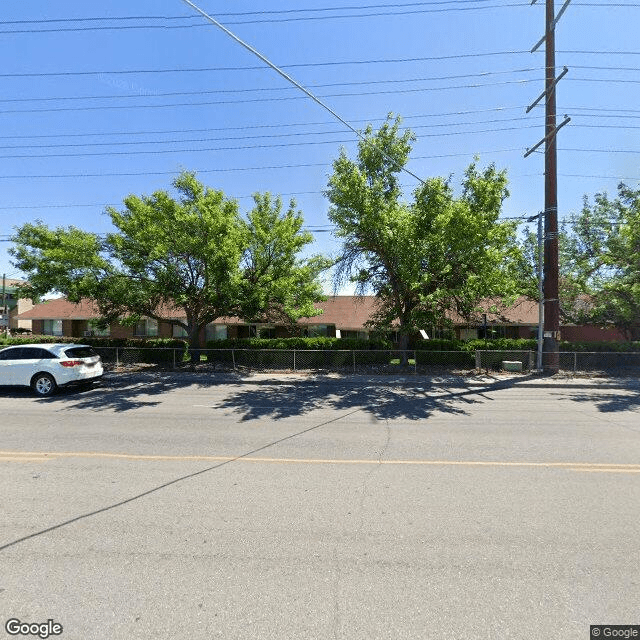
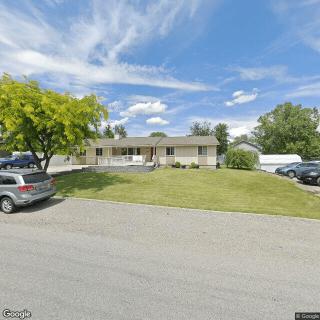
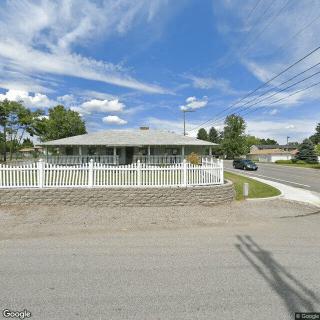
512 N Pines Rd, Spokane, WA 99206
To contact a resident: (509) 926-2575
For more information about senior living options: (866) 208-4318
Overall Review of Pines Village Retirement Apts
Pros
 It is described as a good place by one reviewer.
- The review notes that it is a good place.
- Some readers consider the complex a good place.
Cons
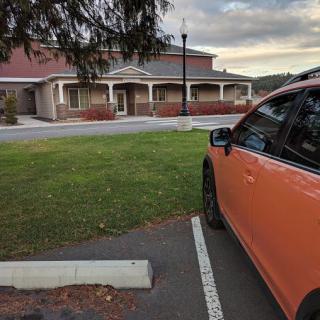
 There is no visitor parking.
- Residents report ongoing trouble from the management company.
- A tenant alleges someone entered her apartment, ate her food, and left the TV on while she was away.
- The grounds are poorly maintained; only the lawn is kept; bushes are overgrown; tenants must clear ice and snow from walkways, leading to several falls and injuries; management denies responsibility.
- Privacy is invaded due to frequent inspections.
- Restrooms in the community center are closed after 5pm, forcing residents and guests to use other residents' facilities during events.
- Parking is consistently insufficient, and management takes spaces closer to offices and residences.
- A community center was converted into offices, and grants for improvements are spent without visible benefits to residents.
- The complex is described as unsafe for elderly or disabled residents, with reports of theft, drugs, and homeless people on the grounds.
Review
Pines Village Retirement Apts in Spokane is best suited for extremely price-sensitive seniors or disabled adults who need simple, apartment-style living and can tolerate a management environment that is inconsistent at best. The affordability is tempting, but it comes with a heavy caveat: residents contend with frequent concerns about privacy, access, and accountability. This is not a turnkey, service-rich setting; it requires tenants to endure managerial turnover, limited responsiveness, and a sense that safety and upkeep are not reliably prioritized. Families considering Pines Village should enter with the mindset that the financial advantage may come at the cost of predictable, respectful management and dependable maintenance.
Those who should seriously consider alternatives are families prioritizing safety, transparent operations, and on-site accountability. The cons described by residents, unreliable maintenance, intrusive privacy practices, and disputes over liability for common-sense protections, make this community risky for anyone who depends on timely repairs or clear policies. If a resident values robust visitor parking, easy access to shared facilities, and consistent, respectful communication from management, Pines Village is unlikely to meet those expectations. For seniors who require reliable security and proactive problem-solving, exploring other options will almost certainly yield a more predictable living experience.
The core positive hook here, affordability, does not meaningfully offset the major drawbacks. The low rent is offset only if basic safety, privacy, and predictable upkeep can be taken for granted; in reality, frequent complaints center on frozen sidewalks in winter, uneven grounds maintenance, and tenants bearing the burden of snow and ice clearing from their doors to the main walkway. When falls occurred and management refused or delayed accountability, that cost becomes personal and tangible. Similarly, the lack of predictable repairs, combined with intrusive inspections and disputed access to communal spaces, undercuts any perceived financial benefit. In short, cost does not compensate for the material risk to daily living.
The landscape of risks is corroborated by several recurring themes: winter conditions that create hazardous walking paths, insufficient on-site parking for residents and visitors, and a perceived shift of space and resources toward management offices rather than resident-centered improvements. Reports of privacy invasions and control over personal space, coupled with alleged misallocation of grants or attention away from resident needs, paint a picture of governance that feels misaligned with the expectations of seniors and disabled residents. The presence of outsiders near grounds, concerns about theft or drug activity, and occasional disruptions to routine community functions further erode a sense of security. These are not minor irritants; they shape daily life and long-term willingness to stay.
Prospective residents should demand concrete, written assurances before signing anything: a clear maintenance response timeline, a transparent visitor parking policy, a plan for snow and ice removal that protects residents from liability, and a documented privacy policy that limits access to personal living spaces. Tour the property with an eye for common-area upkeep, the condition of doors and locks, and the reliability of restrooms and community-center access. Speak with multiple current residents about responsiveness, and request copies of recent service requests and how management has addressed them. If the ownership or management group is hard to reach or evasive about reforms, that is a red flag to walk away or proceed only with strict, enforceable protections in place.
In the end, Pines Village Retirement Apts is not a strong match for families seeking stable safety, privacy, and consistent, empathetic management. The price may draw attention, but the cumulative concerns, privacy invasions, maintenance delays, winter hazards, and questions about accountability, create a living environment that feels precarious for long-term residency. If price is non-negotiable, proceed with extreme due diligence: insist on formal agreements, verified response times, and a live, positive track record from current residents. Otherwise, prioritize communities with proven stability, proactive governance, and a proven commitment to resident well-being.
 Independent Living
 Spokane International (14 miles away)

 Understanding Hospice Care at Home: Comprehensive Services, Key Benefits, and Eligibility
 Understanding the Full Cost of 24/7 In-Home Care: A Detailed Overview
 Exploring the World of Home Health Nurses: Qualifications, Roles, and Hiring Tips