
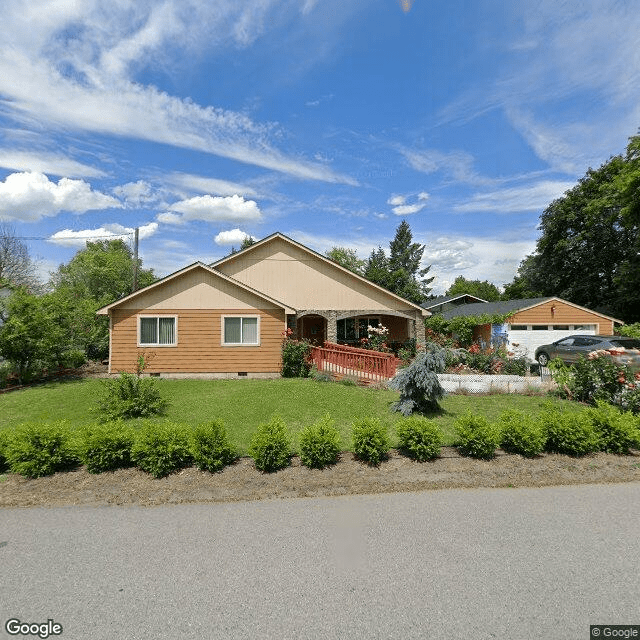
12417 E Valley Way Ave, Spokane Valley, WA 99216
To contact a resident: (509) 263-3748
For more information about senior living options: (866) 208-4318
Sweet Valley Place Costs & Pricing
Sweet Valley Place offers a premium living experience, with monthly costs for a private room set at $7,000. This pricing is significantly higher than the average rates in Spokane County, which stands at $4,111, and even more so compared to Washington State's average of $4,772. The elevated cost at Sweet Valley Place reflects its commitment to providing exceptional amenities, personalized care, and a supportive community environment that fosters quality of life for its residents. While the investment may be substantial compared to regional benchmarks, many families find that the enhanced services and tailored offerings justify this difference in price.
| Floor plans | Sweet Valley Place | Spokane County | Washington |
|---|---|---|---|
| Private | $7,000 | $4,111 | $4,774 |
Senior living communities with a similar price nearby
-
from -$1000 / mo

Providence Adult Family Home
$6,000 / month11.2 miles away -
from -$800 / mo
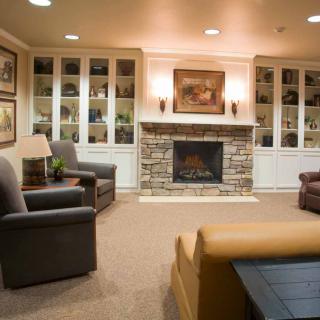
Creekside Inn Memory Care Community
$6,200 to $7,800 / month21.5 miles away -
from -$1015 / mo
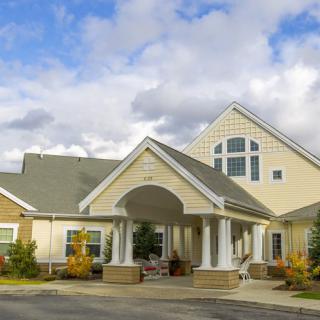
Brookdale Nine Mile
$5,985 to $8,325 / month12.4 miles away -
from -$1200 / mo
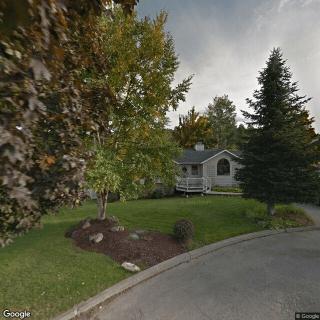
Home Share HealthCare
$5,800 to $6,000 / month5.9 miles away -
from -$1300 / mo
Aspen Quality Care
$5,700 to $6,900 / month9.9 miles away
Overall Review of Sweet Valley Place
Pros
 The sister is happier since moving to Sweet Valley Place.
- The owner and main caregiver is loving and caring.
- The sister receives more personal attention, more conversation, and more visitors there than at her former residence.
- She has had no falls at Sweet Valley Place.
- She seldom complains of pain since the move.
- Life is simpler and less stressful there.
Cons
 There is no menu choice for residents; meals are fixed and lack variety.
- The owner and staff speak English as a second language, making it hard for residents to understand conversations.
- The facility is understaffed and lacks a backup plan for vacations or absences, forcing the owner to work 24/7, which is not good for anyone.
Review
Sweet Valley Place in Spokane Valley is best suited for a senior who thrives in a small, home-like setting where personal attention from a hands-on caregiver is the core of daily life. This community shines for families seeking intimate, relationship-driven care with ready access to the owner and primary caregiver, and for residents who value frequent conversation, social visits, and a simpler, less institutional routine. The setting tends to reduce stress and physical discomfort by offering a calm environment, strong eye-to-eye care, and a safety net that minimizes falls, an outcome particularly meaningful for someone coming from a larger facility with higher incident rates. In short, this is a facility for residents who flourish on closeness, consistency, and accessible familial-style caregiving.
Those considering alternatives should note the deal-breakers that may clash with their priorities. If a resident requires regular, chef-driven meals with clear menu options and predictable dietary choices, Sweet Valley Place may feel restrictive. For families whose loved one cannot follow conversations easily or benefits from fluent, multi-language staff dynamics beyond a simple caregiver’s comfort level, the communication gap can become a real hurdle. Additionally, the home-like model comes with occasional staffing gaps, and there is no formal backup plan for when a caregiver is off shift; the owner often steps in, which, while reassuring in the moment, is not a scalable staffing model and can impact long-term consistency and sustainability.
The strongest positives at Sweet Valley Place, personal attention, frequent social interaction, and a visible, caring leadership presence, offset several drawbacks for the right resident. The owner’s warmth translates into meaningful conversations, higher engagement, and more visitors, all of which contribute to improved mood and fewer pain complaints. The direct care relationship helps mitigate movement toward isolation and can cut down on falls, a notable improvement for someone previously vulnerable in a larger setting. The downside, limited menu choices and a home-style lack of formal dining, becomes less critical when the resident values companionship and routine over culinary variety. The informality can feel restorative rather than restrictive for a person who thrives on consistency and familiar faces.
Yet the gaps cannot be ignored, especially over the long term. When English is a second language for the primary caregiver and staff, miscommunications become more likely for residents who struggle with conversation or who rely on precise instructions for safety and daily activities. That dynamic is tempered by the time the owner spends directly with residents, but it remains a risk factor for ongoing clarity and comfort. Understaffing, with no reliable backup plan, threatens continuity of care during vacations or sick days. The owner stepping in around the clock is a practical stopgap, but it signals a vulnerability in the care model if demand grows or if personal capacity becomes stretched. For families weighing options, this trade-off between intimate attention and systemic staffing reliability must be weighed seriously.
From a decision-making standpoint, potential residents should map priorities against the realities on the ground. If the priority is a highly engaged, family-like atmosphere where the caregiver knows the resident’s history and preferences, Sweet Valley Place offers compelling value. It is essential, however, to probe whether the resident will tolerate limited dining options, whether language barriers could impede critical communication, and whether an alternative plan is in place for staffing continuity during vacations or absences. Prospective families should request a detailed staffing schedule, a tour that tests communication clarity with staff, and a discussion of meal planning options to determine if any flexibility exists. References or visits to similar-sized homes can also illuminate how well this model scales to longer-term needs.
In the end, Sweet Valley Place represents a thoughtful, practical choice for residents who prioritize connection, low-stress living, and visible caregiver dedication over culinary variety and formalized staffing structures. It is well-matched to seniors who respond positively to a small, intimate community where the owner is deeply engaged and cares for each resident like family. Those who require robust, English-clear communication, dynamic programming, and a structured, menu-driven dining plan should sensibly explore alternatives. For the right person, the trade-offs yield a markedly better sense of belonging and safety than larger, more impersonal facilities. A focused visit with concrete questions about meals, language support, and staffing backups will seal whether this is the best fit.
 Board and Care Home
 Activities on-site
 Indoor common areas
 Outdoor common areas
 Private
 Wheelchair accessible showers
 Spokane International (14 miles away)
 Diabetic care
 Incontinence care
 Medication management
 Meals provided
 BBQs or picnics
 Birthday parties

 Encouraging Participation in Adult Day Care: A Guide to Supporting a Hesitant Parent
 Comprehensive Exploration of Living Wills and Other Advance Directives
 A Detailed Exploration of Living Wills and Advance Directives