
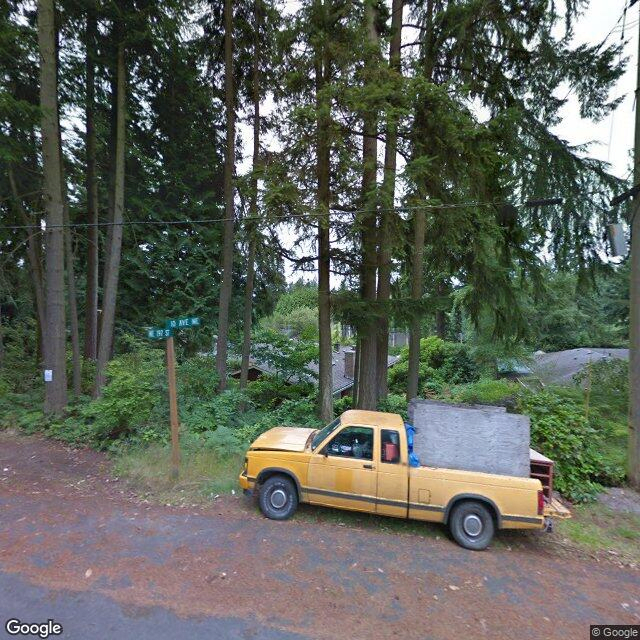
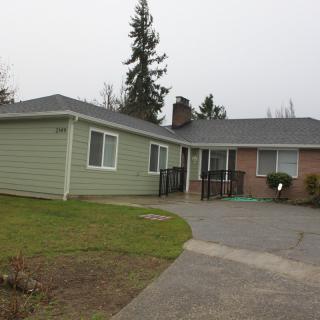
19605 10th Ave NE 425-774-3120homefx, Shoreline, WA 98155
To contact a resident: (206) 234-1361
For more information about senior living options: (866) 208-4318
For Senior's Sake, Inc. II Costs & Pricing
For Senior's Sake, Inc. II offers competitive pricing for their accommodation options compared to the broader market in King County and throughout Washington State. Both private rooms and studios are priced at $3,000 per month, significantly lower than the county average of $5,034 for private spaces and $4,464 for studios. This places For Senior's Sake in a strong position, as it provides high-quality care at an affordable rate, making it an appealing choice for families seeking senior living solutions in a region where costs can be prohibitively expensive. Overall, the pricing reflects a commitment to making care accessible without compromising on quality.
| Floor plans | For Senior's Sake, Inc. II | King County | Washington |
|---|---|---|---|
| Private | $3,000 | $5,034 | $4,774 |
| Studio | $3,000 | $4,464 | $4,128 |
Memory care communities with a similar price nearby
-
from +$500 / mo
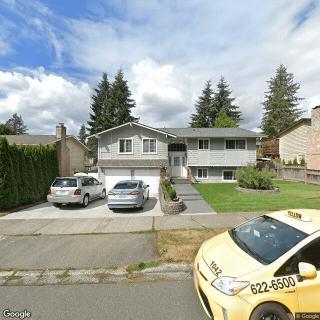
Dignity Life
$3,500 / month7.2 miles away -
from +$375 / mo
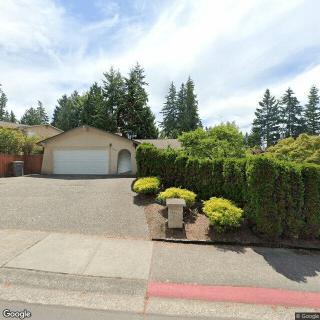
Evergreen Manor Senior Care Inc
$3,375 to $7,500 / month8.7 miles away -
About the same
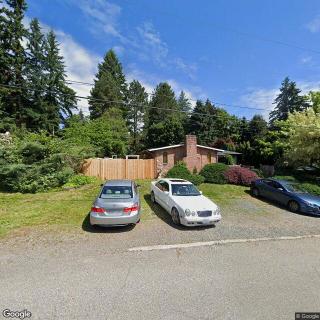
Caring Adult Family Home #1
$3,000 / month5.7 miles away -
from -$500 / mo
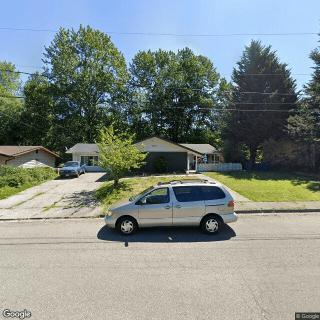
Freedom Care
$2,500 to $3,000 / month22.9 miles away -
from -$500 / mo
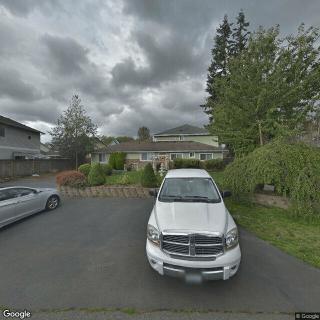
Silver Pond AFH
$2,500 to $3,500 / month9.7 miles away
Overall Review of For Senior's Sake, Inc. II
Pros
 The staff are caring and compassionate.
- The place proves how nice senior living facilities can be.
- It provides reassurance that loved ones will be cared for in the same caring way.
- The people at For Senior’s Sake are fantastic.
- The community is oriented around younger, more cognizant residents.
Cons
 The rooms were a little smaller here than in other places.
- Her mother didn’t get along with the main caregiver.
- They ended up choosing another community because she would feel more comfortable there.
Review
For Senior's Sake, Inc. II in Shoreline is best suited for families who prize a caregiving-first environment where staff warmth and reliability become the deciding factors in a placement. This community shines for residents who respond well to close supervision, daily personal attention, and a friendly, family-like culture. It suits families willing to accept a smaller living footprint in exchange for consistent, hands-on care and a sense that caregivers genuinely know the resident’s routine, preferences, and needs. The work of caring for aging loved ones is real here, and the reviews point to a stability and compassion that translate into practical peace of mind for relatives who want to trust the daily caregiving over flashy amenities.
The core strengths are concrete and repeatable: staff described as fantastic, caring, and compassionate, with a palpable sense that residents are treated as people first. One family member notes the care persisted even after ownership changes, which is a meaningful signal about operational consistency and a culture that prioritizes the resident’s well-being over transitions. Families are not promises-makers but witnesses to caregivers who show up with patience, attentiveness, and a readiness to respond to daily challenges. This kind of relational security can offset a lot of the anxiety that accompanies broader market options, especially for long-term placements where trust matters as much as routine.
Yet the positives come with notable trade-offs. Two reviewers flag that rooms are smaller than what might be found elsewhere, a practical constraint for those who value more space for mobility aids, personal belongings, or family visits that want a bit more breathing room. A separate but real concern is caregiver compatibility; one family member found the main caregiver not a good fit for their loved one, prompting a search for an alternative environment where comfort and rapport could be rebuilt. The repetition of these points in the feedback underscores that while the staff may be excellent, the match between resident and specific caregiver, and the physical size of living quarters, can meaningfully influence satisfaction and daily experience.
When weighing pros against cons, the strongest asset, caregiver warmth and reliability, often carries the day for families prioritizing daily quality of life and emotional security. The intimate, people-centered culture helps residents feel seen, heard, and supported, which can translate into steadier routines, fewer behavioral triggers, and more timely assistance. That relational edge does not erase the impact of smaller rooms or potential caregiver mismatches, but it can mitigate them if the resident’s daily happiness hinges on meaningful interactions and dependable response times. In practical terms, families should view this as a value proposition: the care quality can compensate for space limitations, but only if the resident is comfortable with the environment’s footprint and is matched with a compatible caregiver.
This community is particularly well-suited for families seeking a warm, dependable place where compassion is not negotiable and where ownership transitions do not derail daily care. It works for residents who adapt to a more intimate housing footprint and who prioritize continuity and personal connection over the bells-and-whistles of larger facilities. Prospective residents should assess whether the vibe and routines align with the elder’s personality, health needs, and preferred pace of life. If a resident thrives on personal interactions, consistent caregivers, and a stable caregiving team, For Senior's Sake, Inc. II offers tangible value that can translate into months and years of comfortable, well-supported living.
For those who should consider alternatives, the decision hinges on two non-negotiables: ample personal space and a caregiver dynamic that fits perfectly. Families should explore other communities offering larger rooms or private accommodations, especially if mobility devices and storage capacity are critical, or if there is a strong preference for a caregiver whose style matches an especially exacting routine. Additionally, if a resident benefits from a quieter, more traditional senior environment with less emphasis on a younger, more cognitively engaged community vibe, another option may better align with long-term goals. Diligent tours focused on room dimensions, a caregiver introduction, and a clear plan for ongoing compatibility will reveal whether the fit is right or if alternatives will deliver greater overall satisfaction.
 Board and Care Home
 Memory Care
 Private
 Seattle-Tacoma International (22 miles away)
 Diabetic care
 High acuity care
 22 Remarkable Caregiver Support Groups Available Online and In-Person
 Understanding Medicaid Coverage for Assisted Living: A Comprehensive Guide
 How and When Medicaid May Cover Assisted Living Costs