
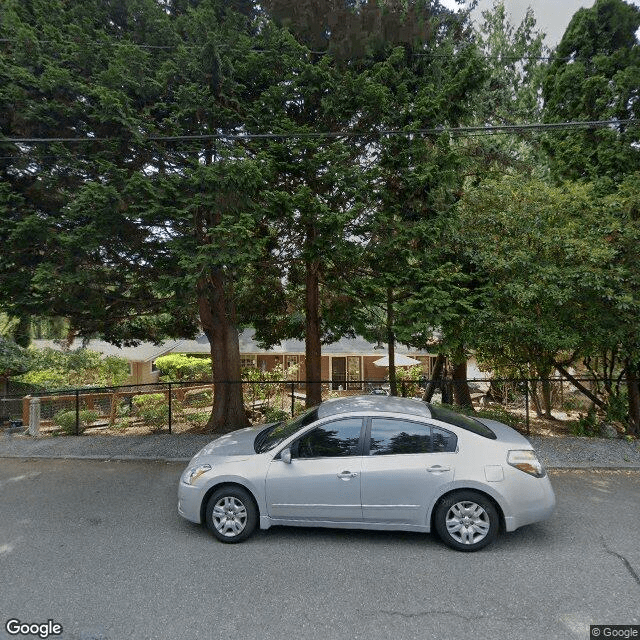
20157 6th Ave. NE, Shoreline, WA 98155
To contact a resident: (206) 234-1361
For more information about senior living options: (866) 208-4318
For Senior's Sake, Inc. I Costs & Pricing
For Senior's Sake, Inc. I offers competitive pricing for its private and studio rooms, with both room types priced at $3,000 per month. This cost positions the facility well below the average rates found in King County, where the monthly fees for similar accommodations reach $5,034 for private rooms and $4,464 for studios. Additionally, when compared to broader state averages in Washington - $4,772 for private rooms and $4,126 for studios - For Senior's Sake, Inc. I provides significant savings while maintaining a commitment to quality care and comfortable living environments tailored to meet the needs of seniors. This strategic pricing ensures accessibility without compromising on service or amenities.
| Floor plans | For Senior's Sake, Inc. I | King County | Washington |
|---|---|---|---|
| Private | $3,000 | $5,034 | $4,774 |
| Studio | $3,000 | $4,464 | $4,128 |
Memory care communities with a similar price nearby
-
from +$500 / mo
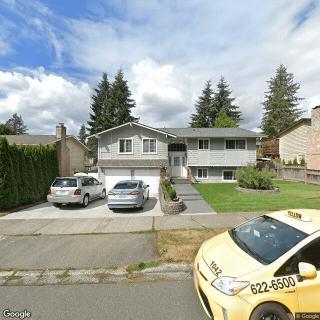
Dignity Life
$3,500 / month7.1 miles away -
from +$375 / mo
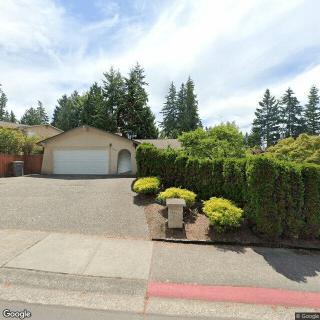
Evergreen Manor Senior Care Inc
$3,375 to $7,500 / month9.1 miles away -
About the same
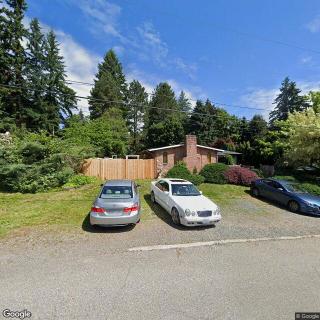
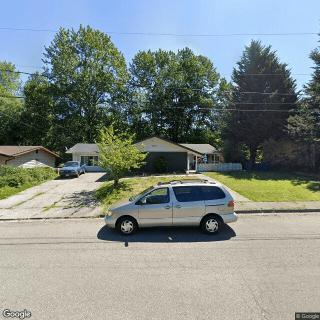
Caring Adult Family Home #1
$3,000 / month5.9 miles away -
from -$500 / mo
Freedom Care
$2,500 to $3,000 / month23.3 miles away -
from -$500 / mo
Silver Pond AFH
$2,500 to $3,500 / month9.4 miles away
Overall Review of For Senior's Sake, Inc. I
Pros
 The staff here are caring and compassionate.
- The care here is exceptional and beyond what families could ask for.
- This place demonstrates how nice elder-care facilities can be.
- Families can trust that the facility will care for their loved ones as they would for their own family.
- For loved ones in need, families should consider this facility.
Cons
 There are nightmarish stories about old age homes.
Review
Who this community is best suited for: For Senior's Sake, Inc. I in Shoreline, Washington, is best for families seeking a warm, relationship‑driven assisted living where caregivers are consistently described as caring and compassionate. The most meaningful takeaway is that staff treat residents as individuals, delivering steady day‑to‑day kindness that helps families breathe easier about a loved one’s daily life. The narrative here isn’t about flashy amenities but about trust built through reliable, attentive care, a quality that persists even after ownership changes. This is a community that appeals to families who want their relative to be known, greeted, and supported each day, with a sense of continuity despite the occasional shift in leadership.
Those who may want to consider alternatives are families whose loved one requires more intensive medical oversight, specialized memory care, or access to a broader continuum of on‑site clinical services. If a resident’s needs trend toward complex nursing care, frequent rehabilitation, or highly structured medical management, a setting with a larger clinical footprint might be a better fit. Additionally, families prioritizing predictable governance and long‑term stability may wish to compare communities with longer, documented ownership histories and transparent governance practices to minimize any perceived governance risk.
Key advantages center on the human side of care. The standout message is consistent: staff are compassionate and dedicated, a trait that can offset concerns about ownership transitions and the risk of impersonal routines. Trust is built when caregivers know residents, remember preferences, and respond with warmth. In a market where families often fear impersonal care, this community’s strongest asset is the quality of interpersonal engagement. While amenities or campus size may be modest, the emotional safety net it provides often trumps those tangibles for families seeking dignity, dignity that translates into daily life and daily reassurance for a loved one.
Potential caveats deserve careful scrutiny during tours and due diligence. The small number of public reviews means the data set is limited, and long‑term consistency across staff and leadership cannot be assumed from a handful of anecdotes. Prospective families should inquire about staff‑to‑resident ratios, turnover rates, how changes in ownership are managed, and what guarantees exist for continuity of care. Observing interactions firsthand, meeting frontline caregivers, and requesting reference calls from current families can reveal whether the warmth translates into reliable routines, predictable schedules, and accessible escalation when concerns arise.
From a decision‑maker’s viewpoint, this community is a strong fit for households prioritizing trust, compassion, and daily human connection over high‑end amenities or aggressive medical programming. The trade‑off, if any, is the lack of explicit information about medical depth and a documented continuity plan during ownership transitions. If those capabilities are nonnegotiable, alternatives with a proven clinical footprint should be pursued. If warmth, person‑centered care, and a genuine sense of community top the list, this setting deserves serious consideration as a viable, practical option.
Bottom line: for families valuing staff who consistently demonstrate care, respect, and genuine concern for a resident’s daily lived experience, this Shoreline option stands out as a practical, credible choice. It offers a strong emotional safety net and a credible path to trust, qualities that often determine the day‑to‑day quality of life more than glossy brochures. Prospective residents should verify alignment on care expectations, governance clarity, and the availability of needed services during a visit, then decide whether the environment aligns with the resident’s personality, routines, and medical needs. When matched with realistic expectations, this community can deliver meaningful peace of mind.
 Board and Care Home
 Memory Care
 Private
 Seattle-Tacoma International (23 miles away)
 Diabetic care
 High acuity care




 Choosing the Right Senior Care: A Detailed Exploration of Assisted Living and Nursing Homes
 Safeguarding Your Memory Through the Golden Years: Eight Ways to Preserve Cognitive Health
 Comprehensive Insights into Activities of Daily Living (ADLs) and Their Assessment