

1835 N. 200th Street, Shoreline, WA 98133
To contact a resident: (206) 546-2333
For more information about senior living options: (866) 208-4318
Genesis Home Care AFH, LLC Costs & Pricing
Genesis Home Care AFH, LLC offers a range of monthly care services that reflect a premium pricing model in comparison to the broader market averages for both King County and the state of Washington. For semi-private accommodations, residents are charged $8,000 per month, which significantly exceeds the county average of $4,430 and the state average of $4,267. Likewise, for private rooms, the cost stands at $10,000, again surpassing King County's average of $5,034 and the state's average of $4,772. This pricing indicates that Genesis Home Care AFH may provide enhanced services or amenities relative to other facilities; however, prospective clients should carefully consider their budget and specific care needs when evaluating this option against local alternatives.
| Floor plans | Genesis Home Care AFH, LLC | King County | Washington |
|---|---|---|---|
| Semi-Private | $8,000 | $4,430 | $4,272 |
| Private | $10,000 | $5,034 | $4,774 |
Senior living communities with a similar price nearby
-
from -$1500 / mo

The Promised Land
$6,500 / month4.7 miles away -
About the same
Grace Senior Care of Issaquah
$8,000 / month21.2 miles away -
About the same
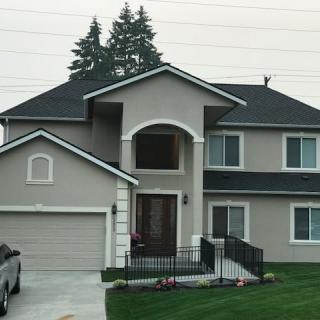
Golden Cottage AFH, Inc
$8,000 / month8.2 miles away -
About the same
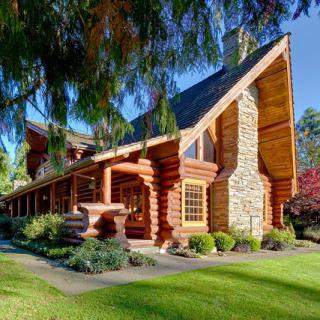
Caring Cabin Manager, LLC
$7,900 to $9,000 / month7.1 miles away -
from +$500 / mo

Blue Haven
$8,500 / month23.5 miles away
Overall Review of Genesis Home Care AFH, LLC
Pros
 The facility is described as wonderful, inviting, and clean, with air conditioning and an air filtering system.
- Ted, TG, and the staff are very compassionate and responsive to residents’ needs.
- The staff provide thoughtful, personalized care, including foot care and special meal requests.
- The home features state-of-the-art facilities and maintains a clean, pleasant ambiance.
- The caretakers are accommodating and respectful toward residents and visitors.
- The home is portrayed as a place where loved ones will be happy and well cared for.
Review
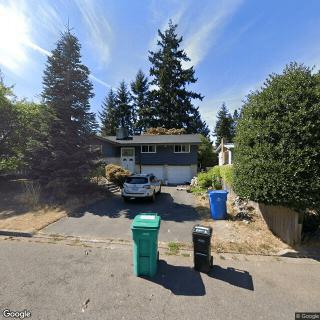
Genesis Home Care AFH, LLC in Shoreline is best suited for families seeking a truly intimate, home-like alternative to a large assisted living campus. This community excels when a senior benefits from direct, hands-on attention in a small, clean setting where caregivers know residents by name and respond quickly to every need. It is particularly well suited for residents who thrive on a predictable routine, where staff available on-site carry medical capabilities and can provide personalized care without the bustle of a bigger facility. The model works best for those who value warmth, accessibility, and a setting that feels like a well-run private home rather than a manufactured lifecare environment.
Those with more demanding or specialized medical requirements may want to consider alternatives. Families needing extensive on-site medical programming, a broad schedule of campus activities, or 24/7 skilled nursing oversight on every shift may find that larger assisted living or memory care options better fit those needs. If a higher level of medical complexity, frequent nurse-led interventions, or a robust, structured activity calendar is essential, it is prudent to compare staffing depth, hours of RN coverage, and available on-site specialty services across several communities before deciding.
From the available reviews, the strongest advantages are evident in facility quality and care attentiveness. The home’s cleanliness and ambiance are repeatedly described as outstanding, with modern touches such as air conditioning and an air filtration system contributing to comfort and health. The care team is depicted as compassionate and very responsive, capable of meeting both routine and unusual requests with genuine attention. When residents crave a specific meal or require a comforting, hands-on touch, like careful foot care after a diabetes-related issue, the staff responds in a thoughtful, timely way. Such attentiveness translates into a sense of security for families, knowing that caregivers are watching closely and acting with empathy.
These strengths do more than create a pleasant environment; they fundamentally offset some of the trade-offs associated with a smaller, family-run home. The presence of a medical-capable staff, together with a clean, modern setting, helps ensure that health needs are addressed without lengthy delays or bureaucratic hurdles. The personal attention from a tightly knit team typically means more immediate communication with families, faster adjustments to care plans, and a proactive stance on comfort, nutrition, and daily routines. In short, the pros, personalized care, responsive staff, and a high-quality living environment, counterbalance the likelihood of more limited programming and fewer on-site specialists than in larger communities.
However, the trade-offs are worth weighing carefully. A smaller AFH format inherently means fewer built-in activities, a narrower network of visiting professionals, and less breadth in programming than a campus-style facility. If social variety, organized outings, or a wide array of on-site amenities are priorities, this community may seem less robust in those areas. Prospective families should also confirm how care coordination is managed, what happens after hours, and how readily the team can mobilize additional services if a resident’s medical needs escalate. Family involvement tends to be more central in AFHs, which is a benefit for many, but may require a more active role in planning and oversight than larger communities.
In the end, Genesis Home Care AFH, LLC offers a compelling value proposition for seniors who prize intimate, attentive care within a clean, comfortable home setting, supported by a capable care team. The combination of a well-run environment, compassionate responsiveness, and practical medical oversight tends to translate into meaningful peace of mind for families navigating daily care decisions. For families evaluating options, the next steps are clear: arrange a visit, probe staff-to-resident ratios and RN availability, verify after-hours procedures, and compare pricing and contract terms across candidates. If the priority is a warm, responsive home environment where care feels customized and immediate, this community stands out as a prudent, well-considered choice.
 Board and Care Home
 Activities off-site
 Bath tubs
 Devotional services off-site
 Indoor common areas
 Outdoor common areas
 Private
 Private bathrooms
 Respite or short term stays offered
 Seattle-Tacoma International (22 miles away)
 Ambulatory care
 High acuity care
 Incontinence care
 Medication management
 Meals provided
 Christian services


 Understanding the Sandwich Generation: Stress and Responsibilities for Multigenerational Caregivers
 8 Essential Assistive Devices for Older Adults
 Navigating the Financial Road to Nursing Home Care: In-Depth Guidance and Resources