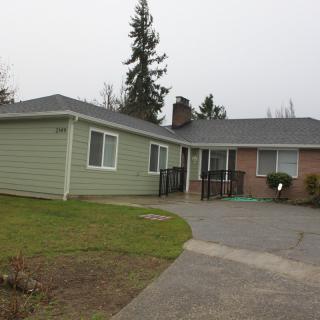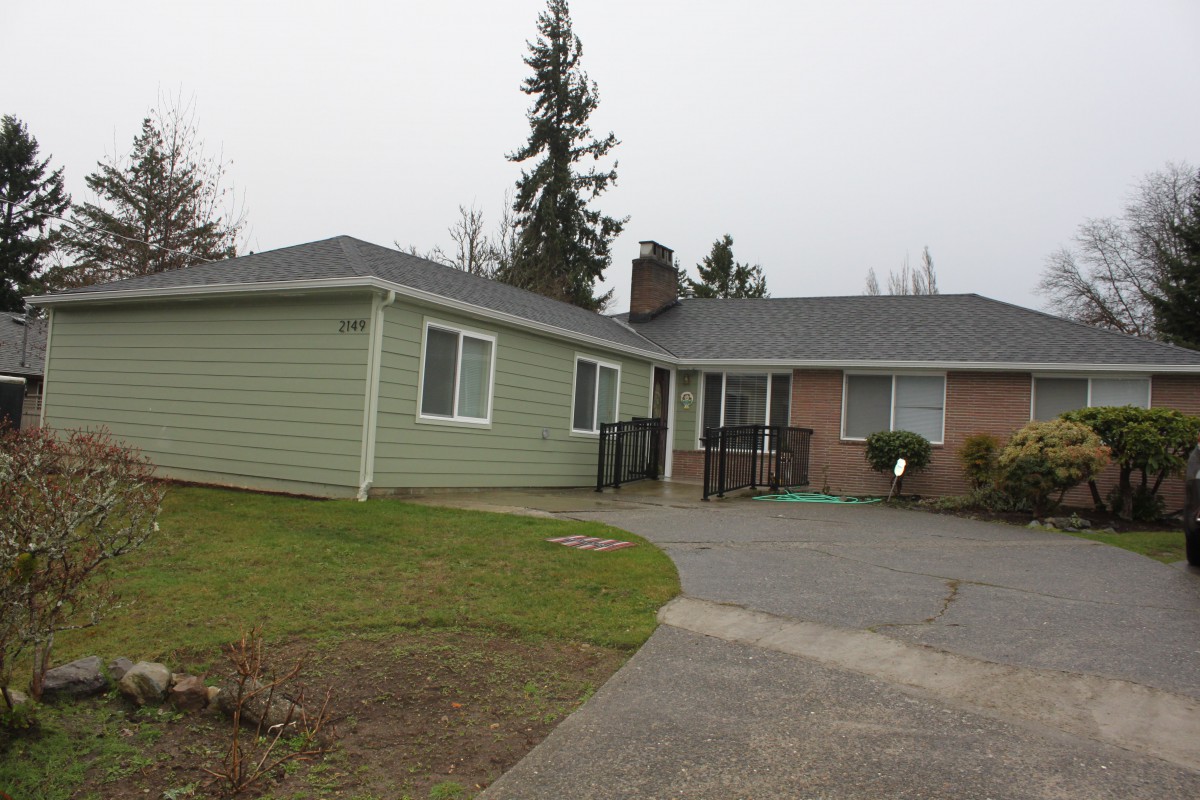
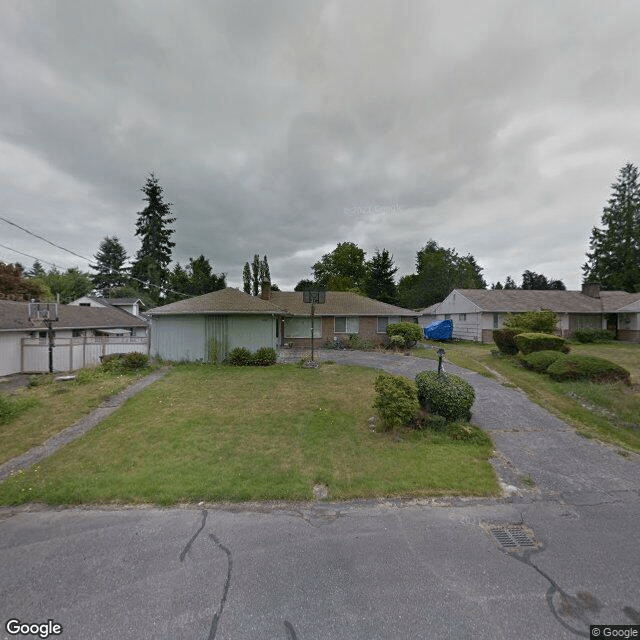
2149 North 194th Street, Shoreline, WA 98133
To contact a resident: (425) 241-6340
For more information about senior living options: (866) 208-4318
Echo Lake Adult Family Home Costs & Pricing
Echo Lake Adult Family Home offers competitive pricing for its services, with both studio and private room options priced at $5,000 per month. This cost aligns closely with the average rates in King County, where similar accommodations range from approximately $4,464 for a studio to about $5,034 for a private room. When compared to the broader state average in Washington, which sees studio costs around $4,126 and private rooms at approximately $4,772, Echo Lake's pricing reflects a premium that may be justified by the quality of care and amenities provided. Overall, while Echo Lake Adult Family Home is positioned at the higher end of the market within its region, prospective residents can expect personalized service that may enhance their living experience.
| Floor plans | Echo Lake Adult Family Home | King County | Washington |
|---|---|---|---|
| Studio | $5,000 | $4,464 | $4,128 |
| Private | $5,000 | $5,034 | $4,774 |
Memory care communities with a similar price nearby
-
from +$750 / mo
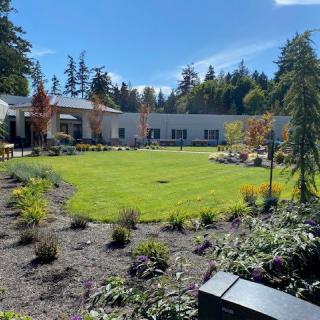
Fieldstone Rolling Bay and Fieldstone Memory Care
$5,750 to $8,895 / month10.8 miles away -
from -$500 / mo
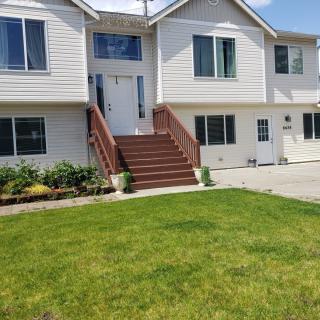
We Care Adult Family Home
$4,500 to $8,000 / month13.1 miles away -
from +$500 / mo

3 Tree Vista Adult Family Home, LLC
$5,500 / month21.4 miles away -
About the same
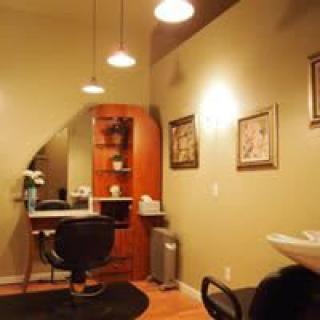
Abundant Life Lynnwood
$5,000 to $6,000 / month7.5 miles away -
from -$500 / mo
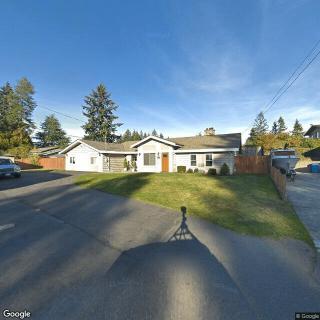
Happy Family Adult Family Home 2
$4,500 / month1.0 miles away
Overall Review of Echo Lake Adult Family Home
Pros
 The facility is a lovely adult family home that provides great care.
- The mother loves the high quality of care, appreciates the compassion she sees every day, and is grateful to be there.
- The care provided at the facility to residents and their companions is of high quality.
Review
Echo Lake Adult Family Home in Shoreline is best suited for families seeking an intimate, home-like setting where residents receive highly personalized care, steady daily companionship, and genuine staff engagement. This community shines for seniors who value warmth, consistent attention, and a small-scale environment over a bustling, larger facility. It fits well for those transitioning from a bigger assisted living arrangement who want a smoother adjustment and more visible caregiver investment in daily life. Those needing extensive on-site medical management, advanced rehabilitation services, or a wide calendar of specialized programming may want to consider alternatives with deeper clinical depth or broader activity offerings.
The strongest evidence points to care delivered with notable compassion and quality. Family members describe a staff that knows residents well, communicates with care, and creates a supportive atmosphere that feels more like a household than a dormitory. The mother’s transition from an ALF to this AFH is highlighted as a positive shift, with gratitude expressed for the high quality of care and the daily kindness shown. Observations from relatives reinforce the message that residents receive attentive, hands-on support and meaningful companionship from caregivers who appear dedicated to their well-being. In this setting, the sense of belonging is palpable and consistently reinforced by daily interactions.
Pros in this model tend to offset typical drawbacks associated with small, intimate homes. The intimate staff-to-resident ratio enables rapid responses to needs, stronger monitoring, and a steadier, more predictable routine that reduces confusion and anxiety for residents. Families note the ongoing compassion and personal attention as a direct benefit, helping residents feel secure, valued, and observed. This is the kind of environment where laundry lists of tasks are replaced by genuine exchanges, where caregivers anticipate needs, and where residents are treated as individuals with histories and preferences rather than as numbers. Yet, the small footprint means the facility may naturally offer fewer on-site amenities, fewer specialized programs, and limited access to medical resources compared with larger communities.
That said, families should anticipate who may want to consider alternatives. For residents requiring extensive medical oversight, complex wound care, high-level rehabilitation, or memory-care programming with structured, campus-wide activities, a larger organization with broader clinical capabilities could be a better fit. Echo Lake AFH’s strength, intimacy and compassionate care, may not translate into the most aggressive therapy schedules or the widest social calendar. In such cases, a move to a community with more comprehensive medical staff, more specialized memory-care protocols, or a broader activity continuum could better align with clinical needs and goals.
From a decision-making standpoint, the appropriate candidate is someone who thrives on routine, close-knit interaction, and dependable caregiver presence. Prospective families should verify caregiver consistency, review how daily routines are organized, and explore how residents participate in meals, activities, and social time within the home setting. It is prudent to ask about staffing patterns, nighttime coverage, and how transitions between care levels are managed if health needs evolve. A first-hand visit offers the clearest read on whether the “home” feel and the personal attention align with specific expectations for safety, engagement, and quality of life.
In the end, Echo Lake Adult Family Home presents a compelling choice for seniors who prize warmth, direct caregiver relationships, and a supportive, family-like atmosphere. For those whose priorities include robust clinical services, expansive programming, or highly specialized memory support, alternatives with larger clinical footprints may be more suitable. The right decision hinges on balancing the value of compassionate, individualized care against the desire for broader medical resources and program variety. A structured tour, candid conversations with staff, and a few days observing day-to-day life will reveal whether Echo Lake is the best fit or if another community better meets the anticipated trajectory of care.
 Board and Care Home
 Memory Care
 Activities off-site
 Cable or satellite TV
 Devotional services off-site
 Full kitchen
 Indoor common areas
 Outdoor common areas
 Private
 Private bathrooms
 Wheelchair accessible showers
 Wi-Fi/high-speed internet available
 Seattle-Tacoma International (22 miles away)
 Ambulatory care
 Diabetic care
 High acuity care
 Incontinence care
 Medication management
 Guest meals
 BBQs or picnics
 Birthday parties
 Guiding Your Journey: Understanding Power of Attorney for Elderly Parents
 22 Remarkable Caregiver Support Groups Available Online and In-Person
 Understanding Medicaid Coverage for Assisted Living: A Comprehensive Guide