
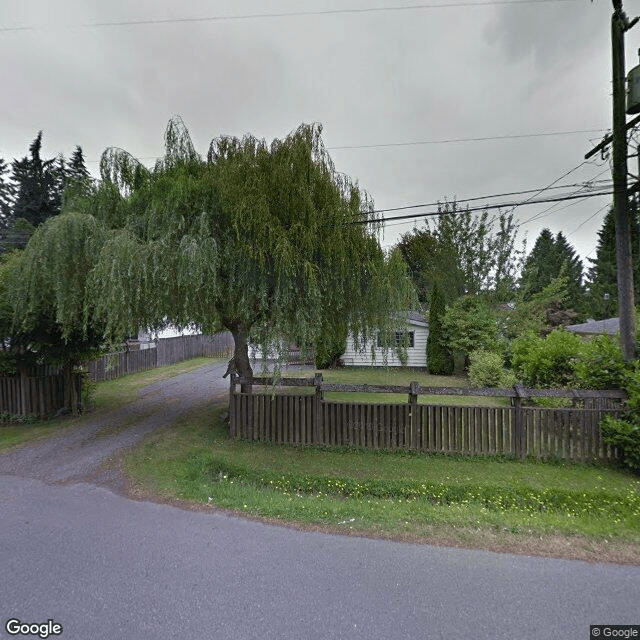
18827 Stone Avenue North, Shoreline, WA 98133
To contact a resident: (206) 533-1320
For more information about senior living options: (866) 208-4318
Divine Adult Family Home Costs & Pricing
Divine Adult Family Home offers competitive pricing for its residents, with both private and studio room types available at $3,500 per month. When compared to the broader market, Divine Adult Family Home provides significant savings in King County, where similar private rooms average around $5,034 and studios are approximately $4,464. Even at the state level, Washington's averages for these accommodations stand at $4,772 for private rooms and $4,126 for studios. This positioning not only reflects a commitment to affordability but also ensures that residents receive quality care without the financial strain often associated with adult family homes in the region.
| Floor plans | Divine Adult Family Home | King County | Washington |
|---|---|---|---|
| Private | $3,500 | $5,034 | $4,774 |
| Studio | $3,500 | $4,464 | $4,128 |
Memory care communities with a similar price nearby
-
About the same
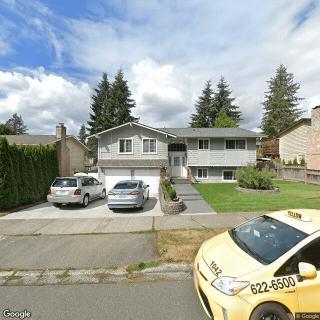
Dignity Life
$3,500 / month8.2 miles away -
from -$125 / mo
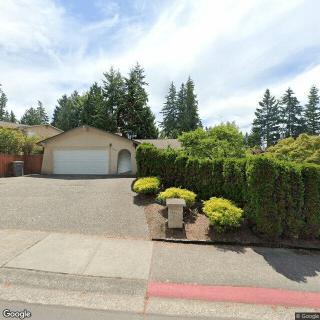
Evergreen Manor Senior Care Inc
$3,375 to $7,500 / month9.4 miles away -
from -$500 / mo
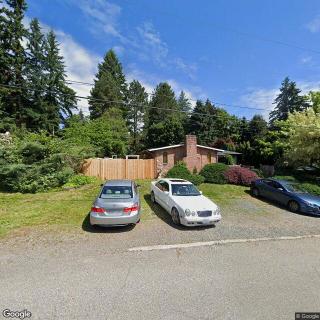
Caring Adult Family Home #1
$3,000 / month6.7 miles away -
from +$500 / mo

Riverton Home Care
$4,000 to $5,000 / month20.2 miles away -
from +$500 / mo
Gentle Care Home
$4,000 to $5,500 / month24.0 miles away
Overall Review of Divine Adult Family Home
Pros
 The facility is run by a devoted husband-and-wife team, with Ted as a CNA and TG as an RN.
 - It is described as wonderful, inviting, and clean, with air conditioning and an air filtering system.
- Ted, TG, and the staff are very compassionate and highly responsive to residents’ needs.
- The home features state-of-the-art facilities, a great ambiance, and exceptional cleanliness.
- Caregivers are accommodating and respectful to visitors and families, ensuring quality, compassionate care.
Review
Divine Adult Family Home is best suited for families seeking an intimate, home-like setting where seniors receive highly personalized attention from a small, hands-on team. The model here centers on direct access to care from a husband-and-wife pair who live on site, with licensed support (an RN and a CNA) available to backstop daily needs. Residents benefit from a clean, comfortable environment that emphasizes comfort and responsiveness, reinforced by practical amenities like air conditioning and air filtration. For someone who values being known by name, with caregivers who respond quickly to requests and who will go the extra mile, whether it’s addressing dietary cravings or assisting with routine foot care, this setting delivers a reliability that larger, impersonal facilities often struggle to match.
Those considering alternatives should weigh options for more formalized programming, broader medical oversight, and a larger staff network. If a resident requires extensive, round-the-clock skilled nursing coverage, a more structured memory-care environment, or a calendar of organized activities and outings managed by a sizable team, a larger community could be a better fit. Families with goals oriented toward a robust social life, broader transportation options, or specialized memory-support services may find greater alignment elsewhere. In short, when scale and formal programming are priorities, other options deserve serious consideration.
The strongest pros in this model lie in the care ethos and the environment. Caregivers are described as exceptionally compassionate and responsive, with concrete examples of going beyond routine duties, things like comforting a resident through routine foot care or tracking down a favorite dish to satisfy a craving. The residents are treated with attentiveness that feels deliberate and warm, and the facility itself reads as well-maintained and inviting. The presence of an RN alongside capable CNAs supports medical needs with a level of oversight that reduces anxiety for families. The ambiance, cleanliness, air quality, and a calm, home-like atmosphere, further reinforces a sense that daily life is predictable, comfortable, and dignified.
Where the reviews are brief on potential drawbacks, it’s prudent to consider what a small, family-run setting may inherently entail. Limited staff depth can translate to fewer built-in redundancies, meaning scheduling, vacations, or back-up coverage should be clarified upfront. The reviews highlight a high-touch approach, but they do not enumerate a broad slate of on-site activities or extensive memory-care supports. Prospective families should verify how activities are structured, what social opportunities exist on a typical week, and how mobility or transportation needs are managed when the primary team is occupied. Understanding exact staffing ratios and shift coverage will help determine whether the intimate model will sustain peak needs over time.
For families evaluating Divine, the decision hinges on alignment between desired personal attention and the need for formal programming. Key steps include confirming the scope of medical oversight (hours of RN availability, med-management protocols), asking for a detailed activity schedule, and reviewing meal plans and dietary accommodations. Practicalities such as charging structures, inclusions, and the process for consenting to specific care interventions deserve careful scrutiny. Above all, insist on a trial period or ample visitation to observe how caregivers integrate with a resident’s routine, how staff handle dietary requests, and how quickly concerns are resolved in real time. This approach ensures that the praised warmth translates into sustained peace of mind.
In the end, Divine Adult Family Home stands out as a compelling option for families prioritizing intimate, compassionate care wrapped in a clean, comfortable setting. The decisive fit rests on whether a resident will thrive in a small-scale, relationship-driven environment with hands-on, responsive caregivers who know the residents well and can adapt quickly to evolving needs. If that model matches the family’s expectations and care requirements, Divine earns a strong recommendation. If, however, the priority is a broader social program, extensive memory-support structures, or a larger care team with more formalized scheduling, pursuing alternatives will likely yield a closer match.
 Board and Care Home
 Memory Care
 Activities off-site
 Bath tubs
 Beautician on-site
 Devotional services off-site
 Indoor common areas
 Outdoor common areas
 Private
 Respite or short term stays offered
 Seattle-Tacoma International (22 miles away)
 Diabetic care
 High acuity care
 Incontinence care
 Medication management
 Meals provided


 When to Transition from Assisted Living to Memory Care: Key Indicators, Steps, and Finding the Right Community
 Understanding the Distinctions: Assisted Living and Memory Care Explained
 How to Communicate with a Loved One Living with Dementia: 10 Supportive Strategies