
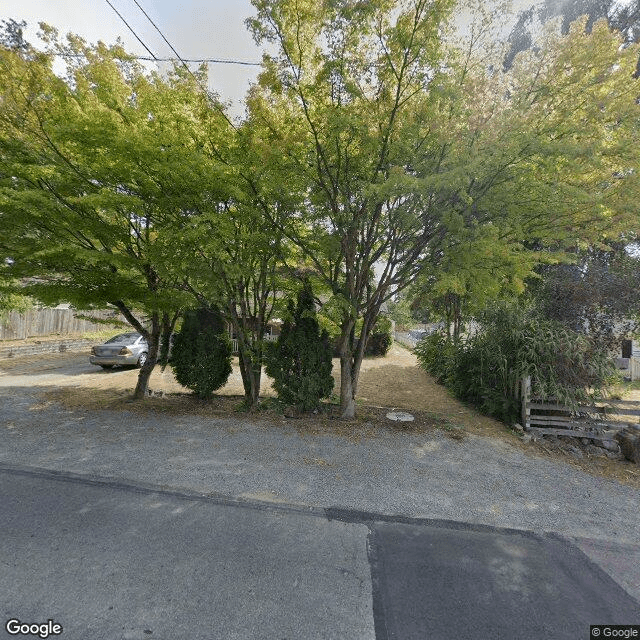
1319 N 192nd Street, Shoreline, WA 98133
To contact a resident: (206) 546-8283
For more information about senior living options: (866) 208-4318
Home Again AFH Costs & Pricing
Home Again AFH offers competitive pricing for its residential care services, standing out with its semi-private room cost of $3,200 per month, which is significantly lower than the average rates in King County ($4,430) and across Washington state ($4,267). For those seeking more privacy, the facility's private rooms are available at $3,600 monthly - a value that remains well below the county average of $5,034 and the state average of $4,772. These rates reflect Home Again AFH's commitment to providing affordable and quality care in a comfortable environment, making it an attractive option for families considering assisted living solutions.
| Floor plans | Home Again AFH | King County | Washington |
|---|---|---|---|
| Semi-Private | $3,200 | $4,430 | $4,272 |
| Private | $3,600 | $5,034 | $4,774 |
Senior living communities with a similar price nearby
-
from +$300 / mo
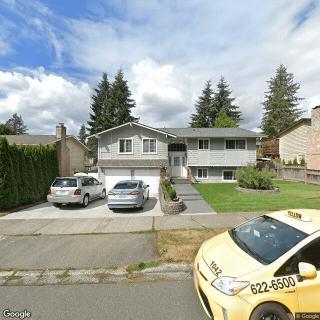
Dignity Life
$3,500 / month8.1 miles away -
from +$175 / mo
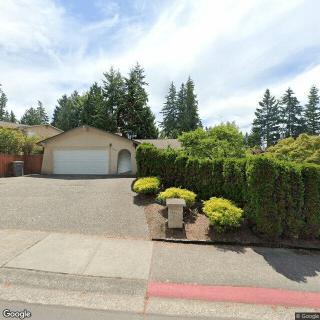
Evergreen Manor Senior Care Inc
$3,375 to $7,500 / month9.4 miles away -
from -$400 / mo
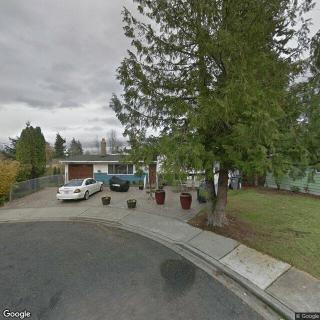
Gold Standard Care
$2,800 / month3.0 miles away -
from -$200 / mo
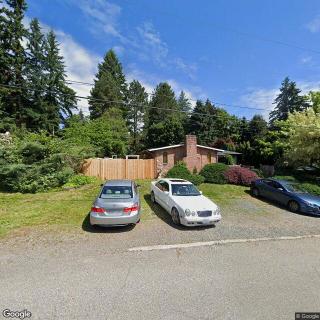
Caring Adult Family Home #1
$3,000 / month6.7 miles away -
from +$300 / mo
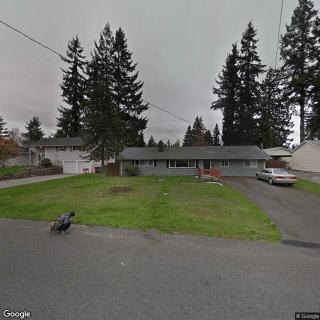
Terrace View AFH
$3,500 to $4,000 / month3.0 miles away
Overall Review of Home Again AFH
Pros
 Damaris Ramirez is described as truthful, responsible, and exceptionally trustworthy in caring for loved ones.
- Home Again is portrayed as a warm, loving environment with a clean facility and a wonderful staff.
- Residents are treated with respect and cared for like family, including being regarded as a respected grandmother.
- Damaris Ramirez and her staff provide individualized daily care and attention to each resident.
- There are very few caregivers who match Damaris's attention to detail and dedication to her patients.
- Damaris Ramirez is trusted to handle financial dealings truthfully and responsibly.
- The overall care at Home Again contributes to improved well-being for residents in a nurturing atmosphere.
Cons
 The food wasn’t as nutritious as it should be.
- Some staff were perceived as cold when visitors entered.
- Some staff were difficult to understand, suggesting they would not be a good fit for the mother.
Review
Home Again AFH in Shoreline is best suited for families seeking a warm, home-like setting for an elder who benefits from memory-care support and highly personalized attention. The model centers on an owner-operator, Damaris Ramirez, who personally shapes daily care and culture. Reviews consistently describe a house filled with inviting smells from the kitchen, a welcoming atmosphere, and residents treated as members of a caring family. For relatives who want more than institutional routines but cannot or do not want to move to a large assisted-living campus, this AFH offers continuity, dignity, and steady day-to-day oversight that resonates with those navigating Alzheimer’s care.
Those weighing alternatives are families needing formal, clinical memory-care programs, robust on-site medical staffing, or a schedule built around structured, therapeutic activities. The small, home-based model prioritizes intimate relationships and consistent caregiving, which is ideal when trust and daily attentiveness matter most. However, it may not provide the same scale of services, specialized memory-care therapies, or a broad activities roster found in larger communities. If 24/7 nurse oversight, frequent clinical assessments, or a wide amenity set are non-negotiables, exploring larger AFHs or dedicated memory-care facilities would be prudent. Capacity and shift-dependent variability that accompanies a single-household operation are practical realities to acknowledge.
On the upside, the strongest draw is the human element: the owner and her staff are repeatedly described as loving, respectful, and genuinely invested in each resident’s well-being. The kitchen environment signals care, with scents and routines that reassure family members. Residents are seen less as patients and more as family members, adopted grandparents who receive day-to-day attention and personalized consideration. Financial dealings come with strong assurances of truthfulness and responsibility, a major relief for families weighing long-term commitments. The testimonials converge on stability, continuity, and a knowledge of each resident’s history and preferences that translates into calmer days and fewer disruptions for someone facing dementia.
Despite the positives, the AFH format carries inherent trade-offs. The intimate scale means fewer on-site specialists and less formal program structures than bigger facilities. Staffing relies on a small team, which can translate into fluctuations in availability or consistency during busy periods. For some families, that means tailoring expectations to a more hands-on, owner-led model rather than a large administrative framework. This is not a flaw so much as a different care philosophy, one that prioritizes continuity, deep personal bonding, and predictable daily routines over scripted activities or hospital-grade resources. Understanding these dynamics helps families decide whether the environment aligns with their expectations and needs.
The strengths, exceptional trust, transparent dealings, and a genuine, family-like culture, often offset those trade-offs. When caregivers are consistently present and the resident-to-staff relationship feels intimate, daily care becomes more intuitive, with quicker responses and fewer miscommunications for someone with Alzheimer’s. The owner’s active involvement, combined with a demonstrated long-term commitment from staff, brings a stability that can be hard to maintain in larger settings. Testimonials from spouses and children reinforce that residents experience improved well-being, increased dignity, and a sense of belonging. This combination of warmth, personalized attention, and straightforward operations creates a compelling, credible case for the Home Again approach.
For families weighing this choice, the practical path is to seek a firsthand impression across multiple visits, at different times, to observe meals, interactions, and daily rhythms. Ask pointed questions about caregiver-to-resident ratios, how memory-impairment cues are managed, medication practices, and emergency plans, as well as options for respite care. The Home Again model rewards those who prioritize trust, continuity, and a home atmosphere over expansive programming or clinical intensity. If these values align with what matters most, care that feels like family and a trustworthy, attentive presence, Home Again AFH stands out as a prudent, credible option in Shoreline.
 Board and Care Home
 Cats allowed
 Dogs allowed
 Activities off-site
 Bath tubs
 Beautician on-site
 Devotional services on-site
 Indoor common areas
 Outdoor common areas
 Private
 Private bathrooms
 Respite or short term stays offered
 Wheelchair accessible showers
 Seattle-Tacoma International (22 miles away)
 Diabetic care
 High acuity care
 Incontinence care
 Medication management
 Meals provided
 Adventist services

 Top Cars for Senior Drivers and Essential Safety Innovations
 A Closer Look at Private Pay Home Care
 Comprehensive Approaches for Arthritis: A Detailed Guide to Symptoms, Causes, and Care