

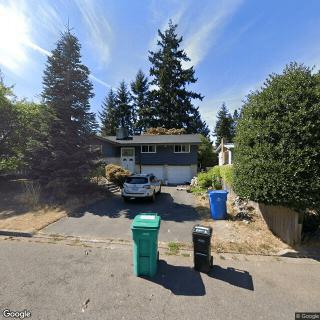
19745 10th Ave NE, Shoreline, WA 98155
To contact a resident: (206) 972-3228
For more information about senior living options: (866) 208-4318
For Senior's Sake 3 Costs & Pricing
For Senior's Sake 3 offers private rooms at a competitive monthly rate ranging from $3,000 to $4,000, making it an affordable option compared to the average costs in King County and throughout Washington state. In King County, the average monthly cost for similar accommodations stands at approximately $5,034, while statewide averages hover around $4,772. This pricing structure not only highlights For Senior's Sake 3 as a budget-friendly choice for seniors seeking private living arrangements but also reflects its commitment to providing quality care without compromising on comfort or affordability.
| Floor plans | For Senior's Sake 3 | King County | Washington |
|---|---|---|---|
| Private | $3,000 to $4,000 | $5,034 | $4,774 |
Senior living communities with a similar price nearby
-
from +$500 / mo
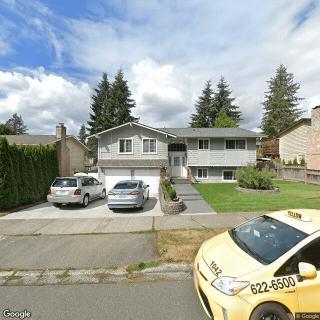
Dignity Life
$3,500 / month7.1 miles away -
from +$375 / mo
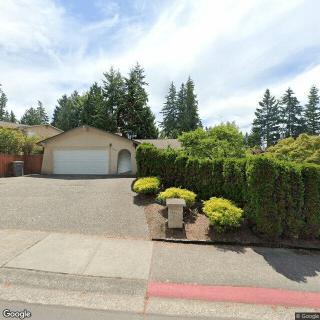
Evergreen Manor Senior Care Inc
$3,375 to $7,500 / month8.7 miles away -
from -$200 / mo
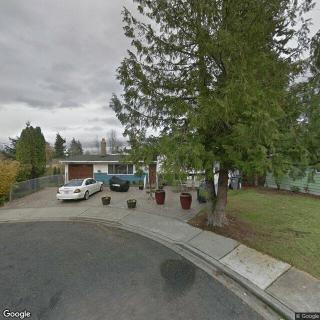
Gold Standard Care
$2,800 / month2.3 miles away -
About the same
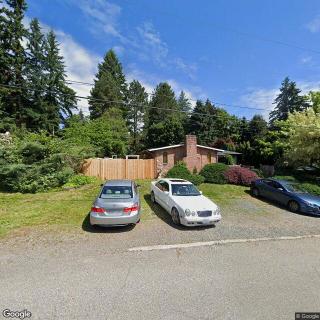
Caring Adult Family Home #1
$3,000 / month5.6 miles away -
from -$500 / mo
Freedom Care
$2,500 to $3,000 / month22.9 miles away
Overall Review of For Senior's Sake 3
Pros
 The staff are caring and compassionate.
- Even after the ownership change, the facility remains caring and compassionate.
- It proves that old-age homes can be nice places, countering negative stories.
- Families feel relief knowing they can trust the facility to care for their loved ones as they would care for them.
- The facility comes highly recommended for loved ones who need this kind of care.
Review
For Senior's Sake 3 in Shoreline is best suited for families seeking a small, home-like assisted living option where warmth, trust, and everyday attentiveness define the experience. It works well for a loved one who benefits from caregivers who know their routines, preferences, and medical updates, and who values consistency over flashier amenities. This community is particularly suitable for long-term placements, where the aim is steady quality of life, regular reassurance, and a sense of belonging that family members can rely on across shifts and seasons of care.
Those who may want to consider alternatives include families with seniors who require heavy medical oversight, complex skilled-nursing needs, or specialized memory-care programming beyond a general assisted-living framework. If ownership stability and clearly documented, scalable staffing metrics are non-negotiable, the history of changing hands could raise questions about continuity. For residents needing more robust activity programming, broader clinical resources, or a larger campus with more on-site specialists, a bigger facility may be a better match.
The core strengths center on the caregiving ethos. Staff are described as genuinely caring and compassionate, with a trust-based relationship that makes families feel their loved ones are treated as if they were their own. Even amid a recent ownership transition, the care ethic remained intact, reinforcing the perception that the heart of the operation is solid. This combination of personal attention, dependable communication, and a family-centered approach often translates into consistently positive daily experiences and fewer discharge pressures, an important offset when evaluating comfort and safety in daily routines.
However, the publicly available praise comes from a small sample, which means prospective residents should verify fit through direct experience. A 4.7 rating from three reviews signals high satisfaction, yet it also underscores the necessity of due diligence. The absence of granular details about dementia-specific programming, meal quality, or the exact scope of medical oversight means a tour and conversations with current caregivers are essential. The best next step is to assess whether the warmth described in the reviews translates into a reliable, measurable care plan aligned with the individual’s needs.
During a visit, focus on how shifts are staffed and how caregiving assignments are managed, as well as the cadence and clarity of family updates. Inquire about daily schedules, resident autonomy, safety protocols, medication administration, and how emergencies are handled after hours. Seek concrete information about licensing, any recent inspections, and what happens if a resident’s needs evolve beyond the current resource set. This line of questioning helps determine whether the intimate, person-centered experience can scale gracefully if care requirements intensify.
Bottom line: For families prioritizing heartfelt, steady caregiving within a trusted, intimate setting, For Senior's Sake 3 stands out in Shoreline as a compelling option. It suits seniors who flourish in a warm, relationship-driven environment and families who want to feel confident that care is individualized and sustained over time. If the priority shifts toward robust medical oversight, specialized dementia care, or a facility with extensive programming and more formalized ownership continuity, it is prudent to explore alternatives with the same careful scrutiny given to any top choice. A firsthand visit remains the decisive step to confirm alignment with the senior’s values, needs, and daily lived reality.
 Board and Care Home
 Private
 Seattle-Tacoma International (22 miles away)
 Diabetic care
 Comprehensive Look at Senior Blood Pressure Charts: Normal and Elevated Levels by Age
 Top Canine Companions for Older Adults
 Comprehensive Guide to Blood Pressure Charts for Older Adults: Understanding Normal and High Readings by Age