
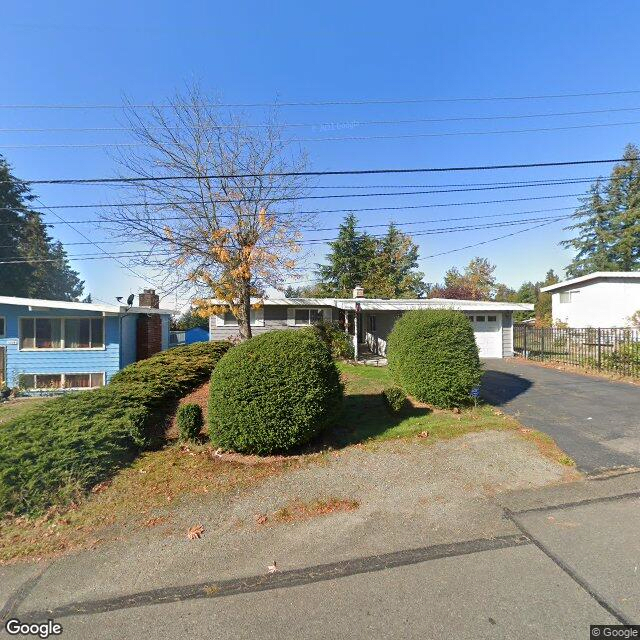
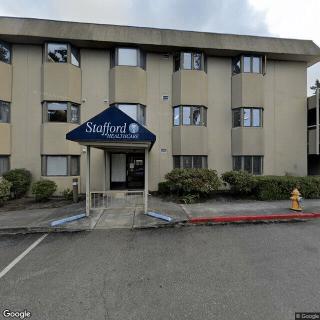
22864 27th Ave S, Des Moines, WA 98198
To contact a resident: (206) 824-4134
For more information about senior living options: (866) 208-4318
Des Moines Healthcare LLC Costs & Pricing
Des Moines Healthcare LLC offers competitive pricing for its private and one-bedroom rooms, with costs set at $6,000 and $6,500 per month, respectively. When we compare these rates to those in King County, Washington, they reflect a notable premium; King County's prices for similar accommodations stand at $5,034 for a private room and $5,127 for a one-bedroom unit. However, it's important to consider the unique services and amenities that Des Moines Healthcare LLC may provide which can justify the higher expenses. Overall, while their rates are above both county and state averages, prospective residents may find value in the care quality associated with these facilities.
| Floor plans | Des Moines Healthcare LLC | King County | Washington |
|---|---|---|---|
| Private | $6,000 | $5,034 | $4,774 |
| 1 Bedroom | $6,500 | $5,127 | $4,634 |
Memory care communities with a similar price nearby
-
About the same
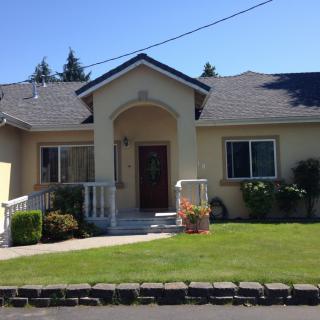
Elderly Home Care
$6,000 to $8,000 / month23.8 miles away -
from -$250 / mo

Fieldstone Rolling Bay and Fieldstone Memory Care
$5,750 to $8,895 / month20.7 miles away -
from -$500 / mo

Twin Lake Adult Family Home
$5,500 to $6,500 / month7.2 miles away -
About the same

Blue Horizon Adult Family Home
$6,000 to $7,000 / month12.4 miles away -
from +$500 / mo
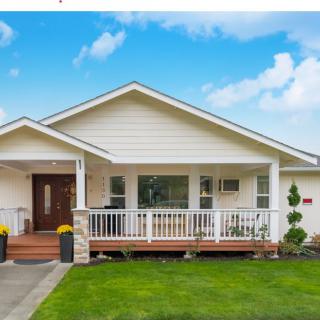
Silver Creek Adult Family Home
$6,500 to $7,000 / month14.9 miles away
Overall Review of Des Moines Healthcare LLC
Pros
 The staff at Wesley provided wonderful treatment.
- Malinda was very helpful.
- The facility is beautiful.
- The new rehab facility is very clean and has private rooms.
- The administration was great and on top of everything.
- The aides were fantastic and very caring.
- They treated mom like a precious doll.
- Everyone was very friendly and residents felt at home.
Cons
 The food is overcooked and tasteless.
- Requests to management are acknowledged but rarely followed through.
- Some caregivers are good, but most don’t seem to care.
- G has not been bathed weekly for at least two weeks.
- Bedspreads are repeatedly taken with no explanation.
- The facility is chronically short-staffed with little accountability and no individualized care.
- The on-call doctor is never around and unresponsive when contacted.
Review
Des Moines Healthcare LLC is best suited for families seeking a rehab-focused environment that presents a modern, clean, and private-room setting, paired with pockets of genuinely caring staff and active administration at times. It rewards those who can leverage the facility’s strengths, especially a polished physical plant and a few dedicated aides or case managers, while recognizing that day-to-day consistency is not guaranteed. This community tends to work best when the primary need is short- to mid-term rehabilitation with a hopeful emphasis on attentive personalities in care, rather than a consistently seamless, fully-managed daily care experience.
Pros center on the facility’s freshly renovated vibe and the potential for strong relationship-building with certain staff. Several reviews highlight a welcoming, professional atmosphere: new rehab spaces, tidy rooms, and a facility that feels private and well-kept. In practice, when the right staff are involved, the care team can be genuinely compassionate with residents, and administrative leaders can be responsive, especially when a particular case manager is engaged. A subset of aides has shown impressive warmth and attentiveness, and a long-tenured member of the care network earned high praise for treating a resident like family. In scenarios where management communicates effectively and residents receive consistent, attentive hands-on support, the experience can be markedly positive.
However, the most persistent drawbacks undermine these positives. The most frequent refrain is chronic short-staffing, which translates into inconsistent, impersonal, or delayed care. Multiple accounts describe caregivers who do not consistently follow through, and a culture where “pass the buck” becomes the default rather than accountability. Basic daily needs, such as toileting assistance, bathing, and timely response, have been flagged as unreliable at times,ierred by reports of missed baths or routine tasks. The on-call physician is described as rarely present or responsive, limiting medical oversight when emergencies or questions arise. All of this is compounded by operational lapses: ongoing issues with laundry or linens, mixed follow-through on requests, and friction in management responsiveness, including complaints about leadership not fully addressing concerns.
A dominant red flag is the cost-value tension. Reported therapy time, roughly 15 to 20 minutes per day in one case, feels starkly inadequate for a $17,000-per-month rehab bill. For families weighing medical recovery alongside functional independence, the amount of therapy work promised versus delivered matters enormously. When the care program hinges on a few standout staffers, the variability is intolerable for residents who require steady supervision and predictable daily routines. The most unsettling reviews recount a serious safety lapse around transportation for a dementia patient, followed by allegations of miscommunication and disengagement from social work staff. Taken together, these incidents signal a risk profile that can seriously unsettle families relying on dependable, proactive care.
In deciding whether this community fits, focus on which needs are non-negotiable. If reliable, hands-on daily care, predictable routines, and timely medical follow-through are essential, alternatives should be explored. Prospective residents must verify staffing levels, insist on a published, consistent PT/OT schedule, and confirm daily tasks, bathing, grooming, dressing, and timely housekeeping, are reliably completed. It is prudent to confirm that a trusted case manager or care coordinator is assigned and reachable, and to request recent references from front-desk administration and the nursing team. A short-term trial period or clearly defined service agreement can help surface whether the promised care plan aligns with lived experience.
Bottom line: this community can deliver meaningful, respectful care when the stars align, strong private spaces, a few standout caregivers, and responsive administration in particular cases. Yet the frequent, well-documented concerns about staffing, follow-through, and safety oversight cannot be dismissed. Families prioritizing consistent daily oversight, transparent communication, and robust, evidence-based rehab may want to look nearby. For those drawn to the facility’s strengths and willing to actively manage potential gaps, Des Moines Healthcare LLC remains a viable option, but only with explicit guarantees, careful monitoring, and a clear plan for ensuring daily care responsibilities are fully met.
 Board and Care Home
 Memory Care
 Activities on-site
 Bath tubs
 Beautician on-site
 Indoor common areas
 Outdoor common areas
 Private bathrooms
 Respite or short term stays offered
 Wheelchair accessible showers
 Seattle-Tacoma International (4 miles away)
 Ambulatory care
 Diabetic care
 High acuity care
 Incontinence care
 Medication management
 Meals provided




 Understanding Dementia Through Its Seven Stages: A Comprehensive Look at Progression and Expectations
 Safeguarding Your Memory Through the Golden Years: Eight Ways to Preserve Cognitive Health
 Comprehensive Insights into Activities of Daily Living (ADLs) and Their Assessment