
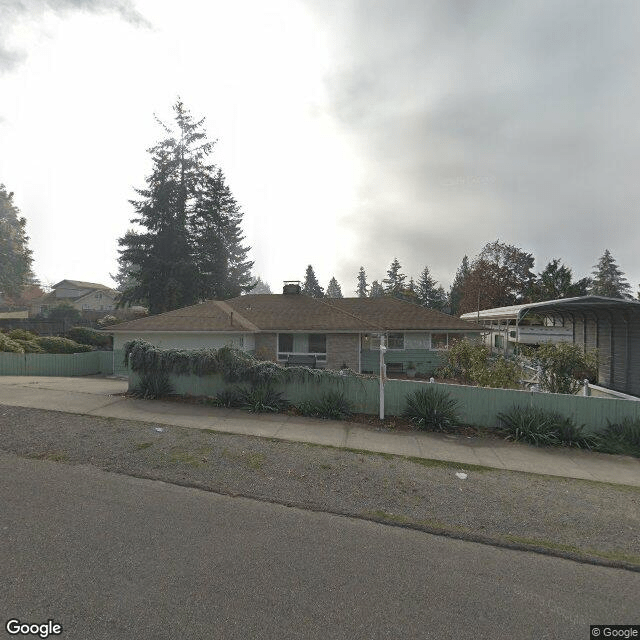
2439 S 226th St, Des Moines, WA 98198
To contact a resident: (206) 429-2925
For more information about senior living options: (866) 208-4318
Overall Review of The 12th Senior Home, LLC
Pros
 AAA Loving Care is a wonderful place for loved ones.
- The place is clean and the staff is friendly.
- Banchi and her staff provide extraordinary and loving care for residents.
- The caregivers are compassionate and loving, and they even call residents "Mama."
- They respond immediately to concerns, helping ease anxiety for families.
- Banchi and her team deliver excellent service, meeting needs and achieving complete satisfaction.
Review
This community is best suited for seniors who want a truly home-like living environment with a tight-knit caregiving team. It works best for families seeking intimate, personalized attention where staff become familiar with daily routines, preferences, and the resident’s history. The defining strength here is the sense that care comes with a consistent, affectionate touch, and that staff are accessible and engaged in real-time problem solving. For families that prize clear, frequent communication and a trusted, almost family-level vibe over formal, large-scale programming, this option stands out as a strong match.
Several clear alternatives merit consideration for residents with different needs. If memory care, highly specialized clinical oversight, or a large campus with structured daily programs are priorities, a bigger assisted living community or a licensed memory-care setting may serve better. For seniors who require robust around-the-clock nursing, comprehensive medical management, or extensive transportation and activity schedules, the intimate home model can feel limited. In short, when medical complexity or a desire for extensive on-site services is high, it’s wise to explore options with broader in-house clinical capabilities.
The strongest positives are both tangible and relational. The environment tends to be clean, and the caregiving team projects a warmth that feels more like family than staff-to-resident duty. Caregivers are described as compassionate, loving, and consistently attentive, with a capacity to build trust that reassures anxious family members. Families repeatedly note that concerns are handled promptly and that the team earns a resident’s trust, an essential factor when loved ones cannot be constantly present. This emotional safety net, coupled with reliable responsiveness, can offset many fears about daily care in a smaller setting.
Yet, no setting is perfect for every need. The most evident trade-off in a home-style model is the potential gap in specialized medical resources and formal programming. A smaller operation may rely on a limited pool of caregivers rather than a rotating cadre of licensed clinicians, which can affect priorities like memory-care routines, medication management nuance, or emergency depth. For families evaluating care plans, it’s prudent to verify licensing specifics, caregiver training, care planning processes, and who supervises and reviews daily objectives. If the resident’s needs extend beyond daily living assistance, those gaps can become meaningful.
Despite those considerations, the advantages can decisively offset the potential drawbacks for the right match. When the care team feels like a trusted family, communication becomes precise and proactive, not merely reactive. The ability to address concerns immediately, adjust routines on short notice, and maintain a consistent, affectionate caregiving philosophy often reduces stress for both residents and families. The personal approach, coupled with demonstrable reliability and emotional warmth, translates into a high level of day-to-day quality that larger facilities sometimes struggle to reproduce.
In the end, this offering is a compelling choice for families seeking a warm, personalized, and dependable home environment. It truly shines for seniors who prioritize intimate relationships with caregivers, high accessibility of staff, and a setting that mirrors a comfortable home rather than a clinical campus. For those whose priorities include intensive medical oversight, memory-care programming, or expansive social calendars, it remains wise to compare with larger assisted living or memory-care communities. A hopeful path is to schedule a tour, ask about care-planning processes, and request candid conversations with current families to confirm that the balance between warmth, responsiveness, and clinical needs aligns with the resident’s trajectory.
 Board and Care Home
 Seattle-Tacoma International (3 miles away)





 Understanding Hospice Care at Home: Comprehensive Services, Key Benefits, and Eligibility
 Understanding the Full Cost of 24/7 In-Home Care: A Detailed Overview
 Exploring the World of Home Health Nurses: Qualifications, Roles, and Hiring Tips