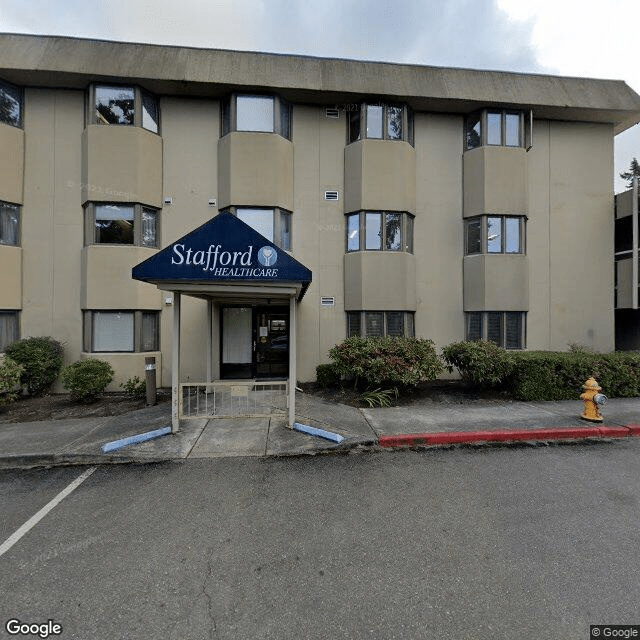
Stafford Healthcare - Sea Tac in Des Moines, WA
Save
2800 S 224th St, Des Moines, WA 98198
For more information about senior living options: (844) 490-3973
What level of care are you interested in?

Assisted Living

Memory Care

Independent Living

Skilled Nursing Facility

Continuing Care Retirement Community (CCRC)CCRC

Other
Stafford Healthcare - SeaTac is best suited for families seeking a warm, home-like skilled-nursing environment where staff can feel personal and attentive, and where rehab and ongoing care are available on a practical, day-to-day basis. This community tends to work best for residents who value kindness from frontline caregivers and who can tolerate variability in consistency and infrastructure. In short, it lands in the middle of the quality spectrum: enough genuine compassion to matter, but enough operational rough edges to demand strong family oversight and clear expectations about daily routines, safety, and responsiveness.
Those who should seriously consider alternatives are families prioritizing reliability over warmth. The most persistent red flags in reviews point to slow call-light responses, inconsistent staffing levels, and safety concerns such as unsafe equipment and rooms that feel dated. Shared bathrooms and noisy environments compound resident discomfort, and several accounts describe lapses in basic cleanliness and medication handling. For seniors with complex medical needs, especially those requiring tightly coordinated care or rapid, predictable problem-solving, a more stable and modern setting may be a better fit.
On the positive side, the strongest earning points center on staff who are genuinely kind and dedicated, plus tangible rehab and therapy engagement in many reports. When caregivers are present and attentive, residents frequently describe meaningful progress in physical therapy, good meals, and a sense of being treated with dignity. The facility's atmosphere can feel more homelike than sterile, and there are anecdotes of dedicated teams who push for better outcomes, particularly in rehab pathways. These pros matter a great deal when the goal is recovery or stabilization, but they must be weighed against ongoing operational weaknesses.
The main cons - irregular staffing, slow response times, safety and cleanliness concerns, and allegations of management-related instability - do not disappear in lighter weeks. They tend to erode trust and disrupt daily life, making even well-intentioned care harder to rely on. When management turnover accelerates, the cultural shift that once raised morale can collapse again, leaving patients and families with a moving target for expectations. In practical terms, this means the care experience can swing from reassuring to frustrating, depending on when the last staffing or leadership change occurred.
For families weighing choices, Puget Sound Transitional Care frequently appears as a more consistently praised alternative for rehab and transition needs, with reports of coordinated therapy, compassionate staff, and a supportive environment. If a short-term, highly structured rehabilitation stay with steady leadership and clearer accountability is the priority, exploring options like that model may yield a more predictable experience. Stafford can still serve as a viable option for those who value a welcoming, person-centered approach and can actively monitor care plans, but the gap between aspiration and day-to-day performance underscores the need for proactive oversight and a thorough, up-close tour.
A disciplined decision plan helps move from impression to confidence. During visits, demand to see current staffing levels on each shift, observe call-light response in common areas, and note how quickly staff address basic needs. Inspect room configurations, the state of cleanliness, and the condition of equipment and bathrooms. Ask for a detailed patient-care plan, including medication administration routines, therapy schedules, and daily activity options. Speak with current residents and family members about consistency, communication, and responsiveness. If the answers leave room for hesitation, it is prudent to widen the search and compare with similarly situated communities that deliver a higher bar for reliability and safety.
Stafford Healthcare - Sea Tac in Des Moines, WA is an exceptional assisted living community that offers a convenient and vibrant lifestyle for its residents. Situated in a prime location, the facility provides easy access to various amenities and services that enhance the overall living experience.
For those who enjoy relaxing outings or outdoor activities, there are two beautiful parks located nearby. These parks offer lush green spaces, walking trails, and opportunities to connect with nature. Residents can take leisurely strolls or engage in fitness routines amidst serene surroundings.
In terms of healthcare services, this assisted living community boasts proximity to six pharmacies and three physicians. Residents can conveniently access medication and medical care whenever required, ensuring their well-being is never compromised.
When it comes to dining options, residents have an abundance of choices with nine restaurants in close vicinity. Whether they prefer casual cafes or upscale dining establishments, a wide range of culinary delights awaits them just a short distance away.
Transportation is made effortless with 17 transportation options available nearby. This allows residents to easily travel to appointments, run errands, or explore the surrounding areas at their convenience.
Spirituality plays an important role for many seniors, and having a place of worship located nearby provides them with the opportunity to attend religious services and engage in spiritual activities that bring solace and comfort.
Lastly, for those seeking entertainment or cultural experiences, there is a theater close by where residents can enjoy theatrical performances or catch up on the latest movies.
Overall, Stafford Healthcare - Sea Tac in Des Moines, WA offers a remarkable assisted living experience with its convenient access to cafes, parks, pharmacies, physicians, restaurants, transportation options, places of worship, and theaters. It ensures that residents have everything they need right at their doorstep to live a fulfilling and active lifestyle while receiving the highest quality care.
This part of Des Moines, Washington offers a range of amenities and services that cater to senior living needs. There are several pharmacies nearby such as Bartell Drugs, Walgreens, and CVS Pharmacy for easy access to medication and healthcare supplies. Parks like Earthworks Park and Saltwater State Park provide opportunities for outdoor recreation and relaxation. In terms of dining options, there are various restaurants including Auntie Irene's Coffee Shop, Denny's, and Sharps Roasthouse offering diverse culinary experiences. Public transportation is easily accessible with Angle Lake Station and International Arrivals Facility nearby for convenient travel. Additionally, there are cafes like Floret and Starbucks for socializing with friends or enjoying a quiet cup of coffee. For medical needs, there are reputable physicians like Kosnoski Eye Care and Valley Medical Center in close proximity. St Francis Hospital is also located within a reasonable distance for any emergency healthcare needs. Overall, this part of Des Moines offers a comfortable and convenient environment for seniors looking to settle down in the area.
Stafford Healthcare - Sea Tac is located at 2800 S 224th St, Des Moines, WA 98198 in King County, Washington
Understanding the Nuances of Palliative Care and Hospice: A Comprehensive Exploration

Palliative care focuses on alleviating distress at any stage of a serious illness and can accompany curative treatments, while hospice care is for those nearing the end of life with a prognosis of six months or less, emphasizing comfort over curative measures. Both prioritize holistic care for patients and families but differ in timing, goals, and scope.
Fecal Incontinence in Older Adults: A Comprehensive Guide

Fecal incontinence, prevalent among older adults, arises from factors like weakened pelvic muscles and nerve damage, significantly affecting well-being and social interactions. Diagnosis involves clinical evaluation and tests to inform tailored treatments, while caregivers and preventive measures can aid in managing the condition effectively.
Recognizing the Journey: Understanding and Navigating Anticipatory Grief
Anticipatory grief is an emotional response to the impending loss of a loved one, characterized by complex emotions such as sadness and anger, and involves navigating stages similar to those identified by Kübler-Ross. Coping strategies are vital for managing this process, emphasizing compassionate communication, self-care, and support groups while recognizing the cultural influences on grieving.