
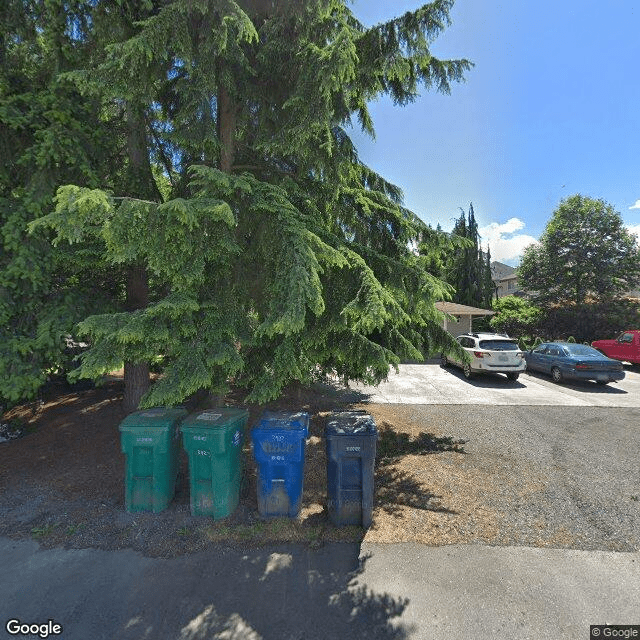
3423 Lincoln Dr NE, Renton, WA 98056
To contact a resident: (206) 779-2571
For more information about senior living options: (866) 208-4318
Best Loving Care Elderly Living Costs & Pricing
Best Loving Care Elderly Living offers a nurturing and supportive environment tailored for elderly residents, with monthly costs for private rooms set at $6,500 and one-bedroom units at $7,500. When compared to the broader market in King County, where the average cost for a private room is approximately $5,034 and a one-bedroom unit averages around $5,127, Best Loving Care positions itself as a premium option. On the state level, Washington's figures are even lower, with averages of $4,772 for private rooms and $4,632 for one-bedroom accommodations. While Best Loving Care may reflect higher monthly rates than both local and state averages, these costs often encompass enhanced services or amenities that contribute to a higher quality of care and resident satisfaction.
| Floor plans | Best Loving Care Elderly Living | King County | Washington |
|---|---|---|---|
| Private | $6,500 | $5,034 | $4,774 |
| 1 Bedroom | $7,500 | $5,127 | $4,634 |
Memory care communities with a similar price nearby
-
About the same
The Promised Land
$6,500 / month18.0 miles away -
from -$500 / mo
Home Away From Home LLC
$6,000 to $7,000 / month24.2 miles away -
from -$500 / mo
Elderly Home Care
$6,000 to $8,000 / month14.9 miles away -
from -$750 / mo
Fieldstone Rolling Bay and Fieldstone Memory Care
$5,750 to $8,895 / month17.5 miles away -
from -$1000 / mo

Twin Lake Adult Family Home
$5,500 to $6,500 / month17.3 miles away
Overall Review of Best Loving Care Elderly Living
Pros
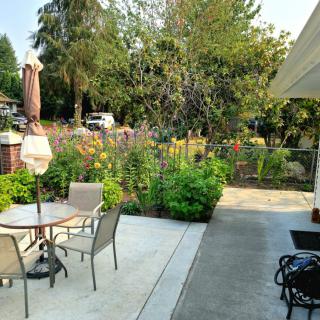
 The grounds are kept clean.
- The staff are very polite.
- The food options are well suited for the loved one.
- The loved one's stay at Best Loving Care is going fine.
Cons
 The staff could improve on listening to resident requests.
- There is a lack of activities for the resident to participate in, causing her to sit for long periods and develop sores on her bottom.
Review
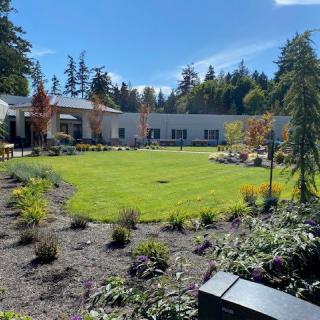
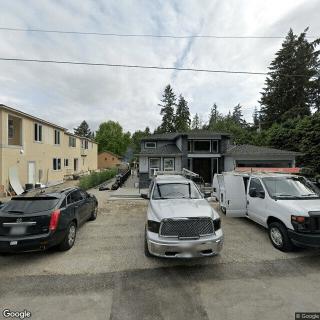
Best Loving Care Elderly Living in Renton, WA is best suited for seniors who prioritize a clean, predictable environment and courteous daily operation over high‑intensity programming. The grounds are tidy, and the facility projects a calm, non‑chaotic atmosphere. Meals arrive with attention to dietary needs, and staff are consistently polite and respectful in interactions. This combination creates a dependable baseline of comfort for residents who can manage with moderate assistance and value routine, straightforward care rather than specialized medical oversight. In short, Best Loving Care works well for someone who wants comfort, clear boundaries, and reliable basic services without the complexity or cost of a larger assisted living community.
However, families should explicitly consider who may want to look at other options. The single reviewed experience notes a lack of activities for residents, leading to extended periods of sitting and, in one case, the development of sores. Staff responsiveness to resident requests could improve, suggesting gaps in advocacy and engagement. For a resident who thrives on social stimulation, regular group programming, or proactive staff follow-through, this community may fall short. Alternatives with robust activity calendars, more dynamic programming, or stronger resident input mechanisms could better align with those expectations and reduce the risk of physical decline from inactivity.
On the plus side, the visible strengths, clean grounds, courteous staff, and generally adequate care, form a stable platform. The kitchen appears to offer meal options that align with individual preferences, which can support nutrition and satisfaction. Those advantages partially offset the shortcomings, because a respectful environment and predictable routines can ease anxiety for families and residents new to assisted living. Yet the credibility of adequate care hinges on participation and engagement; without enough stimulating activities, even well-kept spaces and friendly faces cannot fully compensate for mobility and social needs. In this balance, the main trade-off pivots on activity availability and staff responsiveness.
To make an informed decision, prospective residents should press for specifics during tours. Ask for a sample activity calendar, the frequency of planned outings, and how much staff time is devoted to encouraging participation and addressing resident preferences. Inquire about the process for requesting accommodations or changes in routine, and how quickly such requests are typically addressed. Verify staffing patterns, especially during peak hours, and seek candid stories from current residents or families about day-to-day life. Clarify how care tasks such as mobility assistance, wound prevention, and skin checks are managed, given the noted risk of sores from inactivity.
This community will likely suit a resident who values quiet, predictable days, good meals, and respectful interactions more than a bustling social scene. It aligns with seniors who can maintain a moderate level of independence with some assistance, and who do not require a heavy calendar of programming or aggressive resident advocacy. Conversely, those who crave frequent social engagement, highly responsive service, or specialized programming tailored to memory care or mobility goals should look at options with more comprehensive activity staff and stronger resident feedback mechanisms. In Renton, consider balancing these factors against other nearby communities with richer activity ecosystems and more proactive care coordination.
Bottom line: Best Loving Care Elderly Living delivers a dependable, clean, and courteous basic experience, with meals that can meet dietary needs. The principal drawbacks, a sparse activity calendar and gaps in listening to resident requests, limit its appeal for residents who seek ongoing engagement and vigorous participation. For families prioritizing safety, clean surroundings, and straightforward, predictable care, this community remains a solid choice. For those who cannot compromise on daily activity, social interaction, or proactive advocacy, alternatives with more dynamic programming and stronger resident voice should be pursued. In making a decision, weigh the value of a stable routine against the cost of reduced engagement, and visit with a clear checklist to verify whether this match exists.
 Board and Care Home
 Memory Care
 Activities off-site
 Bath tubs
 Beautician on-site
 Devotional services off-site
 Indoor common areas
 Outdoor common areas
 Private
 Private bathrooms
 Respite or short term stays offered
 Wheelchair accessible showers
 Seattle-Tacoma International (8 miles away)
 Diabetic care
 High acuity care
 Incontinence care
 Medication management
 Kosher
 Christian services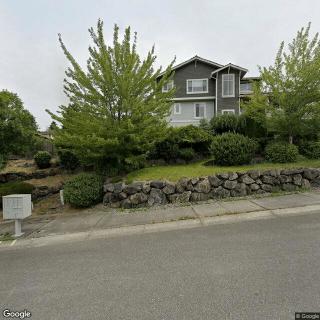
 Understanding Dementia Through Its Seven Stages: A Comprehensive Look at Progression and Expectations
 A Holistic Dementia Care Guide: Effective Strategies for Memory Support
 Memory Care Pathways: A Holistic Guide to Dementia Support