
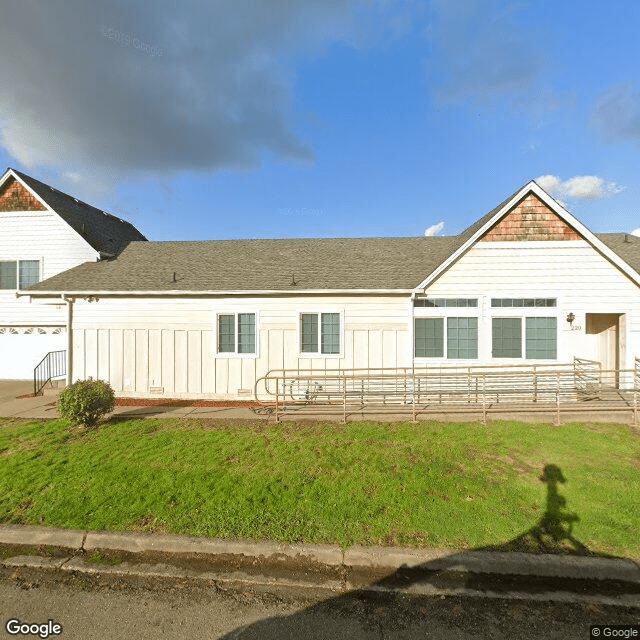
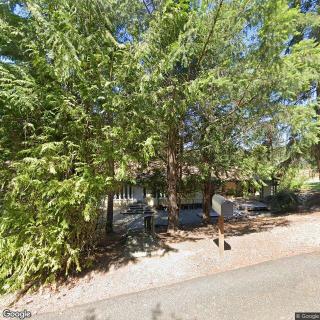
220 2nd Ave. SE, Pacific, WA 98047
To contact a resident: (253) 735-7848
For more information about senior living options: (866) 208-4318
A Better Life AFH Costs & Pricing
A Better Life AFH offers competitive pricing for its services relative to both Pierce County and the broader state of Washington. For semi-private accommodations, residents can expect to pay **$2,700** per month, significantly lower than the county average of **$4,264** and the state average of **$4,267**. Private rooms are similarly priced at **$3,000**, which again stands in stark contrast to the local and state averages of **$4,623** and **$4,772**, respectively. The one-bedroom option is available for **$4,000**, aligning closely with Pierce County's average of **$4,456** while still remaining more affordable than the state average of **$4,632**. This pricing structure positions A Better Life AFH as an attractive alternative for individuals seeking quality care without compromising their financial stability.
| Floor plans | A Better Life AFH | Pierce County | Washington |
|---|---|---|---|
| Semi-Private | $2,700 | $4,264 | $4,272 |
| Private | $3,000 | $4,623 | $4,774 |
| 1 Bedroom | $4,000 | $4,456 | $4,634 |
Memory care communities with a similar price nearby
-
from +$300 / mo
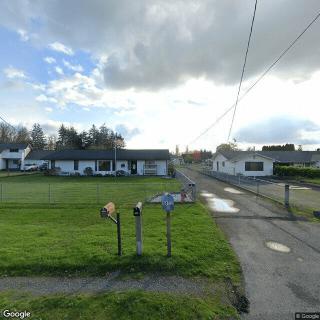
Hummingbird Homecare
$3,000 / month0.4 miles away -
from +$300 / mo
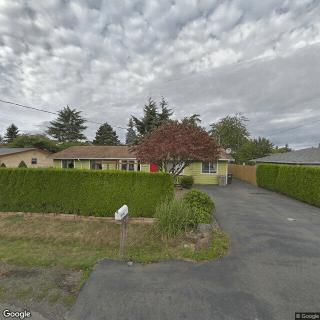
Home Care in Kent Inc.
$3,000 to $3,500 / month8.6 miles away -
from -$200 / mo
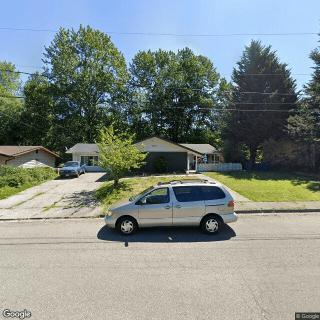
Freedom Care
$2,500 to $3,000 / month12.6 miles away -
from +$300 / mo
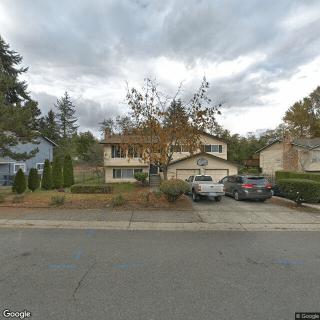
Meridian AFH II
$3,000 to $3,500 / month7.6 miles away -
from +$395 / mo

The Young House
$3,095 to $6,000 / month16.4 miles away
Overall Review of A Better Life AFH
Pros
 The caregivers are incredibly attentive and compassionate.
- The place offers a supportive and loving environment.
- Care for loved ones is exceptional.
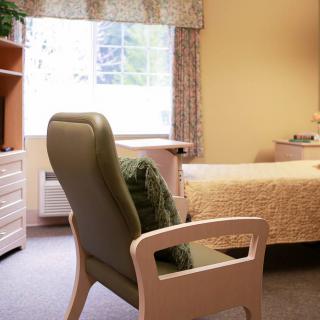
- The staff are very friendly, and the rooms are clean and well-maintained.
Review
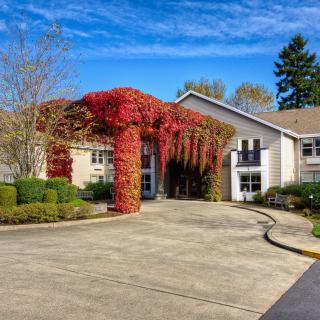
A Better Life AFH in Pacific, WA is best suited for families seeking a small, home-like caregiving environment where residents receive highly personalized attention and daily living is managed with warmth and steady, compassionate support. The voices of those who rate the community highlight an incredibly attentive caregiving team, a genuinely supportive and loving atmosphere, and clean, well-maintained rooms. This is the kind of setting that feels like a carefully tended household rather than a large institutional space, with staff who become familiar presences in the resident’s daily life. It’s a strong fit for seniors who want dignity, regular human contact, and reassurance that someone is watching closely over their daily needs.
That said, this option may not be the best fit for everyone. Families with loved ones who require intensive medical management, on-site licensed nursing coverage around the clock, or a broad menu of specialized therapies may want to consider alternatives. Large assisted living communities often offer more robust medical oversight, more extensive activity calendars, and greater access to on-site specialists. Similarly, residents with complex memory-care needs or those who demand a highly structured program might find a smaller home setting less comprehensive than what a bigger campus can provide. In short, those chasing comprehensive medical resources or extensive therapeutic options should look at other paths.
The core strengths, attention, compassion, and a clean, welcoming environment, do meaningful work against the most common trade-offs of a smaller home. The caregivers’ attentiveness translates directly into safer, smoother daily routines, more precise medication reminders, and quicker response times. The intimate staff-resident dynamic tends to lower confusion for the resident, reduce anxiety, and foster a consistent sense of safety. Clean, well-maintained rooms reinforce dignity and comfort, and friendly staff cultivates predictable, reassuring communication for families. These advantages can outweigh the tighter staff structure when the primary goal is reliable day-to-day caregiving and a reassuring, family-like atmosphere.
In practical terms, families should view this option as a strong match for residents who prize companionship, routine, and a visible caregiving presence over the breadth of amenities. If a loved one thrives with predictable schedules, regular personal interaction, and a setting that feels like a thoughtful extension of home, A Better Life AFH offers compelling value. It’s particularly well-suited for seniors who do not require constant medical tinkering, who benefit from consistent, humane attention, and who desire a quieter, more intimate environment where staff know their preferences, routines, and histories. The result is a strong sense of belonging and steady day-to-day stability, which is often the most meaningful form of quality of life.
Prospective evaluators should enter conversations with clear, targeted questions to avoid gaps later. Ask about the staff-to-resident ratio at various shifts and how care plans are developed and updated; verify who administers medications and how often nursing oversight is available. Inquire about emergency procedures, access to on-site medical professionals, and what happens after hours. Request specifics on respite or short-term stays to gauge flexibility and how trials could work. Pricing transparency matters: confirm what is included in monthly rates, what triggers additional charges, and how pricing scales with care intensity. Finally, seek current families’ impressions on consistency of caregivers and the overall responsiveness of the team.
Overall, A Better Life AFH stands out as a compelling choice for seniors who prioritize heart, consistency, and a home-centered experience over the breadth of services found in larger communities. The combination of highly attentive caregivers, a loving environment, and well-kept living spaces creates a compelling value proposition for families who want close-knit care and peace of mind. Those whose loved ones require extensive medical services, ambitious activity programs, or specialized memory-care strategies should weigh alternatives that can promise greater access to those resources. In the right match, this community delivers not just care, but a trusted, affectionate home for everyday life.
 Board and Care Home
 Memory Care
 Activities off-site
 Bath tubs
 Indoor common areas
 Outdoor common areas
 Private
 Private bathrooms
 Swimming pool / hot tub
 Wheelchair accessible showers
 Seattle-Tacoma International (13 miles away)
 Ambulatory care
 Diabetic care
 High acuity care
 Incontinence care
 Medication management
 Kosher
 Exploring the Contrasts Between Assisted Living and Skilled Nursing
 Vibrant Senior Living: A Comprehensive Guide for Active Older Adults
 Assisted Living and Memory Care: Understanding Their Core Differences