
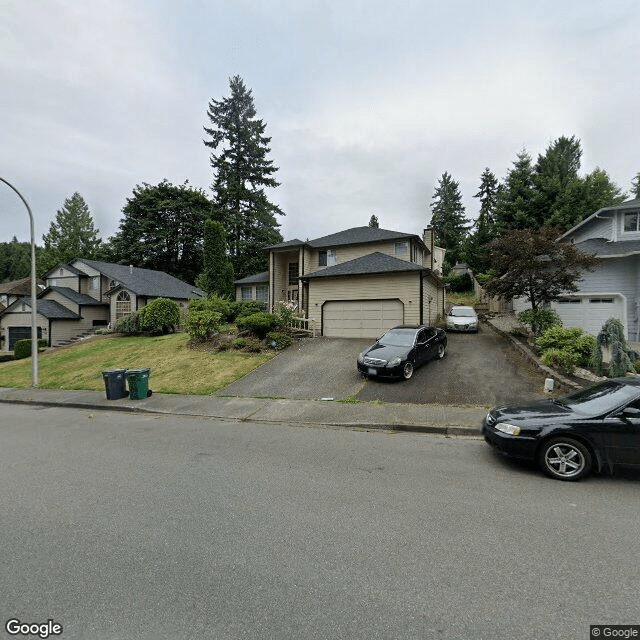
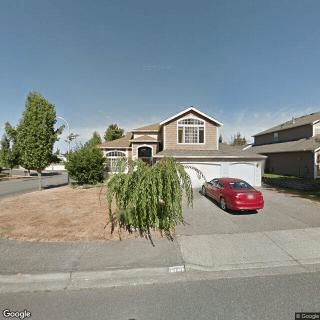
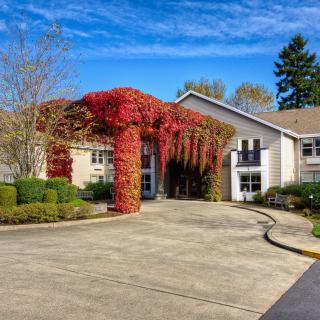
620 47th St. SE, Auburn, WA 98092
To contact a resident: (253) 929-6943
For more information about senior living options: (866) 208-4318
Belmanor Adult Family Home Costs & Pricing
Belmanor Adult Family Home offers competitive monthly rates for its residents, with costs set at $3,000 for all room types, including private, semi-private, studio, and one-bedroom accommodations. This pricing stands in stark contrast to the averages in Pierce County and the broader state of Washington. For instance, the average cost of a private room in Pierce County is approximately $4,623, while in Washington state it's around $4,772. Similarly, semi-private rooms are significantly higher at $4,264 in the county and $4,267 statewide. This trend continues across other room types as well. By maintaining a consistent rate of $3,000 regardless of room type, Belmanor offers an attractive option for those seeking quality care without the financial strain often associated with senior living facilities in the area.
| Floor plans | Belmanor Adult Family Home | Pierce County | Washington |
|---|---|---|---|
| Studio | $3,000 | $4,039 | $4,128 |
| 1 Bedroom | $3,000 | $4,456 | $4,634 |
| Private | $3,000 | $4,623 | $4,774 |
| Semi-Private | $3,000 | $4,264 | $4,272 |
Memory care communities with a similar price nearby
-
About the same

Hummingbird Homecare
$3,000 / month1.1 miles away -
About the same
Home Care in Kent Inc.
$3,000 to $3,500 / month8.5 miles away -
from +$500 / mo

Twin Lakes Haven Adult Family Home
$3,500 to $8,000 / month7.7 miles away -
from -$500 / mo
Freedom Care
$2,500 to $3,000 / month12.6 miles away -
from +$500 / mo
Ahadi Care Adult Family Home
$3,500 to $4,000 / month8.8 miles away
Overall Review of Belmanor Adult Family Home
Pros
 They really care about the seniors living in their home.
- It is a great place to bring a loved one.
- The family has cared for a dad for the last three years.
- Daisy and Steve are amazing caregivers.
Review
Belmanor Adult Family Home in Auburn, Washington is best suited for families seeking a small, home-like setting where a senior can receive deeply personal, ongoing care without the formality and scale of a larger campus. This community excels for residents who value predictable routines, steady faces, and a caregiving team that treats daily life as the central task rather than a checklist of services. It works best for an older adult who is mostly independent but benefits from active supervision, gentle reminders, and consistent, compassionate attention. Those who want a hotel-like atmosphere or a broad slate of on-site programs may feel the pace and amenities are modest, but for the right person, the emotional safety and trust built here are decisive advantages.
Operating as a family-run home, Belmanor’s core strength is the people who shoulder the day-to-day care. Families report that Daisy and Steve are consistently hands-on, attentive, and deeply invested; this is not a rotating staff model but a steady partnership between caregivers and families. The emotional gravity of seeing a loved one cared for by someone who feels like family cannot be overstated, reassurance that meals, meds, safety, and daily routines are watched over with genuine concern. The small staff-to-resident ratio translates into rapid responses and meaningful interactions, which translates into more dignity and less anxiety for both residents and their families.
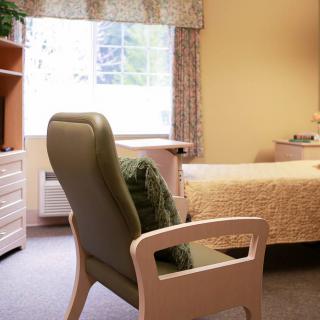
Residents benefit from a home-like atmosphere where meals, routines, and leisure are tailored around individual preferences rather than a rigid institutional timetable. The stability that comes from long-tenured caregivers creates a sense of continuity, which is especially valuable for seniors who thrive on familiar faces and predictable expectations. Family involvement is natural and welcome, and this transparency helps families rest easier, knowing that small health changes are noticed promptly. The warmth of the environment and the focused attention on daily quality-of-life issues, bathing, dressing, companionship, safety checks, are meaningful advantages over more impersonal settings.
One of the unavoidable trade-offs in a small, family-operated home is the limited scale of services. The setting does not advertise an expansive slate of medical resources or advanced therapeutic programs, and there is no indication of on-site skilled nursing around the clock. For seniors with complex medical needs, frequent clinical oversight concerns, or a strong preference for highly structured activity calendars, these limitations may matter. There is also less public visibility of highly specialized memory care options, which means families should assess whether daily living goals align with what the home can provide.
Still, the strong positives offset these gaps for the right resident. When trust, continuity, and a compassionate touch matter most, the advantage of a couple who essentially runs a home for seniors cannot be overstated. The risk of limited medical oversight is mitigated by rapid communication with families and the ability to mobilize help quickly when issues arise. For families evaluating Belmanor, the focus should be on whether the resident’s needs are stable and manageable within a home setting, whether there is transparent care planning, and whether the day-to-day interactions feel uplifting rather than rushed. Inquiries about staffing patterns, medication administration, and emergency protocols will reveal how well the gentle, attentive care translates into practical safeguards.
Ultimately, Belmanor Adult Family Home suits families who prize warmth, continuity, and a home atmosphere over institutional breadth. It is a strong recommendation for seniors who are mostly independent with mild assistance needs and for families seeking a trusted, low-turnover environment where a couple of caregivers form an enduring bond with the resident. Those requiring robust nursing services, complex clinical management, or formal memory-care programming may want to explore larger communities or facilities with dedicated medical teams and secured units. With a 4.8 out of 5 rating and consistently positive feedback about character and care, Belmanor stands out as a practical, emotionally intelligent choice for the right fit.
 Board and Care Home
 Memory Care
 Activities on-site
 Indoor common areas
 Outdoor common areas
 Private
 Private bathrooms
 Seattle-Tacoma International (13 miles away)
 Diabetic care
 High acuity care
 Incontinence care
 Medication management
 Meals provided

 When to Transition from Assisted Living to Memory Care: Key Indicators, Steps, and Finding the Right Community
 Understanding the Distinctions: Assisted Living and Memory Care Explained
 How to Communicate with a Loved One Living with Dementia: 10 Supportive Strategies